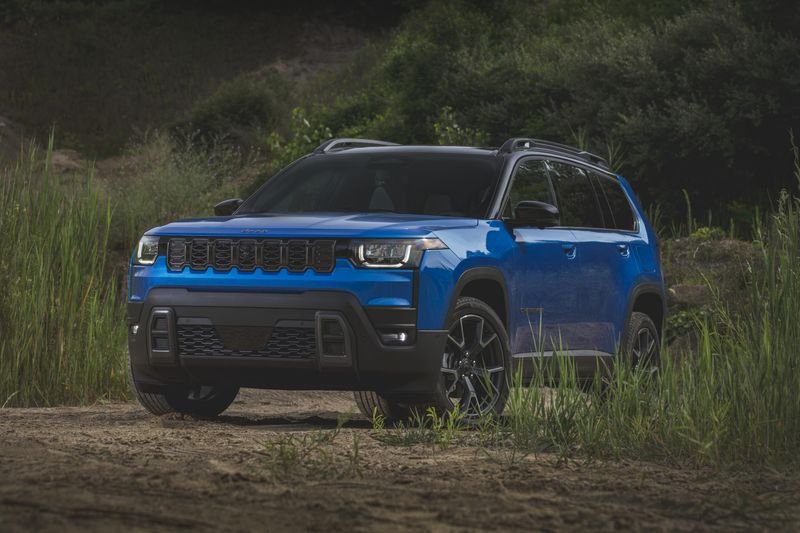
Driving a 4 wheel drive Jeep gives you power and control in tough road conditions. Whether you’re facing snow, mud, sand, or steep hills, knowing how to use the 4WD system is key. Many new Jeep owners feel unsure about when and how to switch between the different modes. Using the wrong setting can damage your Jeep or even put you in danger. This guide will help you use each of the four main 4WD modes correctly and safely.
Understanding 4 Wheel Drive Modes In A Jeep
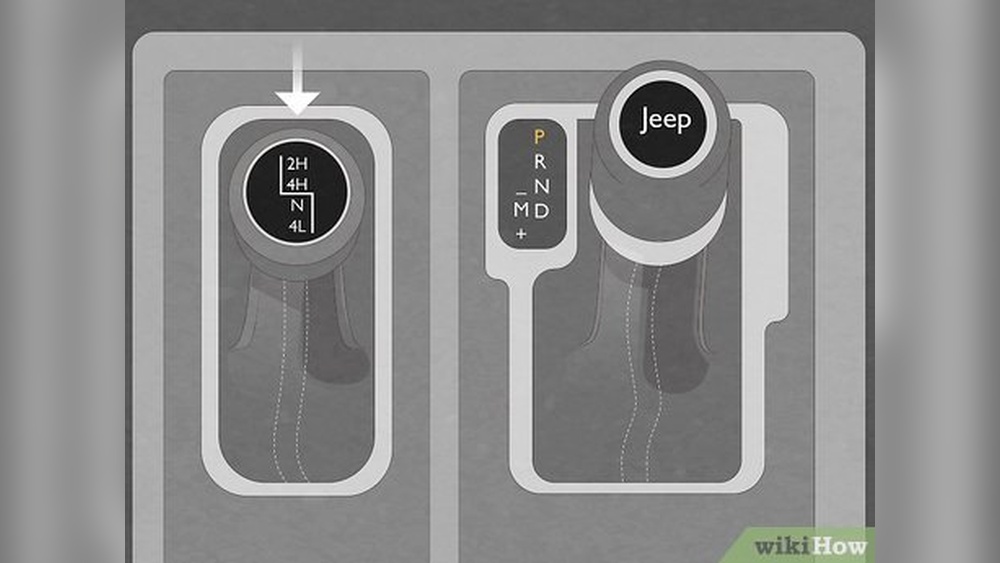
Most modern Jeeps come with four main 4WD settings: 2H, 4H, 4L, and Auto. Each mode is designed for specific situations. Using the right mode makes driving safer and helps your Jeep last longer.
What Makes Jeep 4wd Different?
Jeep’s 4WD system is designed to handle both daily driving and extreme off-road challenges. Unlike simple all-wheel-drive cars, a Jeep lets you choose how power is sent to the wheels.
This flexibility is why Jeeps are trusted by both city drivers and off-road enthusiasts.
2h (two-wheel Drive High)
2H is the default mode for most driving situations. In this mode, power goes only to the rear wheels.
- When to use: Dry pavement, highways, and normal city streets.
- Benefits: Best fuel efficiency, smoothest ride, less wear on 4WD components.
Example: You’re driving to work on a sunny day with clear roads. Keeping your Jeep in 2H saves gas and reduces noise.
Key insight: Many people overuse 4WD modes, thinking it gives more safety on regular roads. In fact, using 4H or 4L on dry pavement can damage your Jeep’s drivetrain.
4h (four-wheel Drive High)
4H sends power to all four wheels. This mode is for situations where you need extra grip but want to keep normal driving speed.
- When to use: Rain, snow, gravel, or muddy roads where tires might slip.
- Benefits: Better traction, more control at normal speeds (up to 55 mph).
Example: If a snowstorm hits and roads are slippery, switching to 4H helps your Jeep stay stable.
Common mistake: Switching to 4H on dry pavement can cause “binding”—a feeling of the Jeep jumping or resisting turns. Only use 4H when surfaces are loose or slick.
4l (four-wheel Drive Low)
4L gives maximum torque and control by using a low gear ratio. This is for slow, challenging conditions.
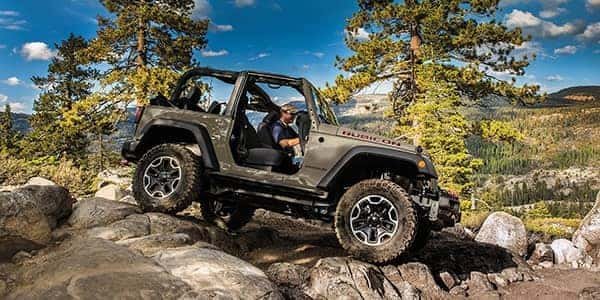
- When to use: Deep sand, thick mud, steep hills, rocky trails, or pulling a heavy load at low speed.
- Benefits: More power at slow speeds, better climbing or descending control.
Example: You’re crossing a rocky riverbed. 4L lets you crawl over obstacles without spinning your tires.
Non-obvious tip: Never use 4L for speeds above 25 mph. The Jeep will feel jumpy and can overheat the drivetrain.
Auto (automatic 4wd)
Some newer Jeep models offer an Auto mode. This setting automatically switches between 2WD and 4WD as needed.
- When to use: Changing road conditions where you’re unsure if you need 4WD.
- Benefits: Convenience, less chance of using the wrong mode.
Example: Driving in the city with patches of ice and dry pavement. Auto mode takes the guesswork out.
Important: Auto mode is not available on all Jeep models. Check your owner’s manual to see if your Jeep has this feature.
How To Switch Between Modes
Switching between these modes is simple, but you need to follow the right steps.
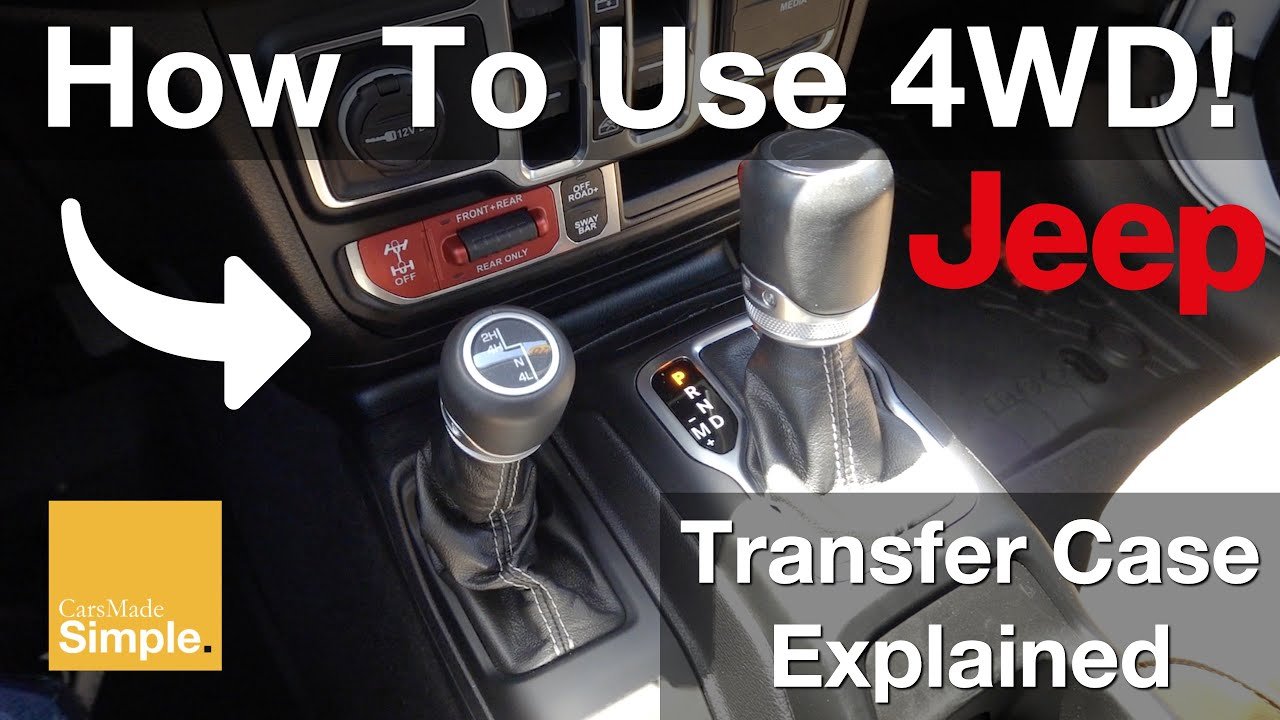
- 2H to 4H: Can usually be done “on the fly” while driving up to 55 mph. Just shift the lever or press the button.
- 4H to 4L: Stop the Jeep, shift to neutral, then move to 4L.
- 4L to 4H/2H: Stop, shift to neutral, then move out of 4L.
Never force the shifter or switch if it resists. Forcing can break the transfer case.
Comparing 4wd Modes
Here’s a quick look at how each mode compares:
| Mode | Best For | Max Speed | Fuel Efficiency |
|---|---|---|---|
| 2H | Dry pavement | Highway speeds | Best |
| 4H | Snow, mud, gravel | Up to 55 mph | Moderate |
| 4L | Rocks, deep sand, towing | Up to 25 mph | Poor |
| Auto | Mixed conditions | Varies | Good |
Common Mistakes To Avoid
- Using 4WD on dry pavement: This can damage the drivetrain and tires.
- Not shifting to neutral before 4L: Skipping this step can grind gears.
- Driving fast in 4L: Only use 4L at low speeds.
- Ignoring tire pressure: Uneven tires make 4WD less effective.
- Forgetting to switch back to 2H: Leaving your Jeep in 4WD on good roads wastes fuel.
Practical Tips For New Jeep Owners
- Practice switching modes in an empty parking lot before your first off-road trip.
- Always read your owner’s manual for model-specific advice.
- If you hear loud clunks or grinding, stop and check the system.
- Use 4H for sand driving, but lower tire pressure for best results.
- Clean your Jeep’s undercarriage after off-roading to prevent rust on 4WD parts.
Real-world Example: Off-road Adventure
Imagine you’re heading to a remote campsite. The first part is a paved road (use 2H).
As you reach a muddy forest path, switch to 4H. If you meet a steep, rocky hill, stop and move to 4L for control.
On the way home, if conditions are mixed, Auto mode (if available) is the safest choice.
4wd Maintenance Basics
Taking care of your 4WD system prevents costly repairs.
- Change differential fluid every 30,000-60,000 miles.
- Check for leaks after tough trails.
- Inspect and rotate tires often.
- Schedule a professional 4WD check each year.
Cost Of Repairs: Prevention Pays
Simple mistakes can lead to expensive repairs. Here’s a comparison of common repair costs:
| Problem | Estimated Cost | Prevention Tip |
|---|---|---|
| Transfer case damage | $1,500–$2,500 | Use correct mode |
| Drivetrain wear | $800–$1,800 | Avoid 4WD on dry roads |
| Axle replacement | $500–$1,200 | Check after off-roading |

Where To Learn More
For more in-depth details on Jeep 4WD systems, visit the official Jeep Capabilities page.
Frequently Asked Questions
What Does 2h Mean In A Jeep?
2H stands for “Two-Wheel Drive High.” It sends power only to the rear wheels and is best for regular roads and highways.
When Should I Use 4h In My Jeep?
4H is for slippery surfaces like snow, mud, or gravel. Use it when you need better traction but want to keep normal driving speed.
Can I Switch To 4l While Driving?
No. Always stop your Jeep and shift to neutral before switching to 4L. This protects your gears and transfer case.
Is Auto Mode The Same As 4h?
No. Auto mode chooses between 2WD and 4WD for you. 4H locks power to all wheels. Auto is good for changing conditions.
How Often Should I Service My 4wd System?
Check your 4WD system at least once a year or before and after off-roading. Regular service prevents costly repairs.
Driving a Jeep with 4WD gives you confidence in all conditions. Knowing when and how to use each mode keeps your ride smooth and your vehicle healthy.
With these tips, you’re ready for any road or trail ahead.