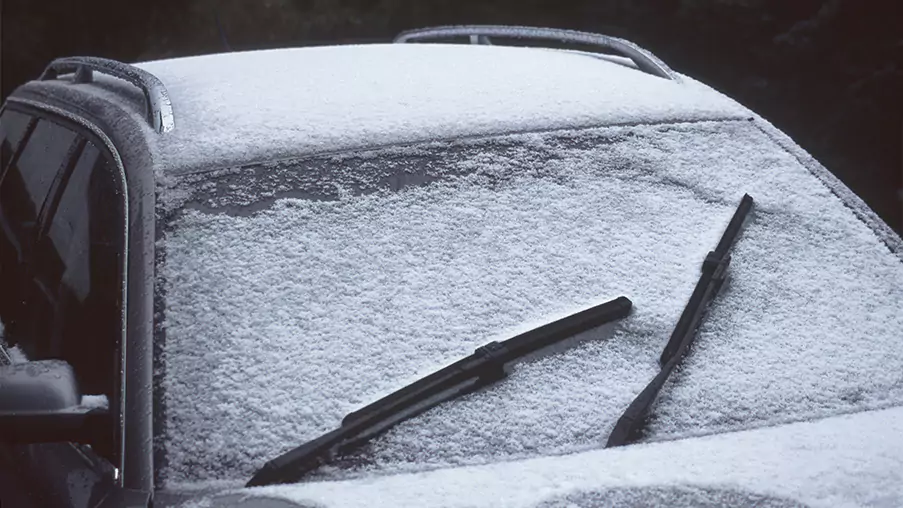
Getting stuck with frozen windshield wipers is a common headache for drivers in winter. When ice or snow locks your wipers to the glass, visibility drops, and you risk damaging the wiper blades or even the motor.
But with the right steps, you can safely unfreeze your windshield wipers and prevent future issues.
Here’s how to handle this situation quickly and avoid common mistakes.

Why Windshield Wipers Freeze
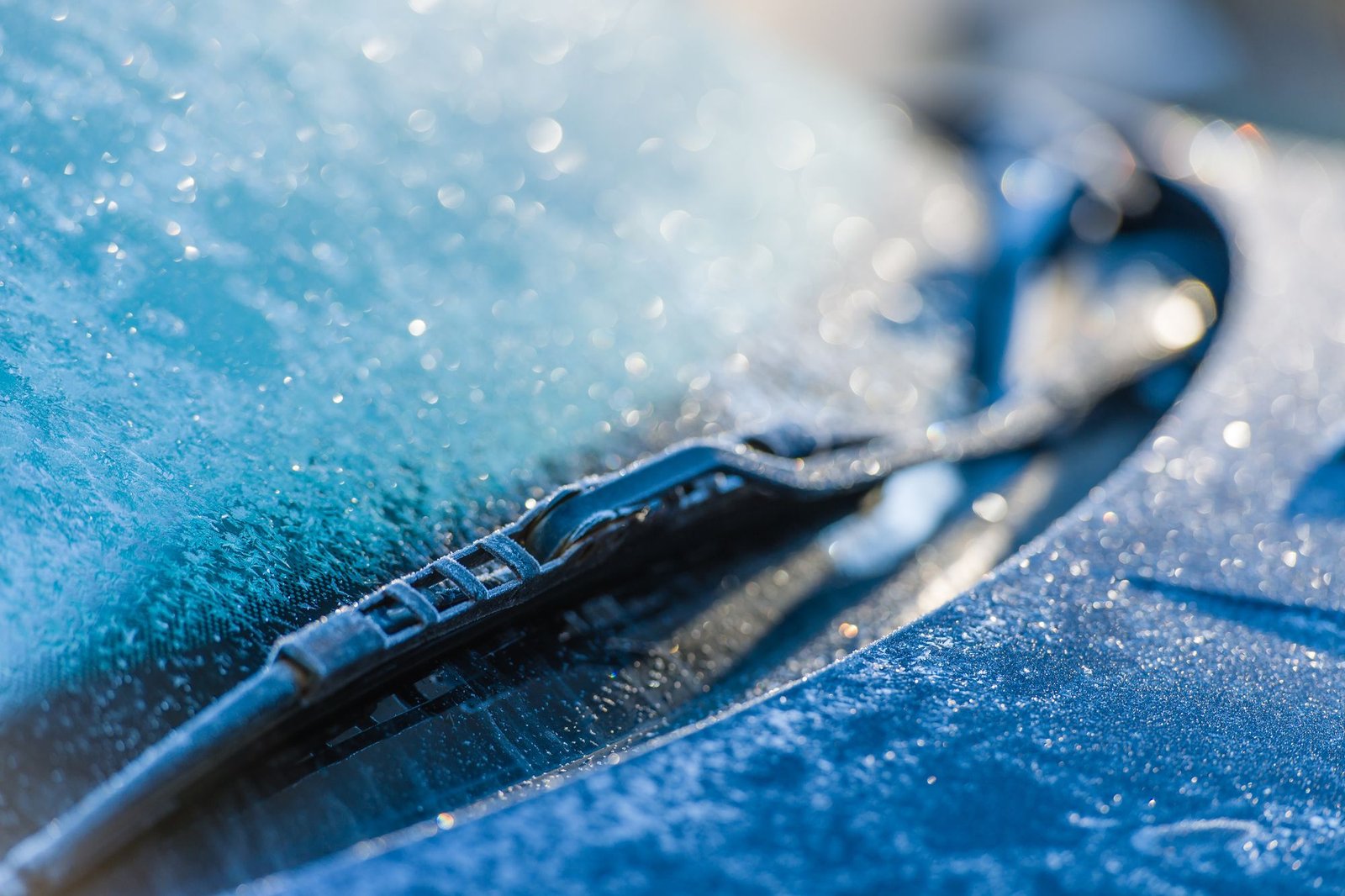
Windshield wipers freeze for two main reasons: ice buildup and freezing rain. Ice can form overnight or during a snowstorm, gluing the rubber blades to the glass. Sometimes, melted snow refreezes under the blade, making it hard to move. When this happens, trying to use the wipers can tear the rubber or burn out the wiper motor.
Safe Steps To Unfreeze Windshield Wipers
Jumping straight into action can cause more harm than good. Here’s a clear, step-by-step way to free your frozen wipers without damage.
1. Turn Off The Wipers
Always switch off your wipers before trying to unfreeze them. Forcing them to move can break the motor or bend the wiper arms.
2. Start The Engine And Defroster
Begin by starting your engine and turning the defroster to the highest setting. Warm air will slowly heat the windshield, helping to loosen the ice. This can take 10–15 minutes, but patience pays off.
3. Gently Lift The Wipers
Once the windshield warms up, check if you can gently lift the wiper blades. Do not force them if they resist, move to the next step.
4. Remove Loose Snow And Ice
Use a soft brush or snow scraper to clear snow around the wipers. Avoid using metal tools or sharp objects, as these can scratch the glass or cut the rubber blades.
5. Apply De-icer Spray
If the blades are still stuck, use a commercial de-icer spray. Spray it at the base of the wiper blades and along the edge where the blade meets the glass. Wait a few minutes for it to work.
6. Use Warm (not Hot) Water
Pouring a small amount of lukewarm water over the frozen area can help melt the ice. Never use hot water—it can crack the windshield from sudden temperature change.
7. Check And Test
After following the steps above, try gently lifting and moving the wipers. If they move freely, switch them on at the lowest speed to ensure they work properly.
What Not To Do
Many people try shortcuts that can backfire. Here are some common mistakes to avoid:
- Don’t use boiling or hot water—this can shatter the glass.
- Don’t chip at the ice with sharp objects.
- Don’t force wipers to move by turning them on.
- Don’t use salt—it can corrode the wiper blades and frame.
Comparing Unfreezing Methods
It helps to know which methods are safe and which are risky. Here’s a quick comparison:
| Method | Effectiveness | Risk of Damage |
|---|---|---|
| Defroster | High | Very Low |
| De-icer Spray | High | Low |
| Lukewarm Water | Medium | Low |
| Hot Water | High | High |
| Scraping | Medium | Medium to High |
Preventing Future Freezing
Prevention is often easier than dealing with frozen wipers in the morning. Here are proven ways to keep your wipers ice-free:
- Lift Wipers Overnight: Pull your wipers away from the windshield when parking during snow or freezing rain.
- Cover the Windshield: Use a windshield cover or even a towel to prevent ice from forming on the glass and wipers.
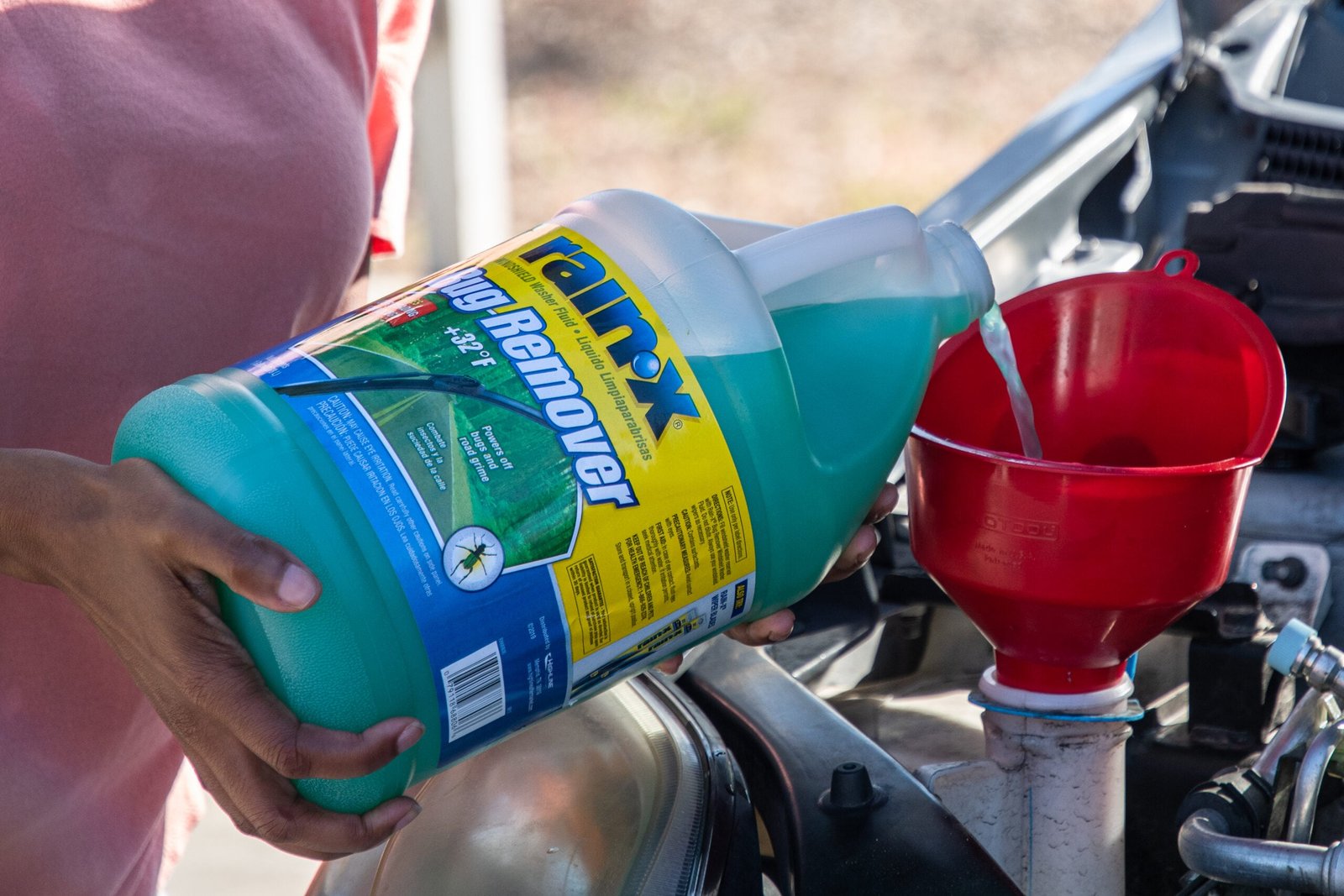
- Apply De-Icer Fluid: Add a winter-grade washer fluid with de-icing properties to your reservoir.
- Use Winter Wiper Blades: These are specially designed to resist ice buildup.
- Check Blade Condition: Worn blades freeze more easily. Replace them every 6–12 months.
When To Replace Frozen Wipers
If your wipers have been frozen and now don’t clear water properly, it’s time for new blades. Signs of damage include:
- Streaks or missed spots
- Torn or cracked rubber
- Unusual noises or skipping
Winter can be tough on wipers, so regular checks will help you stay safe on the road.
Example: Real-world Scenario
Imagine you park your car outside during a snowstorm. The next morning, your wipers are stuck.
You turn on the ignition, set the defroster to max, and wait 15 minutes. The ice loosens, and you gently lift the blades.
You clear remaining snow with a brush, spray some de-icer, and after a few minutes, the wipers move freely.
This step-by-step approach protects both the wipers and the windshield.
Choosing The Right De-icer
Not all de-icers are the same. Some are safe for rubber and paint, while others can be harsh. Always read the label before using. Here’s a quick look at the types:
| Type | Pros | Cons |
|---|---|---|
| Alcohol-based | Fast-acting, widely available | Can dry out rubber with frequent use |
| Glycol-based | Gentle on materials, effective | Works slower in extreme cold |
| Salt-based | Cheap, easy to make at home | Corrosive to metal and rubber |
Cost And Time Comparison
How much time and money will you spend? Here’s a simple breakdown:
| Method | Average Cost | Time Needed |
|---|---|---|
| Defroster Only | $0 | 10–20 min |
| De-icer Spray | $5–$10 | 2–5 min |
| Windshield Cover | $10–$30 | 0 min (prevention) |
For more on winter driving safety, check resources like the National Highway Traffic Safety Administration.
Frequently Asked Questions
What Should I Do If My Wipers Are Stuck During Driving?
Pull over safely and turn off the engine. Wait for the defroster to melt the ice, or use a de-icer spray if you have one. Never keep driving with frozen wipers.
Can I Use Hot Water To Melt Ice On My Windshield?
No, using hot water can crack the windshield due to sudden temperature change. Always use lukewarm water or a de-icer spray.
How Often Should I Replace My Wiper Blades In Winter?
Replace wiper blades every 6 12 months, or sooner if they show damage after being frozen.
Are Winter Wiper Blades Better For Icy Conditions?
Yes, winter wiper blades are designed to prevent ice buildup and stay flexible in cold temperatures.
Is There A Homemade De-icer I Can Use Safely?
A mix of three parts vinegar and one part water can help, but commercial de-icers are safer for your car’s materials.
Dealing with frozen windshield wipers is frustrating but manageable with the right steps. By acting carefully, using proper products, and taking preventive measures, you can keep your vision clear and your wipers working all winter long.