If you own a Jeep Grand Cherokee, you likely bought it for its strong 4WD capabilities. But many drivers aren’t sure how to turn on 4WD or use it correctly.
help you understand the 4WD system in your Jeep Grand Cherokee, show you how to activate it, and explain when and why you should use it. We’ll cover different models, clear steps, common mistakes, and extra tips so you feel confident every time you use your Jeep’s four-wheel drive.
Understanding The Jeep Grand Cherokee 4wd System
The Jeep Grand Cherokee comes with several types of four-wheel drive (4WD) systems. Knowing which system your vehicle has is important before you try to turn it on. Here are the main systems used in recent models:
- Quadra-Trac I: Full-time 4WD, no driver input needed.
- Quadra-Trac II: Automatic 4WD with selectable modes.
- Quadra-Drive II: Advanced 4WD with electronic controls.
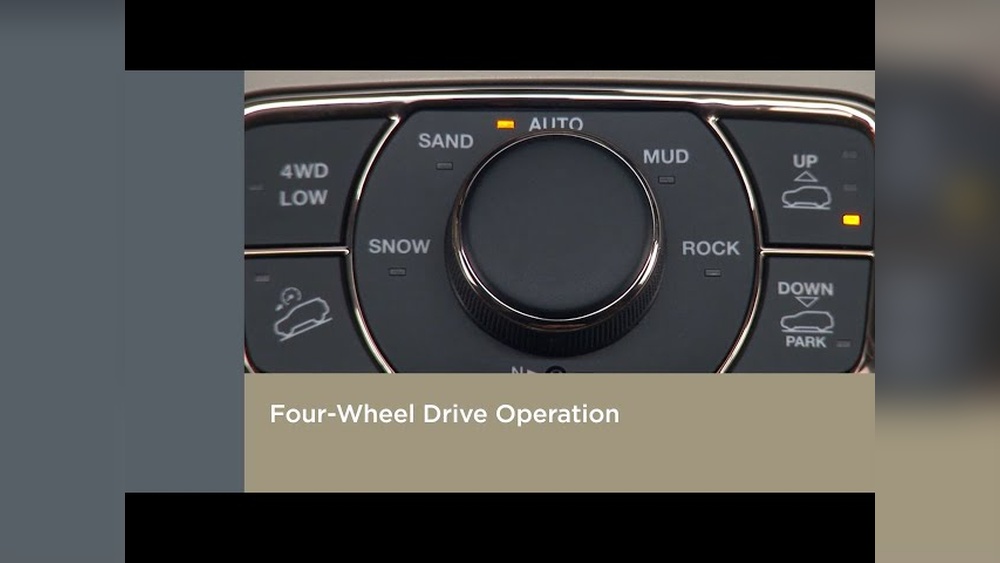
- Selec-Terrain: Lets you choose driving modes for snow, sand, mud, rock, or auto.
Most newer Grand Cherokees (2011 present) have automatic 4WD, but older models and some trims offer manual controls. You should check your owner’s manual or the dashboard controls to know which system you have.
| 4WD System | Control Type | Best For |
|---|---|---|
| Quadra-Trac I | Automatic | Everyday driving, mild off-road |
| Quadra-Trac II | Manual/Automatic | Snow, mud, sand |
| Quadra-Drive II | Advanced Automatic | Heavy off-road, tough terrain |
| Selec-Terrain | Driver selectable | Custom conditions |
How To Turn On 4wd In Jeep Grand Cherokee
The way you turn on 4WD depends on your model and system. Here’s how you can activate four-wheel drive in different Jeep Grand Cherokee setups.
1. Quadra-trac I (full-time 4wd)
This system is always on. You do not need to do anything to turn on 4WD.
The vehicle automatically adjusts power between the front and rear wheels.
Tip: There’s no 4WD button or lever. Just drive as usual; the system handles slippery or rough roads for you.
2. Quadra-trac Ii And Quadra-drive Ii
These systems are automatic but allow you to choose modes for different conditions.
Steps to turn on or adjust 4WD:
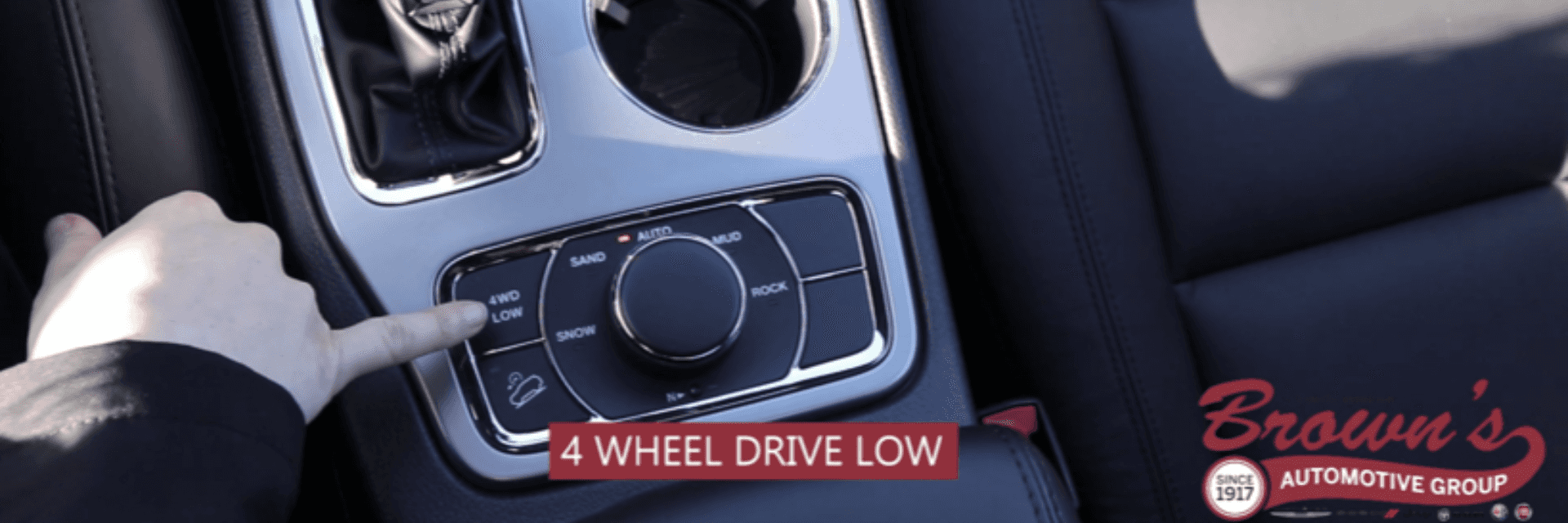
- Locate the Selec-Terrain dial: This is usually on the center console.
- Turn the dial to select a mode: “Snow,” “Sand,” “Mud,” “Rock,” or “Auto.”
- The system automatically adjusts 4WD for the chosen mode.
Example: If you’re driving in deep snow, turn the dial to “Snow.” The car shifts power to help you stay safe.
3. Older Jeep Grand Cherokee Models (manual 4wd)
Some older models (pre-2010) have a 4WD lever or button.
Steps for manual 4WD:
- Stop your vehicle or slow to a crawl.
- Shift the lever from “2WD” to “4WD High” for regular roads, or “4WD Low” for tough terrain.
- Wait for the indicator light to show that 4WD is engaged.
Common mistake: Don’t shift to “4WD Low” at high speed. Only use it when driving slowly or off-road.
| Year | 4WD Activation | Recommended Use |
|---|---|---|
| 2011, present | Selec-Terrain dial | Snow, sand, mud, rock |
| 2005 to 2010 | Lever/button | Manual selection |
| 1999 to 2004 | Lever (floor) | Manual, slow speeds |
When Should You Use 4wd?
Knowing when to use 4WD is as important as knowing how to turn it on. situations where 4WD helps:
- Snow and ice: Improves traction and prevents slipping.
- Mud and sand: Helps avoid getting stuck.
- Rocky or steep terrain: Offers more control and power.
- Towing heavy loads: Gives stability on uneven surfaces.
You do not need 4WD for dry, flat roads. Using it in normal conditions can increase fuel use and cause extra wear.
Pros And Cons Of Using 4wd
Pros:
- Better traction on slippery roads
- Improved safety in bad weather
- More control off-road
Cons:
- Lower fuel efficiency
- Extra wear on tires and drivetrain
- Possible damage if used incorrectly
Common Mistakes And How To Avoid Them
Even experienced drivers make mistakes when using 4WD. to watch for:
- Using 4WD Low at high speed: This can damage your vehicle. Only use “4WD Low” when going slowly and off-road.
- Leaving 4WD on all the time (manual systems): This causes unnecessary wear. Turn it off when not needed.
- Not checking tire pressure: Uneven tires can reduce 4WD effectiveness.
- Ignoring warning lights: If you see a 4WD warning, stop and check your system.
Non-obvious tip: Always match your speed and driving style to the terrain. Even with 4WD, sudden turns or stops can lead to accidents.
Detailed Example: Using 4wd In Snow
Let’s say you’re driving a Jeep Grand Cherokee in snowy conditions. Here’s what you do:
- Before starting: Make sure your tires are suitable for snow and check pressure.
- Turn the Selec-Terrain dial to “Snow.”
- Drive smoothly: Avoid sharp turns or quick stops.
- Use 4WD Low only if the snow is deep and you need extra power.
Real-life insight: Many beginners forget that 4WD helps with acceleration but not always with braking. You still need to drive carefully and keep a safe distance.
Cost And Maintenance Of Jeep Grand Cherokee 4wd
Owning a Jeep Grand Cherokee with 4WD means extra responsibility. Regular maintenance keeps your system running well.
Typical costs:
- 4WD system inspection: $50, $150 (once a year)
- Transfer case service: $150, $300 (every 30,000 miles)
- Tire rotation: $50, $80 (every 5,000 to 7,000 miles)
Key tip: Skipping maintenance can lead to expensive repairs. For example, a damaged transfer case may cost over $1,000 to fix.
Selec-terrain Modes Explained
The Selec-Terrain system is a highlight of the Jeep Grand Cherokee. It lets you choose the best driving mode for the conditions.
Here’s a quick comparison of the modes:
| Mode | Terrain | What It Does |
|---|---|---|
| Auto | Normal roads | Adjusts power automatically |
| Snow | Snow, ice | Improves traction, smooths power |
| Sand | Loose sand | Boosts wheel spin, prevents getting stuck |
| Mud | Muddy ground | Maximizes torque, helps power through |
| Rock | Rocky, steep terrain | Slows gear ratio, increases control |
Helpful insight: You can switch modes while driving, but make sure to slow down and avoid sudden changes. Some modes are best used at low speed.
Practical Tips For 4wd Beginners
If you’re new to using 4WD in the Jeep Grand Cherokee, practical tips:
- Practice in safe areas: Try out 4WD in an empty parking lot or mild off-road area before tackling tough terrain.
- Watch for warning lights: If the 4WD system shows an alert, check your manual or visit a mechanic.
- Keep your tires matched: Use the same brand and size on all four wheels.
- Check fluid levels: Transfer case and differential fluids are important for 4WD.
Non-obvious tip: Avoid switching between 2WD and 4WD while turning. This can stress the drivetrain.
How To Tell If 4wd Is Engaged
Many drivers aren’t sure if their Jeep’s 4WD is working. Here’s how to check:
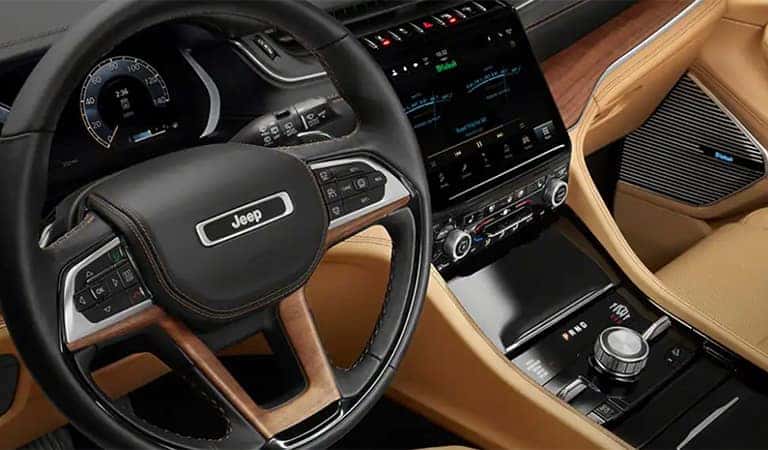
- Look for indicator lights: Most Grand Cherokees show a light on the dashboard when 4WD is active.
- Feel the difference: You may notice better grip or less wheel spin.
- Test in slippery conditions: If the wheels slip less, 4WD is likely engaged.
If you don’t see an indicator or feel a difference, check your owner’s manual or have a mechanic inspect the system.
Safety And 4wd
4WD improves safety in difficult conditions, but it’s not a magic solution. Here’s what you should remember:
- Drive slower in bad weather
- Don’t rely only on 4WD for braking
- Keep a safe distance from other cars
Important insight: Many accidents happen because drivers overestimate what 4WD can do. Stay cautious, especially in snow or mud.
When Not To Use 4wd
While 4WD is useful, there are times when you should avoid using it:
- Dry, paved roads: It wastes fuel and wears out parts.
- High speeds: Use only “4WD High” for speeds under 55 mph; never use “4WD Low” above 25 mph.
- Tight turns: Can cause drivetrain binding.
Tip: Only use 4WD when conditions require extra traction.
Jeep Grand Cherokee 4wd Vs. Awd
Some people confuse 4WD and AWD. Here’s how they’re different:
- 4WD: Designed for tough terrain, can be manually or automatically activated.
- AWD: Works all the time, better for regular roads and light snow.
The Jeep Grand Cherokee offers true 4WD, not AWD. This means more control, but also more responsibility.
Troubleshooting 4wd Issues
If your Jeep Grand Cherokee 4WD isn’t working, here’s what to do:
- Check indicator lights
- Inspect fluid levels
- Test in different modes
- Listen for strange noises
If problems continue, visit a certified Jeep mechanic. Repairs can be expensive, so regular maintenance is important.
Helpful link: For more details on Jeep Grand Cherokee systems, visit the official Jeep website.
Closing Thoughts
Turning on 4WD in your Jeep Grand Cherokee is easy once you know the system and steps. Always check which type of 4WD you have, follow the correct process, and use the feature only when needed. With proper care, your Jeep’s 4WD will give you confidence and safety in tough conditions. Remember to practice, maintain your vehicle, and drive carefully.
<!– wp:rank-math/faq-block {"questions":[{"id":"faq-question-8ef15a734204","title":"How Do I Know If My Jeep Grand Cherokee Has 4wd?","content":"Most Grand Cherokees have 4WD. You can check by looking for a Selec-Terrain dial, 4WD buttons, or a lever in your vehicle. Your owner’s manual also lists the system.
“,”visible”:true},{“id”:”faq-question-94e61be0a34f”,”title”:”Can I Use 4wd On Dry Pavement?”,”content”:”It’s best not to use 4WD on dry roads. This causes extra wear and uses more fuel. Only use 4WD when roads are slippery or rough.
“,”visible”:true},{“id”:”faq-question-c924a9632a02″,”title”:”What’s The Difference Between 4wd High And 4wd Low?”,”content”:”4WD High is for normal speeds and light off-road. 4WD Low gives extra power for steep hills, deep mud, or sand. Only use 4WD Low at low speeds.
“,”visible”:true},{“id”:”faq-question-2c81eb4abe6f”,”title”:”How Often Should I Service My Jeep Grand Cherokee 4wd System?”,”content”:”Service your 4WD system at least once a year or every 30,000 miles. Regular maintenance prevents expensive repairs.
“,”visible”:true},{“id”:”faq-question-40187122dcb0″,”title”:”Is 4wd Better Than Awd For Off-road Driving?”,”content”:”Yes, 4WD is better for tough off-road conditions. AWD is made for regular roads and light snow. Jeep Grand Cherokee’s 4WD gives more control and power for challenging terrain.
“,”visible”:true}]} –>How Do I Know If My Jeep Grand Cherokee Has 4wd?
Most Grand Cherokees have 4WD. You can check by looking for a Selec-Terrain dial, 4WD buttons, or a lever in your vehicle. Your owner’s manual also lists the system.
Can I Use 4wd On Dry Pavement?
It’s best not to use 4WD on dry roads. This causes extra wear and uses more fuel. Only use 4WD when roads are slippery or rough.
What's The Difference Between 4wd High And 4wd Low?
4WD High is for normal speeds and light off-road. 4WD Low gives extra power for steep hills, deep mud, or sand. Only use 4WD Low at low speeds.
How Often Should I Service My Jeep Grand Cherokee 4wd System?
Service your 4WD system at least once a year or every 30,000 miles. Regular maintenance prevents expensive repairs.
Is 4wd Better Than Awd For Off-road Driving?
Yes, 4WD is better for tough off-road conditions. AWD is made for regular roads and light snow. Jeep Grand Cherokee’s 4WD gives more control and power for challenging terrain.
Meta Title: How To Turn On 4WD Jeep Grand Cherokee: Complete Beginner’s Guide
Meta Description: Learn how to turn on 4WD in your Jeep Grand Cherokee. Step-by-step instructions, tips for all models, safety, costs, and troubleshooting. Easy guide for beginners.