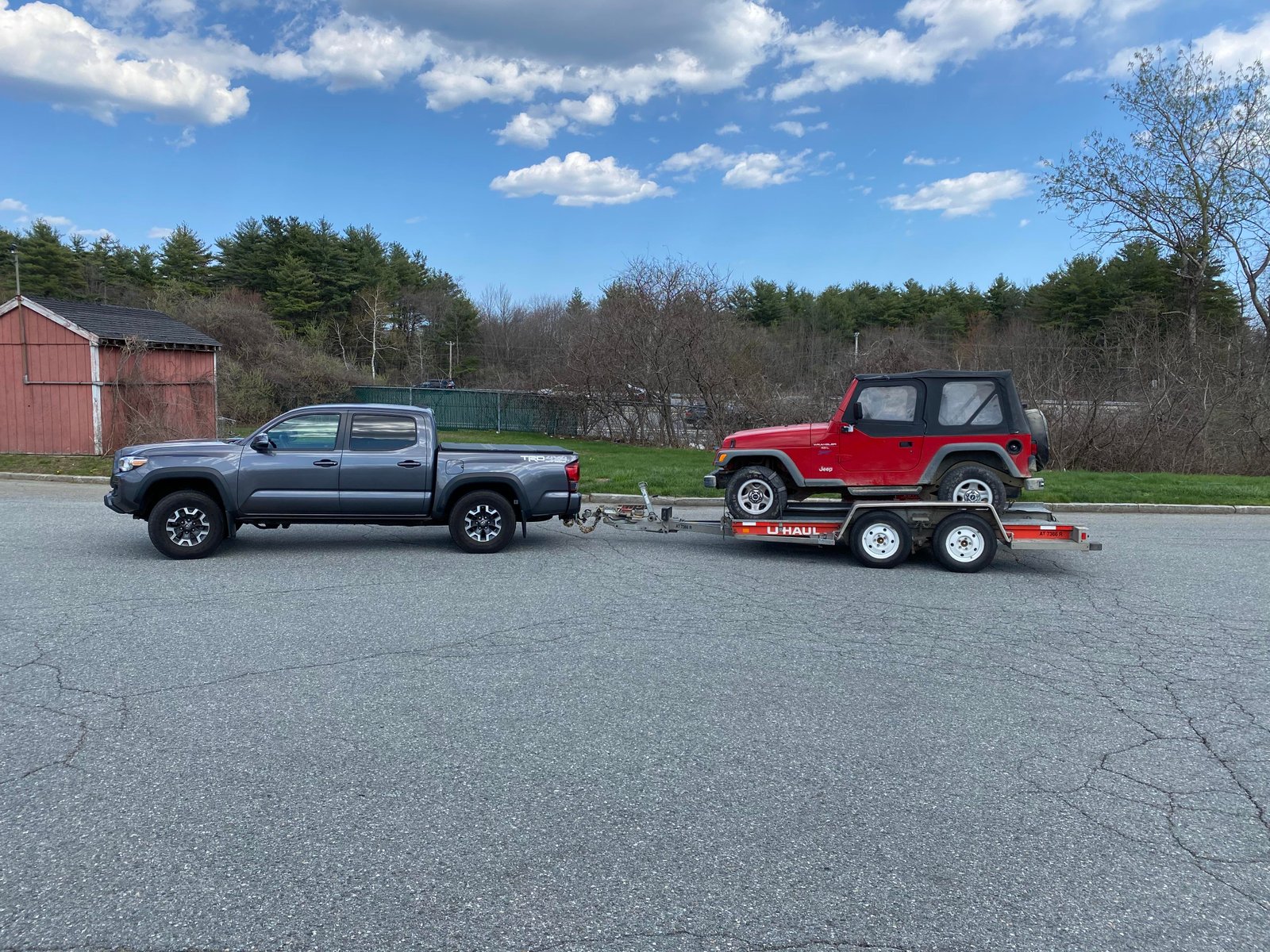
Towing a Jeep behind a truck is a common practice for road trips, off-road adventures, and moving vehicles across long distances. It sounds simple, but there are important steps and safety checks you need to follow to protect both vehicles and keep everyone safe.
Whether you’re a first-timer or have tried towing before, learning the right way makes a big difference. This guide will help you understand the best methods, key equipment, and practical tips for towing a Jeep behind a truck.
Choosing The Right Towing Method
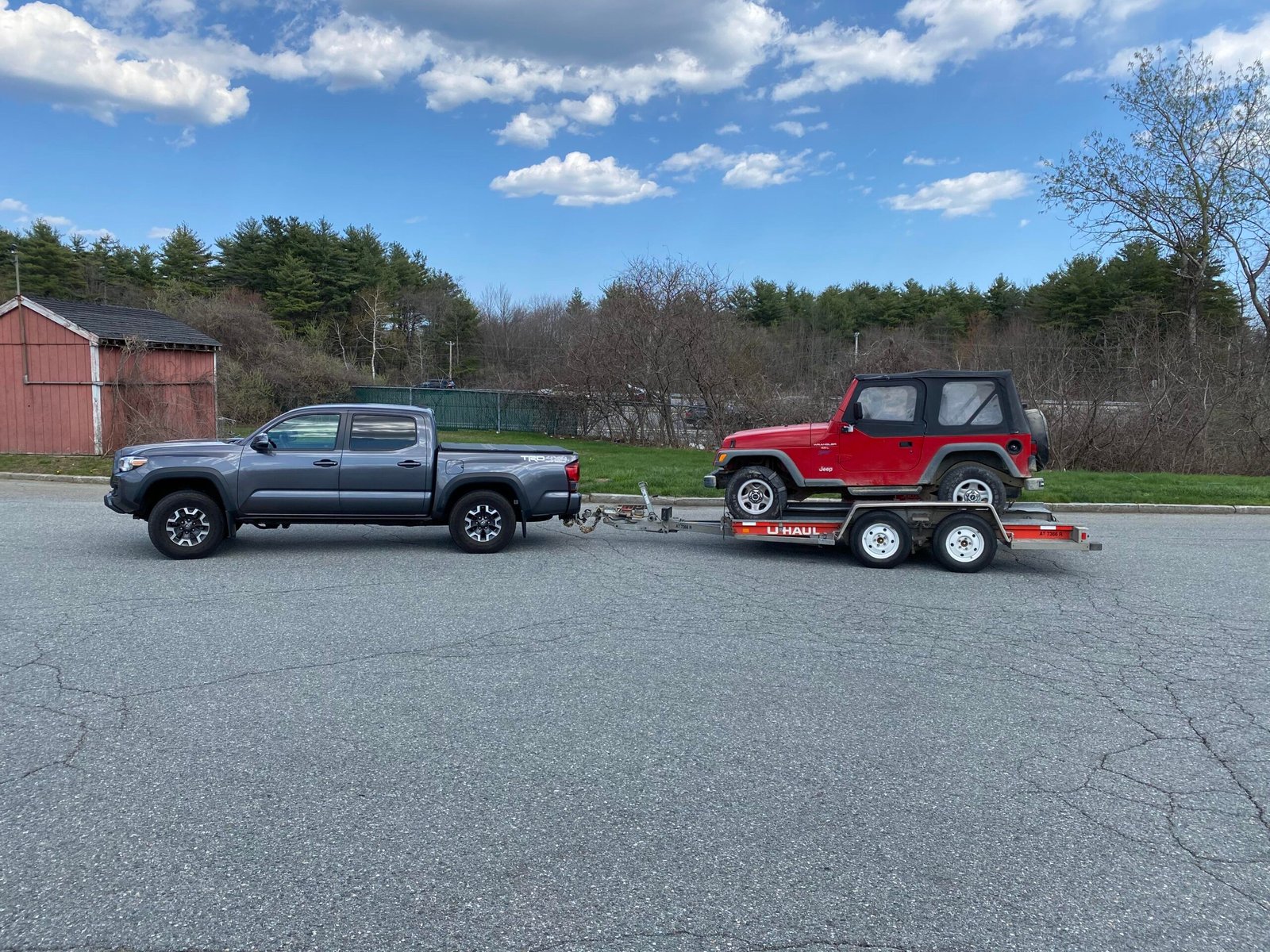
There are three main ways to tow a Jeep: flat towing, using a tow dolly, and trailer towing. Each method has its own advantages and challenges. The best choice depends on your Jeep model, your truck, and the distance you plan to travel.
| Towing Method | Pros | Cons |
|---|---|---|
| Flat Towing | Simple setup, less equipment | Not suitable for all Jeeps |
| Tow Dolly | Easy for front-wheel drive | Extra equipment, not for 4WD |
| Trailer Towing | Safe for all Jeeps | Heavy, needs strong truck |
Flat towing means all four wheels of the Jeep are on the ground. It’s popular for Jeeps with a manual transfer case because you can disconnect the drive. Tow dolly lifts the front wheels, good for front-wheel drive models. Trailer towing is safest for all Jeeps, especially if you’re unsure about your model’s towing compatibility.
Preparing Your Jeep And Truck
Before you start towing, your Jeep and truck must be ready. Missing steps here can cause damage or accidents.
Key Preparation Steps
1. Check Owner’s Manuals
Always read the manuals for both vehicles. Some Jeeps can’t be flat towed without damage. Manuals give specific instructions.
2. Inspect Towing Equipment
You need a tow bar for flat towing, a tow dolly or trailer for other methods. Make sure all equipment is rated for your Jeep’s weight.
3. Connect Safety Chains
Use strong safety chains between the Jeep and truck. These chains are a backup if the main connection fails.
4. Adjust Tire Pressure
Set tire pressure to recommended levels. Under-inflated tires increase risk of blowouts.
5. Check Lights And Signals
The Jeep’s brake lights and turn signals should work with the truck. Use a wiring harness if needed.
6. Transmission And Transfer Case Settings
For flat towing, follow the Jeep manual to set the transmission and transfer case correctly. Usually, you put the transfer case in neutral and the transmission in park.
| Preparation Step | Why It Matters |
|---|---|
| Check Manuals | Avoids costly damage |
| Inspect Equipment | Ensures safe towing |
| Safety Chains | Extra protection |
| Tire Pressure | Reduces risk of accidents |
| Lights/Signals | Legal and safe driving |
| Transmission Settings | Prevents drivetrain damage |
Step-by-step Towing Process
Now, let’s walk through the towing process. Most beginners miss small details that can lead to trouble later.
1. Park On Level Ground
Both vehicles should be on flat ground. This makes connecting easier and safer.
2. Attach Towing Equipment
Secure the tow bar, dolly, or trailer to your truck. Double-check all bolts and pins.
3. Connect The Jeep
Line up the Jeep with the towing equipment. Attach the tow bar to the Jeep’s base plate or bumper.
For a dolly, drive the Jeep’s front wheels onto it.
4. Hook Up Safety Chains And Wiring
Cross safety chains under the tow bar for extra protection. Connect wiring so the Jeep’s lights match the truck.
5. Set Transmission And Transfer Case
For flat towing, follow the exact steps in your Jeep’s manual. Some models require you to start the Jeep, shift the transfer case to neutral, then turn off the engine.
6. Test Everything
Check brakes, signals, and connections. Drive a few feet and re-check all attachments.
7. Drive Carefully
Start slow. Avoid sharp turns and sudden stops. Watch for swaying and check mirrors often.
Example: Towing A Jeep Wrangler
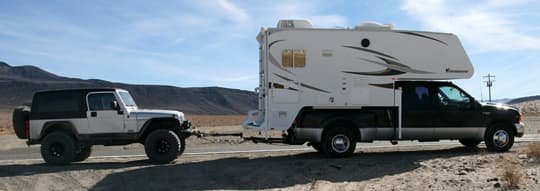
Many Jeep Wrangler owners tow their vehicle behind an RV or truck. Wranglers with manual transfer cases are easy to flat tow. Here’s how:
- Put the transmission in park (automatic) or in gear (manual)
- Set the transfer case to neutral
- Confirm the steering wheel is unlocked
- Attach tow bar and safety chains
- Connect wiring harness
This process takes about 20 30 minutes if you have the right equipment.
Common Mistakes And How To Avoid Them
1. Ignoring Weight Limits
Every truck has a maximum towing capacity. Overloading can cause brake failure or suspension damage.
2. Skipping Safety Chains
Chains are not optional. Without them, your Jeep could detach if the main connection breaks.
3. Wrong Transmission Settings
Always follow Jeep instructions. Wrong settings can ruin your transmission.
4. Poor Lighting Connections
Many states require working tail lights and turn signals. Failing to connect them can lead to fines and accidents.
5. Not Checking Equipment Regularly
Stop every 100 miles to check connections, chains, and tires. Many people forget this step and face issues later.
| Mistake | Impact | How to Avoid |
|---|---|---|
| Overloading | Vehicle damage | Know your truck’s towing limits |
| No Safety Chains | Risk of detachment | Always use chains |
| Wrong Settings | Transmission failure | Follow manual steps |
| Bad Lighting | Legal trouble | Test all lights |
| No Checks | Missed problems | Inspect every stop |
Practical Tips For Safe Towing
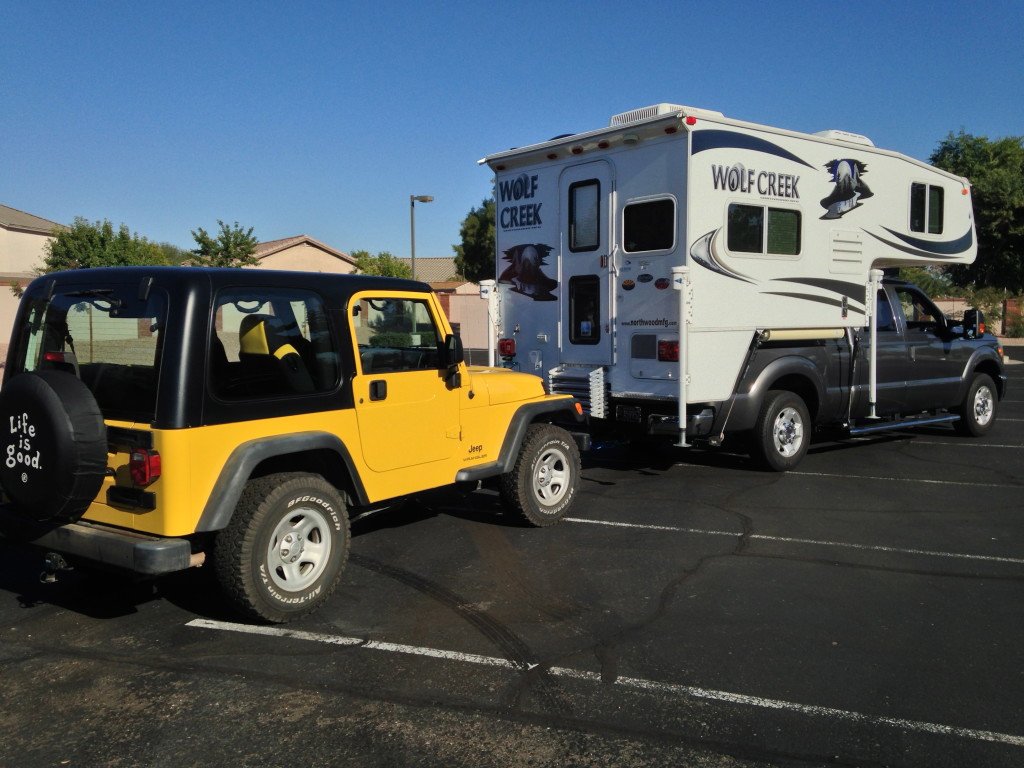
- Use a brake controller if your trailer or Jeep is heavy. It helps stop both vehicles smoothly.
- Plan your route to avoid steep hills and sharp turns.
- Carry spare parts: Extra pins, tire inflator, and tools.
- Practice towing in a parking lot before hitting the highway.
- Watch your speed. Most experts recommend 55 mph or less when towing.
For more details on towing vehicle types, check the official NHTSA guide.
Frequently Asked Questions
How Do I Know If My Jeep Can Be Flat Towed?
Check your owner’s manual. Most Jeeps with a manual transfer case can be flat towed, but some automatic models cannot.
What Is The Best Tow Bar For A Jeep?
Choose a tow bar rated for at least 5,000 pounds. Popular brands include Blue Ox and Roadmaster.
Do I Need A Braking System For The Jeep?
Yes, many states require a supplemental braking system for the vehicle being towed, especially if it weighs over 3,000 pounds.
Can I Tow A Jeep With All Four Wheels On The Ground?
You can if your Jeep is flat tow compatible. Always follow the recommended transmission and transfer case settings.
How Often Should I Check The Towing Equipment During A Trip?
Stop every 100 miles to inspect chains, connections, and tires. This prevents problems from developing unnoticed.
Towing a Jeep behind a truck is safe and simple if you follow these steps, use the right equipment, and take time to check everything. With careful planning and attention to detail, you can enjoy your trip without worry.