Ever asked, “How do I tell what size lift is on my Jeep?” This brief guide has you covered, revealing the steps to find out. Say goodbye to uncertainty and ensure your Jeep is lifted right for your off-road adventures!
The short answer, you need to do a measurement to determine the lift size of the kit. To do this, examine the Jeep’s body. Then, measure the tire diameter and fender height. If you need a new kit installed, it is recommended that it is installed by a professional.
Let’s take a look now at a detailed look at this process so you can do this with every Jeep you own in the future.
Understand Lift Kits for Jeeps
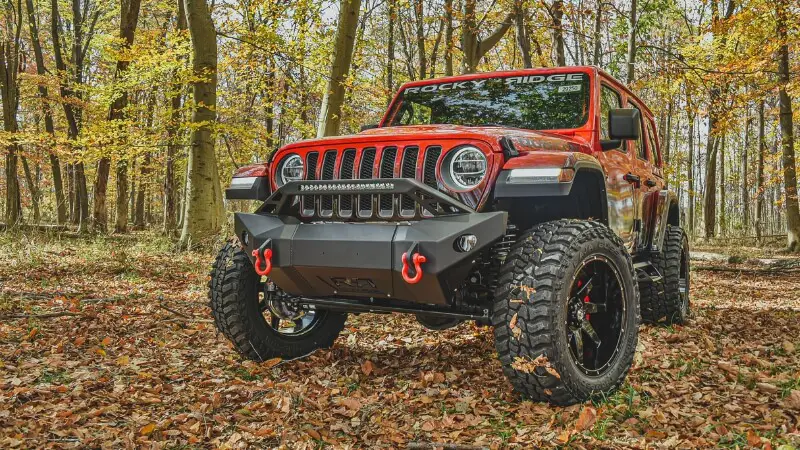
Before we dive into the measurement process, let’s quickly grasp the concept of lift kits for Jeeps. A lift kit is a set of components that are designed to raise the ride height of your jeep. This provides more clearance between the ground and the undercarriage.
The lift kits are primarily installed for off-road enthusiasts who seek better performance over rough terrains or want to accommodate larger tires. Jeep kits come in various sizes, typically ranging from 1 inch to 6 inches or even more.
The common lift kits include:
Spacer Lifts
These are the most affordable and straightforward lift kits, using polyurethane spacers to lift the Jeep’s body or suspension.
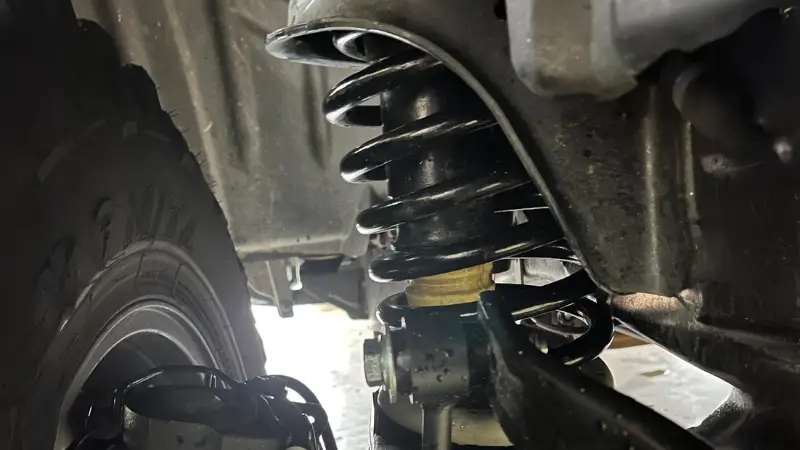
This is your most basic and cost-effective option for lifting a Jeep. These will be installed on your existing coil springs or Coilover shocks. These are designed to increase the distance between the frame and axles.
Coil Spring Lifts
This type replaces the Jeep’s stock coil springs with taller springs. It will provide increased ground clearance as a result.
The springs are heavier duty than their stock counterparts while providing better suspension articulation. If you plan on going off-road (albeit in mild terrain) with your Jeep, you probably won’t want to skip out on these.
Suspension Lifts
Suspension lift kits include various components like shocks, control arms, and track bars to lift the entire suspension system. They are the most comprehensive lift kit option for Jeeps.
The components include longer shocks, control arms, track bars, sway bar links, and other hardware to lift the entire suspension system.
Suspension lifts offer the most significant increase in ride height and are highly favored by serious off-road enthusiasts.
Body Lifts
Body lifts are a unique type of lift that raises the Jeep’s body relative to the frame. This lift kit includes spacer blocks that are placed between the body and the frame.
It will lift the entire body without altering the suspension. Body lifts are typically more straightforward to install than other lift kits but offer limited clearance compared to suspension lifts.

If you need to select a lift kit that will benefit you best, you want to consider the specific needs, budget and intended use. Kits such as simple spacers or coil springs will be good enough for driving on highways or mild off-road trails.
If you tend to go off-road more often than not, a comprehensive suspension lift will be the best option. Of course, you want to research the different lift kit brands before making a decision.
This includes reading customer reviews that go into detail about the kind of lift kit you are interested in.
Of course, it is also a good idea to know that safety and functionality should be a priority when modifying your Jeep’s suspension. So please invest in quality components and professional installation is crucial.
How To Tell What Size Lift Is On My Jeep: Step-by-Step Guide
Now that you have a good idea of the kind of lift kits that are available for Jeeps, it’s time to learn how to measure the size of your Jeep’s lift. Follow this step-by-step guide below to get started:
1. Examine Your Jeep’s Body
To begin, you want to park your Jeep on a level surface where you have ample space to walk around and inspect the vehicle. Visual inspection is the first step to identify any modifications or changes to the height ride.
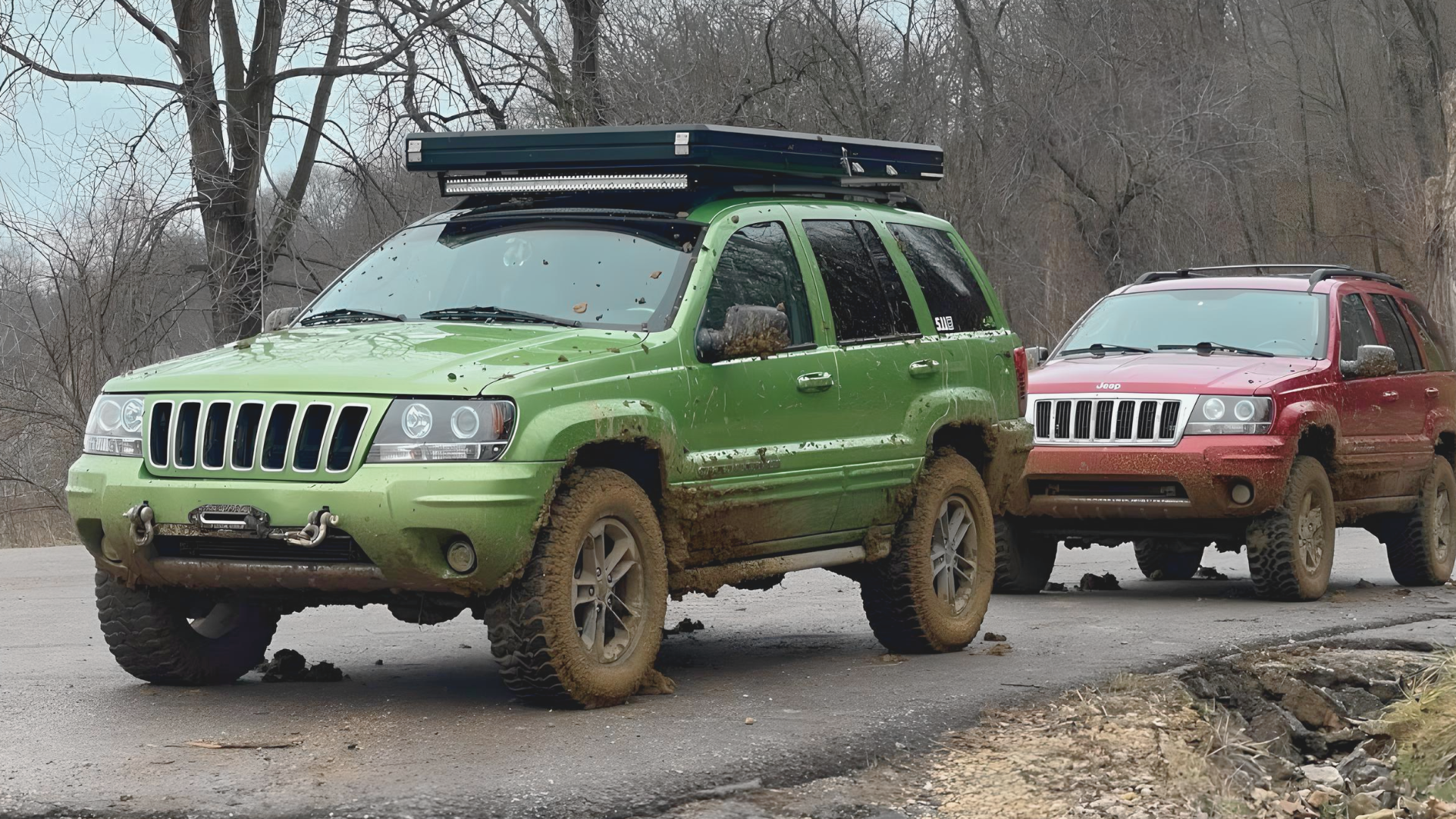
It’s important to look for the following indicators. First is the tire gap. Observe the space between the top of the tires and the fender flares. A larger gap suggests that the Jeep has been lifted.

Take note of the approximate difference between the stock height and the current tire gap. Once you have done so, you can move on to the next step of your examination.
That’s examining your suspension system for any aftermarket components like lift spacers, coil springs, or suspension lift components.
Some lift kits come with distinct features or colors that may help you identify them.
2. Check for Lift Kit Brand or Information
Inspect your Jeep thoroughly for any decals, stickers, or labels that provide information about the lift kit. Lift kit manufacturers often include labels with relevant details such as the lift size and specifications.
Look around the suspension components, under the hood, or on the rear of the vehicle for these clues.
They include the brand name of the lift kit manufacturer or company, the lift height (including the indicated inches such as two, three, or four), and the specific codes or part numbers that can help you identify the exact lift kit model.
3. Measure the Tire Diameter
While tire diameter alone won’t directly provide the lift size, it can still offer valuable information about the modifications made to the Jeep. Larger tires will often be fitted to lift the Jeeps to complement the increased ground clearance.
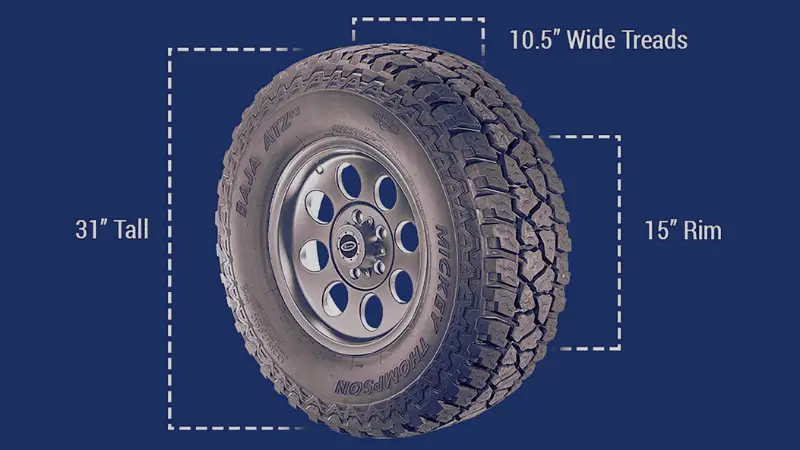
To measure the tire diameter, you’ll want to choose one of your Jeep’s tires. Before moving forward, make sure that it’s properly inflated and overly worn as it can hinder the measurements. You want it to be as accurate as possible.
Once you confirm that the tire is in good shape, you can park the Jeep on level ground. Place a tape measure or ruler against the ground and vertically measure from the bottom of the tire to the top tread. Record the measurement in inches.
Take note of these measurements as it will help make a selection for a new Jeep lift if you choose to make an upgrade.
4. Measure the Fender Height
Measuring the distance between the center of the wheel hub and the fender edge is a critical step in determining the lift size on your Jeep accurately. Repeat this measurement on all four corners of the vehicle.
To do this, you want to do the following:
- Prepare the Jeep: Ensure that it is parked on level ground and the tires are properly inflated.
- Locate the Wheel Hub: Identify the center of the wheel hub on one of the Jeep’s tires.
- Measure the Height: Place a tape measure or ruler vertically from the center of the wheel hub to the fender’s edge. Record the measurement in inches.
- Repeat the process: Perform the same measurements on all four corners of the Jeep. This will help you identify any differences in the lift height between the front and the rear.
5. Compare with Stock Measurements
After obtaining the fender height measurements, research the stock ride height and fender measurements for your specific Jeep model and trim.
This information is typically available in the Jeep owner’s manual or through online resources provided by the manufacturer.
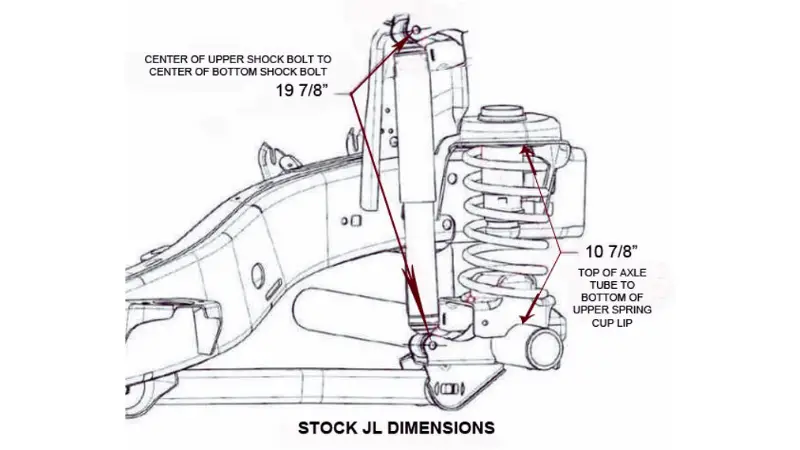
You’ll want to calculate the lift size for each corner as follows:
- First, subtract the stock fender height from the measured fender height for each corner of your Jeep.
- Compare the differences in measurements from the front and rear, as well as the left and right sides.
6. Consult with the Previous Owner or Dealer
If you have recently purchased a used Jeep and still have trouble determining the lift size, consider reaching out to the previous owner or contacting the dealer where the Jeep was purchased. They might have information about any modifications or lift kit installations.
7. Seek Professional Help
If you’re uncertain about the measurements or need expert guidance, take your Jeep to a professional mechanic or an off-road specialist. They have experience dealing with various Jeep models and lift kits and can help you accurately determine the lift size.
A professional will often be able to help install a new lift kit if you choose to have one done.
Conclusion
Knowing the size of the lift on your Jeep is important. Especially if you intend to keep it on-road or off-road. Regardless, there’s one that is the best possible fit.
You’ll want to find out which size is best for you before you decide to hit some rocky roads. Because you might have a lift kit that might not be able to sustain it – which can cause some trouble.
Did you check your Jeep’s lift size? If so, what is it? Are you intending to make an upgrade that fits your intent or purpose?