When your car feels different while driving, it’s easy to ignore small changes. But if your steering starts acting up, the cause could be serious.
The rack and pinion is a key part in your car’s steering system. When it goes bad, it affects how your car handles, how safe you are, and sometimes even how long your car lasts.
Knowing the signs early can save you money and prevent dangerous situations on the road.
What Is A Rack And Pinion?
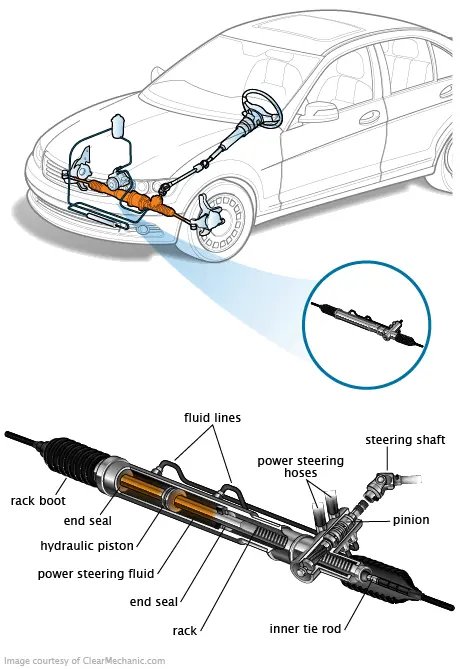
The rack and pinion is a steering gear that helps turn your vehicle’s wheels when you move the steering wheel. It uses a circular gear (the pinion) that meshes with a linear gear (the rack). This setup turns the round movement of the steering wheel into the left or right motion that turns your tires.
Most modern cars, especially front-wheel-drive vehicles, use this system because it’s simple, reliable, and gives good feedback to the driver. However, it can still wear out or break over time.
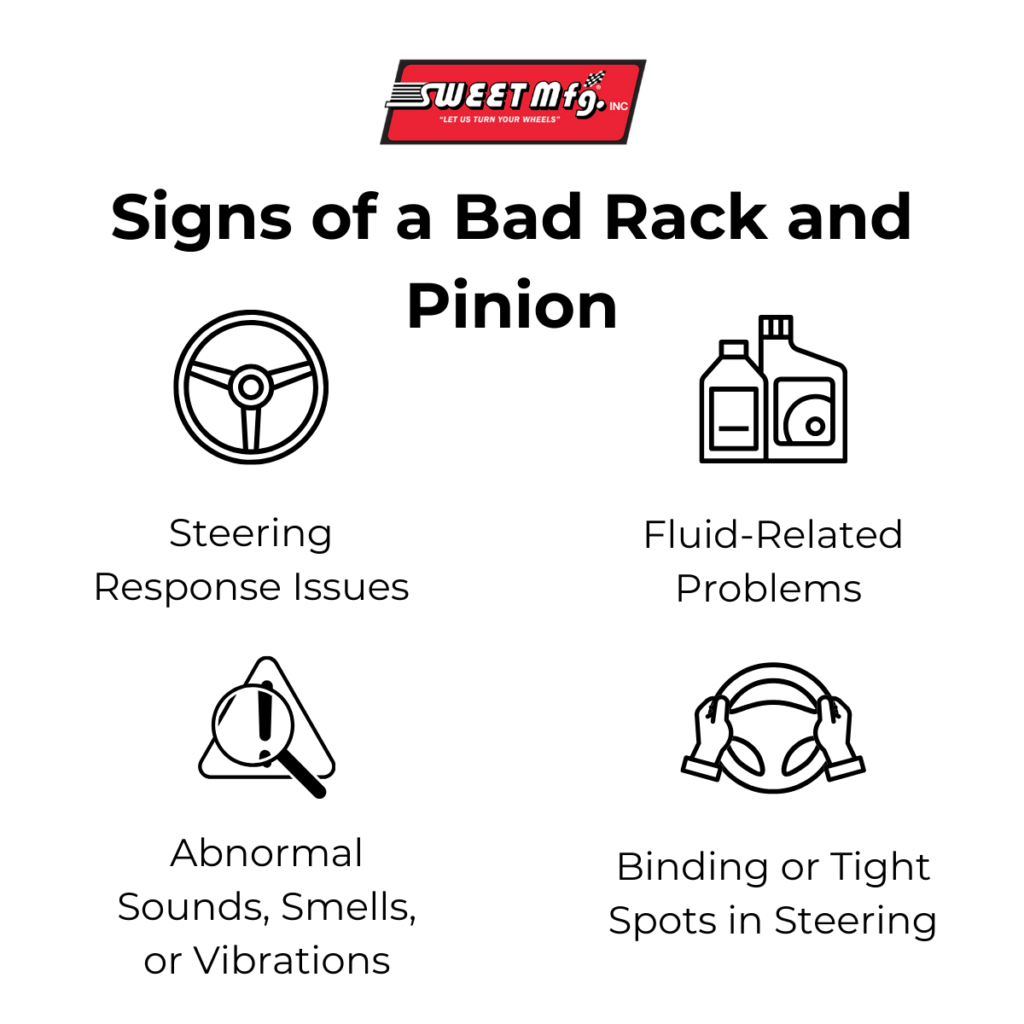
Common Signs Your Rack And Pinion Is Bad
Spotting a problem early is critical. Here are the most common symptoms that suggest your rack and pinion may be failing:
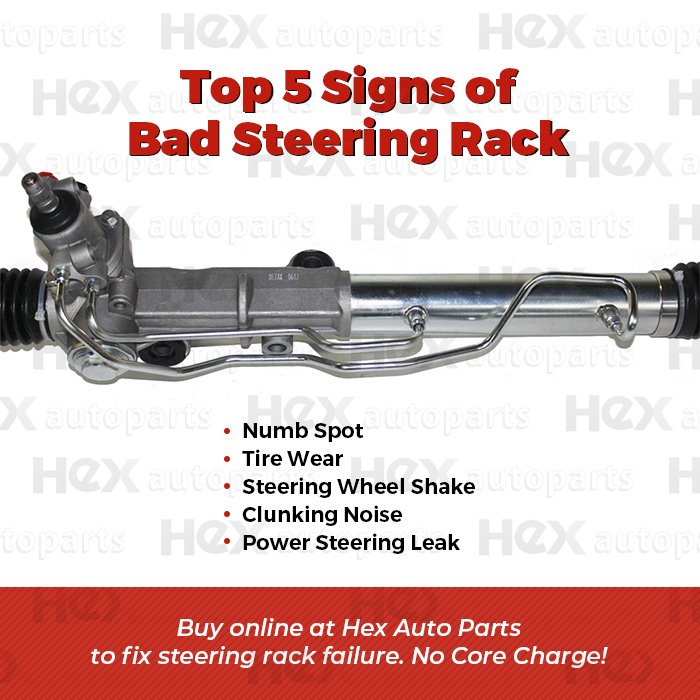
1. Steering Feels Loose Or Tight
If your steering wheel feels looser than usual or you notice extra play, the rack and pinion may have worn out. On the other hand, if steering suddenly feels very stiff, it could mean the mechanism is binding due to internal damage.
2. Unusual Noises When Turning
Listen for clunking, knocking, or grinding noises when you turn the wheel. This often means the gear teeth or bushings inside the rack and pinion are worn or broken.
3. Leaking Power Steering Fluid
Look under your car for red or pink fluid near the front wheels or under the engine. The rack and pinion uses power steering fluid, and leaks often mean the internal seals are damaged.
4. Vibration In The Steering Wheel
If you feel a vibration or shaking in the steering wheel, especially when turning, this can point to a failing rack and pinion. Sometimes, the problem is worse at certain speeds or only when you go over bumps.
5. Uneven Tire Wear
A worn rack and pinion can cause the wheels to be misaligned. This leads to uneven or rapid tire wear. Check your tires regularly for signs of this problem.
6. Steering Wheel Doesn’t Return To Center
After making a turn, the steering wheel should return to center by itself. If it doesn’t, or it feels slow to do so, the rack and pinion could be binding or damaged.
How Mechanics Diagnose A Bad Rack And Pinion
A professional mechanic will use a combination of visual checks, road tests, and specific tools to confirm the problem. Here’s a quick overview of what they do:
| Test/Check | What It Reveals | Tools Used |
|---|---|---|
| Visual inspection | Leaks, broken boots, damage | Flashlight, lift |
| Steering response test | Loose or stiff steering | Test drive |
| Fluid check | Low or dirty power steering fluid | Dipstick, rag |
| Wheel alignment | Tire wear, misalignment | Alignment machine |
Sometimes, mechanics use a stethoscope to listen for internal noises or a pressure gauge to check the power steering system.
What Causes Rack And Pinion Failure?
Several factors can lead to rack and pinion problems:
- Normal wear and tear: Over time, gears and seals wear out.
- Lack of maintenance: Not changing the power steering fluid allows dirt to damage the system.
- Physical damage: Hitting a curb or pothole can bend or break parts.
- Leaking seals: Age and heat can cause seals to crack and fail.
- Contaminated fluid: Metal particles or debris in fluid cause faster wear.
How A Bad Rack And Pinion Affects Your Car
Ignoring the problem can lead to bigger issues. Here’s how a faulty rack and pinion impacts your vehicle:
| Issue | Potential Effect | Long-Term Risk |
|---|---|---|
| Leaking fluid | Hard steering, pump damage | Complete loss of steering assist |
| Loose steering | Poor control | Accident risk |
| Misalignment | Uneven tire wear | Expensive repairs |
Diy Checks You Can Do At Home
Before you visit a shop, try these simple checks:
- Check for leaks: Look under the car after parking overnight.
- Test steering response: Turn the wheel with the car on and off. Notice any stiffness or noise.
- Inspect tires: Run your hand over the tires. Feel for uneven wear or bald spots.
- Listen for noises: With windows down, turn the wheel slowly and listen for clicks or clunks.
One less obvious tip: If you recently had wheel alignment or new tires and steering got worse, ask the shop to double-check their work. Sometimes, a new problem appears after unrelated repairs.
Repair Or Replace: What’s Next?
If you confirm your rack and pinion is bad, you must decide between repair and replacement:
- Repair: Sometimes, replacing seals or boots fixes small leaks. This is cheaper but only works for minor issues.
- Replacement: Most rack and pinion problems require replacing the whole unit. Costs can range from $400 to $1,500, depending on car make and model.
Here’s a basic cost comparison:
| Fix Type | Average Cost (Parts + Labor) | Success Rate |
|---|---|---|
| Seal/boot repair | $150–$400 | Low (temporary fix) |
| Full replacement | $700–$1,500 | High (long-term solution) |
A common mistake is to keep topping up power steering fluid to avoid repair. This only delays the problem and can damage other parts.
When To Get Professional Help
If you notice any of the warning signs above, see a mechanic as soon as possible. Never drive with steering problems if you feel unsafe.
Waiting can cause an accident or much higher repair costs.
For more technical details on rack and pinion systems, you can check the Wikipedia page.
Frequently Asked Questions
How Long Does A Rack And Pinion Usually Last?
Most last 100,000 to 150,000 miles with normal use and regular maintenance. Hard driving or poor roads can shorten their life.
Can You Drive With A Bad Rack And Pinion?
It’s possible, but not safe. Steering can fail suddenly, making it hard to control your car.
What’s The Difference Between Rack And Pinion And Recirculating Ball Steering?
Rack and pinion is common in modern cars, offering precise control. Recirculating ball is used in some trucks and older vehicles, and feels less direct.
Does A Bad Rack And Pinion Affect Alignment?
Yes, it can cause or worsen misalignment, leading to uneven tire wear and poor handling.
Is Replacing A Rack And Pinion A Diy Job?
For most people, no. It needs special tools, lifting the car, and careful alignment afterward. It’s best left to professionals.
Spotting rack and pinion problems early keeps you safe and saves money. If you notice any warning signs, act quickly your car and your safety depend on it.


















