If you’re new to Jeeps or just bought a used one, you might wonder if it’s been lifted. A lifted Jeep sits higher than stock, giving it better ground clearance and a more aggressive look. But how can you tell if your Jeep is lifted? Sometimes, the signs are obvious. Other times, you need a closer look. This guide will help you spot a lift, compare your Jeep with factory specs, and understand what a lift means for your vehicle.
What Does “lifted” Mean?
A lifted Jeep has its suspension or body raised above the factory height. This is usually done to fit larger tires, improve off-road ability, or change the Jeep’s appearance. There are two main types:
- Suspension lift: Raises the Jeep by changing springs, shocks, or other suspension parts.
- Body lift: Adds spacers between the body and frame, lifting the body but not the suspension.
The amount of lift is measured in inches—common sizes are 2-inch, 3-inch, or even 6-inch lifts.
Visual Signs Your Jeep Is Lifted
Some signs are easy to see. Here’s what to look for:
- Large gap between tires and fenders
- Bigger tires (usually more than 31 inches)
- Aftermarket suspension parts like longer springs or shocks
- Visible spacers under the body
Take a look at your Jeep from the side. Compare it to other Jeeps of the same model.
If yours looks taller, it might be lifted.

Measuring Ride Height
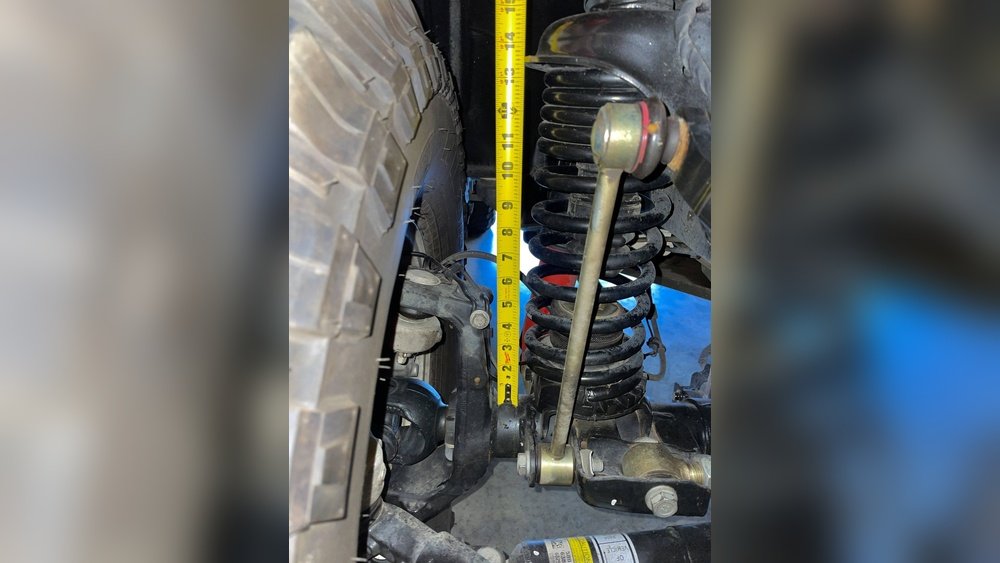
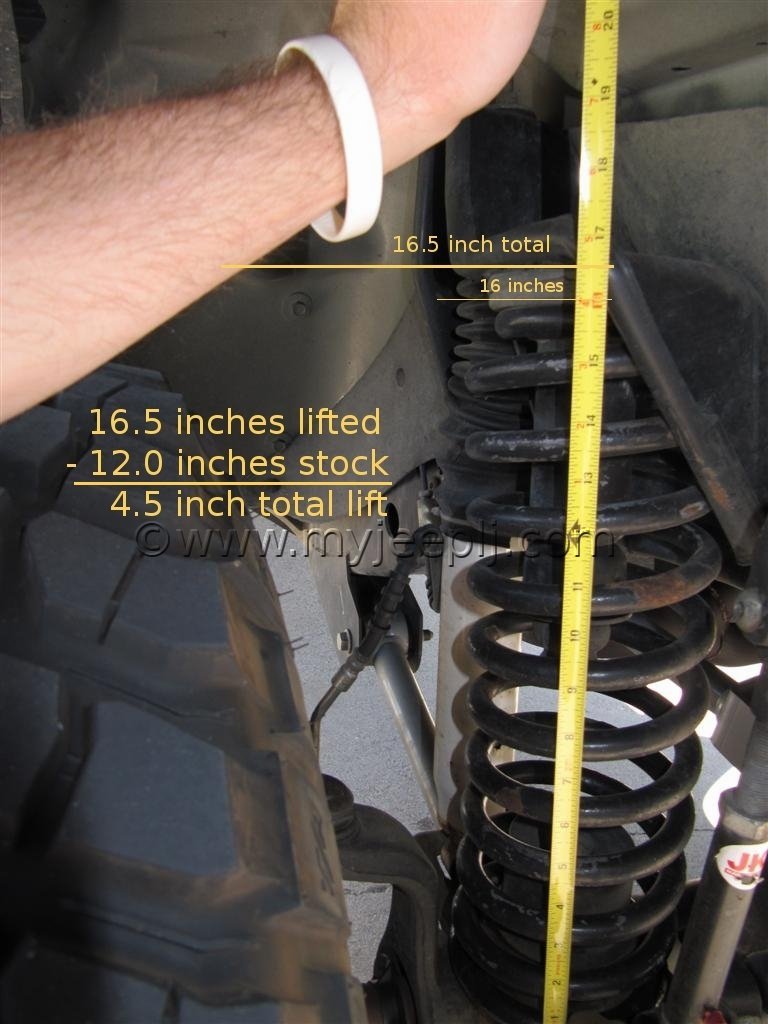
To check if your Jeep is lifted, measure the ride height. This means measuring from the ground to certain parts of your Jeep and comparing it to factory measurements.
Here’s how:
- Park your Jeep on level ground.
- Measure from the ground to the bottom of the fender above each wheel.
- Write down the numbers.
Now, compare your results with the stock specifications. Here’s a sample comparison for a Jeep Wrangler (JK):
| Model | Stock Fender Height (Front) | Stock Fender Height (Rear) | Your Measurement |
|---|---|---|---|
| Wrangler JK | 34 inches | 36 inches | ? |
| Wrangler JL | 35 inches | 37 inches | ? |
If your numbers are more than 2 inches higher, your Jeep is likely lifted.
Checking Tire Size
Lifted Jeeps often have larger tires. Most stock Wranglers come with 29–31 inch tires. If your Jeep has 33-inch, 35-inch, or even 37-inch tires, it probably has a lift kit.
Check the sidewall of your tire for numbers like “33×12. 50R15.
” The first number (33) is the tire diameter in inches.
Here’s a quick comparison:
| Tire Size | Stock? | Lift Needed? |
|---|---|---|
| 29–31 inch | Yes | No |
| 33 inch | No | Yes (2+ inches) |
| 35 inch | No | Yes (3+ inches) |
Some beginners miss this detail: bigger tires usually mean a lift, but sometimes people cut the fenders instead of lifting the Jeep. Always check both the tires and the gaps above them.
Inspecting Suspension Parts
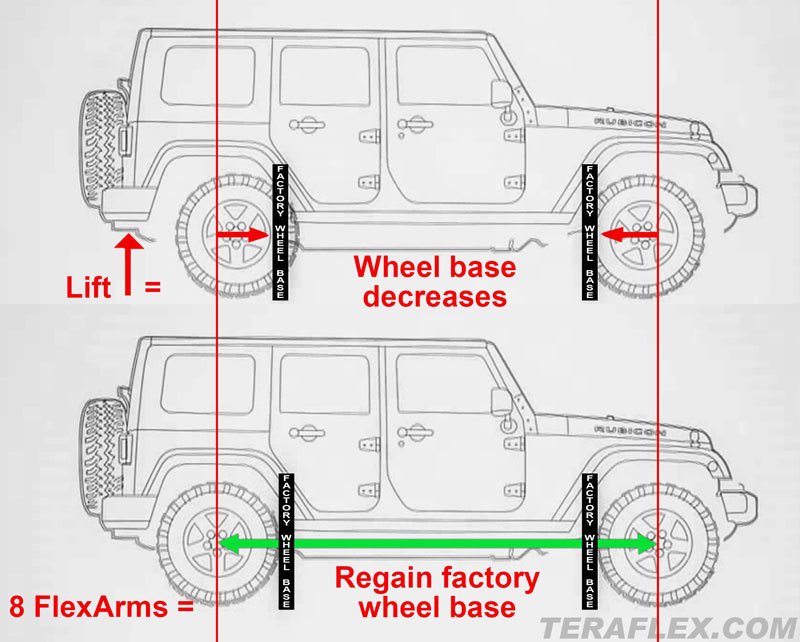
Look underneath your Jeep. Factory suspension parts are usually black and simple. Lift kits add aftermarket springs, longer shocks, and sometimes control arms. If you see bright colors, thick springs, or parts with brand logos like “Rubicon Express” or “Teraflex,” your Jeep probably has a lift.
Another clue: spacers above the springs. These are round discs that add height. If you see them, your Jeep has at least a body lift.
| Suspension Part | Stock Appearance | Lifted Appearance |
|---|---|---|
| Springs | Thin, black | Thicker, colored |
| Shocks | Short, plain | Longer, branded |
| Spacers | None | Visible discs |
Comparing With Factory Specs
Every Jeep model has factory ride height numbers. You can find these on Jeep’s official website or in your owner’s manual. For example, the Jeep Wrangler JL has a stock ground clearance of 10.8 inches.
If your Jeep’s ground clearance is much higher (12 inches or more), it’s likely lifted. Use a tape measure to check from the ground to the lowest point of the frame.
For deeper specs, visit the official Jeep Wrangler Specs page.
Other Clues To Watch For
Sometimes, the lift is not obvious. Here are some extra signs:
- Steering feels different: Lifts can change how your Jeep handles.
- Drivetrain angles: A lifted Jeep may need new driveshafts or drop brackets.
- Aftermarket bump stops: These are added to control suspension travel.
- Raised bumpers: Some lifts require changing bumper height.
A common mistake is confusing a shackle lift (on older Jeeps) with a suspension lift. Shackles are simple metal pieces that raise the rear but may affect handling.
What If Your Jeep Is Lifted?
If your Jeep is lifted, there are some things to keep in mind:
- Handling: A lift changes how your Jeep drives, especially on highways.
- Maintenance: Lifted Jeeps need more checks on steering, suspension, and alignment.
- Insurance: Some companies charge more for modified vehicles.
Beginners often forget to check for alignment issues after a lift. Always get your Jeep checked by a mechanic if you suspect a lift.
Frequently Asked Questions
How Do I Know If My Jeep Has A Suspension Or Body Lift?
Look under the Jeep. Suspension lifts have bigger springs and shocks. Body lifts use spacers between the body and frame. If you see spacers but stock springs, it’s a body lift.
Does A Lift Kit Affect My Jeep’s Warranty?
Yes, most lift kits void part of the factory warranty. Always check your warranty details before installing or buying a lifted Jeep.
Can I Return My Jeep To Stock Height?
Usually, yes. Removing the lift kit and reinstalling factory parts will return your Jeep to original height. However, it may cost time and money.
Will A Lifted Jeep Use More Gas?
Yes, a lifted Jeep often uses more fuel. Bigger tires and higher ride height increase wind resistance and weight.
Is A Lifted Jeep Better For Off-roading?
A lift improves ground clearance and lets you use bigger tires. This helps off-road, but changes handling and stability. Make sure the lift is done right for safety.
Spotting a lifted Jeep isn’t hard if you know what to look for. Use measurements, check tire sizes, and inspect the suspension.
Compare your Jeep with factory specs for the clearest answer. Whether you want a lifted Jeep or prefer stock, understanding the signs will help you make smart choices for your ride.


















