If you’ve ever looked at your Jeep and wondered, “Is my Jeep lifted? ” you’re not alone.
Many Jeep owners buy used vehicles or inherit them, and it’s not always obvious if the suspension has been modified. A lifted Jeep stands taller, handles differently, and opens up new possibilities for off-road adventures.
But knowing for sure whether your Jeep is lifted and by how much matters for safety, maintenance, and even legal reasons. This guide will help you confidently check if your Jeep is lifted, explain what to look for, and share tips that most beginners miss.

What Does “lifted” Mean For A Jeep?
When people talk about a lifted Jeep, they mean the vehicle’s suspension or body has been raised higher than factory height. This is usually done to fit larger tires, improve ground clearance, or change the Jeep’s look. There are two main types: suspension lifts and body lifts.
- Suspension lift: Raises the whole vehicle by changing springs, shocks, or other suspension parts.
- Body lift: Adds spacers between the body and frame, lifting only the body.
Suspension lifts are more common and affect both appearance and performance. Body lifts are cheaper but only give a small height increase.
Signs Your Jeep Might Be Lifted
It’s not always easy to spot a lift, especially if you’re new to Jeeps. Here are clear signs to check:
1. Unusually Large Tires
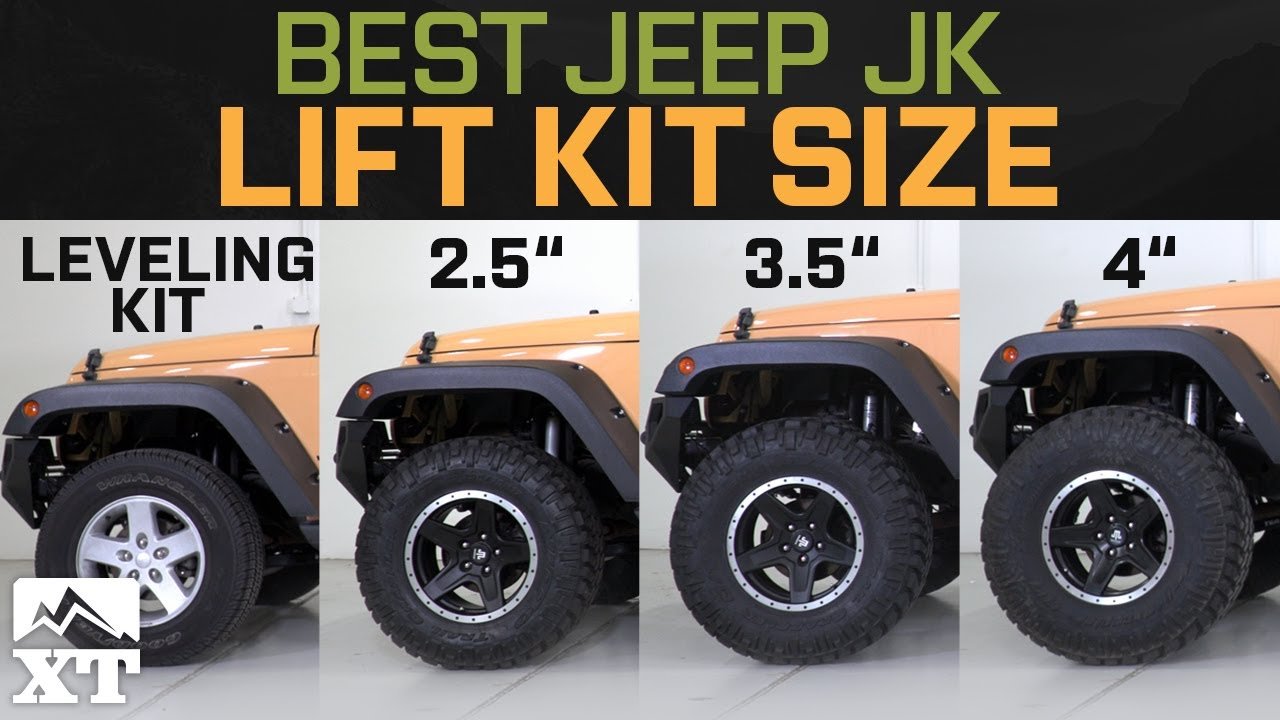
Most stock Jeeps use 31-inch or smaller tires. If your Jeep has 33-inch, 35-inch, or even bigger tires, a lift is almost always needed.
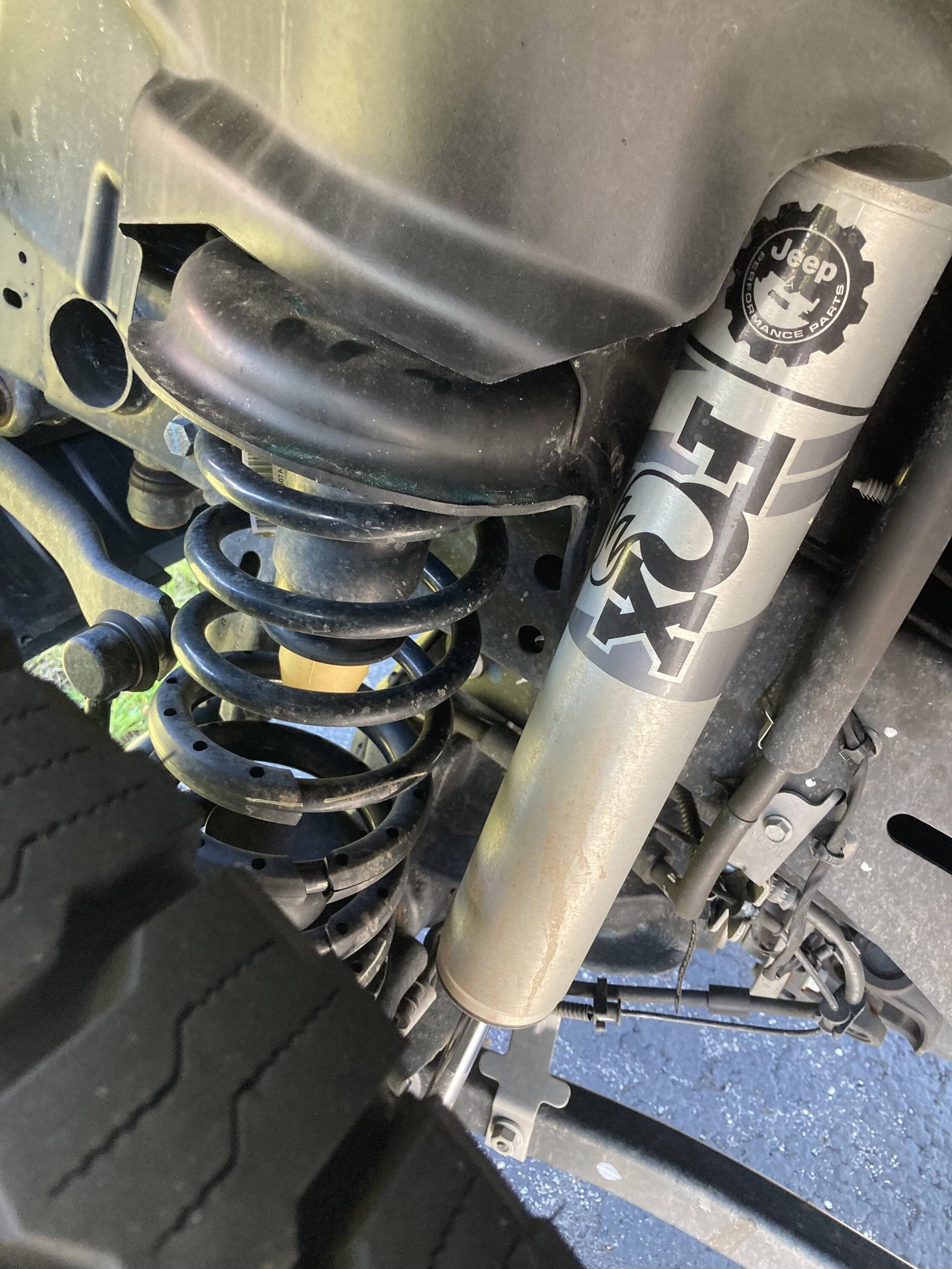
2. Visible Aftermarket Suspension Parts
Look for aftermarket shocks, springs, or control arms. These usually look newer, are painted bright colors, or have brand logos.
3. Increased Wheel Well Gap
If there is a bigger space between the tire and the fender, this is a common sign. Compare with stock Jeep photos to check.
4. Higher Ride Height
Measure from the ground to the bottom of the doors or bumpers. If it feels taller than other Jeeps, your vehicle may be lifted.
5. Body Spacers
Check between the body and frame for plastic or metal spacers. This is a sign of a body lift.
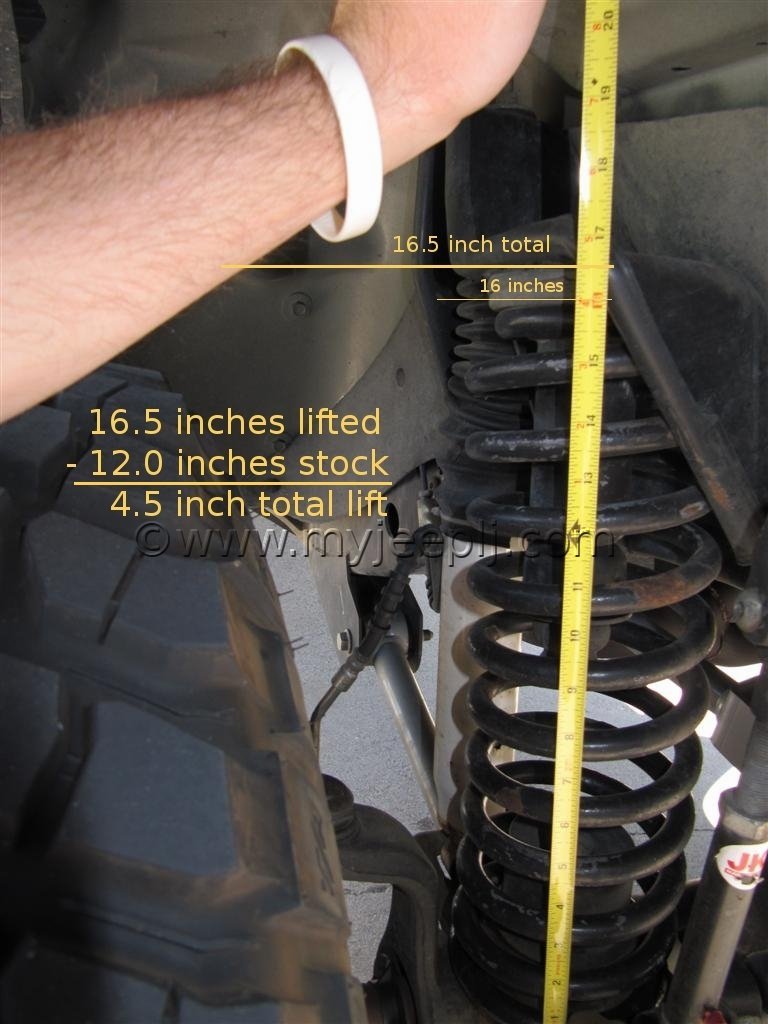
Measuring Lift Height: Quick Methods
You can use simple tools to find out how much lift your Jeep has. Here’s how:
Compare With Factory Specs
Every Jeep model has a factory ground clearance. Here’s a useful comparison:
| Jeep Model | Stock Ground Clearance (inches) | Common Lifted Height (inches) |
|---|---|---|
| Wrangler JK | 8.3 | 10-15 |
| Cherokee XJ | 8.4 | 10-13 |
| Grand Cherokee | 8.6 | 10-14 |
If your Jeep’s clearance is noticeably higher, it’s likely lifted.
Measure From Ground To Fender
Use a tape measure to check the height from the ground up to the fender (wheel arch). Compare your measurement to the factory spec for your model.
| Model | Stock Fender Height (inches) | Lifted Fender Height (inches) |
|---|---|---|
| Wrangler JK Front | 34 | 36-40 |
| Cherokee XJ Front | 31 | 33-37 |
A difference of 2 inches or more usually means your Jeep is lifted.
Tire Size Vs. Lift Height
The size of your tires can also tell you a lot. Here’s a simple table:
| Tire Size (inches) | Minimum Required Lift (inches) |
|---|---|
| 33 | 2 |
| 35 | 3.5 |
| 37 | 4.5 |
If your Jeep has 35-inch tires, you likely have at least a 3-inch lift.
Common Beginner Mistakes
Many new Jeep owners make errors when checking for lifts. Here are some to avoid:
- Confusing body lifts with suspension lifts. Body lifts do not improve off-road performance.
- Forgetting to measure with the Jeep on level ground. Uneven surfaces give false readings.
- Not considering aftermarket bumpers or accessories. These can make a Jeep look taller but don’t count as a lift.
Another mistake is trusting just the visual gap. Sometimes, worn springs or sagging suspension can hide a lift.
Real-world Examples
Let’s look at two examples:
- Wrangler with 35-inch tires and red springs: This Jeep is likely lifted about 3.5 inches. The red springs are aftermarket, and the large tires wouldn’t fit without a lift.
- Cherokee with 32-inch tires and black spacers between body and frame: This is probably a 1.5-inch body lift. The spacers are clear, and the tires are just a bit bigger than stock.
Why Knowing Lift Status Matters
Understanding if your Jeep is lifted is important for several reasons:
- Safety: Lifted vehicles handle differently and need special attention to steering and braking.
- Insurance: Some companies require you to report modifications.
- Legal: Some states limit how high you can lift a vehicle.
- Maintenance: Lifted Jeeps may need more frequent checks, especially for suspension parts.
Knowing the type and height of your lift makes shopping for parts and accessories easier.
Extra Insights Most People Miss
- Suspension geometry changes: A suspension lift affects the angles of your Jeep’s steering and driveshafts. This can cause problems if not corrected with extra parts like track bars or driveshaft spacers.
- Effects on resale value: Lifts can increase or decrease value depending on buyer preference. Some buyers see a lift as a bonus, others as a risk.
When You Need Expert Help
If you’re still unsure, ask a mechanic or use a Jeep forum to compare photos and specs. Many Jeep shops can measure and identify your lift for a small fee. For more technical info, visit the Jeep Wrangler Wikipedia page.
Frequently Asked Questions
How Can I Tell If My Jeep Has A Suspension Or Body Lift?
Check under your Jeep. Suspension lifts change springs and shocks. Body lifts use spacers between the body and frame. Look for colored or branded parts—these are usually aftermarket.
Will A Lifted Jeep Affect My Driving?
Yes. Lifted Jeeps often feel stiffer and handle differently, especially at high speeds. You may notice more body roll and a higher center of gravity.
Is Lifting A Jeep Legal Everywhere?
No. Some states set limits on lift height or bumper height. Always check local laws before making changes.
Can I Fit Bigger Tires Without Lifting My Jeep?
Only slightly bigger tires. Major tire upgrades (like 33-inch or more) usually require at least a small lift to avoid rubbing.
Does A Lift Kit Affect My Warranty?
Yes, sometimes. Aftermarket lift kits can void parts of your Jeep’s warranty, especially related to suspension or drivetrain. Check with your dealer first.
Spotting a lift on your Jeep doesn’t need special tools or deep knowledge just careful observation and some simple measurements. With the steps above, you’ll know if your Jeep is lifted and what that means for your adventures.
Whether you’re planning upgrades or just curious, understanding your Jeep’s status is the first step to safe and fun driving.