A seized engine is a serious problem that can leave your vehicle completely immobile. For car owners and mechanics alike, recognizing the signs of a seized engine early can save time, money, and stress.
This guide will help you understand what a seized engine is, how to spot the symptoms, and what steps you should take next.
What Does “engine Seized” Mean?
When people say an engine is “seized,” they mean the internal components can no longer move. Usually, this happens because of a lack of lubrication, overheating, or mechanical failure. The pistons, crankshaft, or connecting rods may be stuck, preventing the engine from turning over at all.
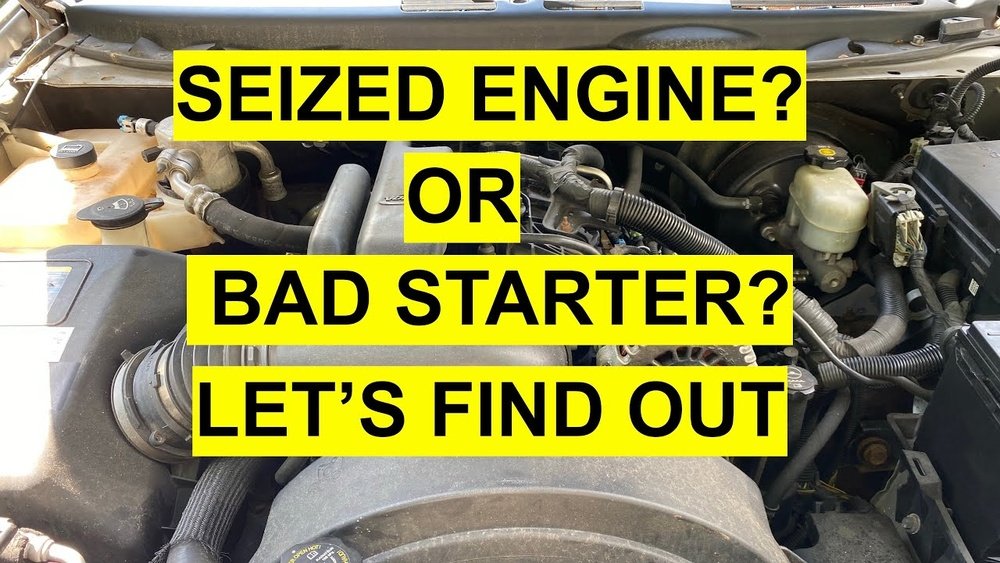
Key Signs Your Engine Might Be Seized
Knowing the symptoms of a seized engine is vital. Here are the most common signs you may notice:
- Engine Won’t Turn Over: When you try to start the car, the starter may click, but the engine itself does not move.
- Unusual Noises: Loud knocking, grinding, or clunking sounds can mean parts inside the engine have locked up.
- Burnt Smell or Smoke: Seized engines often create a strong burnt oil smell or visible smoke under the hood.
- No Engine Movement by Hand: If you try to turn the crankshaft manually using a wrench and it won’t budge, this is a strong sign of seizure.
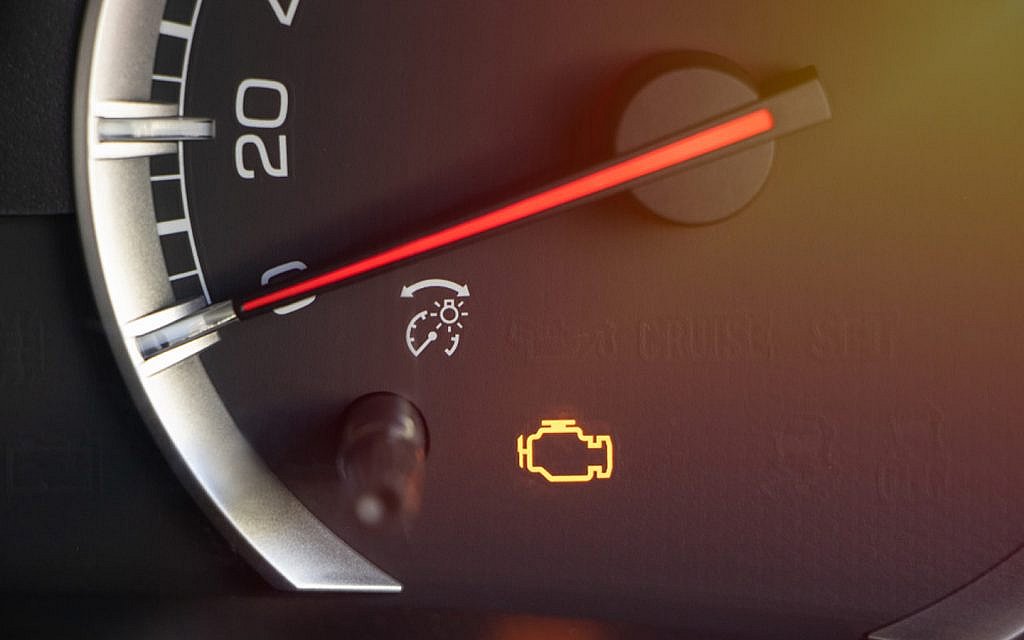
- Dashboard Warning Lights: The oil or temperature warning lights may have come on before the engine seized.
Let’s compare typical symptoms of a seized engine with those of a dead battery or starter issue:
| Symptom | Seized Engine | Dead Battery/Starter |
|---|---|---|
| No engine movement | Yes | Yes |
| Loud clunking noise | Yes | No |
| Burnt smell/smoke | Yes | No |
| Lights dim/fade | No | Yes |
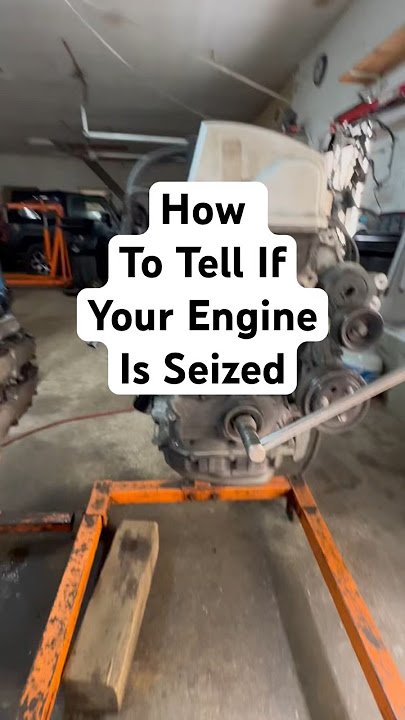
Step-by-step: How To Check If An Engine Is Seized
Before you panic, follow these steps to confirm if your engine is truly seized:
1. Rule Out Battery And Starter Problems
Try turning on the headlights or the dashboard lights. If these are dim or do not work, your battery might be dead, not your engine.
2. Attempt To Start The Car
Listen closely for:
- Clicking: Could be a battery or starter issue.
- Single loud clunk: More likely a seized engine.
3. Try Turning The Engine By Hand
Locate the crankshaft pulley under the hood. Use a wrench or socket to try to turn it clockwise. If it does not move at all, the engine is probably seized.
4. Check For Oil
Remove the oil dipstick. If there is no oil or the oil is thick and burnt, lack of lubrication may have caused the seizure.
5. Look For Visual Damage
Inspect the engine for melted parts, broken belts, or leaked fluids. Severe internal damage may show signs outside the engine too.
Common Causes Of Engine Seizure
Understanding why engines seize helps prevent future problems. The most frequent causes include:
- Oil starvation: Running the engine with low or no oil.
- Overheating: Coolant loss or failed cooling system.
- Hydrolock: Water enters cylinders, preventing piston movement.
- Broken internal components: Such as snapped timing belts or connecting rods.
Here’s a quick comparison of how these causes affect the engine:
| Cause | Immediate Effect | Long-Term Damage |
|---|---|---|
| Oil starvation | Friction, heat buildup | Piston/cylinder welding |
| Overheating | Metal expansion | Warped head/gaskets |
| Hydrolock | Piston stops moving | Bent rods, cracked block |
| Broken parts | Sudden stop | Catastrophic failure |
Non-obvious Signs And Tips
Many beginners overlook these important clues:
- Starter Heating Up: If your starter motor gets hot after trying to start the car, it’s working too hard, possibly due to a seized engine.
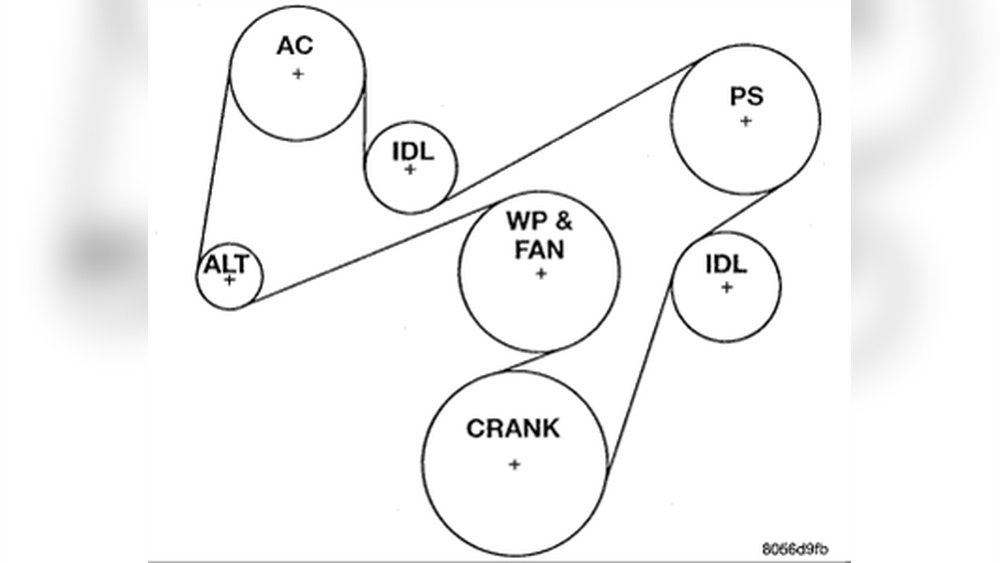
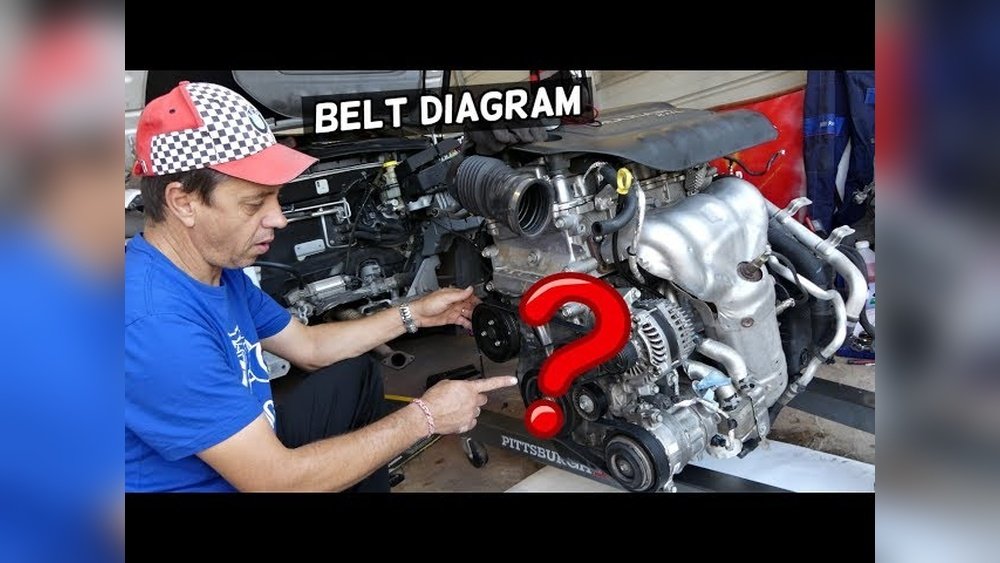
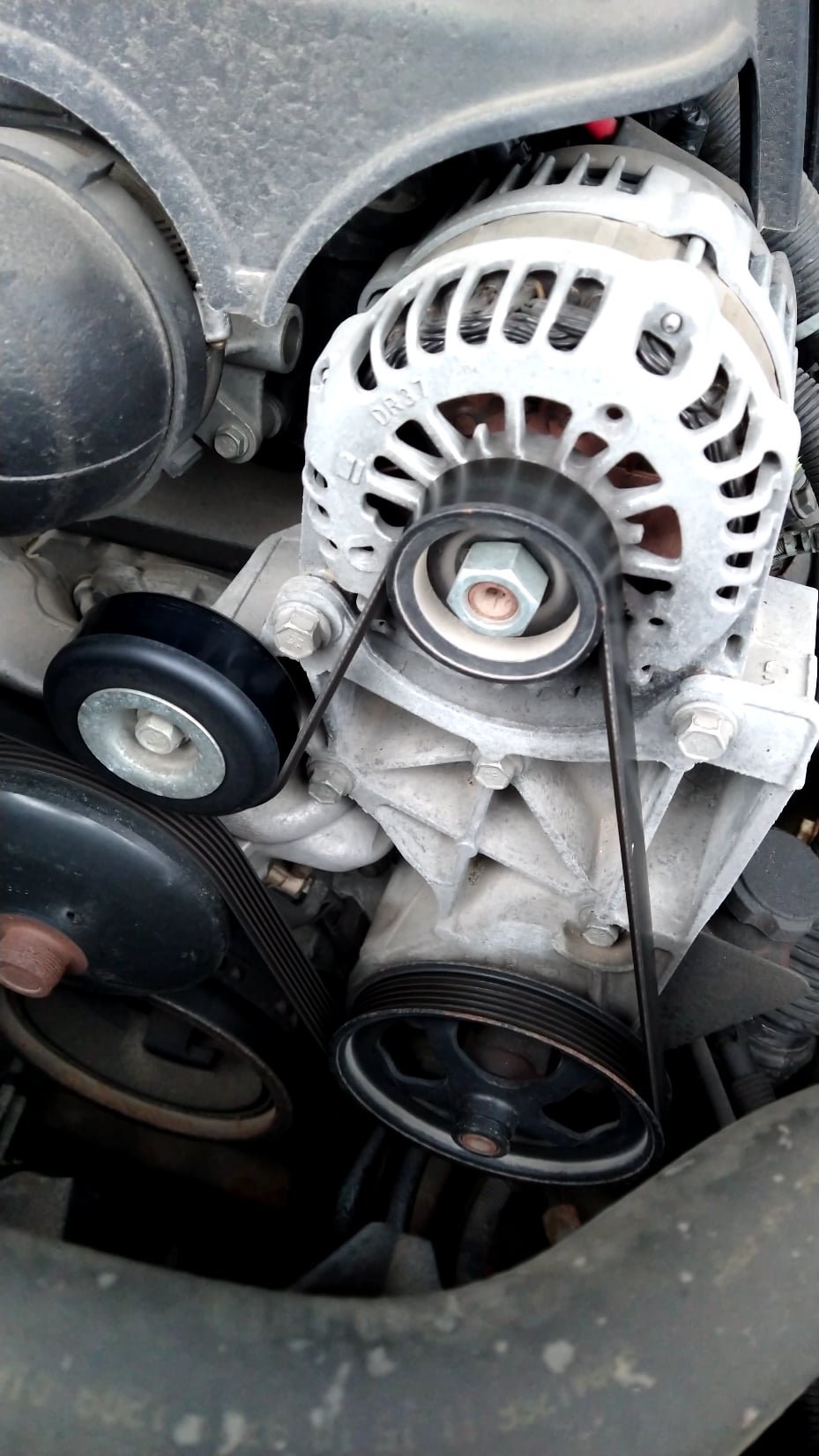
- Accessory Belts Not Moving: When you try to crank the engine, watch the belts. If they do not move at all, the engine is likely locked.
- Fuel Smell: Flooding the engine with repeated start attempts can cause a strong gas odor, but the engine still won’t turn.
What To Do If Your Engine Is Seized
If you confirm the engine is seized, do not keep trying to start it. This can cause more damage. Here’s what you should do:
- Stop immediately: Further attempts can break more parts.
- Check oil and coolant: Top up if possible, but do not try to start until inspected.
- Call a professional: Towing the car to a trusted mechanic is usually required.
- Review repair options: Depending on damage, you may need an engine rebuild or replacement.
Repairing a seized engine is expensive. Costs can range from $1,000 to over $4,000, depending on your car’s make and model.
Preventing Engine Seizure
Prevention is always better than repair. Here’s how to reduce your risk:
- Check oil level every month.
- Change oil and filter as recommended.
- Watch for leaks under your car.
- Pay attention to dashboard warning lights.
- Use the correct type of oil for your vehicle.
Frequently Asked Questions
How Is A Seized Engine Different From A Blown Engine?
A seized engine means the parts are stuck and cannot move, while a blown engine often means a hole or crack in the block or head. Both are serious, but a seized engine might be repairable if caught early.
Can I Fix A Seized Engine Myself?
It’s usually not a beginner task. Sometimes, spraying lubricant into spark plug holes and gently trying to turn the engine can help if the seizure is minor. But most cases require professional help.
What Does Hydrolock Mean For An Engine?
Hydrolock happens when water enters the cylinders. Since water cannot compress, the piston cannot move, instantly locking the engine. This often happens after driving through deep water.
Is It Worth Repairing A Seized Engine?
It depends on the car’s value and damage severity. Sometimes, replacing the engine is cheaper and safer than fixing the seized one.
Can An Engine Seize While Driving?
Yes, and it is dangerous. The engine will suddenly stop, and you may lose power steering and brakes.
If this happens, pull over safely and call for help.
If you want to dive deeper into engine mechanics, the Wikipedia page on engine seizure provides more technical details.
Knowing how to spot the signs of a seized engine can save you from bigger headaches later. Remember, regular maintenance is the best way to avoid this costly problem.
Stay alert to the symptoms and act quickly if you suspect engine trouble.