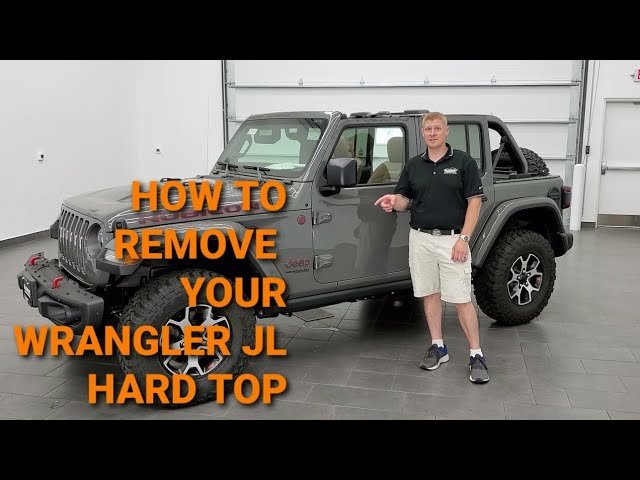
Taking off the Jeep Wrangler hard top is a rite of passage for many Jeep owners. Nothing beats the feeling of open-air driving, especially when the weather is perfect.
If you’re new to this, the process can seem a bit complex. But with the right steps and tips, you can do it safely and efficiently, even if you’re not a car expert.
walk you through everything you need to know, including tools, preparation, step-by-step instructions, common mistakes, and practical advice. By the end, you’ll feel confident about removing your Wrangler’s hard top, and putting it back on when needed.
Why Take The Jeep Wrangler Hard Top Off?
Many people love the Jeep Wrangler because of its flexibility. You can switch from a weatherproof hard top to a breezy, open-air ride in just a short time. reasons people remove their hard tops:
- Enjoy the sun and fresh air while driving.
- Get a true off-road or summer adventure feel.
- Make cleaning or maintaining your Jeep easier.
- Add or switch to a soft top for a different look or more convenience.
But before you start, it’s good to know both the upsides and downsides.
Pros
- Open-air experience: Feel the wind and sun directly.
- Versatility: Easy to switch to a soft top or no top.
- Better views: Great for sightseeing or trail rides.
Cons
- Less protection: Rain, dust, and noise can increase.
- Storage needed: Hard top is bulky and needs safe storage.
- Takes time: Removal and installation take practice and patience.
What You Need Before Removing The Hard Top
Preparation is key. Before you begin, gather the right tools and check your workspace.
Tools And Materials
You don’t need a lot, but these items will help:
- T40 Torx bit (most common for Wrangler hard tops)
- Ratchet or screwdriver for Torx bit
- Soft cloth or blanket to protect the top during removal
- Second person (highly recommended for safety)
- Storage space for the hard top (garage, basement, or dedicated cart)
Some owners use a Jeep hard top hoist. This is a device that helps lift the top off with minimal effort, perfect if you plan to remove it often or alone.
Workspace Preparation
- Park your Jeep on a flat, stable surface.
- Make sure there’s enough space to walk around the vehicle.
- Check the weather. Avoid removing the top in rain or high winds.
Step-by-step Guide: How To Take Jeep Wrangler Hard Top Off
Let's break down the process into clear steps. These instructions work for most modern Wranglers (JK, JL, and newer).
If you have an older model, steps may vary a bit.
1. Remove The Freedom Panels
Many Jeep Wranglers have two small Freedom Panels above the driver and passenger seats. These must come off first.
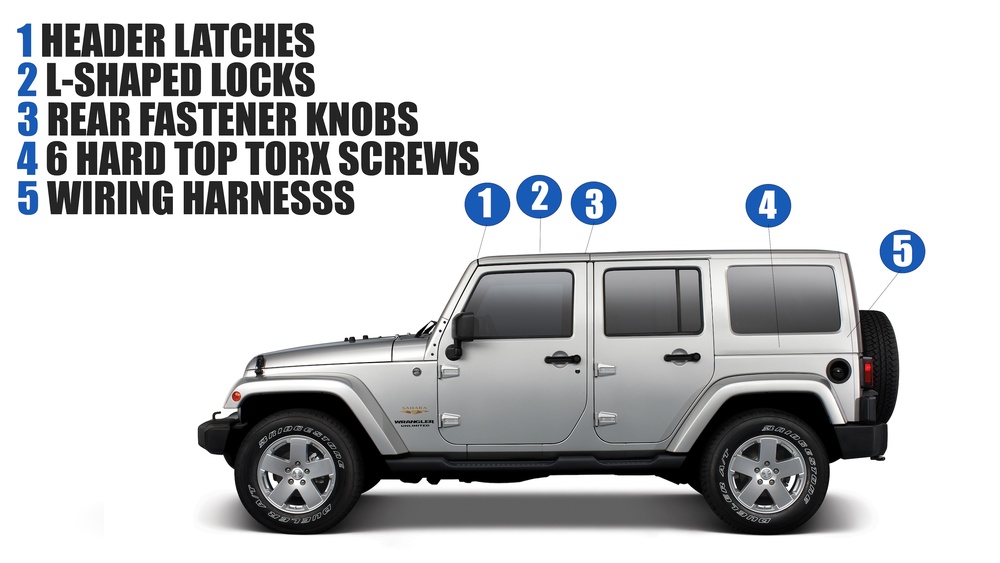
- Flip the four latches above the windshield.
- Release the center latch.
- Unscrew any Torx bolts (some models use them; others are latch-only).
- Lift each panel up and out. Set them on a soft surface to prevent scratches.
2. Unscrew The Rear Bolts
The main hard top is held by several Torx bolts. These are usually in the back of the cabin and in the cargo area.
- Open the rear doors or tailgate.
- Locate the bolts along the roll bar and at the rear corners.
- Use the T40 Torx bit to remove all bolts.
- Keep bolts in a small bag or container, you’ll need them later.
Pro tip: Some Jeep models have plastic covers over bolt holes. Remove these gently.
3. Disconnect The Electrical And Washer Connections
If your Jeep has a rear window defroster or wiper, there are two connections on the driver’s side near the back.
- Carefully unplug the wiring harness.
- Disconnect the washer hose (a gentle squeeze should release it).
- Tuck both aside to avoid snagging when lifting the top.
4. Lift The Hard Top
This is the heaviest step. The hard top weighs between 100 to 140 pounds depending on your Jeep model.
- With help from another person, lift the top straight up and back.
- Walk it away from the vehicle, being careful not to bump the paint or tail lights.
- Place the top on a soft blanket or dedicated Jeep hard top cart.
If you use a hoist, follow the manufacturer’s directions to lift the top safely.
5. Store The Hard Top Safely
Never leave your hard top on the ground where it can get scratched or warped.
- Store it on a flat surface, ideally on a hard top cart or with soft padding underneath.
- Avoid direct sunlight and moisture.
- If possible, cover it with a soft cloth or car cover.
Cost And Storage Options
Removing the hard top is free, but you might want to buy some tools or storage aids for safety and convenience. Here’s a quick comparison:
| Accessory/Tool | Average Cost (USD) | Worth It? |
|---|---|---|
| T40 Torx Bit | $5, $15 | Essential |
| Hard Top Hoist | $120, $400 | Great for solo users |
| Hard Top Cart | $80, $250 | Protects and stores top |
| Protective Cover | $20, $60 | Prevents scratches |
Some owners skip the hoist and cart, but if you remove your hard top often, these items make a big difference in safety and convenience.
Common Mistakes To Avoid
Even with simple steps, beginners often make these errors:
- Forgetting to disconnect wires, Pulling without unplugging can damage the defroster or rear wiper.
- Losing bolts, Always store your hardware in a bag or organizer.
- Trying to lift alone, The hard top is heavy and awkward. Don’t risk injury or damage.
- Storing top on rough surfaces, This leads to scratches or warping.
- Removing during bad weather, Moisture or wind can make removal dangerous.
If you follow each step slowly, double-check connections, and ask for help, you’ll avoid most problems.
Putting The Hard Top Back On
Reinstalling your Jeep Wrangler hard top is mostly the reverse process. But there are a few extra tips to make it smooth:
- Check all seals before placing the top. Clean off any dust or debris.
- Align the top carefully with the body and bolt holes.
- Tighten bolts evenly, but don’t overtighten, they can strip.
- Reconnect all wires and washer hoses before closing up.
- Test the rear window wiper and defroster to confirm connections.
If you ever feel resistance, stop and check alignment. Forcing the top can lead to leaks or rattles later.
Hard Top Vs. Soft Top: Quick Comparison
Many Jeep owners wonder if they should switch to a soft top after removing the hard top. Here’s a quick look at the differences:
| Feature | Hard Top | Soft Top |
|---|---|---|
| Weather Protection | Excellent | Good, but less soundproof |
| Noise Level | Quieter | Louder at highway speeds |
| Security | High (harder to break in) | Lower (can be slashed) |
| Weight | Heavy (100 to 140 lbs) | Light (can be folded down by one person) |
| Cost | More expensive | Usually less expensive |
For most people, the hard top is best for winter and long trips. A soft top is great for easy, quick removal in summer. Some Jeep owners keep both and swap as seasons change.
Practical Tips And Non-obvious Insights
Most guides stop at the basic steps, but here are a few things experienced owners know:
- Label your bolts: Use tape or a marker to label which bolts go where. This saves time during reinstallation.
- Check your Jeep’s manual: Each model year can have small differences in bolt locations or wiring.
- Invest in a bolt kit: Losing hardware is common. You can buy replacement kits online for less than $20.
- Lubricate seals: A light spray of silicone on rubber seals keeps them flexible and prevents leaks.
- Plan your day: Removing the hard top takes 30 to 60 minutes the first time but gets faster with practice.
Weather And Seasonal Considerations
Timing matters. Most people remove the hard top in late spring or early summer.
In rainy or snowy areas, keep the hard top on for the best protection.
If you live in a humid place, store the hard top in a dry area to prevent mold or warping. In hot climates, avoid direct sunlight to keep the top from fading or cracking.
When Should You Not Remove The Hard Top?
Sometimes, it’s better to keep the hard top on:
- During winter or rainy season
- If you don’t have safe storage
- When driving long highway trips (better soundproofing and security)
- If you carry a lot of cargo that needs protection
Knowing when to remove the top is just as important as knowing how.
Environmental And Legal Considerations
In some states, driving without a roof is legal, but check your local laws. Some places require at least a roll bar or seat belts. Also, leaving the hard top off exposes the interior to sun and rain, which can fade or damage upholstery over time.
Resources For More Information
If you want to see the process in action, many Jeep forums and official sites have video guides. The official Jeep website offers resources and owner manuals with diagrams and safety tips. For a deeper look, visit the Jeep Wrangler Wikipedia page.
<!– wp:rank-math/faq-block {"questions":[{"id":"faq-question-9618117bd946","title":"How Long Does It Take To Take The Jeep Wrangler Hard Top Off?","content":"For beginners, it usually takes 30 to 60 minutes. With practice and the right tools, you can do it in about 20 minutes. Having a second person helps speed things up and makes it safer.
“,”visible”:true},{“id”:”faq-question-b192cef1c9e0″,”title”:”Can One Person Remove The Hard Top Alone?”,”content”:”It’s possible, but not recommended. The hard top is heavy and awkward to handle. Using a hard top hoist can make solo removal safer, but for most people, help from a friend is best.
“,”visible”:true},{“id”:”faq-question-2e3a1e7631d8″,”title”:”Will Removing The Hard Top Affect My Jeep’s Warranty?”,”content”:”No, as long as you follow the manufacturer’s instructions and don’t damage the roof or wiring. Always check your owner’s manual for specific notes about your Jeep model.
“,”visible”:true},{“id”:”faq-question-0f8c236b9b68″,”title”:”What Should I Do If I Lose A Bolt Or Screw?”,”content”:”You can buy replacement bolt kits online or at Jeep dealerships. These are inexpensive and include all needed hardware. Don’t try to install the top without all bolts, it can lead to leaks or rattles.
“,”visible”:true},{“id”:”faq-question-e34dc2b0a1ae”,”title”:”Can I Drive My Jeep Wrangler Without Any Top?”,”content”:”Yes, most states allow you to drive without a hard or soft top. However, make sure you have seat belts and follow local safety laws. Remember, your Jeep will be more exposed to weather and theft.
Driving your Jeep Wrangler with the hard top off opens up a new world of adventure and fun. With the right tools, a little planning, and these step-by-step instructions, you can enjoy the open road safely. Take your time, ask for help if needed, and always protect your Jeep’s top when not in use. Open-air Jeeping is one of the best parts of owning a Wrangler, enjoy every mile!
“,”visible”:true}]} –>How Long Does It Take To Take The Jeep Wrangler Hard Top Off?
For beginners, it usually takes 30 to 60 minutes. With practice and the right tools, you can do it in about 20 minutes. Having a second person helps speed things up and makes it safer.
Can One Person Remove The Hard Top Alone?
It’s possible, but not recommended. The hard top is heavy and awkward to handle. Using a hard top hoist can make solo removal safer, but for most people, help from a friend is best.
Will Removing The Hard Top Affect My Jeep's Warranty?
No, as long as you follow the manufacturer’s instructions and don’t damage the roof or wiring. Always check your owner’s manual for specific notes about your Jeep model.
What Should I Do If I Lose A Bolt Or Screw?
You can buy replacement bolt kits online or at Jeep dealerships. These are inexpensive and include all needed hardware. Don’t try to install the top without all bolts, it can lead to leaks or rattles.
Can I Drive My Jeep Wrangler Without Any Top?
Yes, most states allow you to drive without a hard or soft top. However, make sure you have seat belts and follow local safety laws. Remember, your Jeep will be more exposed to weather and theft.
Driving your Jeep Wrangler with the hard top off opens up a new world of adventure and fun. With the right tools, a little planning, and these step-by-step instructions, you can enjoy the open road safely. Take your time, ask for help if needed, and always protect your Jeep’s top when not in use. Open-air Jeeping is one of the best parts of owning a Wrangler, enjoy every mile!