Getting the backseat out of a Jeep Wrangler can save space, make cleaning easier, and help carry big items. But many beginners feel unsure about the process.
This guide will show you step-by-step, using clear language and practical tips, so you can remove your Jeep's rear seat safely and quickly—even if you’ve never done it before.
Why Remove The Backseat In A Jeep Wrangler?
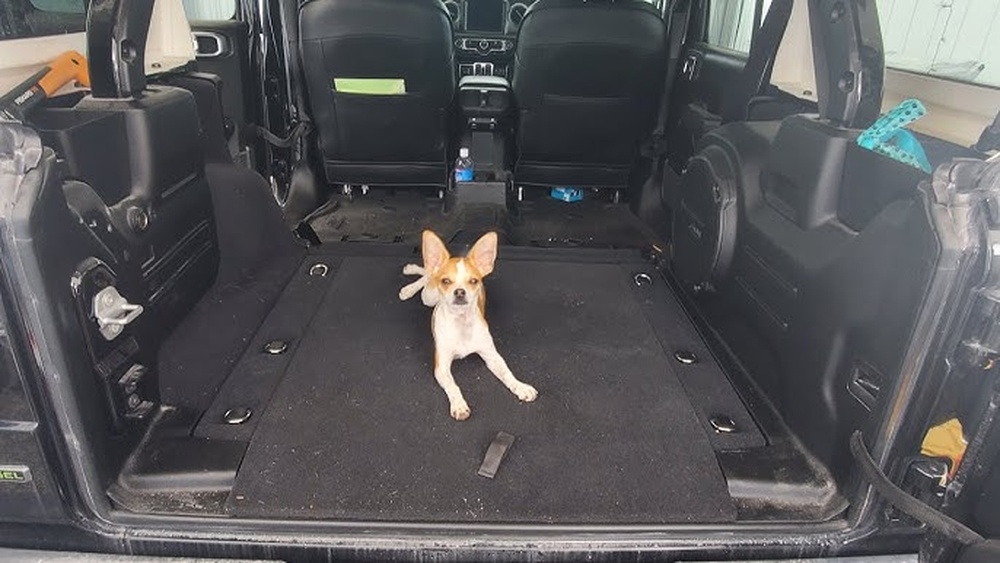
People take out the backseat for many reasons. Some owners want more cargo space for camping gear or sports equipment. Others remove the seat to make cleaning the interior easier, or to create a pet-friendly area. If you plan to customize your Jeep, removing the seat gives you more options. In older models, removing the seat can also reduce vehicle weight, which may slightly improve gas mileage.
A survey of Jeep owners on JeepForum found that about 25% regularly remove their rear seat for added cargo space. With the right approach, the process takes less than 15 minutes.
Tools You Need
Before starting, gather these basic tools. Most Jeep Wrangler models use similar fasteners, but always check your owner’s manual.
- Socket wrench set (usually 13mm and 15mm sockets)
- Torx bit set (T40 or T50 for some models)
- Flathead screwdriver
- Gloves (optional, for grip and protection)
Having tools ready avoids delays and prevents damage to bolts or upholstery.
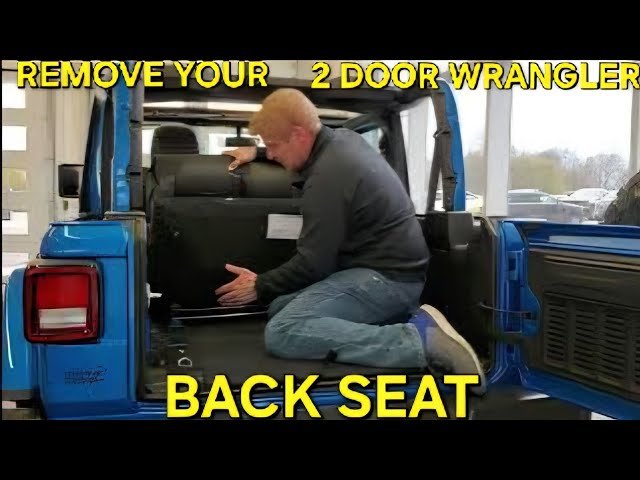
Step-by-step Guide: Removing The Backseat
The process is almost the same for most Jeep Wrangler models (YJ, TJ, JK, JL). Here’s a simple breakdown:
1. Clear The Area
Remove any items from the backseat and floor. Fold down the seat if your model allows.
2. Locate The Bolts
Find the mounting bolts at the base of the seat. Most Wranglers have 4 bolts 2 at the front, 2 at the back.
3. Remove The Bolts
Use the socket wrench or Torx bit to unscrew each bolt. Keep the bolts in a safe place; you’ll need them to reinstall the seat.
4. Disconnect Seatbelt Clips
Some models have seatbelt clips attached to the seat. Use a screwdriver to release them gently.
5. Lift Out The Seat
With bolts removed, grab the seat at both ends. Lift straight up and out.
The seat may be heavy (up to 40 lbs), so ask for help if needed.
6. Inspect The Floor
Check for any loose wires or parts. Clean the area if needed before loading cargo.
Here’s a quick comparison of the removal process for different Jeep generations:
| Model | Bolt Type | Estimated Time | Seat Weight |
|---|---|---|---|
| YJ (1987–95) | 13mm socket | 10 min | 35 lbs |
| TJ (1997–06) | T40 Torx | 12 min | 38 lbs |
| JK (2007–18) | 15mm socket | 15 min | 40 lbs |
| JL (2018+) | 15mm socket | 15 min | 41 lbs |
Common Mistakes To Avoid
Many beginners make small errors during the process. Here are two non-obvious insights:
- Forgetting to mark bolt locations: Some bolts look similar but fit only one spot. Use masking tape to label each bolt’s position for easy reinstallation.
- Not checking for hidden clips: On newer models, there may be hidden plastic clips under the seat. If you force the seat, these can break. Always check underneath before lifting.
Other common mistakes include losing bolts, damaging seatbelt connectors, or scratching the floor.

Tips For Easier Seat Removal
With experience, you’ll find ways to make this job smoother:
- Tilt the seat forward: Before lifting, tilt the seat forward to reduce strain on your back.
- Use a magnetic tray: Place removed bolts in a magnetic tray so you don’t lose them.
- Vacuum after removal: Take the chance to vacuum the exposed floor area, which collects dust and debris.
These tips can cut your removal time by up to 30%.
Reinstalling The Backseat
If you want to put the seat back later, follow these steps:
- Align the seat brackets with the mounting holes.
- Insert bolts by hand first to prevent cross-threading.
- Tighten bolts firmly but avoid over-tightening, which can strip threads.
- Reconnect seatbelt clips and check that they lock securely.
Many owners reinstall the seat for family trips or when selling the vehicle.

How Removing The Backseat Changes Your Wrangler
Taking out the backseat affects your cargo space and passenger capacity. Here’s a comparison:
| Configuration | Passenger Capacity | Cargo Volume (cu ft) |
|---|---|---|
| Backseat Installed | 4–5 | 31.7 |
| Backseat Removed | 2 | 47.4 |
You gain almost 16 cubic feet of space, which fits large camping gear or bikes.
Safety Considerations
Driving without a backseat is legal, but keep these points in mind:
- Passenger limits: You can only carry as many passengers as you have seats with seatbelts.
- Cargo shifting: Items in the back may slide or roll. Use cargo nets or tie-downs to secure gear.
- Insurance: Some policies may require you to keep original seating. Check with your provider.
For more details on vehicle modifications and safety, see the National Highway Traffic Safety Administration.
Frequently Asked Questions
How Long Does It Take To Remove A Jeep Wrangler Backseat?
It usually takes 10–15 minutes if you have the right tools and follow the steps. Older models may be quicker due to simpler bolt patterns.
Do I Need Special Tools For Newer Wranglers?
Most newer Wranglers use a 15mm socket or Torx bit. These are common tools and found in basic automotive kits.
Can I Drive Legally Without A Backseat?
Yes, you can drive with the backseat removed. However, you must not carry more passengers than you have seatbelts.
Will Removing The Seat Void My Warranty?
Generally, removing the backseat does not affect your warranty, but check your manual or ask your dealer if you have concerns.
Is It Easy To Reinstall The Backseat?
Yes, reinstalling is simple if you keep bolts and label positions. Take care not to cross-thread bolts and always reconnect seatbelt clips.
Taking out the backseat of your Jeep Wrangler is a quick job that gives you more space and flexibility. With the right tools, careful steps, and a few insider tips, you can do it safely and confidently. Whether you’re preparing for an adventure or just want an easier way to clean, knowing this process adds to your Jeep skills.