How To Switch To 4 Wheel Drive Jeep Wrangler
Owning a Jeep Wrangler means you’re ready for adventure, on the street, over gravel, or through mud. But if you’re new to four-wheel drive (4WD), you may feel unsure about how and when to use it.
Good news: switching to 4 wheel drive in a Jeep Wrangler is not hard, but it does require some know-how. Using the right 4WD mode at the right time can keep you safe and protect your Jeep from damage.
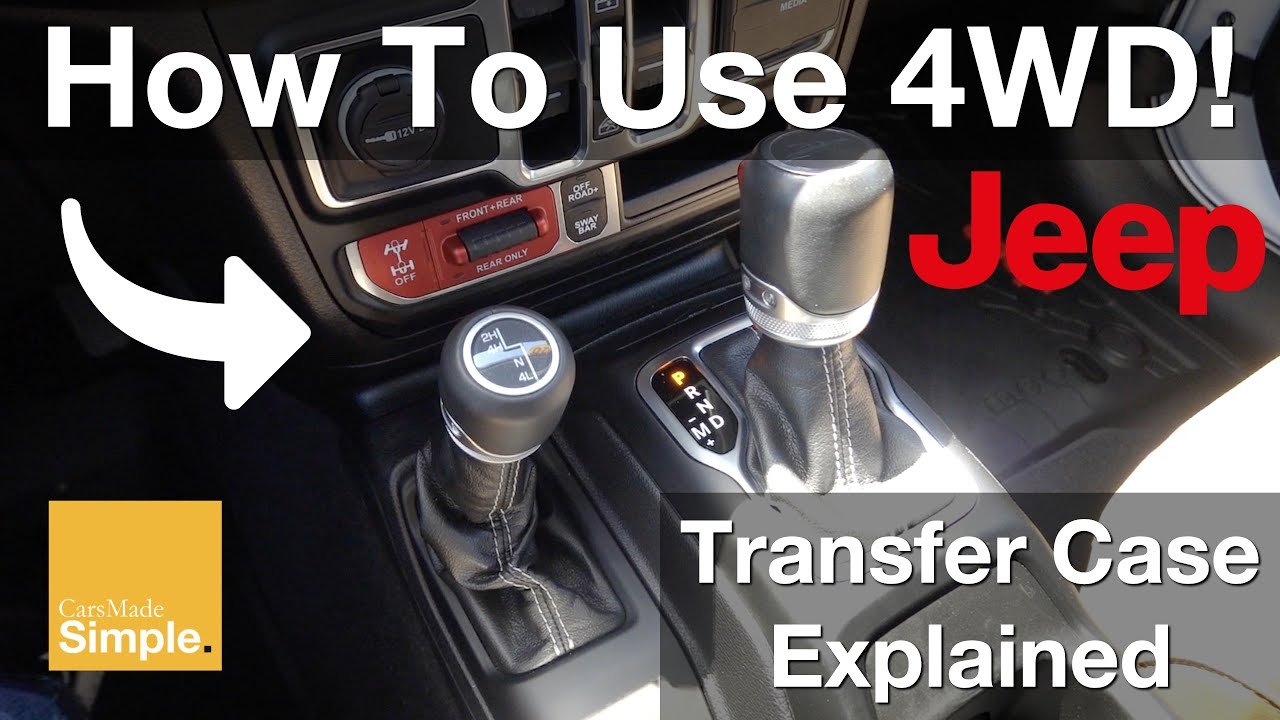
teach you everything you need to know about using the four main 4WD modes in a Jeep Wrangler. You’ll get simple, step-by-step instructions, learn the differences between each mode, and discover beginner mistakes to avoid.
Whether you drive a classic Wrangler or a new JL model, this article is for you.
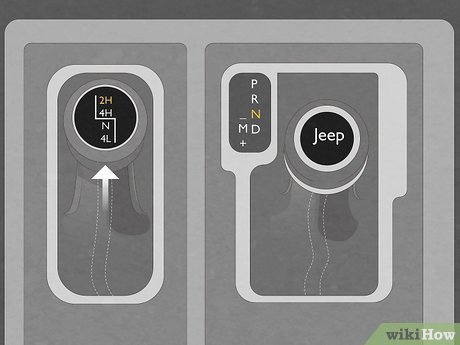
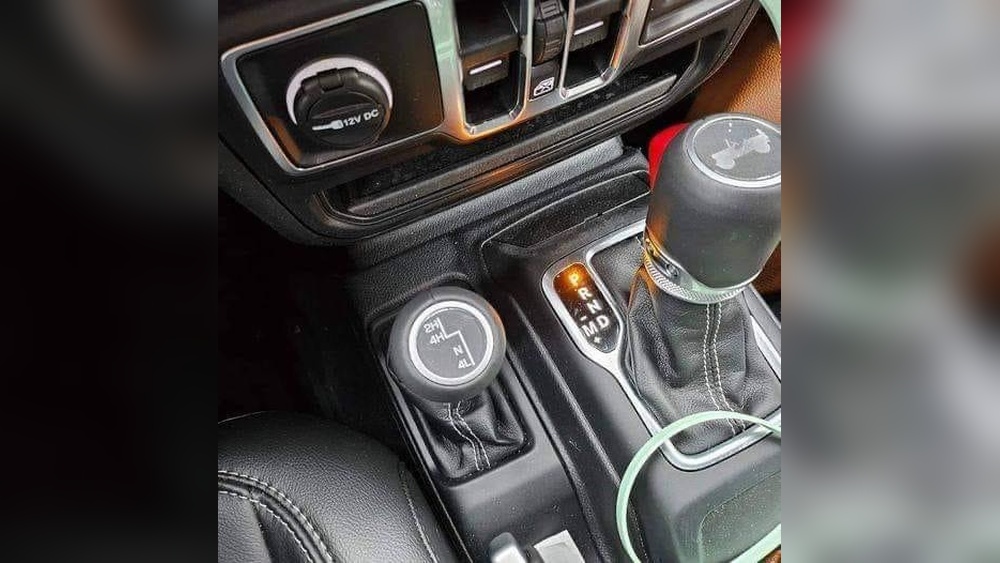
Understanding Jeep Wrangler 4wd Modes
Jeep Wranglers usually offer these four drive modes:
- 2H (Two-Wheel Drive High)
- 4H (Four-Wheel Drive High)
- N (Neutral)
- 4L (Four-Wheel Drive Low)
Each mode is designed for a specific type of driving. Picking the wrong one can make your ride uncomfortable or even damage your Jeep.
Before you switch, it's important to know what each mode does.
Here’s a simple table showing the main uses for each mode:
| Mode | Best For | Max Speed | Surface Type |
|---|---|---|---|
| 2H | Everyday driving | Highway speeds | Dry pavement |
| 4H | Slippery roads, light off-road | Up to 55 mph | Snow, sand, gravel |
| N | Towing/flat towing | 0 mph (no drive) | Any (vehicle not moving on own power) |
| 4L | Serious off-road, heavy snow, mud | Under 25 mph | Deep mud, rocks, steep hills |
Let’s go through each mode and explain how to switch to it in your Jeep Wrangler.
2h (two-wheel Drive High)
Most of the time, your Jeep Wrangler is in 2H. This mode sends power only to the rear wheels. It’s great for city driving, dry highways, and when you want the best fuel economy.
How To Use 2h
- Make sure the transfer case lever is in the 2H position.
- This is the default for daily use.
- If you switch from 4H or 4L, shift the lever back to 2H when you return to normal roads.
Pro tip: Driving in 2H on dry pavement keeps your tires and drivetrain in good condition.
When To Use 2h
- Dry or wet pavement
- Normal city or highway driving
- Anytime you don’t need extra traction
Common mistake: Some beginners leave their Jeep in 4H after bad weather passes. This can wear out parts and reduce gas mileage.

4h (four-wheel Drive High)
4H is your go-to for slippery roads, like snow, sand, or loose gravel. It sends power to all four wheels for better grip.
How To Switch To 4h
- Slow down to below 55 mph.
- While driving straight, firmly pull the transfer case lever from 2H to 4H. Most Wranglers allow you to shift “on the fly”, you do not need to stop or put the transmission in neutral.
- You should feel a slight change as the Jeep shifts to 4H.
It’s that simple. You can switch back to 2H the same way once you’re back on dry pavement.
When To Use 4h
- Snowy roads or ice
- Loose gravel or sandy paths
- Light off-road trails
Important: Do not use 4H on dry pavement. The extra traction isn’t needed and may cause drivetrain binding, making turning harder and risking damage.
4h: Pros And Cons
| Pros | Cons |
|---|---|
| Improved traction on slippery roads | Lower fuel economy |
| Can shift at speed (under 55 mph) | Can’t use on dry pavement |
| Better control in bad weather | May cause drivetrain stress if used improperly |
N (neutral)
Neutral (N) in the transfer case is different from the transmission’s neutral. It disconnects the engine from the wheels completely. This is mainly used for flat towing (pulling your Jeep behind another vehicle with all four wheels on the ground).
How To Switch To Neutral
- Bring your Jeep to a complete stop.
- Shift the main transmission into neutral (N).
- While pressing the brake, move the transfer case lever from 4H or 4L into N.
- Double-check that your Jeep rolls freely when you release the brake.
Important: Never drive your Jeep with the transfer case in N. You will not be able to move under your own power.
When To Use Neutral
- Flat towing behind an RV or truck
- When you need to move the Jeep without starting the engine
Beginner tip: Always follow your Jeep’s owner’s manual instructions for flat towing. Incorrect use can cause expensive transmission damage.
4l (four-wheel Drive Low)
4L is made for tough off-road situations. It multiplies the engine’s torque, giving you maximum power at low speeds. This is perfect for deep mud, snow, steep hills, or crawling over rocks.
How To Switch To 4l
- Stop your Jeep completely or drive very slowly (under 2-3 mph).
- Shift the main transmission into neutral (N).
- Pull the transfer case lever from 4H through N and into 4L. It may feel stiff; apply steady pressure.
- Shift the main transmission back to drive (D) or first gear (manual).
- Drive slowly, 4L is only for speeds under 25 mph.
You must stop or nearly stop to shift into 4L. Forcing the lever while moving fast can damage your transfer case.
When To Use 4l
- Deep mud, sand, or snow
- Climbing or descending steep hills
- Rock crawling or heavy off-roading
- Pulling a stuck vehicle (at low speed)
Warning: Do not use 4L for normal driving. The Jeep will feel jerky and may be damaged.
4l: Pros And Cons
| Pros | Cons |
|---|---|
| Maximum torque and control | Very slow speeds only |
| Best for tough obstacles | Poor fuel economy |
| Essential for rock crawling | Not for pavement use |
Step-by-step: How To Switch To 4 Wheel Drive Jeep Wrangler
Now that you know what each mode does, here’s a quick summary for changing modes safely:
- From 2H to 4H:
- Slow down below 55 mph
- Shift transfer case lever to 4H while moving straight
- From 4H to 2H:
- Shift lever back to 2H when on dry pavement
- From 4H to 4L:
- Stop or slow to under 3 mph
- Put transmission in neutral
- Shift lever to 4L
- From 4L to 4H:
- Stop or move slowly
- Transmission in neutral
- Shift lever to 4H
- To Neutral:
- Stop completely
- Transmission in neutral
- Shift transfer case to N
Note: Some newer Jeep Wranglers have electronic 4WD systems. For these, follow the dashboard prompts, but the basics above still apply.
Common Mistakes When Using 4wd
Many beginners make simple mistakes when learning how to switch to 4 wheel drive Jeep Wrangler. Here are two non-obvious pitfalls:
- Forgetting to return to 2H:
Staying in 4H after the road is clear wastes gas and wears out parts. Always switch back to 2H for normal driving.
- Turning sharply on dry pavement in 4WD:
Sharp turns in 4H or 4L on dry roads can cause a condition called “drivetrain binding. ” This puts stress on the transfer case and axles.
Practical Tips For New Jeep Wrangler Owners
- Know your Jeep:
Not all Wranglers have the same 4WD system. Some have full-time 4WD, others part-time. Check your manual for details.
- Practice before you need it:
Try shifting into 4H and 4L in a safe, empty lot. Get comfortable before you face real-world challenges.
- Listen for clicks and clunks:
A slight noise when shifting is normal. Loud grinding isn’t stop and check for problems.
- Use proper tires:
Even the best 4WD can’t help much if your tires are worn out. Off-road or all-terrain tires give better traction.
- Service your 4WD system:
Change transfer case fluid as recommended. This keeps your gears working smoothly.
- Watch the weather:
Switch to 4H before you hit ice or snow, not after you’re already sliding.
Cost And Maintenance Insights
Switching to 4 wheel drive does not cost extra, but improper use can lead to repairs:
- Transfer case repair: $800, $2,500
- Drivetrain damage: $500, $2,000
- Tire replacement (set): $600, $1,200
Regular maintenance and correct usage will save you money and keep your Jeep running smoothly. For more technical details, visit the official Jeep website.
<!– wp:rank-math/faq-block {"questions":[{"id":"faq-question-9336d8ebb9cd","title":"How Do I Know If My Jeep Is In 4wd?","content":"Check the dashboard indicator light. When in 4H or 4L, a 4WD symbol should glow. Some older models may not have a light, listen for a change in engine sound and feel for increased traction.
“,”visible”:true},{“id”:”faq-question-b39196b3c019″,”title”:”Can I Switch To 4h While Driving?”,”content”:”Yes, you can shift from 2H to 4H while moving, as long as you’re under 55 mph and driving straight. Avoid sharp turns during the shift.
“,”visible”:true},{“id”:”faq-question-e1e2e156270c”,”title”:”What Happens If I Use 4h Or 4l On Dry Pavement?”,”content”:”Using 4H or 4L on dry pavement can cause “binding. ” This makes steering hard, wears out tires, and can damage the transfer case.
Only use these modes on slippery or loose surfaces.
“,”visible”:true},{“id”:”faq-question-c37c88fdafdb”,”title”:”Is 4wd The Same As All-wheel Drive?”,”content”:”No. 4WD in Jeep Wranglers is designed for serious off-road use and is selectable. All-wheel drive (AWD) is always on and usually not as rugged. Wranglers use 4WD, not AWD.
“,”visible”:true},{“id”:”faq-question-455fb0cfbe06″,”title”:”Do I Need Special Maintenance For My 4wd System?”,”content”:”Yes. Regularly check and change the transfer case fluid. Inspect driveshafts, U-joints, and axles. Follow the service schedule in your Jeep’s manual to avoid costly repairs.
Switching to 4 wheel drive in your Jeep Wrangler is simple once you understand the basics. Use the right mode for your road or trail, avoid common mistakes, and take care of your 4WD system.
With practice, you’ll drive with confidence on any terrain.
“,”visible”:true}]} –>How Do I Know If My Jeep Is In 4wd?
Check the dashboard indicator light. When in 4H or 4L, a 4WD symbol should glow. Some older models may not have a light, listen for a change in engine sound and feel for increased traction.
Can I Switch To 4h While Driving?
Yes, you can shift from 2H to 4H while moving, as long as you’re under 55 mph and driving straight. Avoid sharp turns during the shift.
What Happens If I Use 4h Or 4l On Dry Pavement?
Using 4H or 4L on dry pavement can cause “binding. ” This makes steering hard, wears out tires, and can damage the transfer case.
Only use these modes on slippery or loose surfaces.
Is 4wd The Same As All-wheel Drive?
No. 4WD in Jeep Wranglers is designed for serious off-road use and is selectable. All-wheel drive (AWD) is always on and usually not as rugged. Wranglers use 4WD, not AWD.
Do I Need Special Maintenance For My 4wd System?
Yes. Regularly check and change the transfer case fluid. Inspect driveshafts, U-joints, and axles. Follow the service schedule in your Jeep’s manual to avoid costly repairs.
Switching to 4 wheel drive in your Jeep Wrangler is simple once you understand the basics. Use the right mode for your road or trail, avoid common mistakes, and take care of your 4WD system.
With practice, you’ll drive with confidence on any terrain.