If you drive a Jeep, learning to use the 4 wheel drive system is essential. This feature helps you handle slippery roads, deep mud, snow, or rocky trails. But switching your Jeep into 4 wheel drive can be confusing, especially if you’re new to off-roading or winter driving. Not all Jeeps use the same system, so it’s important to know exactly how to engage 4WD in your model. In this guide, you’ll learn how to switch your Jeep into 4 wheel drive, understand the differences between systems, avoid common mistakes, and use practical tips that many beginners overlook.
Understanding Jeep 4 Wheel Drive Systems
Jeeps come with different 4WD systems. Most popular models use one of these types:
- Part-Time 4WD (e.g., Jeep Wrangler, Cherokee)
- Full-Time 4WD (e.g., Jeep Grand Cherokee with Quadra-Trac)
- Automatic 4WD (some newer models)
- Selectable 4WD (lets you choose between modes)
Each system works differently. Before switching, check your owner’s manual to confirm your Jeep’s system.
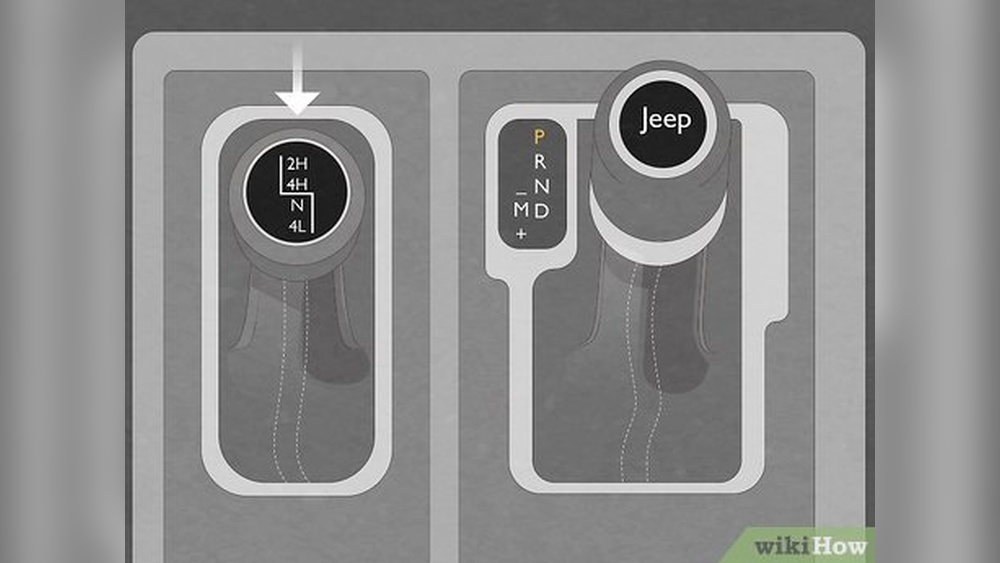
Here’s a quick comparison:
| 4WD System | When to Use | Switching Method |
|---|---|---|
| Part-Time | Off-road, snow, mud | Manual lever or knob |
| Full-Time | Any surface | Electronic button or shifter |
| Automatic | Switches itself | No action needed |
| Selectable | Driver chooses | Button or lever |
Many Jeep owners mistakenly believe all 4WD systems are the same. They are not.
Using the wrong mode can cause damage or reduce control.
1. Switching Into 2h (two High)
2H (or 2WD High) is for normal driving on paved roads. Power only goes to the rear wheels. Most Jeeps start in this mode.
How to switch:
- Make sure your Jeep is in park or neutral.
- Move the 4WD shifter or turn the selector to “2H”.
- Wait for the indicator light to show you’re in 2WD.
Most Jeeps allow you to switch between 2H and 4H while moving at low speed (under 55 mph), but always check your manual.
Key insight: Staying in 2H on dry pavement prevents drivetrain wear and saves fuel.

2. Switching Into 4h (four High)
4H (or 4WD High) is for slippery or loose surfaces like snow, sand, or gravel. All four wheels get power.
How to switch:
- Slow down to under 55 mph (some models require you to stop).
- Shift the 4WD lever or turn the selector to “4H”.
- Wait for the dashboard light to confirm you’re in 4H.
When To Use 4h:
- Snowy or icy roads
- Wet grass or dirt
- Shallow mud
Example: If you’re driving up a snowy hill, switch to 4H before you lose traction. Don’t wait until you’re stuck.
Beginner mistake: Using 4H on dry pavement causes tire wear and can damage the drivetrain. Only use it when you need extra grip.
3. Switching Into 4l (four Low)
4L (or 4WD Low) gives maximum traction and torque at low speeds. It’s for tough off-road obstacles, deep mud, steep hills, or pulling heavy loads.
How to switch:
- Stop your Jeep completely.
- Shift the transmission to neutral.
- Move the 4WD shifter or turn the selector to “4L”.
- Wait for the indicator light to confirm.
When To Use 4l:
- Climbing or descending steep hills
- Rock crawling
- Deep mud or sand
- Pulling out a stuck vehicle
Practical tip: Never use 4L for normal driving. It’s only for slow speeds (under 25 mph). Using 4L on the highway can damage your Jeep.
Here’s a quick look at 4H vs. 4L:
| Mode | Best For | Speed Limit |
|---|---|---|
| 4H | Loose/slippery roads | Up to 55 mph |
| 4L | Extreme off-road, heavy pulling | Up to 25 mph |
4. Returning To 2wd Or High Range
After you finish using 4WD, you must return to 2H (or high range) for normal driving.
How to switch:
- Stop or slow to under 5 mph.
- Shift the transmission to neutral if required.
- Move the 4WD shifter or turn the knob back to “2H” or “4H”.
- Wait for the light to confirm.
Critical insight: If you forget to switch out of 4WD, you may notice tight turns, tire noise, or poor fuel economy.
Tips For Smooth 4wd Switching
Switching between modes is not always instant. Sometimes the gears take a moment to engage or disengage.
If the light on your dashboard blinks or you hear a grinding noise, stop and try again.
Common issues and solutions:
| Problem | Possible Cause | Solution |
|---|---|---|
| 4WD won’t engage | Not in neutral (for 4L) | Stop and shift to neutral |
| Grinding noise | Trying to shift at high speed | Slow down or stop |
| Indicator light flashing | System not fully engaged | Shift again or wait for confirmation |
Practical tip: Always switch to 4WD before you get stuck, not after. Engaging 4WD once you’re stuck is usually too late.
Avoiding Common Mistakes
Many drivers damage their Jeeps by misusing 4WD. Here are mistakes to avoid:
- Switching to 4L while moving — always stop first.
- Using 4H or 4L on dry pavement.
- Ignoring the dashboard lights.
- Not returning to 2H after leaving slippery conditions.
A surprising fact: Regularly engaging your 4WD system (even in dry conditions for short periods) can keep parts lubricated and prevent them from sticking.
When You Should Not Use 4wd
Do not use 4WD on dry, paved roads. This can cause drivetrain binding, which leads to expensive repairs. If you hear strange noises or feel vibration after switching, check your system or visit a mechanic.
For more technical details, you can check the official Jeep 4WD operation guide at Jeep Capabilities.

Frequently Asked Questions
How Do I Know Which 4wd System My Jeep Has?
Check your owner’s manual or the label near the 4WD shifter. You can also find information on the Jeep website or ask your dealer.
Can I Switch To 4h While Driving?
Yes, in most Jeeps you can switch to 4H while driving under 55 mph. Always check your manual for your specific model’s limits.
What Happens If I Use 4wd On Dry Pavement?
Using 4WD on dry pavement can cause tire wear, strain the drivetrain, and may lead to expensive damage.
Why Is My 4wd Light Flashing?
A flashing 4WD light means the system is trying to engage or disengage. If it keeps flashing, stop your vehicle and try shifting again.
Do I Need To Stop To Switch Into 4l?
Yes, always stop and shift to neutral before switching into 4L. Shifting while moving can damage your Jeep.
Switching your Jeep into 4 wheel drive isn’t difficult once you understand your system and follow the correct steps. Take your time, use the right mode for the conditions, and remember: practice makes perfect. With these tips, you’ll be ready for any road or trail ahead.