Rhino lining a Jeep is a popular way to boost its durability and style. Many Jeep owners want a tough, textured finish that can handle mud, rocks, and weather.
Rhino lining is more than just a paint job—it’s a protective coating that stands up to daily abuse. But should you tackle this project yourself?
With the right tools, some prep, and a bit of patience, you can get pro-level results at home and save money.
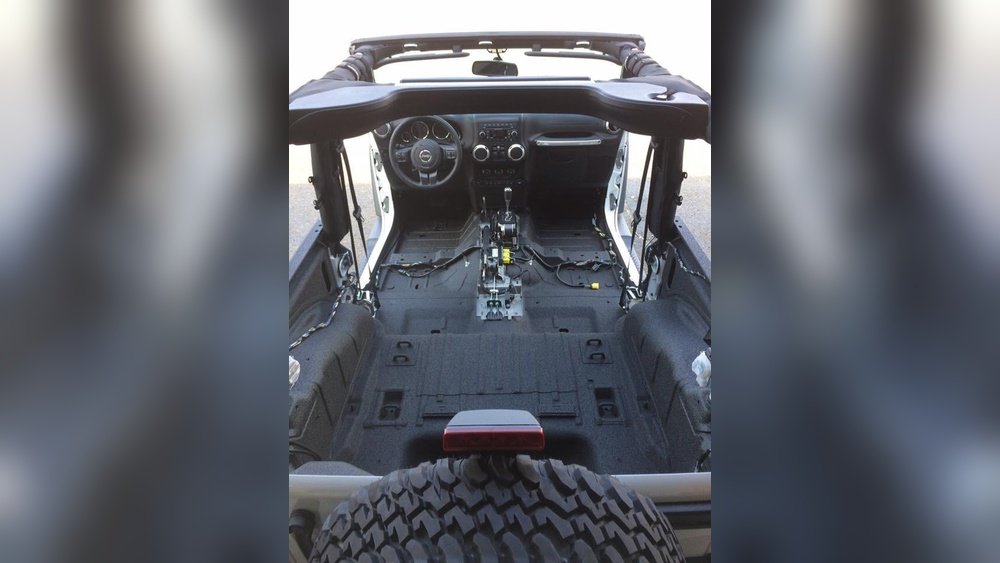
Let’s look at what it takes to Rhino line a Jeep, step by step. You’ll learn how to do it right, what mistakes to avoid, and how to decide if this upgrade is a good fit for your Jeep.
What Is Rhino Lining?
Rhino lining is a spray-on or roll-on polyurethane coating. It was first used for truck beds, but now many Jeep owners use it inside the cab, on the exterior, and even on bumpers.
Key benefits include:
- Scratch resistance: Stops rocks and gear from damaging paint.
- Rust prevention: Seals out water and salt.
- Easy cleaning: Mud and spills wipe right off.
- Sound deadening: Makes rides quieter.
Most people use Rhino Liner or similar products like Line-X. The cost to have a professional do the job can run from $800 to $3,000, depending on coverage and Jeep size.
Tools And Materials You’ll Need
Doing a Rhino lining job at home requires the right gear. Here’s what you’ll need:
- Rhino Liner kit (or equivalent)
- Protective gear: Gloves, mask, goggles
- Sander (orbital or manual), sandpaper (80-grit)
- Degreaser/cleaner
- Masking tape and plastic sheeting
- Paint roller or spray gun (depends on the product)
- Stir sticks and mixing bucket
- Wrenches/screwdrivers (for removing seats, trim, etc.)
Pro tip: Don’t try to cut corners with safety gear. The chemicals in Rhino liner can irritate your skin and lungs.

Step-by-step: How To Rhino Line A Jeep
1. Strip The Interior (or Exterior)
Remove seats, carpets, door panels, and any trim you don’t want coated. The more you strip, the better the result. Store bolts and screws in labeled bags.
2. Clean All Surfaces
Dirt and grease will ruin adhesion. Wash all surfaces with soap and water.
Follow with a degreaser. Let everything dry completely.
3. Sand For Better Adhesion
Use 80-grit sandpaper to rough up the surfaces. You want to dull all shiny paint. Don’t skip tight corners or small areas.
4. Mask Areas You Don’t Want Coated
Use masking tape and plastic to cover wiring, dash parts, door seals, and anything you want to keep clean. Take your time here—it’s hard to remove Rhino liner once applied.
5. Mix And Apply The Liner
Mix the Rhino liner according to the instructions. For spray-on, use a spray gun with the correct nozzle. For roll-on, use a thick paint roller.
- Apply evenly in thin coats.
- Wait for the first coat to get tacky, then add a second.
- Most jobs need 2-3 coats for full coverage.
6. Let It Cure
Drying time depends on temperature and humidity. Most liners need at least 24 hours before light use and up to 3 days for full cure. Don’t rush reinstalling parts.
Rhino Lining: Spray-on Vs Roll-on
Choosing between spray-on and roll-on methods can affect your results and cost.
| Method | Pros | Cons |
|---|---|---|
| Spray-On | Even texture, pro finish, faster | Needs spray gun, more prep, messier |
| Roll-On | Cheaper, easier for DIY, less overspray | Can look uneven, takes longer |
Spray-on is better for full exteriors or a perfect look. Roll-on is great for interiors or if you’re on a budget.

Common Mistakes To Avoid
Many beginners make errors that lead to peeling or uneven finish. Here’s what to watch for:
- Poor prep: Not cleaning or sanding enough is the main cause of failure.
- Skipping masking: Overspray is nearly impossible to remove.
- Too thick: Heavy coats crack or take forever to cure.
- Not waiting between coats: Leads to bubbles and poor adhesion.
- Ignoring safety: Always use a mask and gloves.
Non-obvious tip: Temperature matters. Applying liner in cool or very humid weather can lead to soft or sticky results.
Cost Breakdown: Diy Vs Professional
Let’s compare the costs so you know what to expect.
| Option | Estimated Cost | What’s Included |
|---|---|---|
| DIY Roll-On Kit | $120–$300 | Material, roller, basic tools |
| DIY Spray-On Kit | $200–$500 | Material, spray gun, safety gear |
| Professional Shop | $800–$3,000 | Full prep, warranty, pro finish |
Insider insight: Sometimes, pro shops offer warranties. If you plan to keep your Jeep for many years, this could be worth the extra cost.
How Durable Is Rhino Liner On A Jeep?
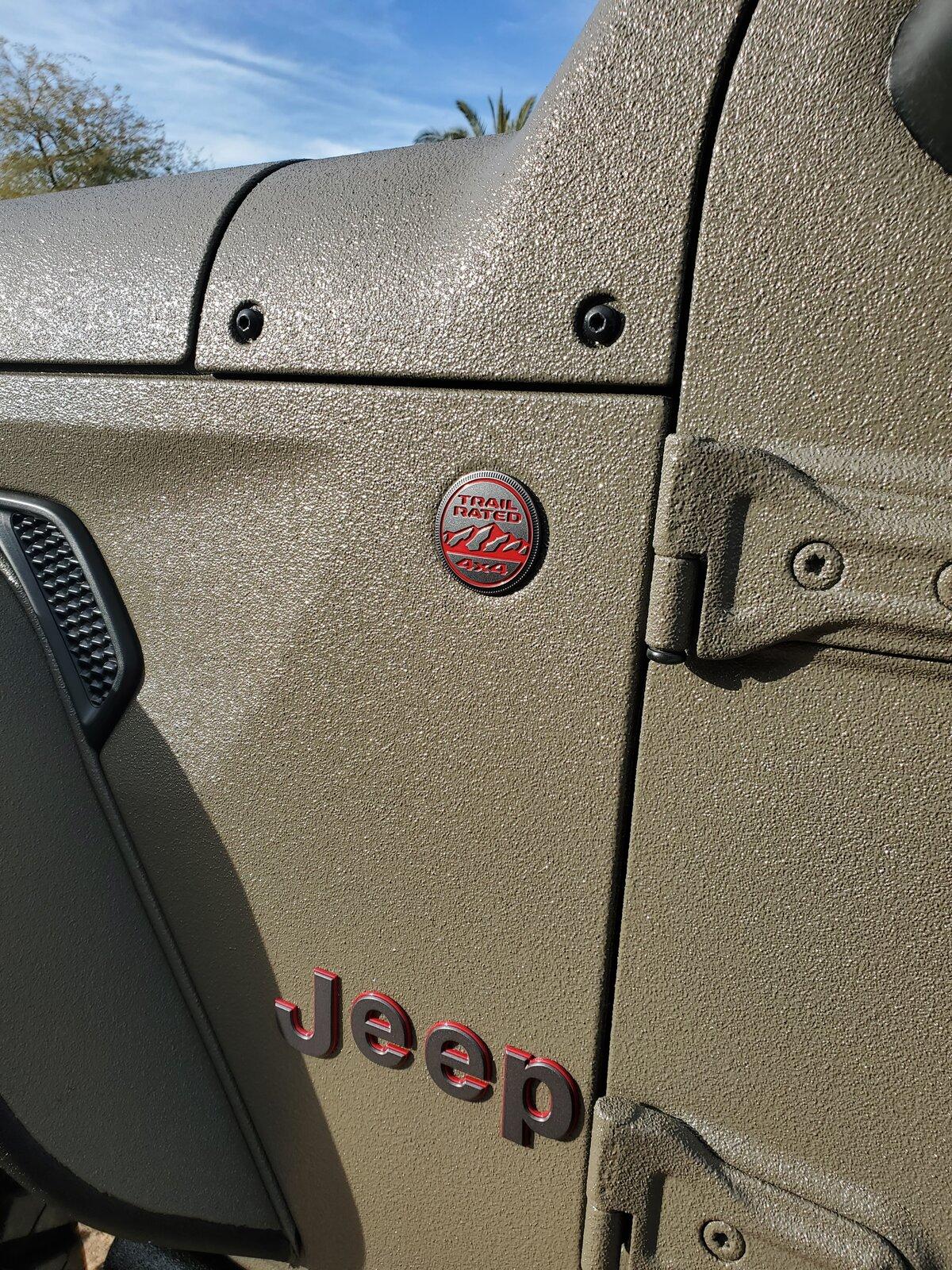
The finished surface is tough and long-lasting. Most Jeep owners report their liner lasts 8–10 years with normal use. It resists sun fading, scratches, and chemicals. However, sharp tools or direct impacts can still damage the liner.
Two less-known facts:
- Touch-ups are possible: If you gouge the liner, you can sand the spot and reapply.
- It adds weight: A full interior job adds about 40–60 lbs to your Jeep.
Is Rhino Lining Right For You?
Rhino lining is ideal if you:
- Off-road often: It handles mud, sand, and rocks.
- Live in a wet area: Stops rust and water damage.
- Want low maintenance: Easy to clean, no waxing needed.
It’s not for everyone. If you want a glossy, factory look or plan to sell your Jeep soon, think carefully.
Removing Rhino liner is nearly impossible without grinding.
For more technical details on spray-on liners, see Wikipedia’s spray-on liner guide.
Frequently Asked Questions
What Surfaces Can I Rhino Line On My Jeep?
You can coat the interior floor, cargo area, exterior panels, bumpers, and even fender flares. Don’t apply to moving parts or engine components.
How Long Does The Job Take For A Beginner?
Plan for 2–3 days. Day one is for stripping and cleaning, day two for application, and day three for curing and reassembly.
Can I Rhino Line Over Rust?
No. Remove all rust first.
Rhino liner seals, but it does not stop existing rust from spreading.
Does Rhino Liner Fade In Sunlight?
Rhino liner is UV-resistant, but some fading can occur after years in direct sun. Some brands offer UV-stable formulas.
Is Rhino Liner Waterproof?
Yes. Once cured, Rhino liner forms a waterproof barrier that protects metal from moisture and salt. It’s popular in wet and coastal areas.
Rhino lining your Jeep can be a smart upgrade if you follow the steps carefully. With good prep and patience, your Jeep will be ready for whatever the trail throws at it.