Restoring Jeep fenders is a rewarding project for many Jeep owners. Whether your fenders are scratched, dented, faded, or rusted, bringing them back to life can improve your Jeep’s look and protect it from further damage.
Some people think only professionals can do this, but with the right approach and tools, you can restore your Jeep fenders yourself even if you are not an expert.
This guide will take you step-by-step through the process, highlight mistakes to avoid, and share tips most beginners miss.
Understanding Jeep Fenders
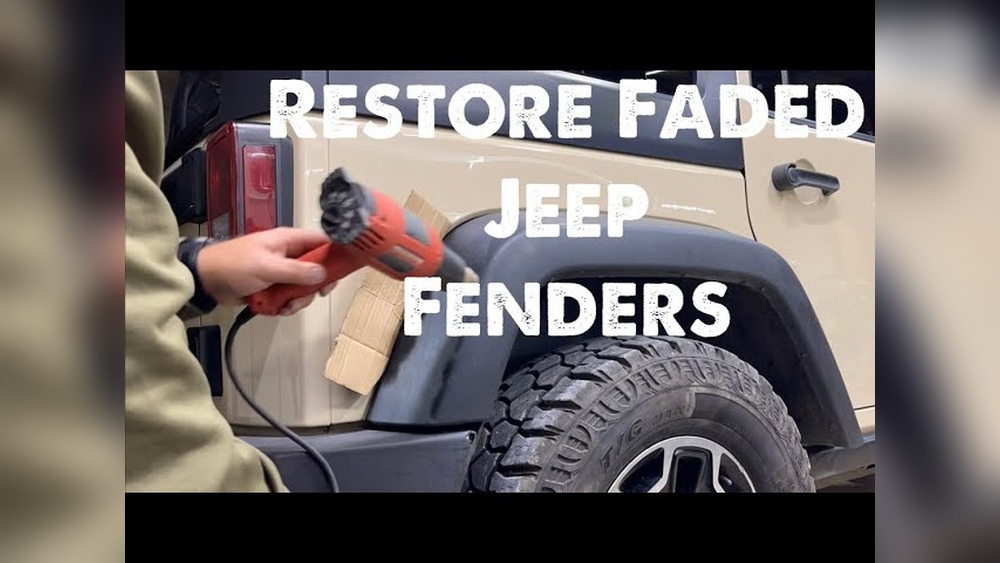
Jeep fenders protect your vehicle from mud, stones, and water. Most Jeeps have steel, aluminum, or plastic fenders. Each material needs a different approach. For example, steel fenders are strong but can rust, while plastic fenders fade but don’t rust. Knowing your fender type helps you choose the best restoration method.
| Material | Common Issues | Restoration Difficulty |
|---|---|---|
| Steel | Rust, dents, scratches | Medium |
| Aluminum | Dents, oxidation | Medium |
| Plastic | Fading, cracks | Easy |
Preparing For Restoration
Before starting, gather your tools and supplies. You will need:
- Sandpaper (various grits: 80, 180, 320)
- Body filler (for dents)
- Primer and paint (matched to your Jeep color)
- Rust remover (for steel fenders)
- Plastic restorer (for plastic fenders)
- Clean rags and water
- Masking tape
- Screwdrivers or socket wrench
Tip: Always wear gloves and eye protection when working with chemicals or sanding.
Remove the fender from your Jeep if possible. This makes the job easier and ensures you reach all damaged areas.
If you leave the fender on, use masking tape to protect nearby surfaces.
Step-by-step Restoration Process
1. Cleaning And Inspecting
Wash the fender with soap and water. Dry it completely. Look for rust spots, scratches, dents, or faded areas. Mark trouble spots with tape.
2. Sanding
Use coarse sandpaper (80 grit) to remove rust or old paint. For light scratches, finer sandpaper (180 320 grit) works best.
Sand in a circular motion until the surface is smooth.
Non-obvious insight: Many beginners skip sanding corners and edges. These areas often hold old paint or rust, so pay extra attention.
3. Repairing Damage
For steel or aluminum fenders:
- Fill dents with body filler. Apply in thin layers, let dry, then sand smooth.
- Use rust remover on rusty spots. Follow instructions for safe use.
For plastic fenders:
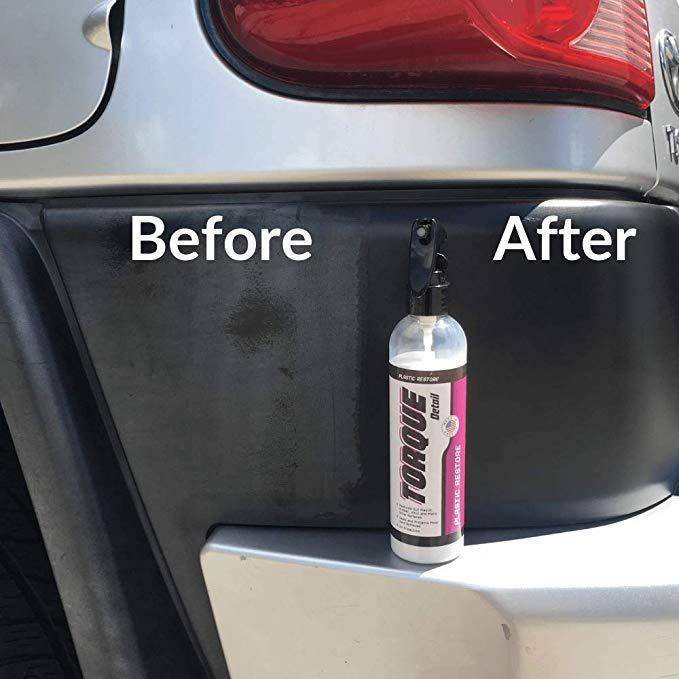
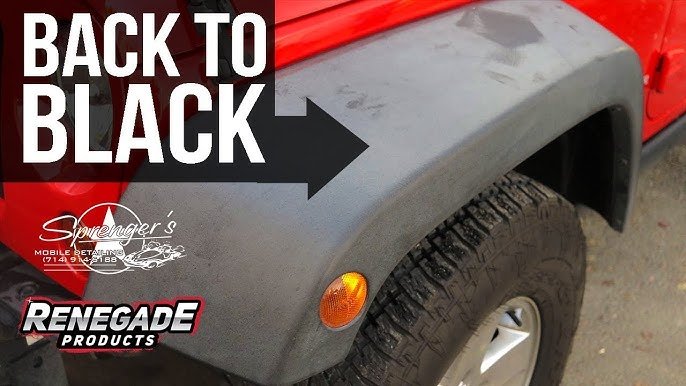
- If faded, use a plastic restorer. Apply with a rag and buff until shiny.
- For cracks, use a plastic repair kit. Sand, glue, and smooth the area.
4. Priming
Spray a thin coat of primer over the repaired area. Let it dry for 30 60 minutes.
This step helps paint stick and prevents future rust.
5. Painting
Apply paint in thin, even coats. Wait for each coat to dry before adding another.
Usually, 2 3 coats are enough for full coverage.
Practical tip: Use paint matched to your Jeep’s original color code. You can find this code on the vehicle’s door frame.
6. Reinstalling The Fender
Once paint is fully dry, reattach the fender using the original bolts. Make sure the fit is tight and even.
Test by gently shaking the fender there should be no movement.
Comparing Professional And Diy Restoration
Some Jeep owners hire professionals, while others do it themselves. Here’s a quick look at differences:
| Restoration Type | Average Cost | Time Required | Result Quality |
|---|---|---|---|
| Professional | $200–$600 | 1–3 days | High |
| DIY | $50–$150 | 4–8 hours | Medium–High |
DIY restoration saves money and lets you learn new skills, but it may take longer and the finish might not be perfect.
Common Mistakes To Avoid
- Skipping surface preparation: Always clean and sand before painting.
- Using the wrong paint: Match paint to your Jeep’s color code.
- Overusing body filler: Thin layers give better results.
- Painting in humid weather: Moisture can ruin paint jobs.
- Ignoring small rust spots: Rust spreads quickly if untreated.
Extra Tips Most Beginners Don’t Know
- Test your paint on a small area first. Sometimes paint looks different once dry.
- For deep scratches, use a primer with fillers. It covers imperfections better.
- If your Jeep is older, check for hidden rust under the fender edges.
Maintenance After Restoration
To keep your fenders looking new:
- Wash regularly to remove mud and salt.
- Wax painted fenders every few months.
- Inspect for chips or scratches and repair quickly.
Protecting your fenders will help them last longer and keep your Jeep looking sharp.
Frequently Asked Questions
How Long Does Jeep Fender Restoration Take?
Most DIY projects take 4–8 hours spread over a day or two. Professionals may finish in one day.
Can I Restore Fenders Without Removing Them?
Yes, but removing them makes access easier and gives better results. If you leave them on, use masking tape to protect nearby areas.
What’s The Best Paint For Jeep Fenders?
Use automotive paint matched to your Jeep’s color code. This ensures a professional look and lasts longer.
How Do I Fix Deep Rust On Steel Fenders?
Sand away rust, then use a rust converter or remover. If the rust is too deep, consider replacing the fender.
Where Can I Find Jeep Fender Restoration Guides?
You can find detailed guides and examples at JeepForum, where Jeep owners share their own restoration experiences.
Restoring your Jeep fenders is not just about looks it helps protect your vehicle and gives you hands-on experience. With the right tools, a careful approach, and attention to detail, your fenders can look almost new again.
Take your time, follow each step, and enjoy the satisfaction of a job well done.