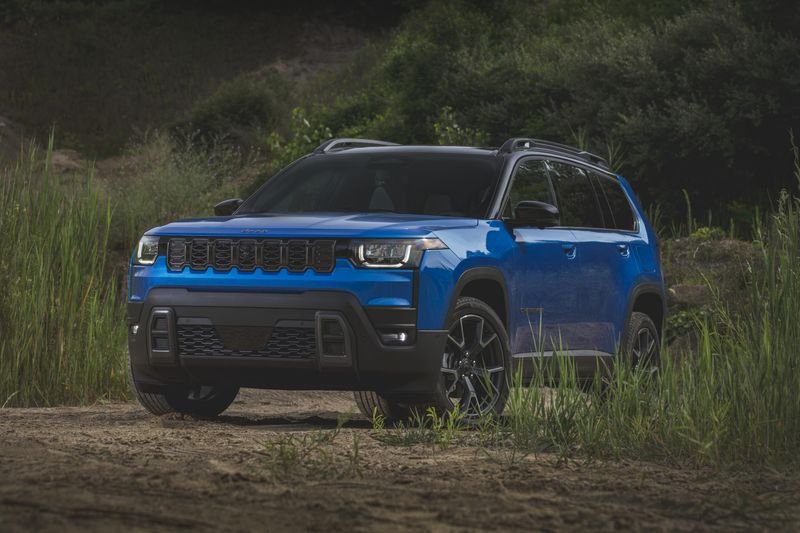
Restoring a Jeep hardtop is a rewarding project for any Jeep owner. Over time, hardtops can develop scratches, faded paint, or even cracks.
Weather, UV light, and rough trails can all take a toll. Thankfully, with the right tools and steps, you can bring your hardtop back to life improving both looks and durability.
This guide will walk you through each stage, from inspection to finishing touches, using simple language and practical advice.

Assessing The Condition
Before you start, take a close look at your Jeep hardtop. Check for:
- Surface scratches
- Faded or peeling paint
- Cracks or chips
- Rust on metal parts
- Damaged seals or hardware
Use a flashlight to find hidden cracks or weak spots. Gently press around problem areas to check for softness or deeper damage.
If you spot large cracks or holes, note their size and location these will need special attention later.
Gathering Tools And Materials
Successful restoration depends on having the right supplies. Here’s what you’ll need:
- Mild soap and water
- Automotive cleaner/degreaser
- Sandpaper (grits 120, 220, 400)
- Plastic epoxy or fiberglass repair kit
- Automotive primer
- Acrylic or urethane paint
- Masking tape and plastic sheets
- Rubber seal conditioner
- Screwdrivers and basic tools
For best results, buy paint that matches your Jeep or use a textured black finish for a classic look. Always check if your hardtop is fiberglass or plastic some products work better on certain materials.
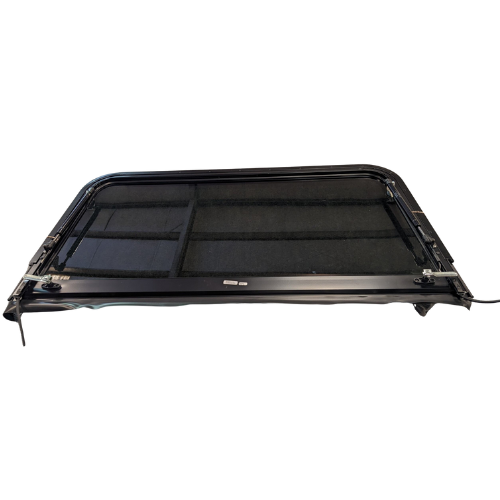
Cleaning And Preparation
A clean surface is key. Dirt or oil will ruin paint adhesion. Start by washing the hardtop with mild soap and water. Rinse thoroughly and let it dry. Next, wipe down with automotive cleaner to remove any grease.
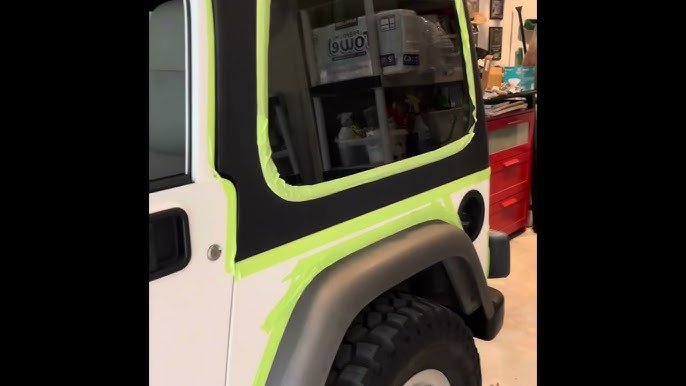
Use masking tape to cover windows, handles, and rubber seals. Lay plastic sheets around your workspace to catch dust and paint spray.
Repairing Damage
Fixing Scratches And Scuffs
Light scratches can be removed by sanding. Start with 120-grit sandpaper for deeper marks, then finish with 220-grit. Sand in a circular motion, keeping the area smooth.
Repairing Cracks And Holes
For cracks or holes, use a plastic epoxy or fiberglass repair kit. Here’s a quick comparison:
| Repair Material | Best For | Dry Time | Difficulty |
|---|---|---|---|
| Plastic Epoxy | Small cracks | 30 mins | Easy |
| Fiberglass Kit | Large holes | 1-2 hours | Medium |
Clean the area, apply the repair compound, and let it dry fully. Sand the surface smooth once cured.
Addressing Rust
If your hardtop has any metal hardware with rust, remove it with a wire brush or rust remover. Replace badly corroded parts to ensure long life.
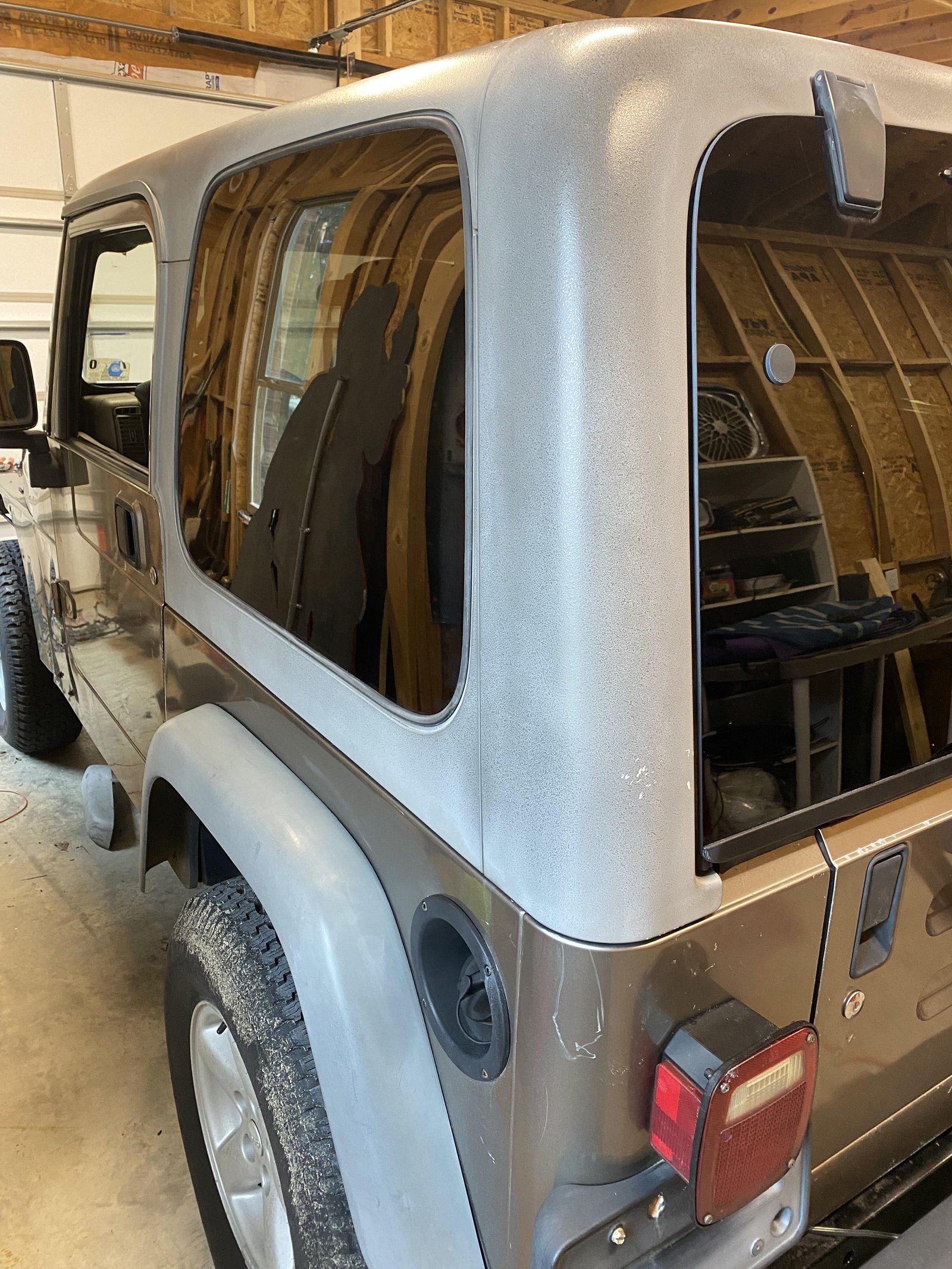
Sanding And Priming
Sanding creates a smooth surface for primer and paint. Use 400-grit sandpaper for the whole top, working gently to avoid grooves. Wipe away dust with a damp cloth.
Apply a thin layer of automotive primer. This helps paint stick and covers small imperfections. Let the primer dry as recommended on the can—usually 30 to 60 minutes.
Painting The Hardtop
Choose a warm, dry day for painting. Use acrylic or urethane automotive paint for best durability. Here’s a quick look at how these paints compare:
| Paint Type | Finish | UV Protection | Cost |
|---|---|---|---|
| Acrylic | Semi-gloss | Moderate | Low |
| Urethane | Glossy | High | Medium |
Spray in even, overlapping strokes, holding the can about 12 inches away. Apply two or three light coats, letting each dry before the next.
Don’t rush thick coats can drip or bubble.
After the final coat, let the paint cure for at least 24 hours. Avoid touching or installing the top until fully dry.
Reinstalling Hardware And Seals
Remove masking tape and clean any overspray from windows. Reinstall all hardware, tightening screws gently to avoid cracking. Condition rubber seals with a rubber seal conditioner to restore flexibility and prevent leaks.
If seals are cracked or dry, replace them. New weatherstripping can make a big difference in noise reduction and water resistance.
Tips For A Lasting Finish
- Store your Jeep out of direct sunlight when possible
- Wash the hardtop with mild soap; avoid harsh cleaners
- Touch up chips or scratches quickly to prevent spreading
- Wax the hardtop every few months for extra protection
Many owners forget to maintain seals this is a common reason for leaks after restoration. Also, using the wrong primer can cause paint to peel.
Always check product labels for compatibility with your top’s material.
Frequently Asked Questions
How Long Does It Take To Restore A Jeep Hardtop?
Most restorations take 1-2 days. Cleaning and repairs may take a few hours. Drying paint and primer will require extra time, so plan for at least a weekend.
What Kind Of Paint Should I Use?
Use automotive-grade acrylic or urethane paint. These paints resist weather and UV rays. Never use house paint—it won’t last and may damage the surface.
Can I Repair Large Holes In The Hardtop?
Yes, large holes can be fixed with a fiberglass repair kit. For holes bigger than 2 inches, reinforce the area with mesh before applying resin. For very large damage, professional help may be best.
How Can I Prevent Leaks After Restoration?
Check and replace all rubber seals and weatherstripping. Apply seal conditioner, and tighten hardware evenly. Test for leaks with a hose before regular use.
Where Can I Find More Detailed Guides?
For more step-by-step visuals and product reviews, visit the JL Wrangler Forum.
Restoring your Jeep hardtop is a project you can do at home with patience and care. Each step, from cleaning to painting, adds years to your hardtop’s life.
With the right approach, your Jeep will look sharp and stay protected for your next adventure.