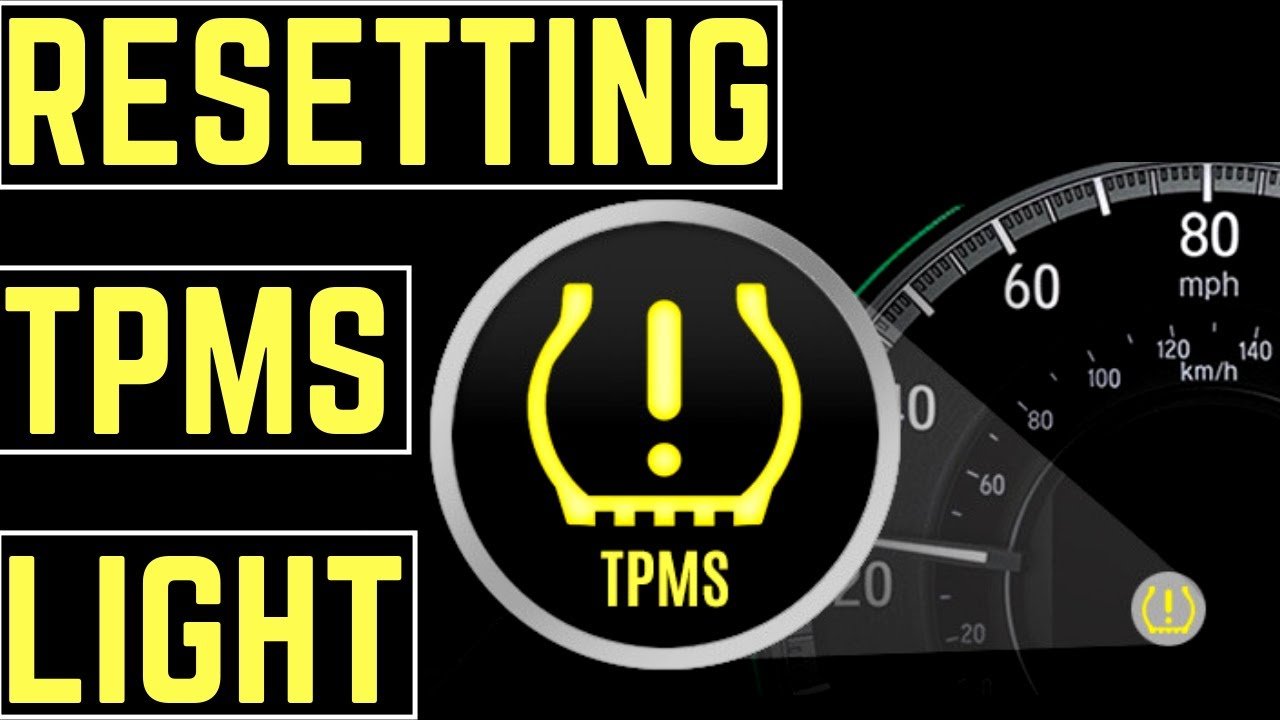
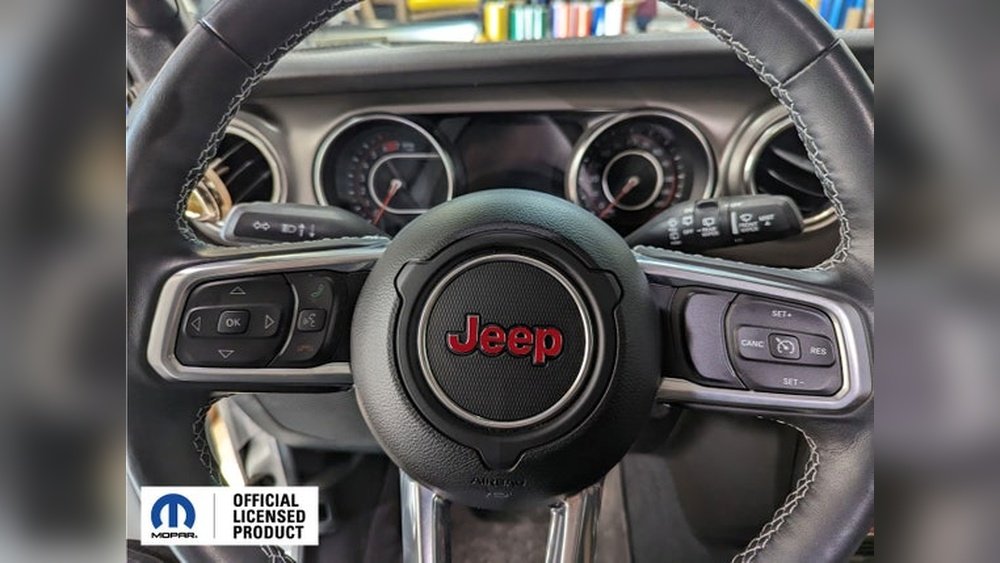
If you drive a Jeep Patriot, you know how important tire pressure is for safety and performance. When the tire pressure sensor warning light comes on, it can be confusing and stressful.
Maybe you just inflated your tires, but the light stays on. Or you replaced a tire and now the sensor won't reset.
Learning how to reset the tire pressure sensor on a Jeep Patriot is simple when you know the right steps. This guide explains the process clearly, with practical advice and helpful tips to save you time and trouble.
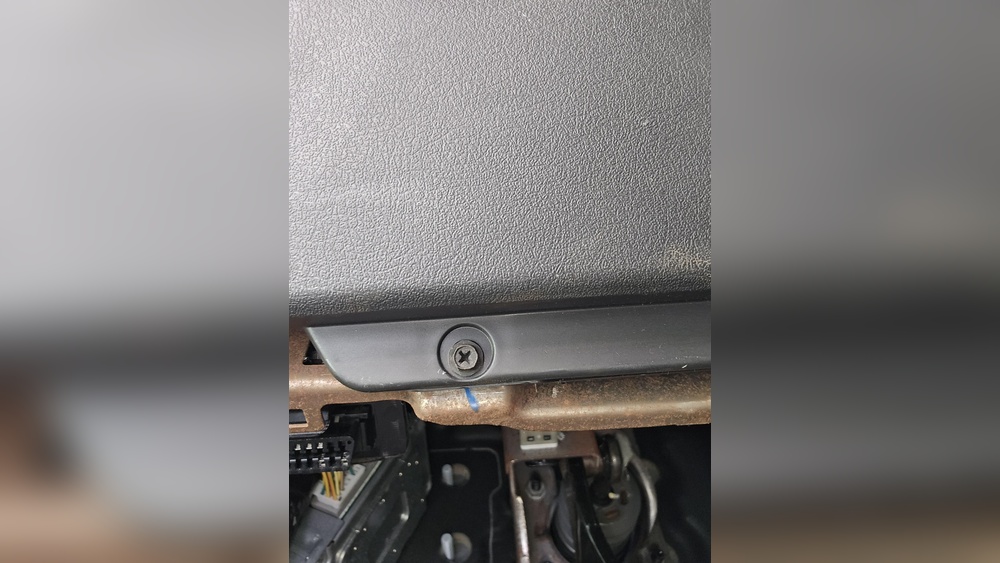
Understanding Tire Pressure Sensors In Jeep Patriot
The Jeep Patriot uses TPMS (Tire Pressure Monitoring System) to check the air pressure in each tire. If a tire is too low, the TPMS warning light appears on your dashboard. The system uses sensors inside each tire to send information to the car’s computer.
There are two main types of sensors:
- Direct sensors: These are inside the wheel and measure pressure directly.
- Indirect sensors: These use the ABS system to estimate pressure.
Most Jeep Patriots from 2007 to 2017 use direct sensors. The sensors can lose calibration after a tire change, rotation, or if you add air.
Resetting is necessary to clear the warning light.
Steps To Reset Tire Pressure Sensor Jeep Patriot
Resetting the tire pressure sensor is not difficult, but doing it incorrectly can cause problems. Follow these steps carefully:
- Check Tire Pressure: Use a reliable tire gauge. The recommended pressure is usually 32 PSI for Jeep Patriot tires. Check the sticker inside the driver’s door for exact numbers.
- Inflate or Deflate Tires: Adjust each tire to the correct PSI. Don’t forget the spare tire if your Patriot has a sensor in the spare.
- Turn On the Ignition: Start your Jeep, but don’t drive yet.
- Drive for 10–30 Minutes: The TPMS system recalibrates itself while driving. Go at least 15 mph for 10–30 minutes. In most cases, the warning light will turn off.
- Manual Reset (if needed): If the light stays on, turn off the engine, wait 10 minutes, then restart. Sometimes, disconnecting the battery for 10–15 minutes resets the system, but this should be a last resort.
Common Mistakes To Avoid
- Ignoring the sticker’s PSI recommendation and using random pressure values.
- Not checking all four tires (or five, if the spare has a sensor).
- Trying to reset before adjusting tire pressure.
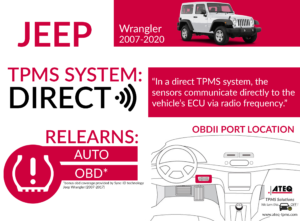
When Sensor Reset Doesn’t Work
Sometimes, the light stays on even after following the steps. This usually means:
- Faulty sensor: Sensors can break or lose battery power (they last about 5–7 years).
- Wiring issues: Damaged wires can cause errors.
- Wrong tire type: Aftermarket wheels may not support TPMS.
If the sensor is bad, it needs replacement. A mechanic can check for faults using a TPMS scan tool.
Jeep Patriot Tire Pressure Data
Here’s a quick comparison of recommended tire pressures for different Jeep Patriot models:
| Model Year | Front Tires (PSI) | Rear Tires (PSI) | Spare Tire (PSI) |
|---|---|---|---|
| 2007–2010 | 32 | 32 | 60 |
| 2011–2017 | 32 | 32 | 60 |
Always check your own Jeep’s sticker for the exact PSI.
Tpms Sensor Types Compared
Jeep Patriots mainly use direct sensors. Here’s how direct and indirect sensors compare:
| Sensor Type | How It Works | Pros | Cons |
|---|---|---|---|
| Direct | Measures pressure inside tire | Accurate, real-time data | More expensive, needs battery |
| Indirect | Estimates pressure using ABS | Cheaper, no battery | Less accurate, slower updates |
Aftermarket Tpms Sensors And Compatibility
If you replace wheels or sensors, make sure new sensors are compatible with Jeep Patriot. There are OEM sensors (original from Jeep) and aftermarket sensors (made by other companies).
| Sensor Brand | Warranty | Estimated Lifespan | Compatibility |
|---|---|---|---|
| OEM | 12 months | 5–7 years | Guaranteed fit |
| Aftermarket | 6–24 months | 4–7 years | May require reprogramming |
Non-obvious tip: Some aftermarket sensors need a special TPMS tool to pair with your Jeep. If you buy cheap sensors, check if you need extra equipment.
Practical Tips For Jeep Patriot Owners
- Carry a digital tire gauge in your glove box. Analog gauges can be inaccurate.
- If your TPMS light flashes before staying on, it means the sensor battery is dying.
- Don’t ignore the TPMS light. Driving with wrong pressure can cause accidents and damage the tires.
Insider advice: If you rotate your tires, ask the mechanic to reset the sensors. Many shops forget this step, and the warning light can come back days later.
For further reading on TPMS systems, visit Consumer Reports.
Frequently Asked Questions
Why Does The Tire Pressure Sensor Light Stay On After I Inflate My Tires?
The light can stay on if the tires are still underinflated, if the sensor needs time to recalibrate, or if there is a faulty sensor. Try driving for 10 30 minutes after inflating.
If the light does not turn off, check for sensor problems.
How Do I Know If My Jeep Patriot’s Tpms Sensor Is Bad?
If the TPMS light flashes for 60 seconds and then stays on, the sensor is likely bad. Mechanics can use a TPMS scan tool to confirm.
Can I Reset The Tire Pressure Sensor Without Any Tools?
Yes, you can reset the sensor by inflating all tires to the correct PSI and driving for at least 10 minutes at 15 mph. Advanced resets may need a scan tool if you change sensors.
Is It Safe To Drive With The Tpms Light On?
No, driving with the TPMS light on can be dangerous. It means at least one tire is underinflated.
Low tire pressure increases the risk of tire blowouts and poor handling.
Do I Need To Reset The Sensor After Changing Tires Or Wheels?
Yes, after changing tires or wheels, you should check and reset the TPMS sensor. New tires or wheels may need the sensor to be reprogrammed for your Jeep Patriot.
Resetting the tire pressure sensor on your Jeep Patriot is easy once you know the steps. Always check tire pressure, follow the recommended PSI, and drive to allow the system to reset. If problems continue, check for faulty sensors or get professional help. Taking care of your TPMS ensures safer driving and longer tire life.