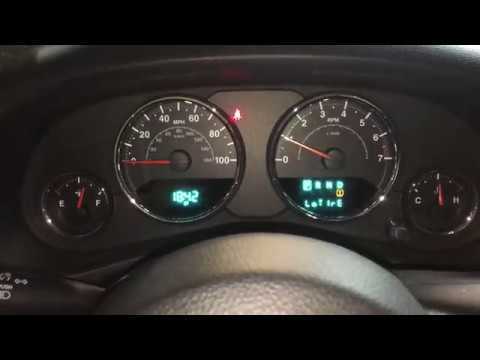
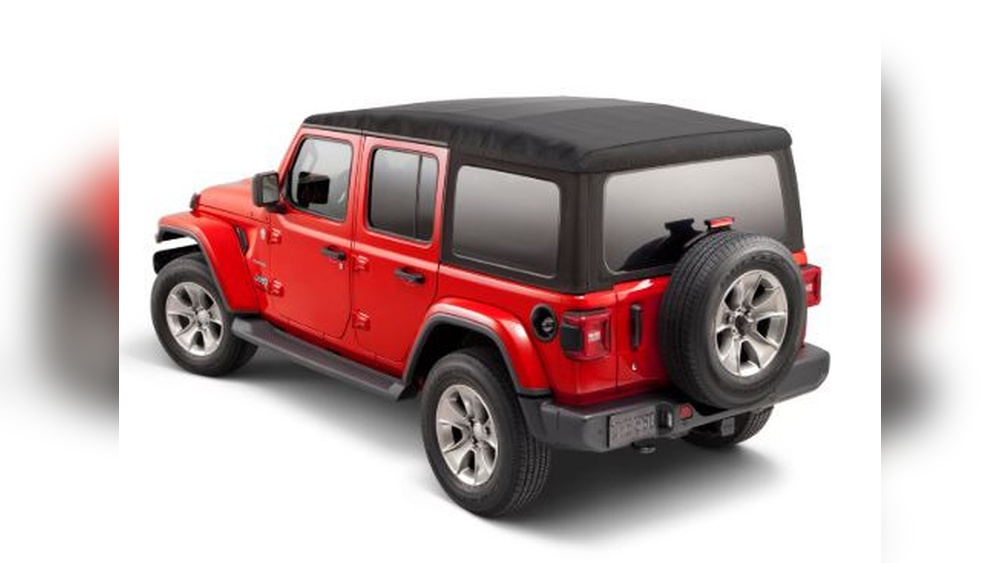
If your tire pressure light is on in your Jeep Patriot, it can be annoying and confusing. Many drivers worry about safety, but sometimes the light stays on even after inflating the tires.
Understanding how to reset this warning can save you time and stress. Let’s explore clear steps to fix the tire pressure light, reasons it might stay on, and a few practical tips for Jeep Patriot owners.
What Does The Tire Pressure Light Mean?
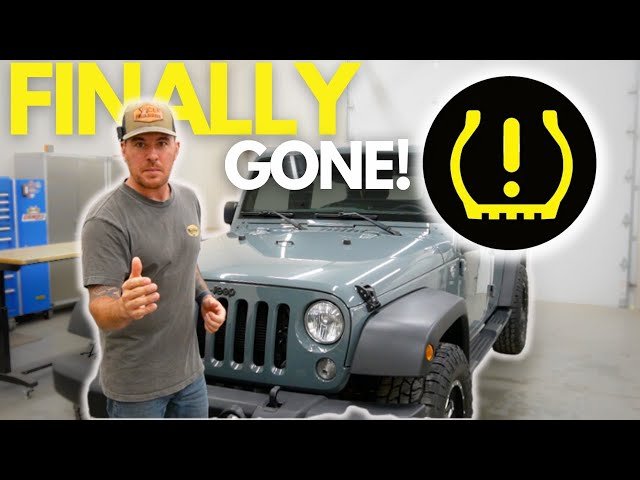
The tire pressure light is part of your car’s TPMS (Tire Pressure Monitoring System). When the sensor detects low air in one or more tires, it turns on the warning light. This alerts you to check tire pressure, which is critical for safety and fuel efficiency.
According to the National Highway Traffic Safety Administration, underinflated tires contribute to thousands of accidents each year. Keeping tires at the correct pressure can improve gas mileage by up to 3% and extend tire life.
Reasons The Tire Pressure Light Stays On
Sometimes, the light stays on after adding air. Here are common reasons:
- Incorrect tire pressure: One or more tires may still be low or overfilled.
- Faulty TPMS sensor: Sensors can fail or lose battery power.
- Temperature changes: Cold weather can lower tire pressure, triggering the light.
- Spare tire issues: If your Jeep Patriot has a sensor in the spare, it can cause the warning.
- Slow leaks: You may have a puncture or damaged valve.
Here’s a quick comparison of possible causes and solutions:
| Cause | Common Solution | Difficulty Level |
|---|---|---|
| Incorrect Pressure | Check and adjust with gauge | Easy |
| Sensor Failure | Replace sensor | Moderate |
| Temperature Drop | Reinflate tires | Easy |
| Spare Tire Issue | Inflate spare | Easy |
| Slow Leak | Repair tire | Moderate |
How To Reset Tire Pressure Light On Jeep Patriot
Resetting the tire pressure light is simple if you follow these steps. You don’t need special tools or technical knowledge.
- Check tire pressures: Use a reliable gauge to check all four tires and the spare. The recommended pressure for Jeep Patriot is usually 32 PSI. Find this number on your driver’s door sticker.
- Inflate or deflate tires: Adjust each tire to the recommended pressure. Don’t forget the spare if your model has a sensor.
- Drive for a few minutes: After adjusting, drive your Jeep for 10–15 minutes at 15 mph or faster. The TPMS should reset automatically.
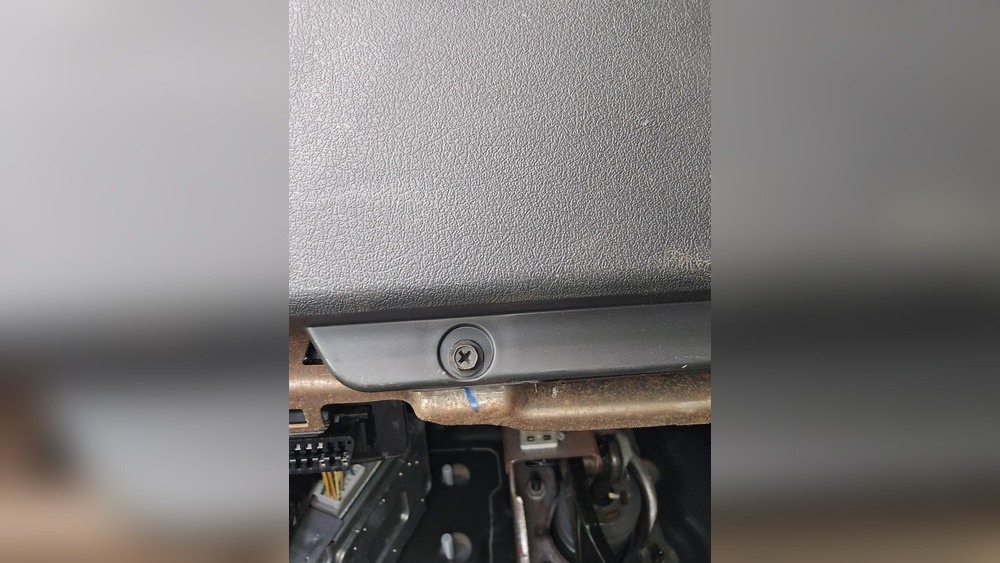
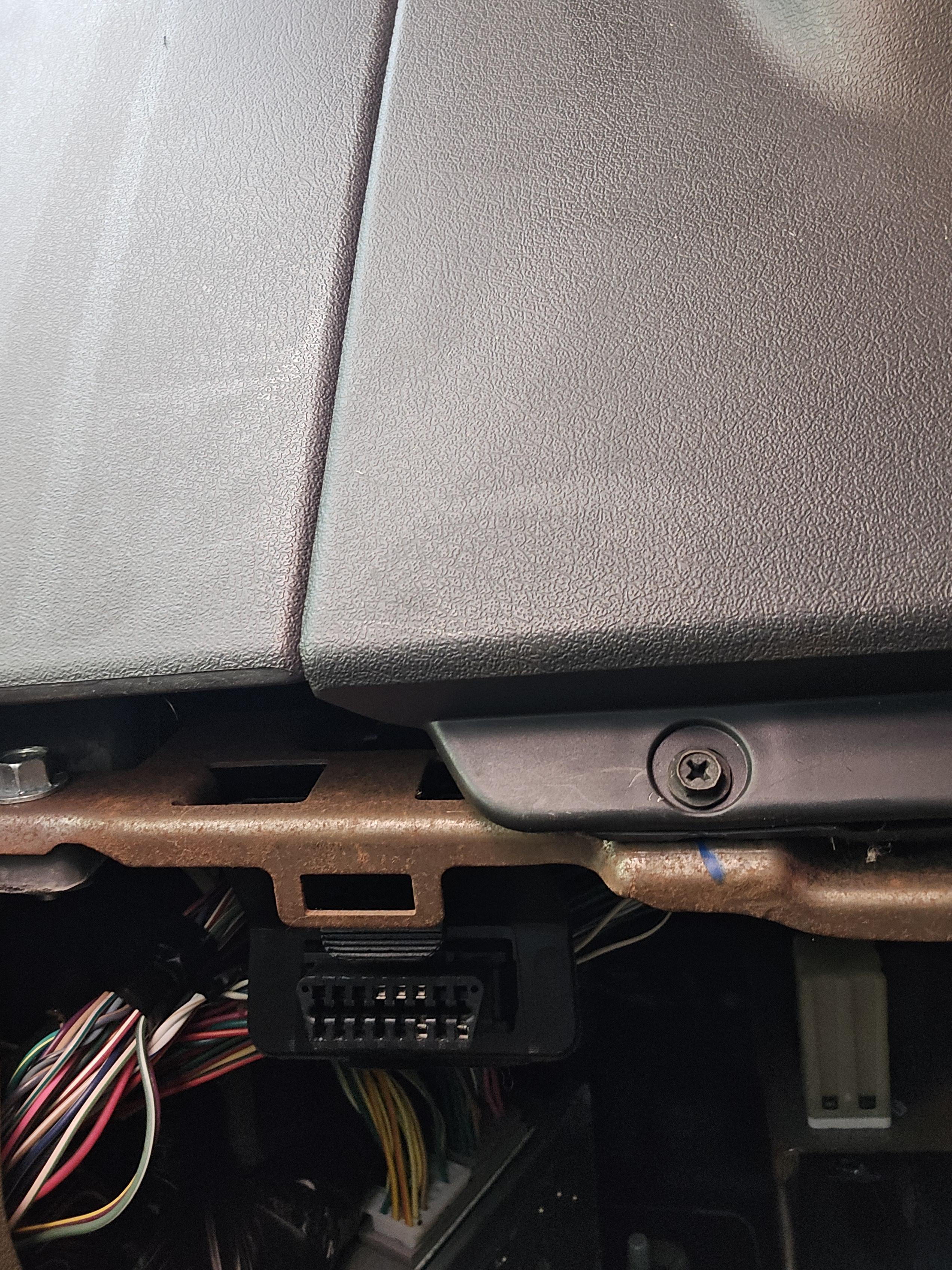
- Manual reset: If the light doesn’t turn off, turn the ignition off, then restart. Some models have a reset button under the steering column or in the glove box. Hold it for 10 seconds if available.
- Inspect for leaks or damage: If the light is still on, check for nail punctures or valve issues. Sometimes, a slow leak will trigger the warning.
- Professional help: If you suspect a faulty sensor or the light won’t reset, visit a mechanic. Sensor replacement is usually quick and inexpensive.
Here’s a table comparing automatic and manual reset methods:
| Reset Method | Steps | Success Rate |
|---|---|---|
| Automatic | Adjust pressure, drive 10–15 min | High |
| Manual Button | Press reset button, hold 10 sec | Medium |
| Ignition Cycle | Turn off/on, drive short distance | Medium |
| Professional Scan Tool | Mechanic resets system | Very High |
Tips For Preventing Tire Pressure Light Problems
You can avoid frequent TPMS warnings with a few simple habits:
- Check tire pressure monthly: Use a digital gauge for accuracy.
- Inspect tires visually: Look for cracks, bulges, or nails.
- Rotate tires regularly: Every 6,000–8,000 miles for even wear.
- Replace sensors: TPMS sensors last about 5–7 years. If you replace tires, consider new sensors.
- Watch for weather changes: Cold air causes pressure drops. Check more often in winter.
Many Jeep Patriot owners miss that the spare tire sometimes has a sensor. If your spare is underinflated, the TPMS will activate, even if the other tires are fine. Also, some drivers inflate tires to the maximum number on the tire sidewall, but this is wrong. Always use the number from the driver’s door sticker.
When To See A Mechanic
If you follow all steps and the light stays on, it’s time for expert help. Common signs you need a mechanic:
- The warning light blinks or flashes (not just stays solid).
- You hear hissing or see a flat tire after filling.
- Reset button or ignition cycle doesn’t work.
A mechanic can use a scan tool to pinpoint sensor faults. Most repairs cost $50–$200, depending on the problem.
Frequently Asked Questions
Why Does My Jeep Patriot Tire Pressure Light Stay On After I Add Air?
This usually means one tire is still low, or the TPMS sensor needs time to reset. It can also happen if the spare tire is underinflated, or a sensor is faulty.
How Do I Know If My Tpms Sensor Is Bad?
Common signs are a flashing tire pressure light, incorrect readings, or the light staying on for days. Mechanics can test sensors with a scan tool.
Can I Reset The Tire Pressure Light Without A Mechanic?
Yes. Most Jeep Patriots reset automatically after inflating all tires and driving for 10 15 minutes.
Some models have a manual reset button. If these don’t work, see a mechanic.
Does Cold Weather Affect Tire Pressure Sensors?
Absolutely. Cold air makes tires contract, lowering pressure.
This often causes the light to turn on in winter. Check and adjust tire pressure more often during cold months.
Where Can I Find The Recommended Tire Pressure For Jeep Patriot?
The best place is the driver’s door sticker. It shows the correct PSI for your car’s tires. You can also check the Jeep Patriot owner’s manual or visit NHTSA for tire safety information.
Resetting the tire pressure light on your Jeep Patriot is simple if you follow the right steps. Keeping your tires properly inflated helps your car drive safely and saves money over time.
If the light won’t turn off after basic checks, don’t ignore it get professional help.
With regular maintenance, you’ll spend less time worrying and more time enjoying your drive.