Resetting a shift solenoid in your vehicle can solve many automatic transmission problems. When a shift solenoid fails or malfunctions, you may notice hard shifting, gear slippage, or your car staying in one gear.
Understanding how to reset a shift solenoid safely can restore normal transmission function and save you time and money.
This guide will walk you through the process step-by-step, explain key concepts, and share essential safety tips.

What Is A Shift Solenoid?
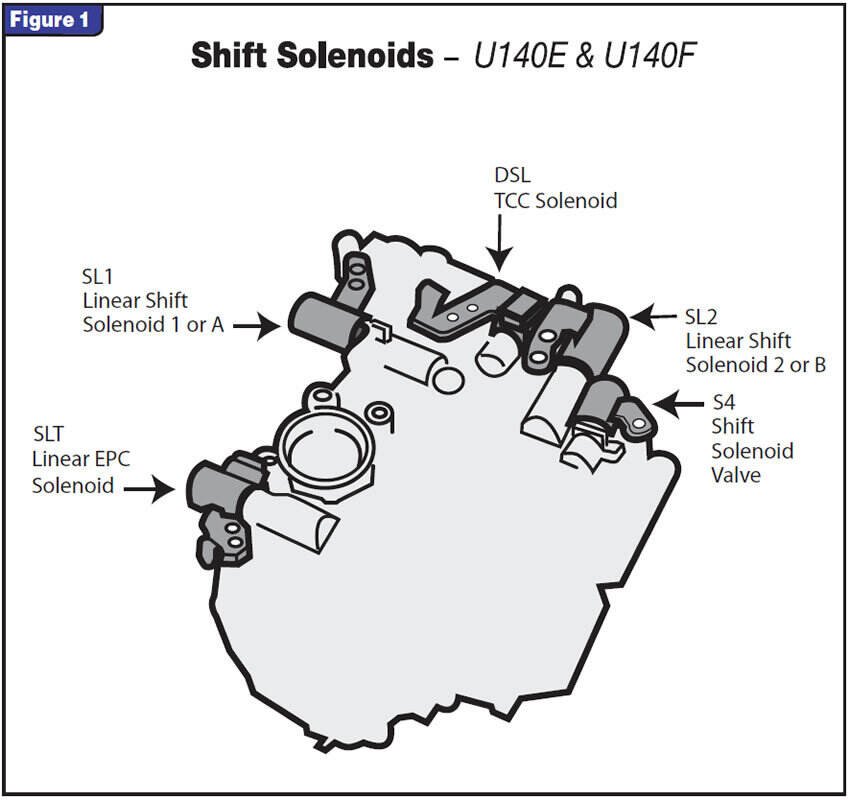
A shift solenoid is an electronic component inside an automatic transmission. It controls the flow of transmission fluid, which allows your car to shift gears smoothly. When the solenoid receives signals from the transmission control module, it opens or closes to change gears at the right time.
Common signs of a faulty shift solenoid include:
- Check engine light turning on
- Delayed or harsh shifting
- Transmission stuck in one gear
- Decreased fuel efficiency
Not all transmission issues come from the solenoid, but it’s a common cause and often the easiest to fix without a full rebuild.
When Should You Reset A Shift Solenoid?
Resetting a shift solenoid is not always the first step. Sometimes, cleaning or replacing the solenoid is necessary. However, a reset can help if:
- You replaced a faulty solenoid and need to clear transmission codes.
- The transmission control module (TCM) is confused by old error codes.
- You experience shifting problems after changing transmission fluid.
It’s important to note: a reset does not fix a physically damaged or stuck solenoid. It only clears electronic faults, so if mechanical issues exist, repair or replacement is required.
Tools And Preparation
Before you begin, gather these items:
- OBD-II scanner (for most cars made after 1996)
- Basic hand tools (screwdriver, socket set)
- Safety gloves
- Owner’s manual (for your specific vehicle)
Safety tip: Work on a cool engine. Always use parking brakes and, if possible, wheel chocks.
Step-by-step: How To Reset A Shift Solenoid
1. Connect An Obd-ii Scanner
Locate the OBD-II port under your dashboard. Plug in your OBD-II scanner. Turn your ignition key to the “ON” position (engine off).
2. Read Transmission Error Codes
Use the scanner to check for transmission-related codes. Write down any codes you see. This helps if you need to refer to them later.
3. Clear Fault Codes
Most scanners have a "Clear Codes" or "Erase Codes" option. Select this.
The scanner will clear the stored error codes from the transmission control module.
4. Disconnect The Battery
Unplug the negative battery cable for about 10 minutes. This helps reset the transmission’s adaptive memory, especially in older vehicles.
5. Reconnect Battery And Test Drive
Reconnect the battery cable. Start your car and allow it to idle for a few minutes.
Then, take a short drive to let the transmission relearn shifting patterns.
Here’s a quick comparison of common reset methods:
| Method | Tools Needed | Effectiveness |
|---|---|---|
| OBD-II Scanner | Scanner | High |
| Battery Disconnect | Wrench | Medium |
| Manual Shifting | None | Low |
Tips For A Successful Reset
- Always use a quality OBD-II scanner for best results.
- Check your vehicle’s manual for special reset procedures.
- If the check engine light returns, the issue may be mechanical.
- Avoid repeated resets without fixing the underlying problem.
Common Mistakes To Avoid
Many beginners make these mistakes:
- Skipping the diagnostic scan: Never reset codes without reading them first.
- Ignoring safety: Always disconnect the battery safely.
- Overlooking the transmission fluid: Dirty or low fluid can mimic solenoid issues.
- Expecting a reset to fix everything: A reset helps only with electronic faults, not physical damage.
Here’s how different symptoms can point to different issues:
| Symptom | Possible Cause | Reset Effective? |
|---|---|---|
| Harsh Shifting | Solenoid or fluid issue | Sometimes |
| Gear Slippage | Worn clutches | No |
| Check Engine Light | Electronic fault | Yes |

How To Tell If The Reset Worked
After resetting, monitor your vehicle:
- The check engine light should stay off.
- Shifting should feel smoother.
- No new error codes should appear after a test drive.
If problems return, further diagnosis or repair may be needed.
When To Seek Professional Help
If you are unsure or uncomfortable with car electronics, it’s wise to consult a mechanic. Also, if the reset does not solve the problem, the solenoid may be physically damaged.
A trained technician can test wiring, solenoids, and the transmission control module.
According to the Wikipedia article on shift solenoids, modern cars rely heavily on electronic solenoids, making proper diagnosis and reset essential for transmission health.

Frequently Asked Questions
What Is A Shift Solenoid’s Main Function?
A shift solenoid controls the flow of transmission fluid to change gears in an automatic transmission. It receives signals from the car’s computer to open or close at the correct time.
Can Resetting A Shift Solenoid Fix All Transmission Problems?
No. Resetting clears electronic errors, but it will not fix mechanical damage or worn internal parts. Always diagnose the real cause before resetting.
Do I Need Special Tools To Reset A Shift Solenoid?
A basic OBD-II scanner is usually enough. Some vehicles may require dealer-level tools for advanced resets, especially newer models.
How Do I Know If My Shift Solenoid Is Bad Or Just Needs A Reset?
If issues return after a reset, or if you hear unusual noises or see transmission fluid leaks, the solenoid may be physically damaged and needs inspection or replacement.
Is It Safe To Drive With A Faulty Shift Solenoid?
It’s not recommended. Driving with a faulty solenoid can cause further transmission damage and leave you stranded. Address the issue as soon as possible.
Resetting your shift solenoid is a practical first step for many automatic transmission problems. With the right tools and some patience, you can restore smooth shifting and avoid costly repairs.
If you’re ever unsure, seeking professional help is always a smart choice.