Resetting a shift solenoid is a task many car owners face, especially when their automatic transmission starts acting up. The shift solenoid controls gear shifting in automatic transmissions, telling the system when to change gears.
If your car has trouble shifting, delays between gears, or error codes like P0750 P0770, your shift solenoid may need a reset.
This article explains how to reset the shift solenoid, gives practical advice, and shares data to help you make the right decisions.

Understanding The Shift Solenoid
The shift solenoid is a small valve inside the transmission that receives electrical signals from the car’s computer. It regulates hydraulic fluid flow, so the transmission shifts smoothly. When it malfunctions, you may notice:
- Hard or delayed shifting
- Gear slipping
- Transmission stuck in one gear
- Warning lights on the dashboard
According to the National Highway Traffic Safety Administration, about 15% of automatic transmission failures are related to solenoid issues.
Preparing For The Reset
Before you start, confirm that the shift solenoid is the problem. Scanning your car with an OBD-II scanner can help. Look for codes like P0750 (Shift Solenoid A), P0755 (Shift Solenoid B), or P0760 (Shift Solenoid C). If you see these, a reset may be needed.
Tools and materials required:
- OBD-II scanner
- Basic hand tools (screwdrivers, socket set)
- Clean rags
- Transmission fluid (if needed)
- Safety gloves
Safety tip: Always let the engine cool down and disconnect the battery before working on the transmission.
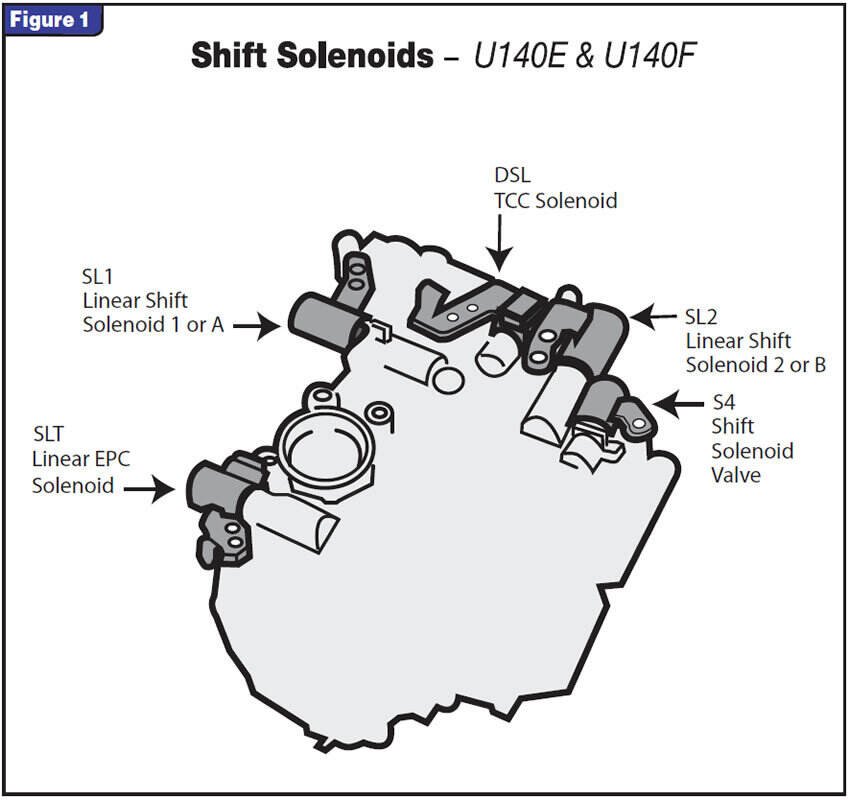
Steps To Reset The Shift Solenoid
Resetting the shift solenoid can sometimes solve minor electrical glitches. However, if the solenoid is physically damaged or clogged, replacement may be necessary. Here’s how to reset it:
- Disconnect the battery
- Turn off the car and remove the negative battery cable. Wait 15 minutes. This allows the car’s computer to reset.
- Locate the transmission control module (TCM)
- The TCM is usually found near the transmission or under the hood. Check your vehicle’s manual for exact location.
- Reconnect the battery
- After waiting, reconnect the battery cable.
- Clear error codes
- Use an OBD-II scanner to clear any transmission-related codes. This prompts the TCM to relearn the solenoid’s position.
- Drive the vehicle
- Take the car for a test drive. Accelerate smoothly and shift through all gears. The computer will recalibrate the solenoid.
- Check for warning lights
- If the dashboard light returns or the shifting problem persists, the solenoid may need cleaning or replacement.
Example: Toyota Camry (2010–2015)
Many Toyota Camry owners report shift solenoid errors. Resetting often restores normal shifting. In most cases, the process takes 30–45 minutes. However, if the problem is mechanical, replacing the solenoid costs around $250–$400.
Comparing Reset Vs. Replacement
Sometimes, resetting is enough. Other times, the solenoid must be replaced. Here’s a quick comparison:
| Method | Time Required | Cost | Success Rate |
|---|---|---|---|
| Reset | 30–60 min | $0 (DIY) | 60% |
| Replacement | 2–4 hrs | $250–$600 | 95% |
Non-obvious insight: If your car has more than 100,000 miles, resetting may only work temporarily. Older solenoids often fail again within a few months.

Common Mistakes When Resetting
Many beginners make errors that can lead to more problems. Here’s what to avoid:
1. Skipping Battery Disconnection
Always disconnect the battery before clearing codes. If not, the TCM may not reset properly.
2. Ignoring Fluid Condition
Dirty or old transmission fluid can cause solenoid problems. Check and replace fluid if needed.
3. Not Using An Obd-ii Scanner
Manual resets without clearing codes rarely solve the issue.
4. Forgetting To Test Drive
The computer needs driving data to recalibrate. Always drive after resetting.
Data: Solenoid Failure Rates By Vehicle Age
The likelihood of shift solenoid failure grows as vehicles age. This data shows how risk increases:
| Vehicle Age (years) | Failure Rate (%) |
|---|---|
| 0–3 | 3% |
| 4–7 | 8% |
| 8–12 | 16% |
| 13+ | 22% |
Tip: If your vehicle is older than 10 years, consider replacing the solenoid instead of just resetting.

Practical Tips For Success
- Use a quality OBD-II scanner. Cheap models can miss important codes.
- Always check transmission fluid. Clean fluid helps solenoids work longer.
- If resetting does not solve the problem, get a professional inspection.
- Some vehicles require a special sequence of gear shifting during the test drive. Check your owner’s manual.
Non-obvious insight: Some modern cars store error codes even after disconnecting the battery. In these cases, only a scanner can clear codes.
If you need more technical details, see the official AA1Car transmission solenoid guide.
Frequently Asked Questions
What Are The Symptoms Of A Bad Shift Solenoid?
Common signs include hard shifting, delayed gear changes, gear slipping, and check engine light. Your car may also stay in one gear.
Can I Reset The Shift Solenoid Without A Scanner?
It’s possible by disconnecting the battery, but it’s less reliable. Using an OBD-II scanner ensures all codes are cleared.
How Much Does It Cost To Replace A Shift Solenoid?
Most repairs cost $250–$600 depending on vehicle type and labor rates. Luxury cars may cost more.
Will Resetting The Solenoid Fix All Transmission Problems?
No. Resetting only solves electrical glitches. If the solenoid is damaged or clogged, it must be replaced.
How Long Does A Reset Last?
A successful reset can last months or years, but in older cars, problems may return. If issues reappear, replacement is recommended.
Resetting your shift solenoid can save time and money, but it’s not a permanent fix for all transmission problems. Understanding the process, using proper tools, and knowing when to seek help will keep your car running smoothly.



















