Replacing a wheel speed sensor on your Jeep Wrangler is a straightforward task if you approach it with care. This sensor is essential for your vehicle’s ABS system and traction control.
When it fails, you may notice warning lights or experience rough braking. Many owners fix it themselves to save money and time.
With the right tools and steps, you can restore your Jeep’s performance without a visit to the mechanic.
What Is A Wheel Speed Sensor?
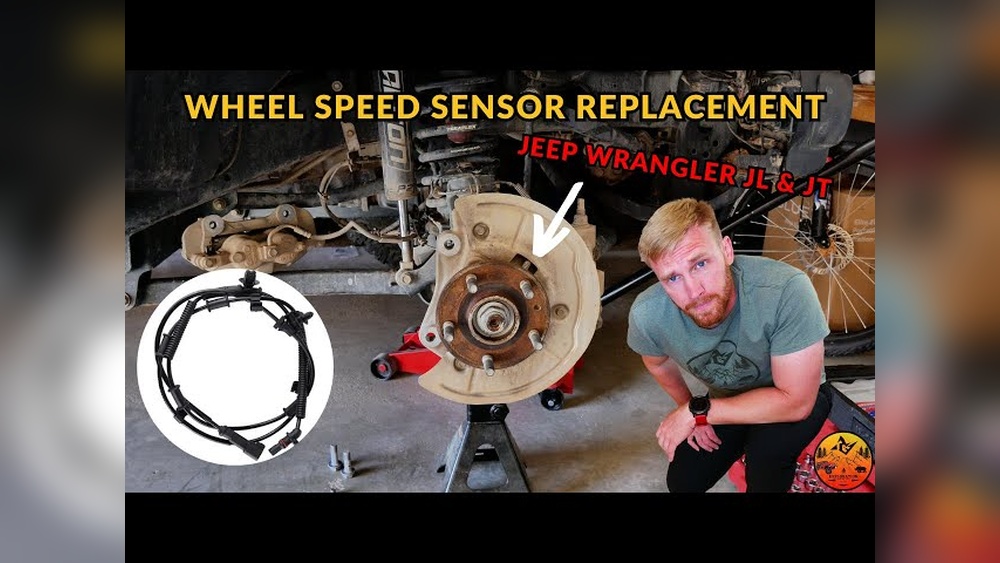
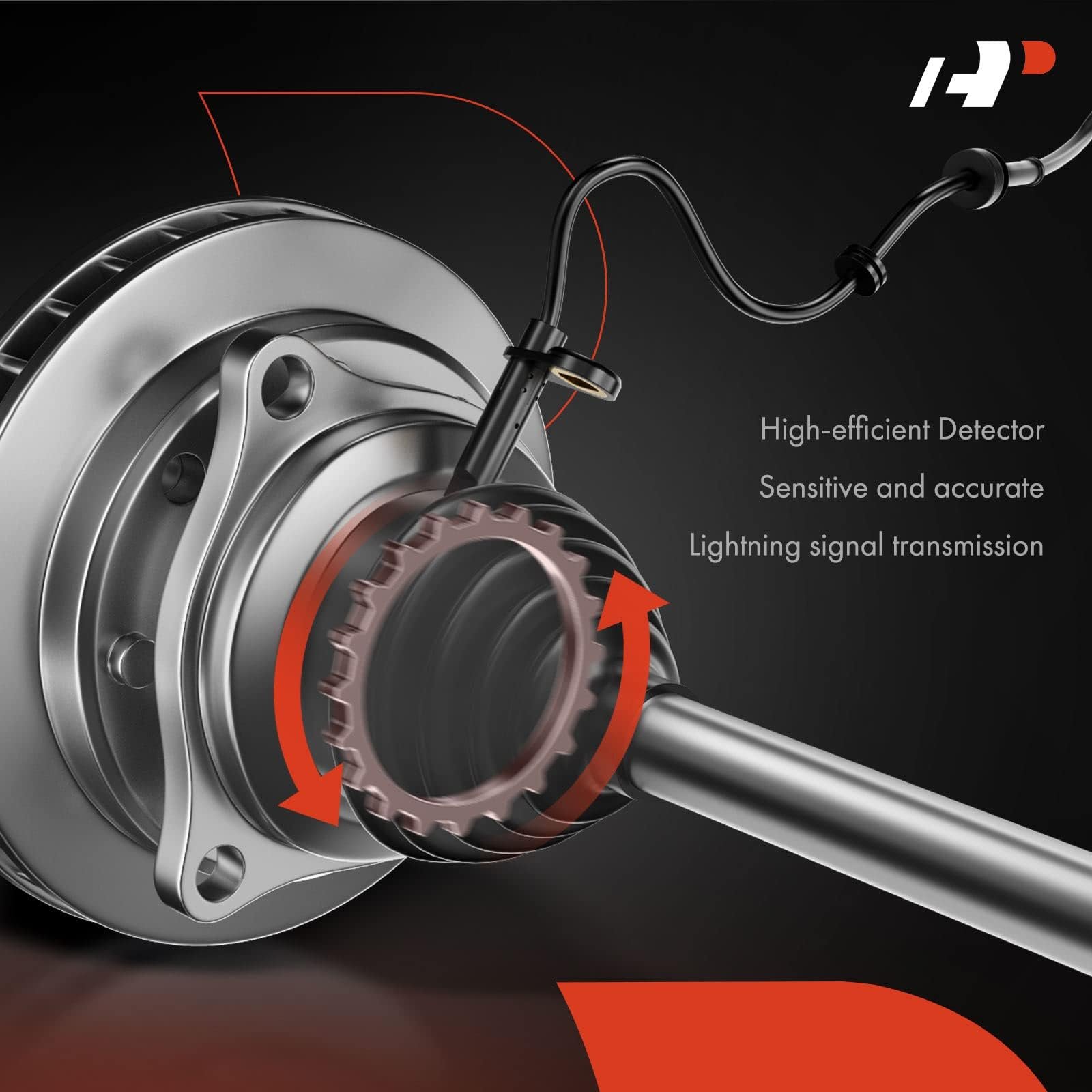
A wheel speed sensor measures how fast each wheel is turning. The ABS and traction control systems use this data to keep you safe. If a sensor fails, your Jeep may show warning lights like the ABS light or traction control light. Sometimes, the sensor can also cause rough shifting or odd braking noises.
Signs Your Wheel Speed Sensor Needs Replacement
Common symptoms include:
- ABS warning light or traction control light stays on.
- Brakes feel rough or pulse when stopping.
- Speedometer acts erratic.
- Jeep goes into “limp” mode or shifts poorly.
If you see these signs, scan for trouble codes with an OBD-II scanner. The code will tell you which sensor is faulty.
Tools And Parts Needed
You’ll need:
- Replacement wheel speed sensor (choose OEM or trusted aftermarket brands)
- Socket set (usually 10mm or 11mm)
- Ratchet and extension
- Flathead screwdriver
- Jack and jack stands
- Torque wrench
- Gloves and eye protection
Some Jeep models use different sensors for front and rear wheels. Check your vehicle’s year and trim for compatibility.
| Tool | Purpose |
|---|---|
| Socket set (10/11mm) | Remove sensor bolts |
| Flathead screwdriver | Disconnect sensor clip |
| Jack & stands | Lift vehicle safely |
| Torque wrench | Tighten bolts correctly |
Step-by-step Guide: Replacing The Wheel Speed Sensor
Follow these instructions for a typical Jeep Wrangler (2012–2020 models). The process is similar for most years.
1. Preparation
- Park your Jeep on a flat surface.
- Turn off the engine and let it cool.
- Put on gloves and eye protection.
2. Lift The Jeep
- Use a jack to lift the wheel where the sensor is faulty.
- Secure with jack stands. Never work under a Jeep supported only by a jack.
3. Remove The Wheel
- Loosen lug nuts and remove the wheel.
- Set the wheel aside.
4. Locate The Sensor
- Find the wheel speed sensor near the brake assembly.
- The sensor is usually attached with one bolt and a wiring clip.
5. Remove The Sensor
- Unclip the sensor wire using a flathead screwdriver.
- Remove the mounting bolt with a socket.
- Gently pull the sensor out. If stuck, wiggle it carefully—forcing can damage the hub.
6. Install The New Sensor
- Insert the new sensor.
- Attach the bolt by hand, then tighten with a torque wrench to factory specs (often 8–10 ft-lb).
- Reconnect the wiring clip.
7. Reinstall The Wheel
- Put the wheel back on.
- Tighten lug nuts by hand, then torque to Jeep specs (usually 95–110 ft-lb).
8. Lower The Jeep
- Remove jack stands and lower the Jeep.
- Check everything is secure.
9. Test The Repair
- Start the Jeep. Drive a short distance.
- The ABS and traction lights should go off. If not, scan for codes or check your work.
| Step | Estimated Time |
|---|---|
| Preparation | 10 minutes |
| Lift & remove wheel | 15 minutes |
| Replace sensor | 20 minutes |
| Reinstall & test | 15 minutes |

Tips For Success
- Always use a torque wrench for bolts. Overtightening can crack the sensor or hub.
- Clean the sensor area before installing the new sensor. Dirt can affect performance.
- Don’t ignore ABS or traction lights after replacement—they signal something is still wrong.
- Buy quality sensors. Cheap ones often fail quickly.
- If the sensor is stuck, spray with penetrating oil and wait a few minutes.
Comparing Oem Vs Aftermarket Wheel Speed Sensors
Choosing the right sensor matters. Here’s a quick comparison:
| Type | Price Range | Reliability | Warranty |
|---|---|---|---|
| OEM (Jeep) | $50–$90 | High | 12 months+ |
| Aftermarket | $25–$60 | Medium | 6–12 months |
OEM sensors are built for your Jeep and last longer. Aftermarket sensors can save money but may not fit perfectly or last as long. Always check reviews and seller reputation.
Common Mistakes To Avoid
- Skipping the torque wrench – Hand-tightening can damage threads.
- Forgetting to disconnect the battery – It’s safer to disconnect before working on electrical parts.
- Mixing up sensor sides – Front and rear sensors may look similar but are not interchangeable.
- Not clearing error codes – Use an OBD-II scanner after replacement.
Many beginners miss the importance of cleaning the mounting surface. A dirty hub can cause false readings.
Another overlooked tip is to check the wiring harness for damage. Sometimes, a broken wire is the real problem not the sensor.
When To Seek Professional Help
If your ABS light stays on after replacement, or you see new error codes, visit a qualified mechanic. Sometimes, the issue is in the wiring, control module, or the hub itself. Also, if your Jeep’s model year is uncommon or the sensor is deeply corroded, professional tools may be needed.
For more technical details, consult the official Jeep Owner’s Manual.
Frequently Asked Questions
How Much Does It Cost To Replace A Wheel Speed Sensor On A Jeep Wrangler?
The part costs $25–$90 depending on OEM or aftermarket. Labor at a shop may add $100–$150. DIY saves most of the labor cost.
Can I Drive With A Bad Wheel Speed Sensor?
You can drive short distances, but ABS and traction control will not work. Avoid driving in bad weather or slippery conditions.
Do Wheel Speed Sensors Need To Be Programmed?
Most Jeep sensors are plug-and-play. No programming is needed. Some rare aftermarket sensors may require calibration.
How Long Does It Take To Replace A Sensor?
The job takes 45–60 minutes for most DIYers. Shops may be faster if the sensor isn’t stuck.
What Happens If I Install The Wrong Sensor?
You may get warning lights, poor braking, and odd shifts. Always check part numbers and fitment before buying.
Replacing your Jeep Wrangler’s wheel speed sensor is manageable for most owners. With careful steps and the right tools, you can fix ABS and traction issues at home. Paying attention to cleaning, torque, and sensor quality will ensure your repair lasts. If you get stuck, don’t hesitate to ask for help—your safety comes first.