Replacing the radiator in a 2011 Jeep Grand Cherokee can sound challenging, but with the right approach, it’s a job many car owners can do at home.
If your vehicle is overheating, leaking coolant, or you see sludge in the radiator, it may be time for a replacement.
Doing this job yourself can save hundreds of dollars in labor costs. Here’s how to replace the radiator step by step, with tips to help you avoid common mistakes.
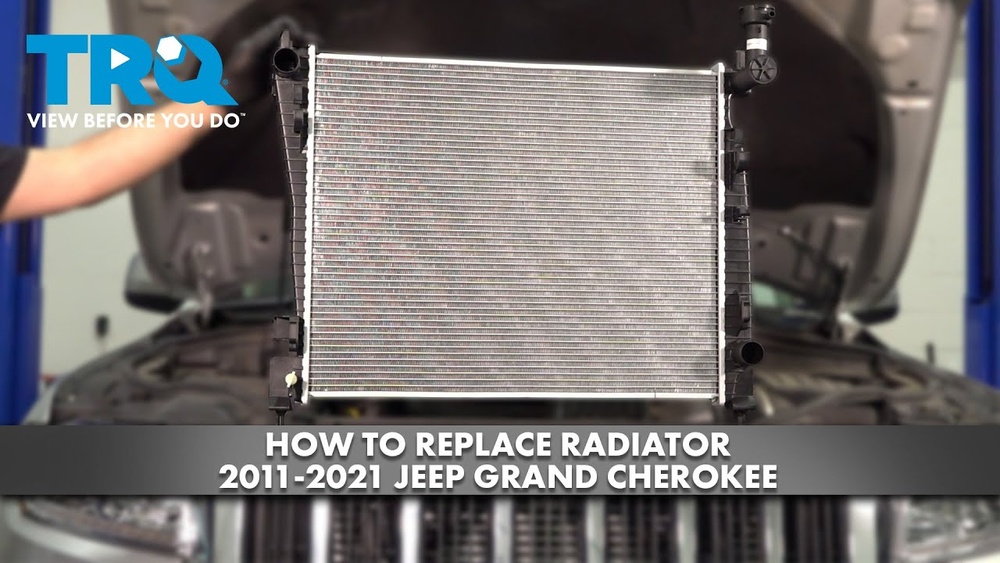
Tools And Parts You’ll Need
Before starting, gather these tools and materials:
- New radiator (specific to 2011 Jeep Grand Cherokee)
- Socket and wrench set
- Flathead and Phillips screwdrivers
- Drain pan
- Pliers
- Coolant (check your manual for type)
- Hose clamp pliers (optional, but helpful)
- Safety glasses and gloves
Expect the process to take about 2 3 hours if it’s your first time.
Preparing Your Jeep Grand Cherokee
Working safely is always the first step.
- Let the engine cool. Never open the radiator cap on a hot engine.
- Disconnect the negative battery terminal to prevent electrical shorts.
- Use a jack to lift the front of your vehicle and support it with jack stands if needed.
Pro tip: Take a photo of the engine bay before you start. This helps you remember where hoses and wires connect.
Draining The Coolant
- Place a drain pan under the radiator.
- Open the radiator cap.
- Locate the drain plug (bottom of the radiator, passenger side). Unscrew it to let coolant flow into the pan.
- Dispose of old coolant properly—never pour it on the ground.
Insight: Some coolant may remain in the engine block. Be prepared for a bit of spillage when you remove the hoses.
Removing Old Radiator Components
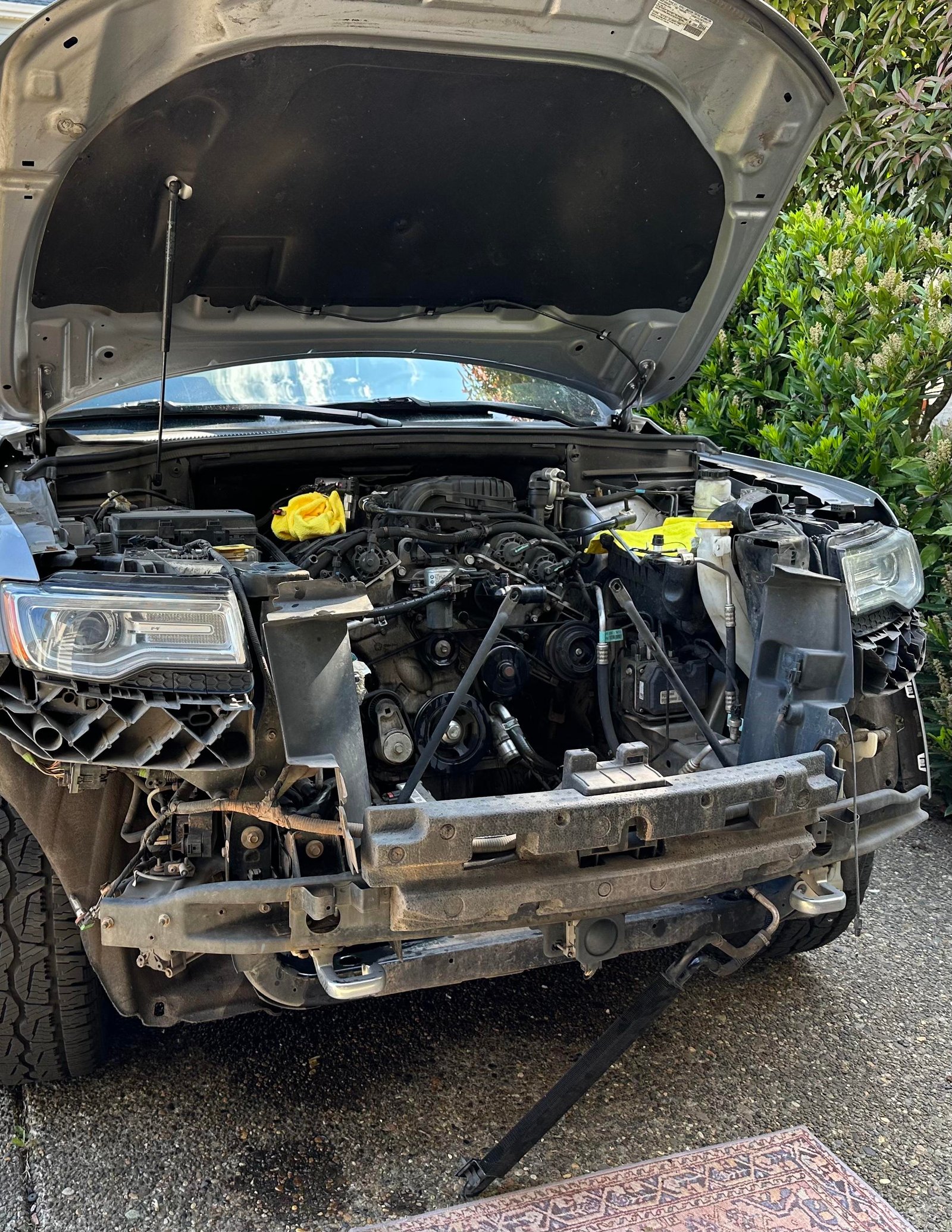
- Take off the plastic engine cover if your Jeep has one.
- Remove the air intake duct for easier access.
- Disconnect the upper and lower radiator hoses. Use pliers to loosen clamps and twist hoses gently.
- Remove the coolant overflow hose.
- Disconnect the transmission cooler lines (if equipped). Place a rag under the connection to catch drips.
- Unplug the electric fan connector and remove fan assembly bolts.
Removing The Radiator
- Take out the radiator mounting bolts (usually 4).
- Carefully lift the radiator straight up. Watch for any attached wiring or hoses.
- Set the old radiator aside.
Non-obvious tip: Some Grand Cherokees have a radiator shroud that’s bolted to the radiator. Unbolt the shroud and lift both out together.
Installing The New Radiator
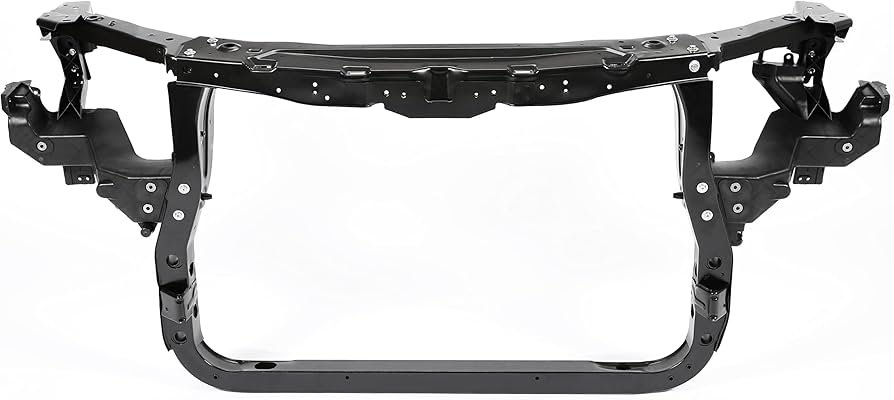
- Lower the new radiator into place, aligning mounting holes.
- Reattach the radiator shroud if you removed it.
- Secure radiator with mounting bolts.
- Reconnect the transmission cooler lines and tighten them.
- Reconnect the upper and lower hoses and clamp them securely.
- Plug in the fan connector and reinstall the fan assembly.
- Reattach the air intake duct and engine cover.
Common mistake: Forgetting to tighten hose clamps can cause leaks. Double-check every connection.
Refilling And Bleeding The Cooling System
- Mix new coolant with distilled water if needed (usually 50/50).
- Pour coolant slowly into the radiator until full.
- Fill the overflow reservoir to the “Full” line.
- Start the engine and let it idle with the radiator cap off. Turn the heater to max to help release air.
- As the engine warms, air bubbles will escape. Top off coolant as needed.
- Once bubbling stops, close the radiator cap.
- Check under the vehicle for leaks.
Extra tip: After your first short drive, let the engine cool and check the coolant level again. Top off if necessary.
Comparing Oem And Aftermarket Radiators
Here’s a simple comparison to help you choose the right radiator:
| Feature | OEM Radiator | Aftermarket Radiator |
|---|---|---|
| Fit | Guaranteed | May require small adjustments |
| Price | Higher | Lower |
| Warranty | Usually 1 year | Varies (often 1-2 years) |
| Quality | Very reliable | Depends on brand |
Estimated Cost Breakdown
Understanding the potential cost can help with your decision:
| Item | Estimated Cost |
|---|---|
| Radiator (OEM) | $250–$400 |
| Radiator (Aftermarket) | $100–$250 |
| Coolant | $15–$30 |
| Labor (if shop does it) | $300–$500 |
Insight: DIY replacement can save $300 or more, plus you’ll learn more about your vehicle.
Post-installation Checks
- After installation, drive your Jeep for 10–15 minutes.
- Watch the temperature gauge closely.
- Check under the hood for any signs of leaks.
- Make sure the heater blows hot air—this means coolant is circulating properly.
If you see coolant on the ground or the engine overheats, stop immediately and recheck all hose connections.
When To Get Professional Help
If you notice:
- Persistent leaks after re-tightening clamps
- Transmission fluid mixing with coolant
- Unusual noises from the engine bay
It’s best to consult a certified mechanic. Some radiator issues, such as internal cracks, can be hard to spot without special tools.
For more technical details, check the official Jeep website.
Frequently Asked Questions
How Long Does It Take To Replace The Radiator In A 2011 Jeep Grand Cherokee?
Most people need about 2 3 hours. If you have experience, it could take less than two hours.
What Type Of Coolant Does My Jeep Require?
The 2011 Grand Cherokee usually uses HOAT (Hybrid Organic Acid Technology) coolant. Check your owner’s manual to confirm.
Can I Drive With A Leaking Radiator?
No. Driving with a leaking radiator can quickly lead to engine overheating and expensive damage.
How Do I Know If My Radiator Is Bad?
Watch for symptoms like overheating, coolant leaks, or sludge in the radiator. These signs mean you should inspect or replace the radiator.
Is It Okay To Use An Aftermarket Radiator?
Yes, many quality aftermarket radiators fit the 2011 Grand Cherokee well. Check reviews and ensure the product matches your vehicle’s specs.
Replacing a radiator can seem tough, but with clear steps and patience, it’s a job you can handle. You’ll not only save money but also gain confidence in caring for your Jeep.
Remember, always take safety seriously and don’t rush the process.