Replacing leaf spring bushings is a task that keeps your vehicle’s suspension working smoothly. Over time, bushings wear out, causing noise, poor handling, and even unsafe driving conditions.
If you notice squeaking, knocking, or a loose rear end, your bushings could be the problem. Fortunately, with the right tools and careful steps, you can handle this repair yourself and improve your vehicle’s ride quality.
Understanding Leaf Spring Bushings
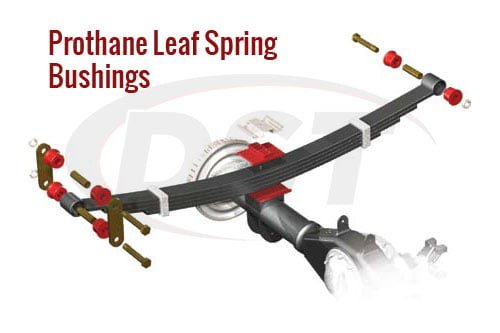
Leaf spring bushings are small but critical parts. They act as a cushion between the leaf spring and the vehicle frame or shackle, absorbing shocks and reducing metal-to-metal contact. Worn bushings lead to more vibration, uneven tire wear, and in some cases, damage to other suspension parts.
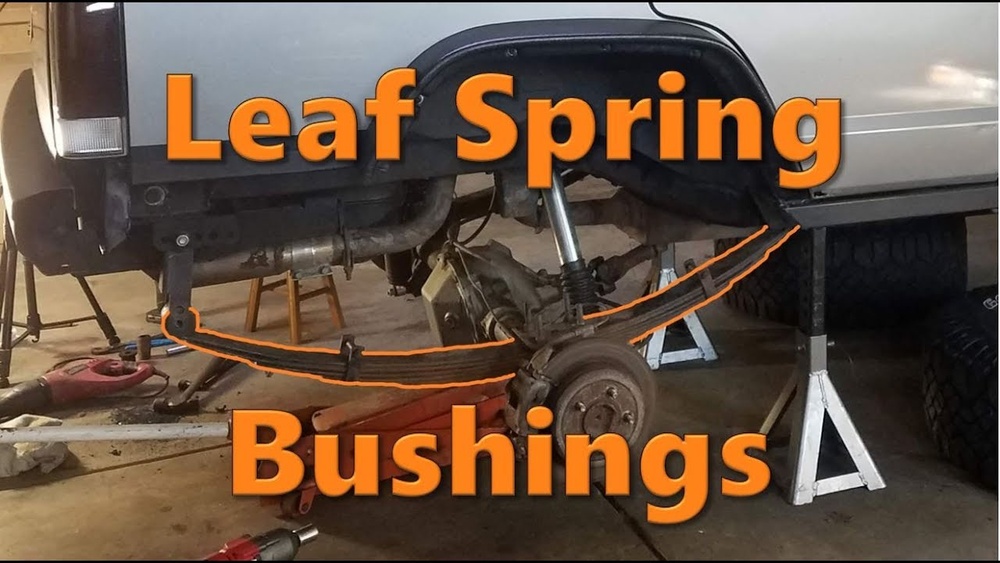
Most bushings are made from rubber, polyurethane, or sometimes metal. Each material has unique pros and cons. For example, rubber bushings are quiet and comfortable but wear out faster. Polyurethane lasts longer but can be stiffer and noisier.
Here’s a quick comparison:
| Bushing Material | Durability | Ride Comfort | Noise Level |
|---|---|---|---|
| Rubber | Medium | High | Low |
| Polyurethane | High | Medium | Medium |
| Metal | Very High | Low | High |
It’s important to match bushing type to your driving needs. For daily driving, rubber is usually best.
For off-road or heavy towing, polyurethane or metal might suit you better.
Tools And Parts You’ll Need
Before starting, gather all necessary tools and parts. Missing one can slow your progress or force you to stop mid-job.
Essential tools:
- Jack and sturdy jack stands
- Wrench set (both metric and SAE)
- Pry bar
- Hammer and punch
- Bushing press or large socket (for pressing bushings)
- Lubricant (like silicone grease)
- Safety glasses and gloves
Replacement parts:
- Correct leaf spring bushings (check your vehicle’s manual)
- New bolts and nuts (recommended)
- Anti-seize compound
For some vehicles, you may need an air compressor or specialized puller, especially for rusted or seized bushings.

Removing Old Bushings
Start by parking your vehicle on a level surface and blocking the wheels. Safety is critical never work under a car supported only by a jack.
- Lift the vehicle using a jack and secure it with jack stands under the frame.
- Remove the wheel to access the leaf spring.
- Support the axle with another jack to relieve tension on the spring.
- Unbolt the leaf spring from the shackle and frame mount. Note the order and placement of washers and spacers.
- Slide out the leaf spring carefully. If it’s stuck, tap gently with a hammer.
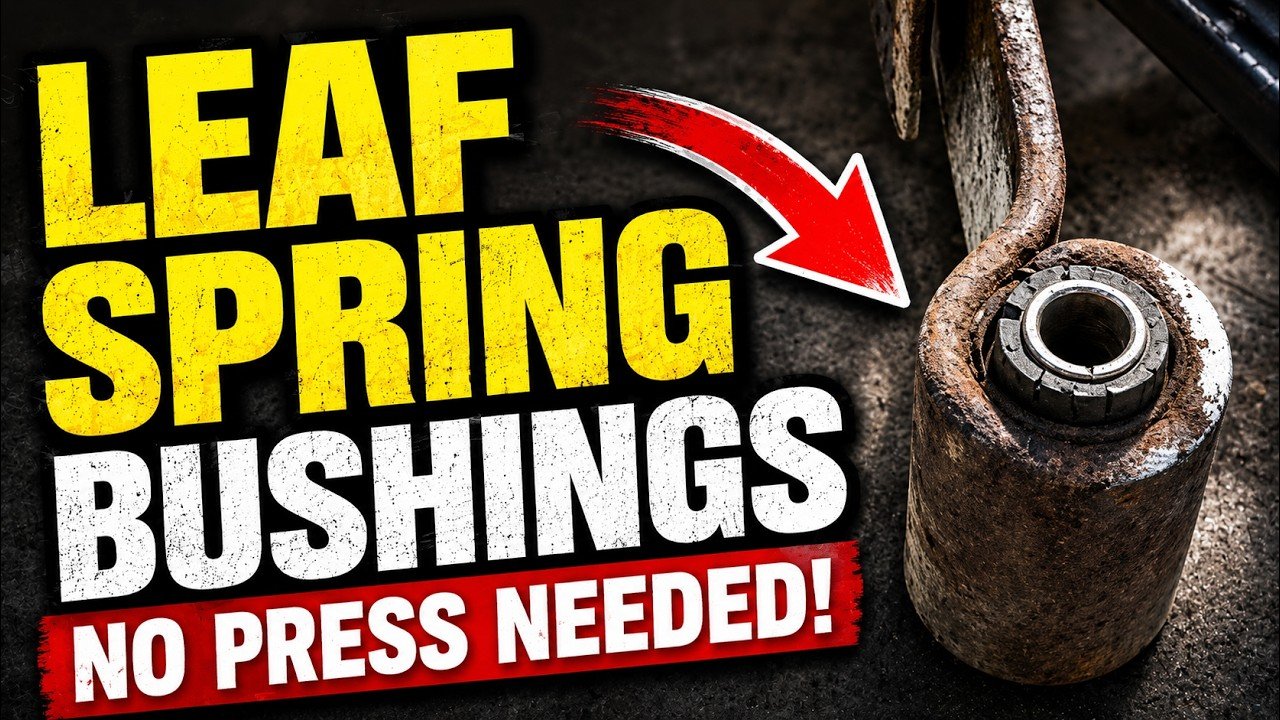
- Press or drive out the old bushing. A bushing press is best, but a large socket and vice can work. If the bushing is rusted, apply penetrating oil and let it soak.
You may notice the old bushing is cracked, deformed, or missing chunks. This is a sign you caught the problem at the right time.
Installing New Bushings
Clean the inside of the leaf spring eye with a wire brush. Remove all rust and debris for a snug fit.
- Apply lubricant to the new bushing and the spring eye. This helps with installation and prevents squeaks.
- Press in the new bushing using a bushing press or a large socket. Center it evenly—crooked installation leads to premature wear.
- Reinstall the leaf spring. Align the holes and insert new bolts. Tighten by hand at first.
- Torque all fasteners to the manufacturer’s specification. Use a torque wrench for accuracy. Over- or under-tightening can damage parts.
- Double-check all connections before lowering the vehicle.
Here’s a quick look at torque recommendations for common vehicles:
| Vehicle Type | Front Eye Bolt Torque (ft-lb) | Rear Shackle Bolt Torque (ft-lb) |
|---|---|---|
| Half-ton Pickup | 80–90 | 70–80 |
| Full-size SUV | 100–120 | 90–110 |
| Light Commercial | 130–150 | 120–140 |
Check your vehicle’s manual for the exact numbers.
Common Mistakes And Pro Tips
Many DIYers make preventable errors when replacing leaf spring bushings:
- Forgetting to support the axle: This can damage brake lines or suspension parts.
- Not cleaning the spring eye: Dirt or rust causes uneven wear and early failure.
- Skipping lubricant: Dry bushings squeak and wear out faster.
- Reusing old bolts: Always use new hardware for safety.
A useful tip: mark the orientation of the old bushing before removal. Some bushings have grooves or offsets that must be installed a certain way.
Non-obvious insight: After replacing bushings, it’s wise to get a wheel alignment. Even small changes in suspension geometry affect handling and tire life.
Testing And Final Checks
After installation:
- Lower the vehicle and remove all jacks.
- Bounce the rear end to seat the bushings.
- Test drive at low speed. Listen for noise and check for proper handling.
- Retorque bolts after 100 miles. New bushings can settle and loosen fasteners.
Here’s a simple symptom table to double-check your work:
| Symptom | Possible Cause | What to Do |
|---|---|---|
| Squeaking noise | Dry or misaligned bushing | Lubricate and check alignment |
| Loose handling | Bolt not torqued | Retighten bolts |
| Uneven tire wear | Suspension misaligned | Get alignment checked |
Frequently Asked Questions
How Long Do Leaf Spring Bushings Last?
Most last between 50,000–100,000 miles, but harsh driving, heavy loads, or poor road conditions can shorten this.
Can I Replace Bushings Without Removing The Leaf Spring?
On some vehicles, yes. But in most cases, removing the spring gives better access and a higher-quality result.
How Do I Know If My Bushings Are Bad?
Common signs are clunking sounds, loose or wandering rear end, and visible cracks in the bushing.
Are Polyurethane Bushings Better Than Rubber?
Polyurethane bushings last longer and handle heavy loads better but can be noisier. Choose based on your driving needs.
Where Can I Find More Details About Suspension Repairs?
You can find more information at the Wikipedia Leaf Spring page.
Replacing leaf spring bushings can transform your vehicle’s feel and safety. With patience, the right tools, and careful attention to detail, you can do a professional-quality job at home. If you run into trouble, don’t hesitate to consult a mechanic—sometimes, expert help is the safest choice.