Losing power in your Jeep key fob can turn simple tasks like unlocking your doors into a real headache. Luckily, replacing the battery is easy and fast—even for beginners.
Many Jeep owners don’t realize how much smoother daily life is when their key fob works perfectly. Without a working fob, you might struggle to get into your car on rainy days, or even miss important appointments because your car won’t start.
In this guide, you’ll learn exactly how to swap out the battery, avoid common mistakes, and save money by doing it yourself. Whether you drive a Jeep Grand Cherokee, Wrangler, or Compass, you’ll find practical steps and expert tips for every model.
Knowing how to handle your key fob battery gives you more confidence and independence as a Jeep owner.
Understanding Your Jeep Key Fob
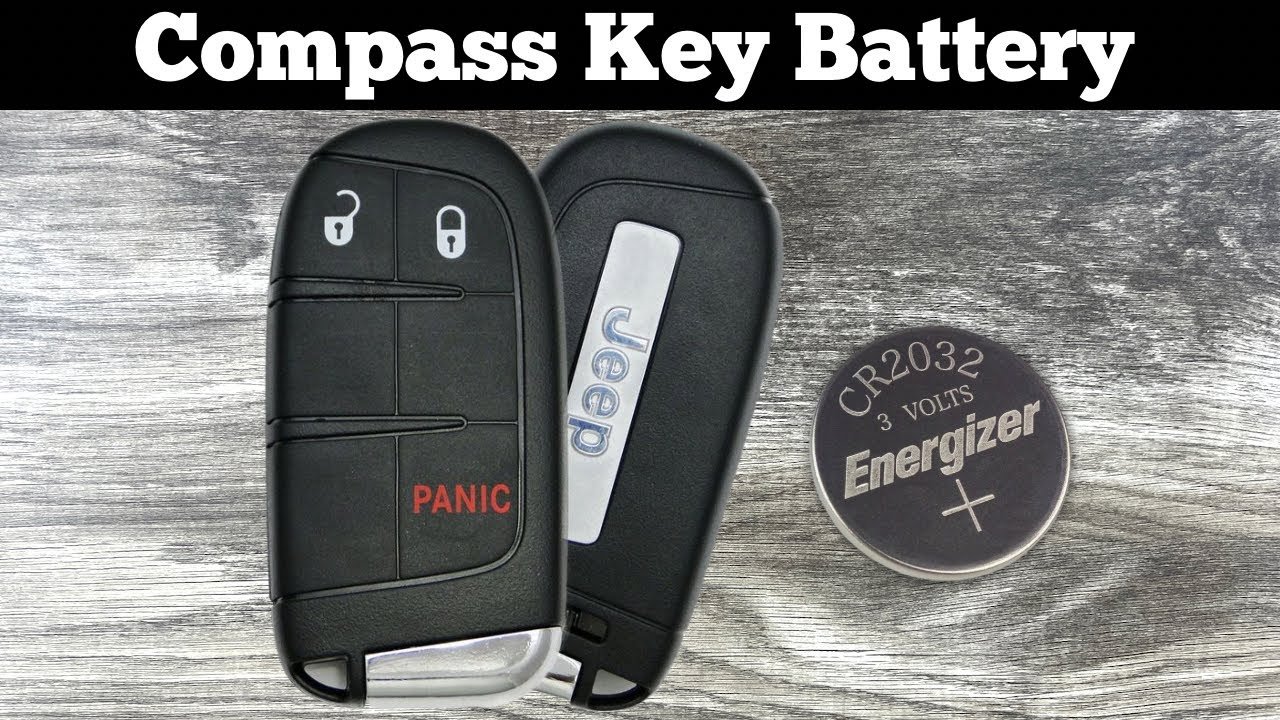
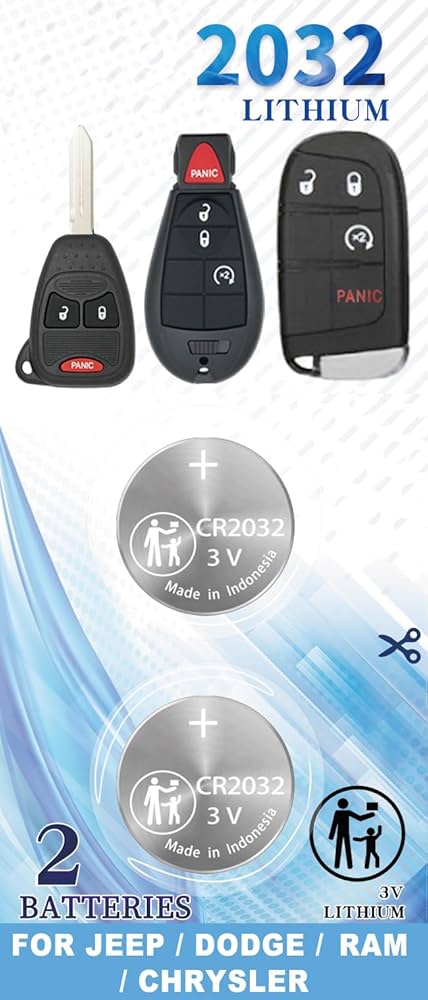
Most modern Jeeps use a keyless entry fob, which lets you unlock, lock, and start your vehicle remotely. These fobs use small batteries, usually CR2032 or CR2025 coin cells. These coin batteries are small and lightweight, designed to fit inside the slim fob casing. Over time, the battery loses power, causing the fob to stop working or lose range. You may notice the range gets shorter, or the buttons need to be pressed several times before they respond.
Here’s a comparison of typical Jeep models and their key fob battery types:
| Jeep Model | Key Fob Type | Battery Type |
|---|---|---|
| Grand Cherokee | Smart Key | CR2032 |
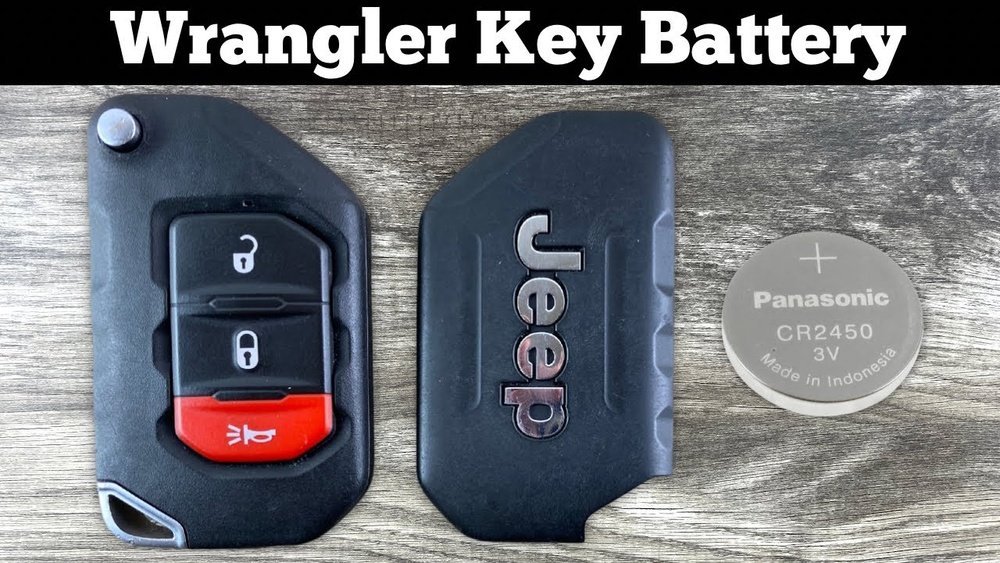
| Wrangler | Remote Key | CR2025 |
| Compass | Basic Fob | CR2032 |
| Cherokee | Smart Key | CR2032 |
If your fob buttons feel weak or your Jeep doesn’t respond, it’s a sign the battery needs replacing. Sometimes the fob might work only when you’re very close to the car, which is another warning.
Ignoring these signs can lead to bigger problems, such as being locked out unexpectedly.
How To Replace A Jeep Key Fob Battery
Swapping the battery in your Jeep key fob is quick and safe. You don’t need special skills or expensive tools. Here’s what you need to do:
1. Gather Supplies
You’ll need:
- Replacement battery (usually CR2032 or CR2025)
- Small flathead screwdriver or a plastic prying tool
- Clean cloth
It’s smart to buy two batteries at once, so you have a spare for next time. Make sure your tools are clean to avoid scratching the fob.
2. Open The Key Fob
Most Jeep fobs have a small seam or slot. Insert the screwdriver gently and twist to open.
Don’t force it too much pressure can crack the plastic. If your fob has a built-in emergency key, remove it first to make opening easier.
Pro Tip: Some fobs have hidden screws. Check for small Phillips screws near the key ring. If you see screws, use a tiny screwdriver to remove them before prying the fob apart. Always work slowly to avoid damaging internal parts.
3. Remove The Old Battery
Lift the battery out using the screwdriver or your fingernail. Note the battery’s position positive (+) side faces up in most models.
Sometimes there’s a small metal clip holding the battery; gently push it aside if needed. If the battery is stuck, avoid using sharp tools that can scratch the contacts.
4. Insert The New Battery
Place the new battery in the same spot and orientation. Press it down gently to secure.
If the battery doesn’t sit flat, check for dust or debris inside the fob and clean it out with the cloth. Make sure the contacts are clean and shiny for best performance.
5. Close The Key Fob
Snap the two halves together. If your fob had screws, tighten them.
Wipe the fob with a clean cloth to remove fingerprints. Be careful not to pinch any internal parts.
If the fob doesn’t snap together easily, double-check the battery placement.
6. Test The Key Fob
Stand near your Jeep and press the buttons. If the doors lock/unlock, you’re done!
If not, double-check the battery orientation and contacts. Try the remote start or panic button to confirm all functions work.
If the fob still doesn’t respond, open it again and check for loose connections.
Here’s a step-by-step summary for common Jeep fobs:
| Step | Time Needed | Difficulty |
|---|---|---|
| Open Fob | 2 minutes | Easy |
| Swap Battery | 1 minute | Easy |
| Close Fob | 1 minute | Easy |
| Test Function | 30 seconds | Easy |
Practical Tips And Common Mistakes
Most Jeep owners make mistakes that can cost them time and money. Here are expert tips and pitfalls to avoid:
- Buy Quality Batteries: Cheap batteries often fail quickly. Choose brands like Energizer or Duracell. Quality batteries also resist leaks, which can damage your fob.
- Check Battery Type: Using the wrong battery can damage the fob. Match the old battery’s code exactly. Never substitute a different size, even if it looks similar.
- Avoid Touching Battery Contacts: Oils from your fingers can reduce battery life. Use a tissue or gloves when handling batteries for extra safety.
- Don’t Over-Tighten Screws: Too much force can break the housing. If you notice resistance, stop and check the screw threads.
- Dispose Properly: Old batteries are toxic. Recycle them safely. Many electronics stores offer battery recycling bins.
Here’s a quick look at battery brands and lifespan:
| Brand | Average Lifespan | Price Range |
|---|---|---|
| Energizer | 2 years | $2 – $4 |
| Duracell | 2 years | $2 – $4 |
| Generic | 6 months – 1 year | $1 – $2 |
Extra tip: If your fob stops working right after battery replacement, check for bent contacts. Gently straighten them with the screwdriver. Bent contacts are a hidden cause of fob failure and are often missed by beginners.
Why Key Fob Battery Replacement Matters
A weak key fob battery can leave you locked out or unable to start your Jeep. If your fob fails, you may need to use the manual key hidden inside, which many owners forget exists.
Regular battery changes keep your car secure and convenient.
Keeping the fob in top condition also protects it from water damage and dirt, since you won’t need to pry it open as often.
Non-obvious insight: Some Jeeps have a “low battery” warning on the dashboard. This alert often appears before the fob completely fails, but many owners ignore it. If you see this warning, plan to change the battery soon—don’t wait for full failure.
Another point: Fobs with remote start functions drain batteries faster. If you use remote start often, replace the battery every year. Cold weather also shortens battery life, so winter drivers should be extra careful.
Real-world example: One Jeep owner noticed their fob only worked on warm days. The battery was weak, and cold temperatures made it fail. Replacing the battery solved the problem instantly.
Frequently Asked Questions
What Battery Type Does My Jeep Key Fob Use?
Most Jeep fobs use CR2032 or CR2025 coin cell batteries. Check your owner’s manual or look at the old battery for the exact type. If you’re unsure, bring the old battery to an electronics store, and staff can help you match it.
Can I Replace The Battery Myself Or Need A Dealer?
You can easily replace the battery yourself with basic tools. Dealers may charge $20 $40, while DIY costs less than $5.
For most people, doing it yourself is faster and saves time waiting for appointments.
How Often Should I Change My Key Fob Battery?
Most batteries last 1–2 years. If you use remote start often or live in cold climates, change it once a year. Always keep a spare battery in your glove box for emergencies.
Will Replacing The Battery Affect My Jeep’s Programming?
No, changing the battery won’t erase your fob’s programming. The key fob will work as usual after a new battery is installed.
You don’t need to reprogram or sync the fob after changing the battery.
Where Can I Find Reliable Information On Key Fob Batteries?
For official details, visit the manufacturer’s site or trusted sources like Wikipedia. You can also find helpful videos online, but always double-check advice with your owner’s manual.
Replacing your Jeep key fob battery is simple, affordable, and keeps your vehicle safe. With the steps above, you can do it in minutes and avoid expensive dealer fees. Remember to use quality batteries, follow safety tips, and recycle the old battery responsibly. Your Jeep will stay ready for every adventure, and you’ll never be caught off guard. Even if you’re new to car maintenance, this is one task you can master easily—so don’t wait for your fob to fail. Take action and enjoy a worry-free driving experience every day.