Replacing the starter on a Jeep might sound difficult, but it’s a job many DIYers can handle with the right tools and guidance. A faulty starter often causes your Jeep not to crank or start, even if the battery is fine.
Fixing this issue yourself can save hundreds of dollars on labor. This guide will show you step-by-step how to replace a Jeep starter quickly and safely, plus offer practical advice to avoid common mistakes.
Signs Your Jeep Starter Needs Replacement
Before you begin, it’s important to recognize the symptoms of a bad starter. Here are the most common signs:

- Clicking noise when you turn the key, but the engine doesn’t turn over.
- No response from the engine, even with a fully charged battery.
- Intermittent starting, where the Jeep sometimes cranks, sometimes doesn’t.
- Visible starter damage or burning smell near the starter.
If you experience two or more of these problems, your Jeep starter likely needs replacement.
Tools And Parts Needed
Gather the following tools and parts before starting:
- Socket set (10mm, 13mm, 15mm sockets)
- Ratchet wrench
- Extension bar
- Screwdriver
- Jack and jack stands
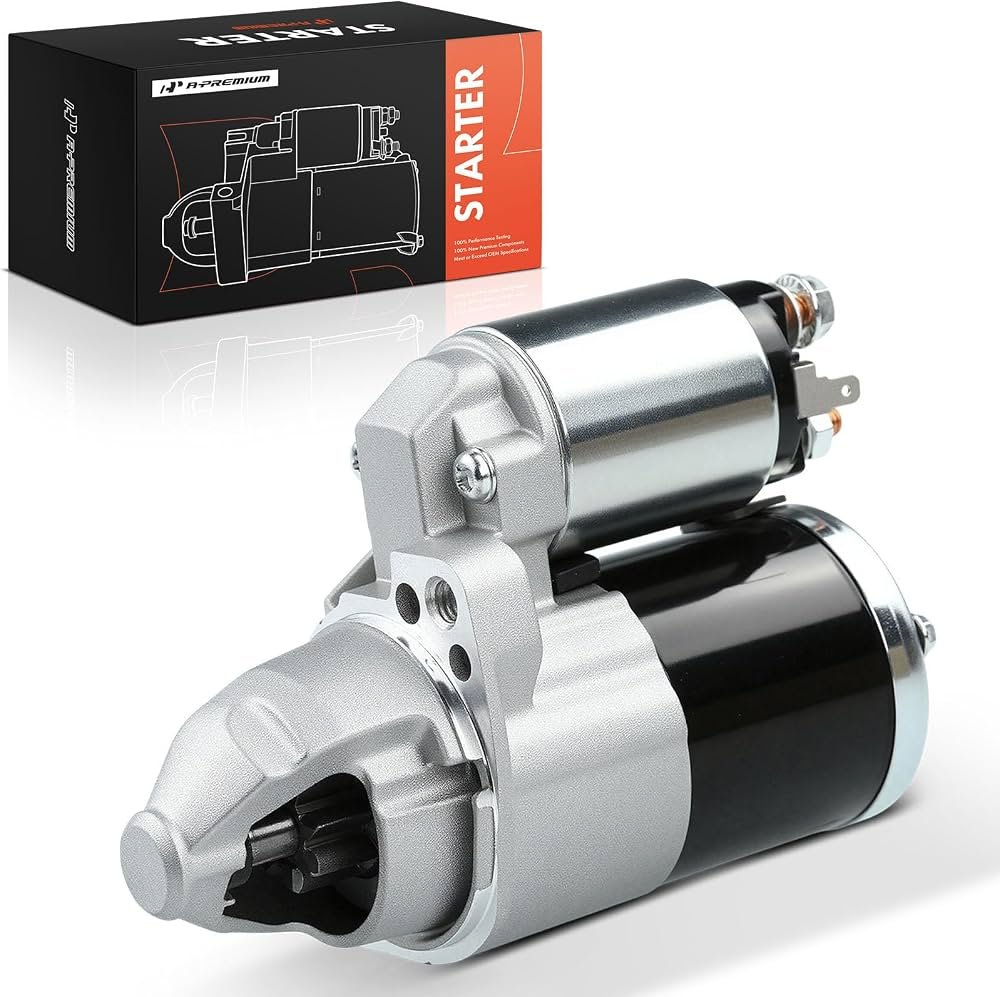
- Replacement starter (check Jeep model/year for correct fit)
- Safety gloves
Some Jeep models have slightly different starter locations. Always check your owner’s manual to confirm the exact spot.
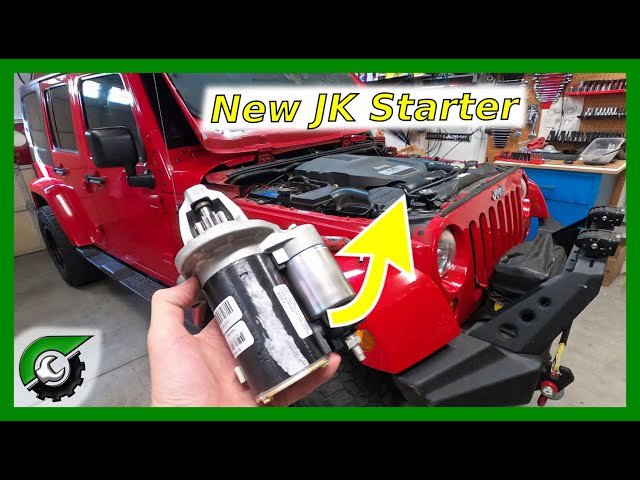
Step-by-step Jeep Starter Replacement
Follow these steps to replace your Jeep starter safely:
1. Disconnect The Battery
Always disconnect the negative battery cable first. This prevents accidental sparks or electrical shock.
2. Locate The Starter
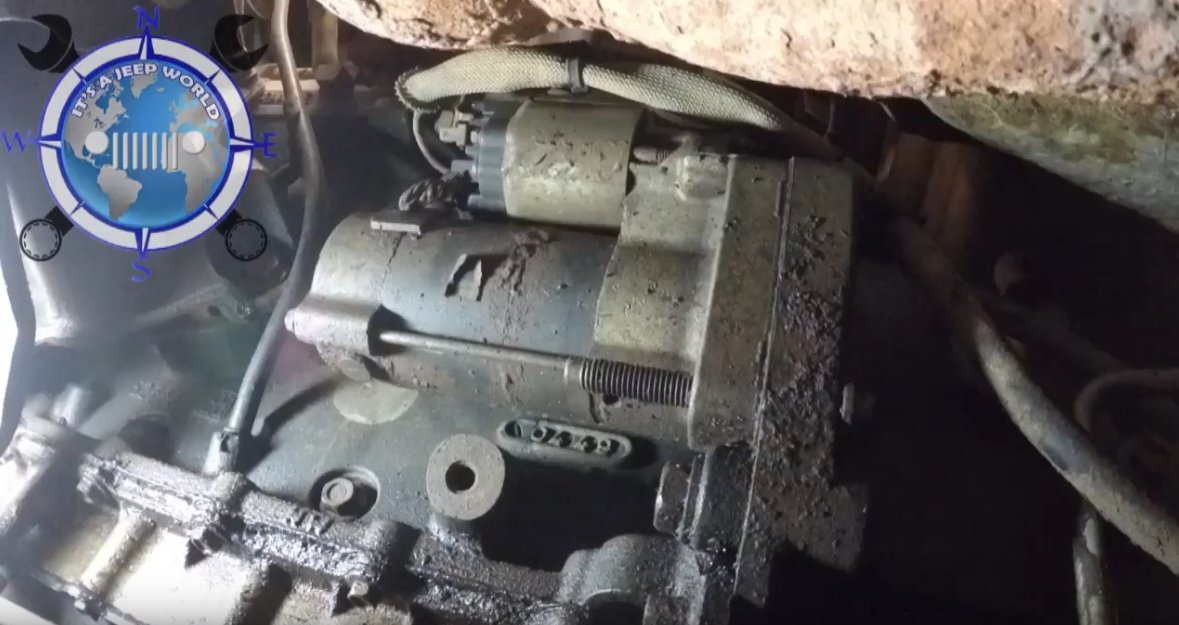
On most Jeeps, the starter is found on the passenger side of the engine, near the transmission. You may need to raise the vehicle using a jack and secure it with jack stands for easier access.
3. Remove Starter Wires
Carefully remove the starter wiring. There are usually two connections:
- The main power cable (secured with a nut)
- The signal wire (may have a clip or small bolt)
Take a photo before disconnecting to help with reassembly.
4. Unbolt The Starter
Using your socket set, remove the starter mounting bolts. Most Jeeps have 2 or 3 bolts. Support the starter as you remove the last bolt to prevent it from falling.
5. Install The New Starter
Position the new starter in place. Secure it with the mounting bolts, tightening them to the manufacturer’s recommended torque (usually between 30 40 ft-lbs).
6. Reconnect Wires
Attach the power cable and signal wire to the new starter. Double-check your photo for correct placement.
7. Reconnect The Battery And Test
Reconnect the negative battery cable. Start the Jeep to test the new starter.
If the engine cranks smoothly, you’ve done the job right.
Comparison: Professional Vs Diy Starter Replacement
To help you decide whether to replace your Jeep starter yourself or hire a mechanic, consider this data:
| Method | Average Cost | Time Required | Skill Level |
|---|---|---|---|
| DIY | $120–$250 | 1–2 hours | Moderate |
| Professional Mechanic | $350–$600 | 2–3 hours | Expert |
DIY replacement is much cheaper, but requires basic mechanical skills.
Common Mistakes And How To Avoid Them
Many beginners make errors that can cause extra costs or damage. Here are two non-obvious mistakes:
- Forgetting to disconnect the battery: This can cause a short circuit or injury. Always disconnect before touching the starter.
- Over-tightening bolts: This can crack the starter housing or damage threads. Use a torque wrench if possible.
Another overlooked tip: Check for corroded wires before installing the new starter. Clean or replace any damaged wires to prevent future issues.
Jeep Starter Compatibility Table
Not all starters fit every Jeep model. Here’s a quick reference for common models:
| Jeep Model | Year Range | Starter Part Number |
|---|---|---|
| Wrangler TJ | 1997–2006 | 56028698AB |
| Grand Cherokee | 2005–2010 | 56044736AB |
| Cherokee XJ | 1987–2001 | 56028698AC |
Always confirm your Jeep’s VIN and part number before ordering.
Practical Tips For A Successful Replacement
- Wear safety gloves to protect your hands from sharp edges.
- Use a magnetic tray for bolts so you don’t lose them.
- If your Jeep has high mileage, consider replacing the starter relay and inspecting the battery terminals as well.
- For stubborn bolts, spray penetrating oil and wait 10–15 minutes.
If you need more detailed technical specs or wiring diagrams, visit the official Jeep website or trusted sources like AutoZone.
Frequently Asked Questions
How Long Does It Take To Replace A Jeep Starter?
Most people can finish the job in 1–2 hours if they have the right tools and follow the steps carefully. Some models may take longer due to tight spaces.
Can I Use A Used Starter For My Jeep?
Yes, but it’s risky. Used starters may fail sooner and often have no warranty.
New starters are more reliable and come with a guarantee.
What If My Jeep Still Won’t Start After Replacing The Starter?
Check the battery, starter relay, and wiring connections. Sometimes, other electrical parts can prevent your Jeep from starting.
Is It Necessary To Lift The Jeep?
It depends on your model. For most Wranglers and Cherokees, lifting the Jeep gives better access.
Some Grand Cherokees allow starter access from above.
Will Replacing The Starter Affect My Jeep’s Warranty?
If you use OEM parts and follow proper procedures, your warranty is usually safe. However, always check your warranty terms before making repairs yourself.
Replacing your Jeep starter is a practical way to save money and learn more about your vehicle. With careful preparation and the steps above, you’ll get your Jeep running smoothly again.