Removing tire chains may seem simple, but doing it correctly protects your vehicle and keeps you safe. Whether you are finishing a winter drive or switching to regular tires, knowing the right steps is important.
Many drivers struggle with tire chains, especially after driving in snow and ice.
This guide will help you remove tire chains efficiently, avoid mistakes, and understand what matters for your car and your safety. Even if you have removed chains before, there are details that can make the process easier and safer for you and your vehicle.
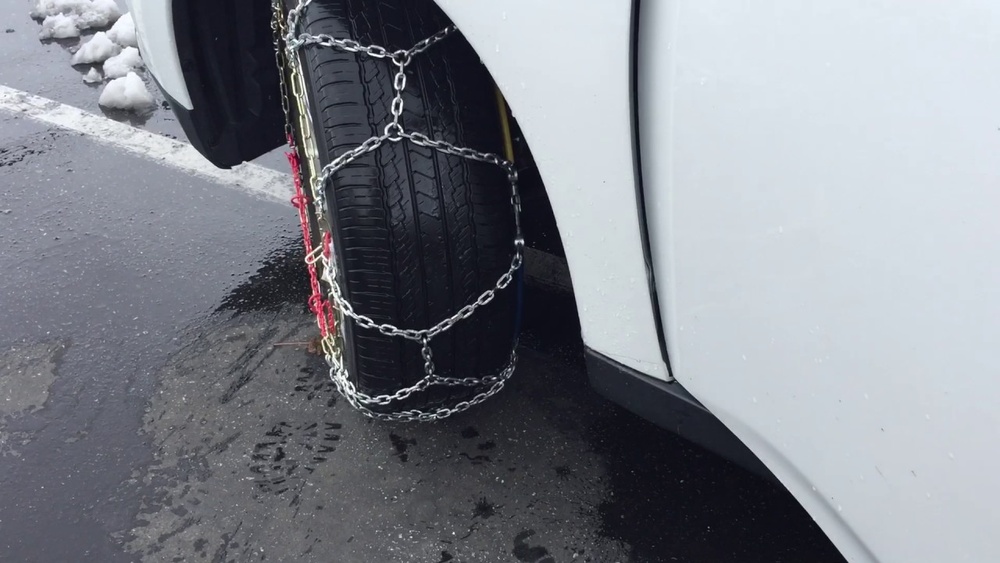
When Should You Remove Tire Chains?
Tire chains are meant for icy roads and heavy snow. But keeping them on too long can damage your tires, wheels, and even the road. Remove them when:
- The road is clear of snow and ice.
- Temperatures rise above freezing.
- You enter areas where chains are not allowed.
Most US states fine drivers for using chains on dry pavement, and studies show tire chains reduce tire lifespan by up to 30% if used incorrectly.
If you hear loud noises or feel vibration from your tires, it is often a sign the chains should come off.
Also, if you see other drivers removing their chains, it’s usually a good signal that conditions have improved. Never wait too long chains left on dry roads can break and cause accidents.
Preparing For Safe Removal
Before removing tire chains, check these points:
- Park on a flat surface: Avoid sloped or uneven ground. Parking on a hill increases the risk of your car rolling or the chains slipping while you work.
- Turn off the engine: Prevent accidental movement. Double-check that your vehicle is in “Park” or in gear, and the handbrake is set.
- Wear gloves: Protect your hands from dirt and cold. Thick gloves help you grip chains better and prevent cuts from sharp links.
- Check chain tension: Chains should not be tight or tangled. If chains are too tight, they can be hard to remove; if loose, they might have wrapped around parts of the wheel.
Here is a quick comparison of ideal vs risky conditions for removal:
| Condition | Safe for Removal? |
|---|---|
| Dry pavement | Yes |
| Snow/ice | No |
| Sloped ground | No |
| Flat, level ground | Yes |
If possible, choose a well-lit area and avoid busy roads. Being visible and safe while working is important.
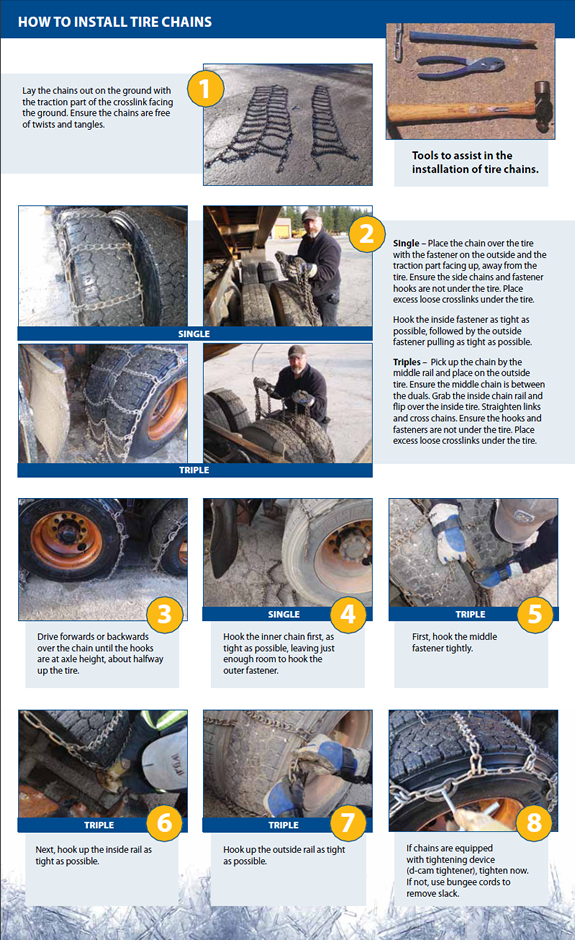
Step-by-step Guide To Removing Tire Chains
Follow these steps to remove chains properly:
- Position your vehicle
- Park on a flat area with enough space to move around.
- Set the parking brake. If you are on a highway pull-off, turn on your hazard lights.
- Inspect the chains
- Look for broken links or tangles. Check for areas where the chain might be caught on the tire tread.
- Make sure chains are not stuck between tire and wheel. If you notice knots, take time to untangle before proceeding.
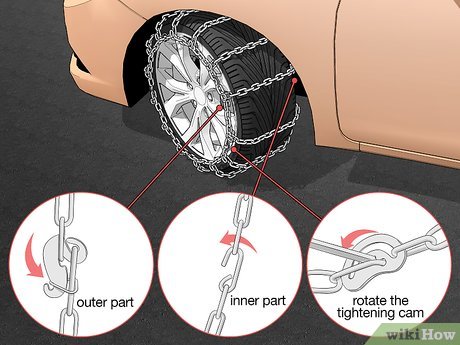
- Release chain fasteners
- Most chains use hooks, cams, or clips.
- Undo the fasteners carefully, starting from the outer side. Take note of how the fasteners work, as some designs require a specific motion.
- Move vehicle slightly
- Roll the car forward or backward a few feet to loosen chains from the tire’s underside. This step often frees sections of the chain trapped beneath the tire.
- Only move the car with chains partially unfastened if it’s safe and you are confident they will not catch on the brakes or suspension.
- Remove chains
- Pull the chains away from the tire, starting from the top. Work slowly and check for resistance.
- If stuck, gently wiggle them free; avoid force. Forcing can bend links or damage the tire.
- Lay chains out
- Straighten chains on the ground to check for damage. Look for missing or bent links, and note any areas needing repair.
- Store chains properly
- Clean off mud and salt. Use a brush if needed, especially for chains used in muddy conditions.
- Coil and store them in a dry bag or box. Avoid plastic bags that trap moisture.
Even experienced drivers sometimes forget step 4, which helps prevent chains from becoming trapped under the tire. If you skip this, you may need help to free the chain later, especially if it gets wedged.
Common Mistakes To Avoid
Many drivers make errors that cause damage or injury. Here are mistakes to avoid:
- Removing chains on sloped ground: Chains can slip, risking injury. This is especially dangerous if you lose your balance.
- Forcing tangled chains: Can damage tire sidewalls. A damaged sidewall often means you need a new tire.
- Neglecting to check for broken links: Damaged chains can scratch wheels. Scratched wheels can corrode quickly, especially with winter salt.
- Leaving chains wet: Leads to rust and shortens chain life. Rusty chains are weaker and can break next time you use them.
This table shows the impact of common mistakes:
| Mistake | Possible Damage |
|---|---|
| Forcing chains off | Tire puncture, scratched rims |
| Skipping inspection | Missed damage, unsafe chains next use |
| Storing chains wet | Rust, chain failure |
Another mistake is not checking the area around the tire before starting. Small rocks or ice chunks can get in the way and make chain removal harder. Always clear the area first.
Tips For Smooth Removal
- Use a rubber mallet for stubborn chains. Tap gently to loosen. This is safer than metal tools, which can damage tires or wheels.
- Keep a flashlight handy for low visibility. Early mornings or evenings often have poor lighting, and a flashlight helps you see fasteners and tangles.
- Spray chains with WD-40 before storing; this prevents rust. A thin layer is enough—avoid soaking the chains.
- Mark damaged areas with colored tape for repair. This makes it easy to spot issues before your next trip.
An extra insight: Many beginners forget to check the tire tread after removal. If the tread is damaged, you should get it inspected before your next trip. Uneven wear or missing chunks in the tread can lead to poor traction, especially in wet conditions.
Another tip is to keep a small hand towel in your car for wiping chains or hands after working. Clean hands help you avoid slipping and make the job easier.
Caring For Tires And Chains After Removal
Tire chains and tires both need care after use. Here’s what to do:
- Inspect tires for cuts or abrasions. Look at both the sidewall and tread for signs of damage.
- Wash chains to remove salt and mud. Salt is especially harmful—rinse chains with warm water if possible.
- Dry chains thoroughly before storage. Hang them up or lay them out in a well-ventilated area.
- Rotate tires if you notice uneven wear. This helps balance tire life and keeps your vehicle handling safely.
According to tire manufacturers, regular inspection can extend tire life by up to 20%, especially after using chains. If you find damage, repair or replace chains before next use.
Don’t ignore small problems chains with weak links can break in tough conditions.
Frequently Asked Questions
How Long Does It Take To Remove Tire Chains?
Most drivers can remove chains in 10–15 minutes if the chains are not tangled or frozen. It may take longer in cold or muddy conditions. If you’re new to the process, plan for extra time, especially if your chains have complicated fasteners.
Can I Remove Chains Without Moving The Car?
It is possible, but rolling the car a few feet helps loosen chains. If you skip this, chains may be harder to pull out.
If you have someone to help, one person can guide the car while the other checks the chains.
What If My Chains Are Stuck Or Frozen?
Use warm water to melt ice. A rubber mallet can help loosen stuck chains. Avoid using sharp tools that can damage tires. If your chains are frozen solid, let them thaw naturally if possible.
Do I Need To Clean Tire Chains After Removal?
Yes. Cleaning removes salt and mud, which prevents rust.
Dry them before storing to extend chain life. If you don’t clean them, salt can corrode the metal and cause breakage the next time you need them.
Are There Different Types Of Tire Chains?
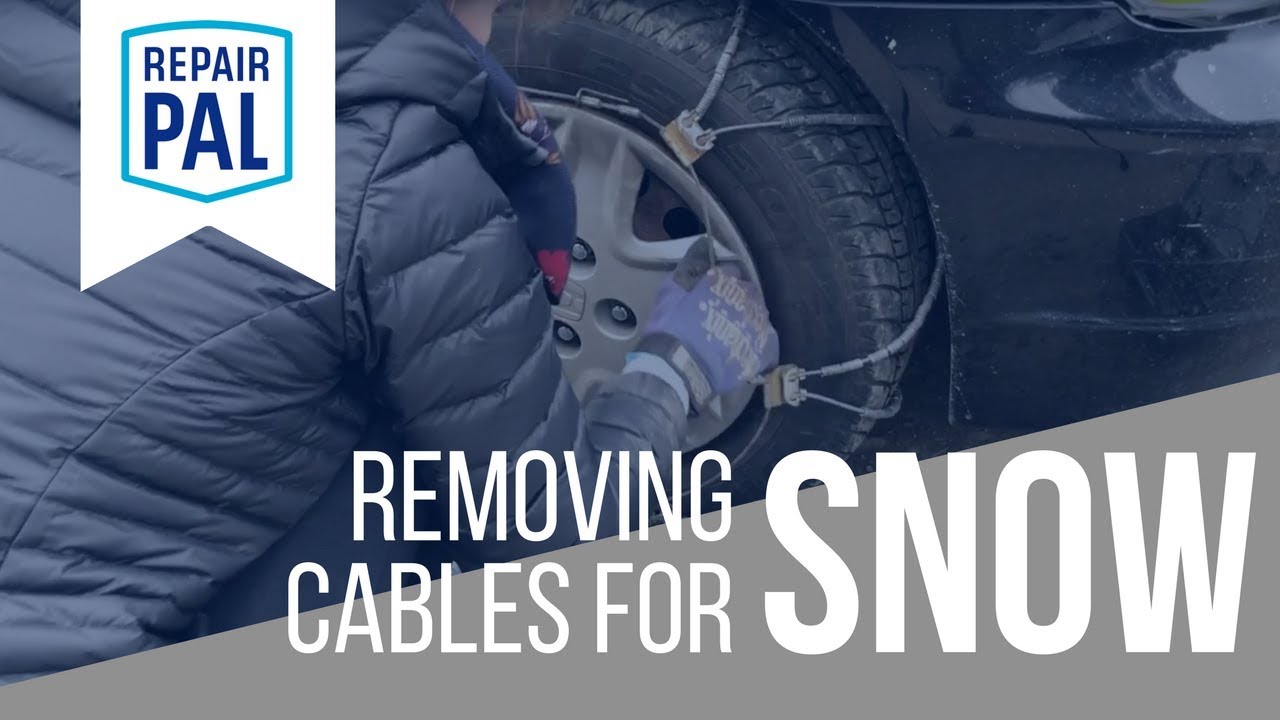
Yes. There are ladder-type, diamond-pattern, and automatic chains. Each has a slightly different removal process. Always check your chain’s manual for details. For example, automatic chains may require a switch or lever inside your car.
Removing tire chains is not just about safety—it also saves your tires and chains from unnecessary wear. With the right steps, tools, and care, you can quickly get back to regular driving. For more details on tire chain safety, visit WikiHow.