Removing the tail lights from your Jeep is a straightforward job, but it’s easy to make mistakes if you haven’t done it before.
Whether you’re replacing a broken light, upgrading to LEDs, or just troubleshooting an electrical issue, knowing the right steps will save you time and frustration.
In this guide, you’ll learn how to remove Jeep tail lights safely, what tools you’ll need, and a few pro tips most beginners miss.
Tools And Preparation
Before you start, gather these essential tools:
- Phillips and flathead screwdrivers
- Socket wrench set (usually 10mm or 8mm)
- Trim removal tool or plastic pry bar
- Gloves for hand protection
Always check your Jeep’s model year. Jeep Wrangler JK (2007–2018) and JL (2018–present) models have slightly different setups. Tail lights on the Jeep Cherokee, Grand Cherokee, and older Wranglers also differ. Look up your owner’s manual if you’re unsure.
Pro tip: Take a quick photo of your tail light assembly before removal. This makes reinstallation much easier.
Step-by-step: Removing Jeep Tail Lights
1. Open The Tailgate
Most Jeep tail lights are only accessible with the tailgate open. This will expose the screws or bolts holding the tail light assembly.
2. Locate And Remove Mounting Screws
For most Jeeps, you’ll find two to four screws on the inside edge of the tail light. Use a Phillips screwdriver or the correct socket wrench depending on your model.
- On the Wrangler JK, there are two Phillips screws.
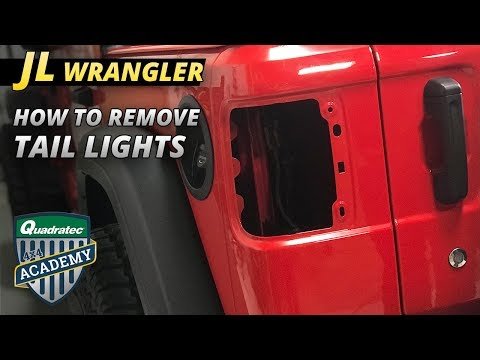
- On the Wrangler JL, there are two bolts (often 10mm).
- On the Grand Cherokee, you may need to remove a plastic trim piece first.
Don’t force the screws. If they’re tight, apply penetrating oil and let it sit for a few minutes.
3. Gently Pry The Assembly
With the screws removed, the tail light assembly may still feel stuck. Use a plastic trim tool to gently pry the unit away from the body. Never use metal tools—they can scratch your paint.
Watch for plastic clips. Some Jeep tail lights have clips that need a little extra pressure to release.
4. Disconnect The Wiring Harness
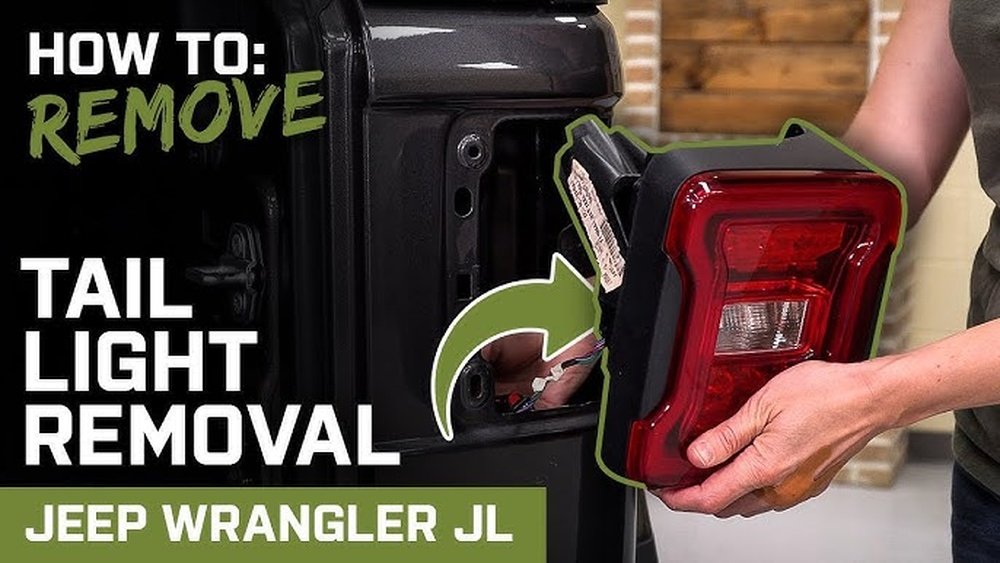
Once the tail light is loose, carefully pull it outward. You’ll see a wiring plug at the back.
- Press the release tab on the connector and pull it straight out.
- Do not pull on the wires—always handle the plug itself.
If your Jeep has LED tail lights or aftermarket upgrades, there may be additional connectors for turn signals or reverse lights. Note their positions for reinstallation.
5. Remove The Tail Light
Now you can fully take out the tail light assembly. Place it on a soft surface to avoid scratches or cracks.
Tip: Check the bulb sockets and wiring for corrosion or damage. This is a perfect time to replace old bulbs if needed.
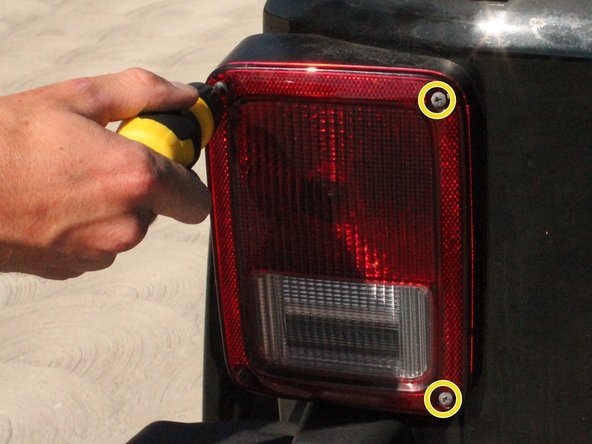
Jeep Tail Light Removal: Model Comparison
Different Jeep models have unique tail light setups. Here’s a quick comparison:
| Jeep Model | Number of Screws/Bolts | Tool Needed | Special Notes |
|---|---|---|---|
| Wrangler JK | 2 | Phillips screwdriver | Simple removal |
| Wrangler JL | 2 | 10mm socket | Has alignment pins |
| Grand Cherokee | 2-4 | Phillips/socket | Remove trim first |
| Cherokee | 2-4 | Phillips/socket | Some have hidden clips |
Common Mistakes To Avoid
- Using metal tools on painted surfaces: Always use plastic trim tools to prevent scratches.
- Losing screws or clips: Place all hardware in a small tray or bag as soon as you remove it.
- Forgetting connector positions: Take photos before unplugging, especially if you have more than one connector.
- Overtightening on reinstallation: Hand-tighten only until snug. Overtightening can crack plastic housings.
When To Replace Vs. Repair
Sometimes, you can fix a minor tail light issue without full replacement. Here’s a quick guide:
| Problem | Replace Assembly? | Repair Possible? |
|---|---|---|
| Broken Lens | Yes | No |
| Burned Out Bulb | No | Yes |
| Corroded Socket | No | Yes (clean or replace socket) |
| Cracked Housing | Usually | Temporary seal possible |
After Removal: What’s Next?
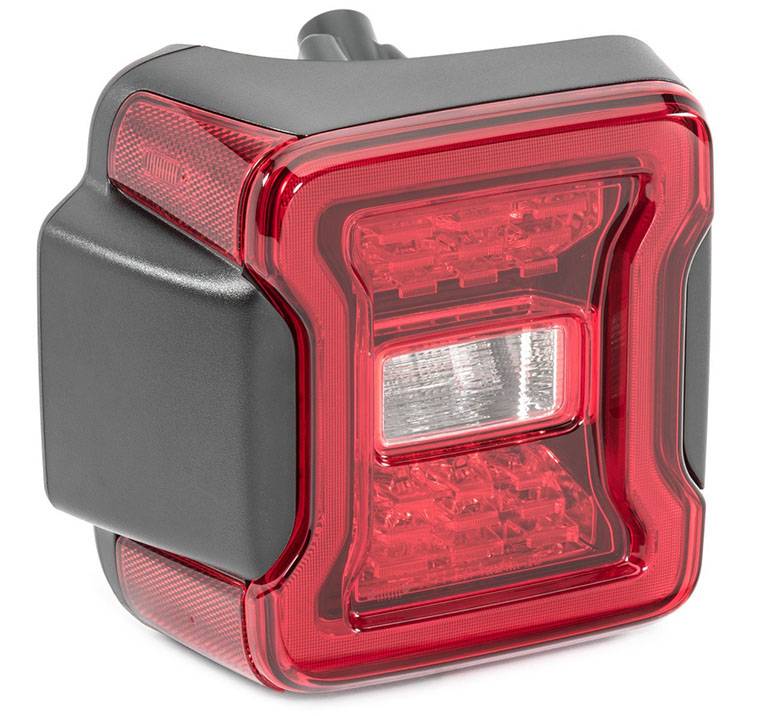
After you’ve removed the tail light, inspect the wiring and mounting area for rust or damage. Clean the surface before installing a new unit. If upgrading to LED tail lights, check if you need an adapter or resistor to prevent hyperflashing.
Pro insight: Many Jeep owners forget to check the rubber gasket around the tail light. If it’s cracked or missing, water can leak into your tailgate. Replace the gasket if needed for a tight seal.
Safety Reminders
- Always disconnect the negative battery terminal before working with electrical components.
- Test all light functions (brake, turn, reverse) after reinstallation, before closing up.
- Old bulbs can break—wear gloves and eye protection.
If you’re unsure at any step, consult your owner’s manual or visit a certified mechanic. For more Jeep-specific wiring info, see the Jeep Official Site.
Frequently Asked Questions
How Long Does It Take To Remove Jeep Tail Lights?
Most people can remove a Jeep tail light in 10–20 minutes. Beginners may take a bit longer, especially if screws are rusted or hidden by trim.
Do I Need To Disconnect The Battery Before Starting?
It’s not always required, but disconnecting the negative battery terminal is the safest way to prevent short circuits or accidental shocks.
Will Removing The Tail Light Void My Jeep Warranty?
No, simply removing the tail light assembly for bulb replacement or upgrades will not void your warranty. However, damage caused by improper handling or aftermarket parts may affect coverage.
Can I Upgrade To Led Tail Lights Myself?
Yes, most Jeep models allow for easy LED tail light upgrades. Make sure to check compatibility and whether you need additional resistors or adapters to avoid fast blinking.
What If My Tail Light Won’t Come Out After Removing Screws?
If the assembly feels stuck, it’s likely held by clips or alignment pins. Use a plastic trim tool to gently pry and wiggle the light free. Don’t force it; check for any missed screws or hidden clips before applying more pressure.
Removing Jeep tail lights is a job you can do with basic tools and a little patience. Following these steps will keep your paint and wiring safe, and you’ll be ready for new lights or simple repairs in no time.