Removing the shifter knob from your Jeep can seem tricky at first, but with the right approach, it's a simple task.
Whether you’re upgrading to a custom knob, fixing a loose shifter, or just cleaning, knowing the correct steps helps you avoid damage and frustration.
This guide will walk you through the process, including tips that most beginners overlook. You’ll also see helpful tables comparing Jeep models and knob types, plus answers to common questions.
Understanding Jeep Shifter Knobs
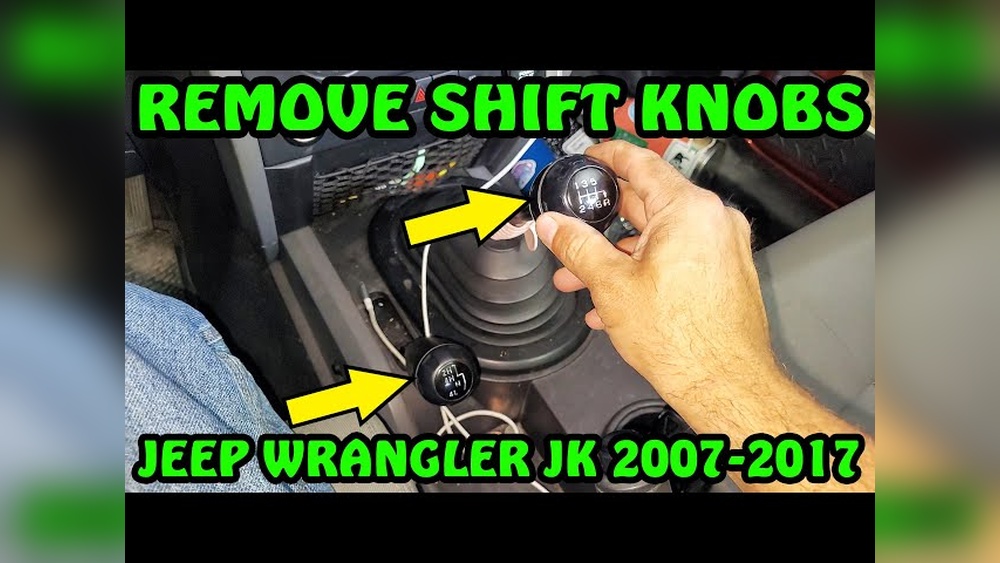
The shifter knob is the handle at the top of your gear shifter. It’s usually made from plastic, metal, or leather. Most Jeep models use either a threaded, clamped, or pressed-on knob. Knowing your Jeep’s knob type is important before removal.
Here’s a comparison of common Jeep models and their shifter knob types:
| Jeep Model | Year Range | Knob Type |
|---|---|---|
| Wrangler JK | 2007–2018 | Threaded |
| Wrangler JL | 2018–2024 | Clamped |
| Grand Cherokee | 2011–2021 | Pressed-on |
| Liberty | 2002–2012 | Threaded |
Many Jeep owners don’t realize that knob types change even between trims. Always check your owner’s manual or search your VIN online for exact details.
Tools And Preparation
Before you start, gather these tools:
- Flathead screwdriver
- Allen wrench (if your knob has a set screw)
- Soft cloth
- Grip gloves (optional, for tight knobs)
Make sure your Jeep is parked, the engine is off, and the parking brake is set. It’s best to work in daylight or use a bright flashlight. Taking photos before removal helps during reinstallation.
Here’s a quick table of common tools and their uses:
| Tool | Purpose |
|---|---|
| Flathead screwdriver | Remove trim or pry clips |
| Allen wrench | Loosen set screws |
| Soft cloth | Protect surfaces |
| Grip gloves | Improve grip for tight knobs |
Some Jeep owners skip gloves, but they help prevent scratches and make it easier to grip stubborn knobs.
Step-by-step Removal Process
Follow these steps to remove your Jeep shifter knob safely:
1. Identify Your Knob Type
Check your Jeep model and year. Look for a set screw, threads, or a pressed fit.
If unsure, gently twist the knob if it turns easily, it’s threaded. If not, check for a small screw on the side.
2. Remove Trim (if Needed)
Some Jeeps have a boot or trim around the shifter. Use a flathead screwdriver to gently lift the trim. Protect the area with a cloth to avoid scratches.
3. Loosen Set Screw (for Clamped Knobs)
If your knob has a set screw, use an Allen wrench to turn it counterclockwise. Don’t remove the screw completely—just loosen it enough.
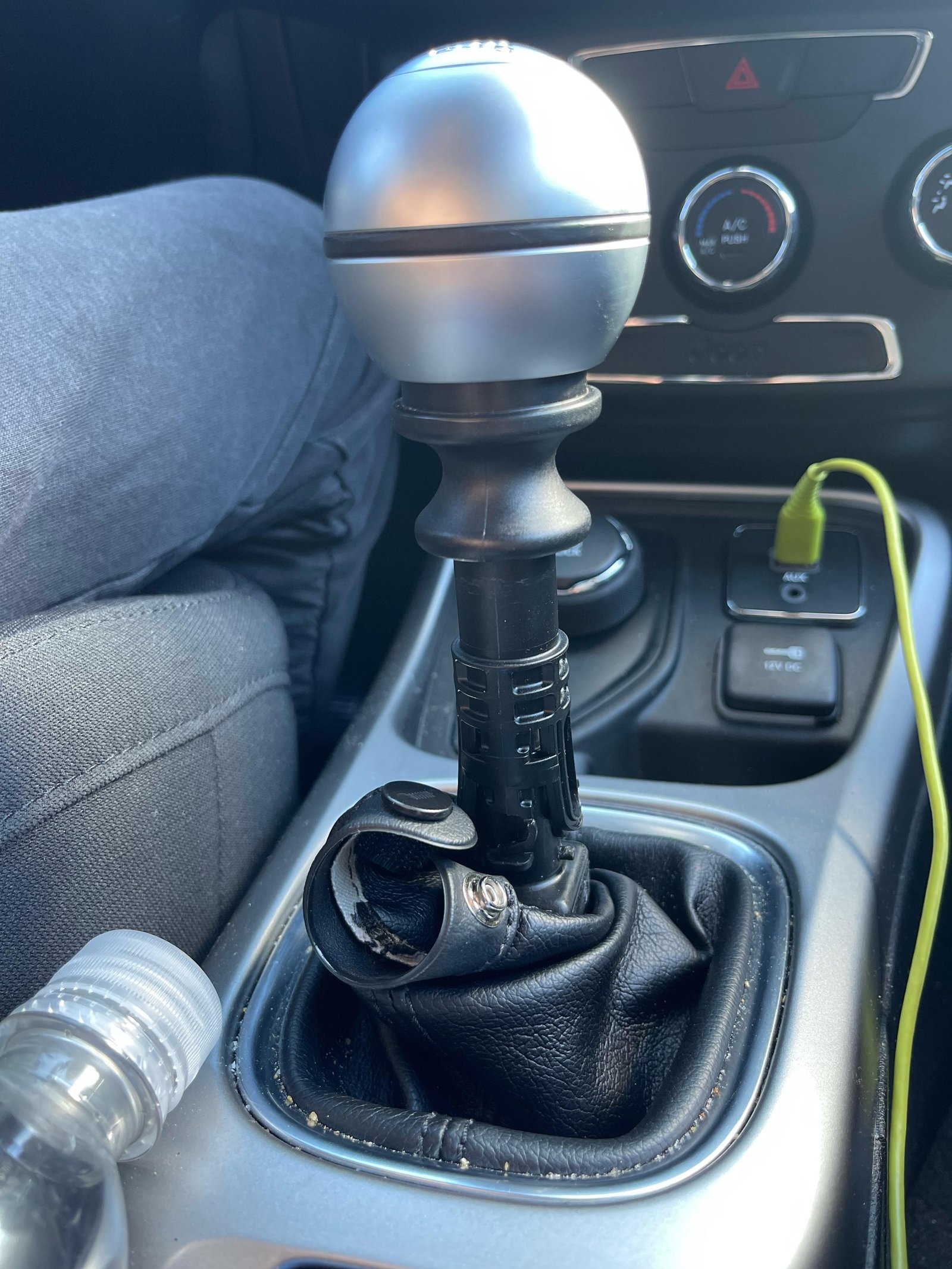
4. Unscrew Or Pull Off The Knob
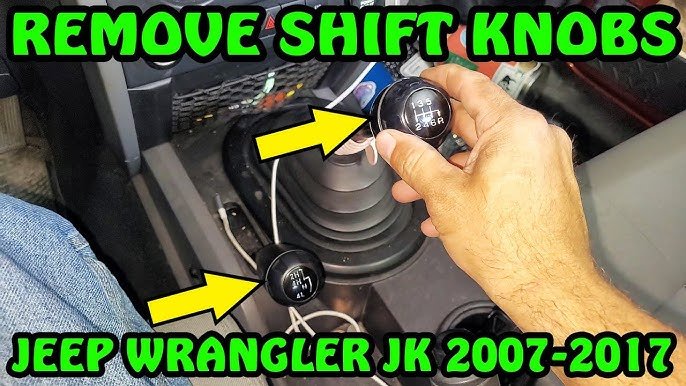
- Threaded knob: Turn the knob counterclockwise to unscrew.
- Clamped knob: Lift or pull the knob up after loosening the screw.
- Pressed-on knob: Grip the knob firmly and pull straight up with steady force. Wiggle gently if needed.
Pro tip: If the knob is stuck, wrap a soft cloth around it and use grip gloves for extra leverage. Avoid using excessive force—if it won’t budge, check for hidden screws or clips.
5. Clean The Shifter Shaft
After removal, wipe the shifter shaft with a dry cloth. This prevents dust and makes installation easier.
6. Install New Knob Or Reassemble
Reverse the steps to install a new knob. Make sure it’s snug but not overtightened.
For set screws, tighten just enough to hold the knob firmly.
Common Mistakes And How To Avoid Them
Many beginners make errors that can damage their Jeep. Here are some things to watch out for:
- Forcing the knob: If it doesn’t move, double-check for hidden screws.
- Using metal tools directly: Always protect surfaces with a cloth.
- Losing small parts: Work over a tray or mat to catch dropped screws.
- Skipping photos: Take pictures before removing any parts for easy reference.
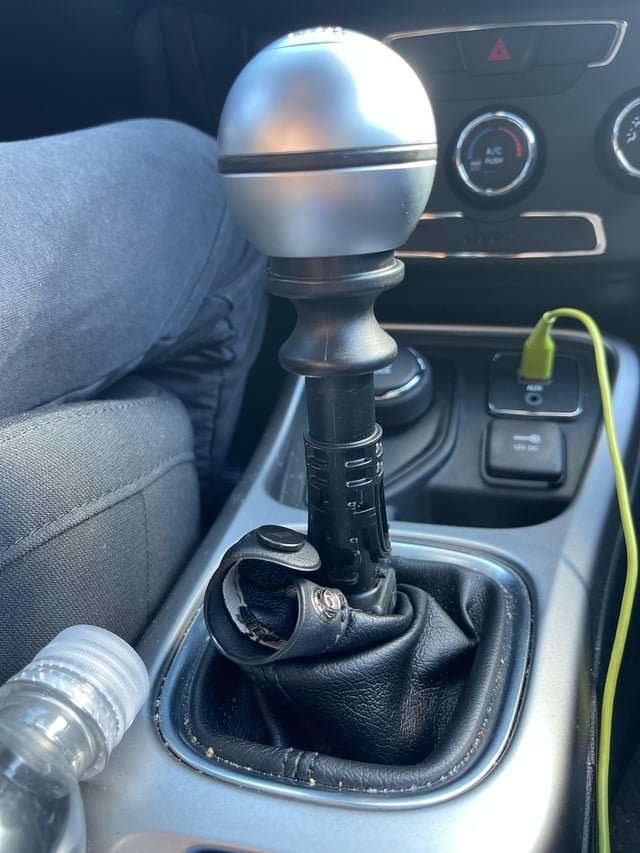
A less-known mistake is forgetting to check the shift boot. Some boots are attached to the knob and need to be separated first.
When To Seek Professional Help
If your knob won’t come off or you find electrical connectors (in electronic shifters), it’s best to ask a mechanic. Incorrect removal can damage sensors or wiring.
Most shops charge $50 $100 for this service, but DIY saves money if done carefully.
Customizing Your Jeep Shifter Knob
Many owners like to upgrade to a custom shifter knob. There are hundreds of styles, from metal to wood. Here’s a quick look at popular options:
| Material | Average Price | Benefits |
|---|---|---|
| Aluminum | $30–$70 | Durable, modern look |
| Leather | $40–$90 | Comfortable grip, classic style |
| Wood | $50–$120 | Unique appearance, warm feel |
Remember, not all knobs fit all shifter shafts. Check compatibility before buying. For more details, visit the official Jeep forum: JeepForum.
Frequently Asked Questions
How Do I Know If My Jeep Shifter Knob Is Threaded Or Pressed-on?
Check your owner’s manual or look for visible threads at the base of the knob. If it turns easily by hand, it’s threaded. Pressed-on knobs usually have no visible threads.
Can I Reuse The Old Shifter Knob After Removal?
Yes, as long as you don’t damage it during removal. Clean it before reinstalling for best results.
Some Jeep models use electronic shifters. If you see wires, do not force the knob.
Consult a mechanic or your manual for safe steps.
Are Aftermarket Shifter Knobs Universal?
No. Many are model-specific.
Check shaft diameter and knob type before buying. Some universal knobs require adapters.
How Tight Should I Install The New Knob?
Tighten the knob so it does not wobble, but avoid overtightening. For knobs with set screws, secure firmly but stop if you feel resistance.
Removing a Jeep shifter knob is a straightforward task with the right tools and knowledge. Take your time, check your model, and follow each step carefully.
Customizing your shifter is a fun way to add personality to your Jeep, but always double-check compatibility to avoid extra hassle.
With these tips, you can handle the job confidently and safely.