Removing Jeep grill inserts might sound simple, but doing it right protects your vehicle and makes future upgrades easier.
Whether you want to clean behind the inserts, replace them with a new style, or upgrade for better airflow, this process is manageable with the right approach.
Let’s break down the steps, tips, and common mistakes so you can handle this task like a pro.
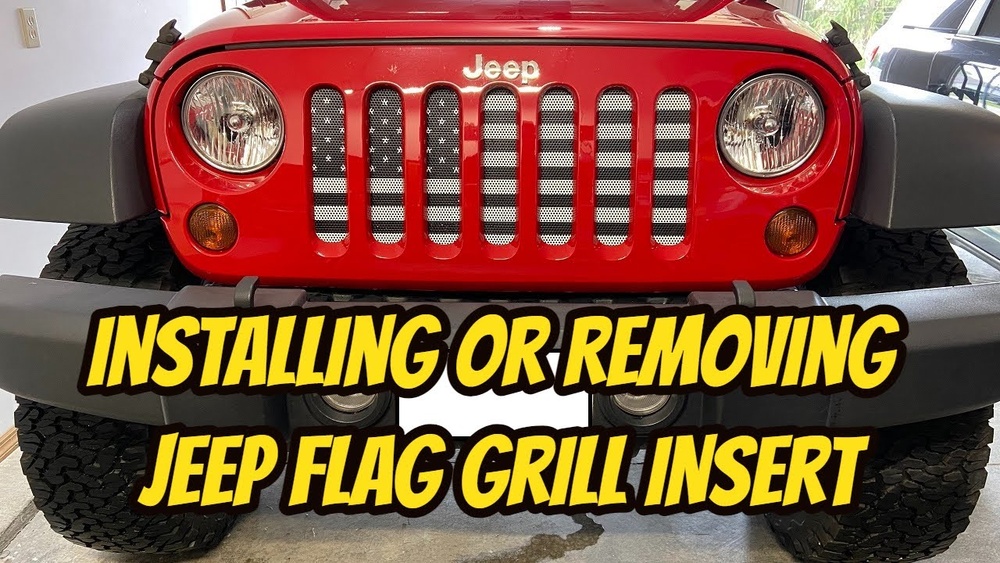
Why Remove Jeep Grill Inserts?
Many Jeep owners remove grill inserts for these reasons:
- Upgrading to a new look or brand
- Cleaning out debris or dirt
- Improving airflow for better engine cooling
- Accessing the radiator or front sensors
Jeep Wranglers, Cherokees, and Gladiators often use snap-in inserts. Understanding your model’s design is key to a smooth removal.
Tools And Preparation
Before you start, gather these tools:
- Trim removal tool (plastic to avoid scratching paint)
- Flathead screwdriver (optional, for stubborn clips)
- Microfiber towel
- Gloves
A trim removal tool is best because metal tools can damage the grill or paint. Work in a clean, dry area.
Lay a towel on the ground to protect the grill if you need to set it down.
Step-by-step Removal Process
Follow these steps to remove Jeep grill inserts safely:
1. Open The Hood
Always open the hood. This gives better access and prevents damaging the hood latch or paint.
2. Locate The Grill Clips
Most Jeep models have plastic clips along the top of the grill. Some have additional clips on the bottom or sides.
3. Release The Top Clips
Using the trim tool, gently pry up each clip. If clips are tight, wiggle the tool side to side.
Avoid using a screwdriver unless needed, as it can scratch surfaces.
4. Separate The Grill From The Body
Once the top clips are free, pull the grill forward. It may need a gentle but firm tug.
You’ll hear some popping as the bottom clips release.
5. Remove The Grill Inserts
Each insert is usually held by tabs or small screws at the back.
- For snap-in inserts, press the tabs inward and push the insert forward.
- For screwed-in inserts, use a screwdriver to remove fasteners.
- Clean the Area
With inserts out, clean behind the grill. Dirt often collects here, and cleaning improves airflow.
7. Inspect For Damage
Check for any broken clips or cracks. Replace damaged parts before reassembly.
Example: Jeep Wrangler Jl (2018+)
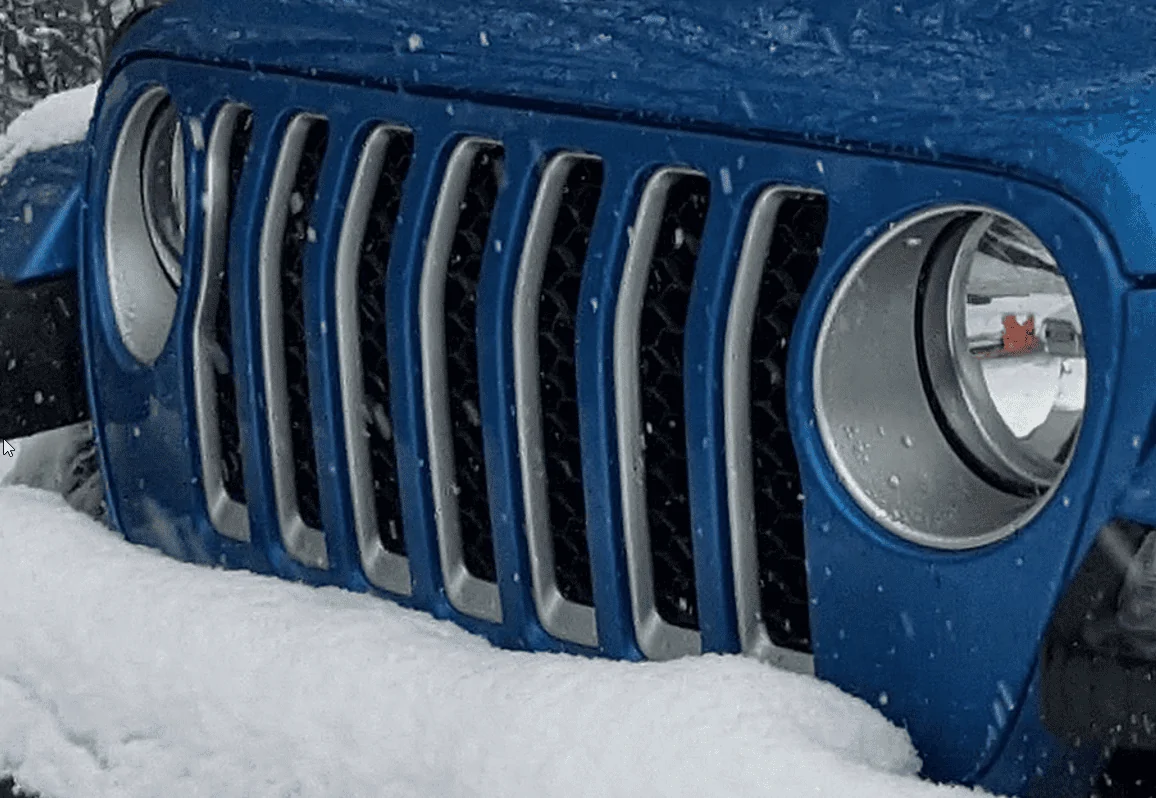
Wrangler JL uses seven snap-in inserts. After opening the hood and removing top clips, the grill pulls forward. Each insert is released by pushing the tabs and gently popping the insert out.
Jeep Grill Insert Types And Differences
Different Jeep models use different insert designs. Here’s a comparison:
| Model | Insert Attachment | Removal Difficulty |
|---|---|---|
| Wrangler JK | Snap-in tabs | Easy |
| Wrangler JL | Snap-in tabs | Easy |
| Cherokee | Screws & clips | Moderate |
| Gladiator | Snap-in tabs | Easy |
Always check your Jeep’s manual for specific instructions, as designs can change between years.
Common Mistakes And How To Avoid Them
Removing grill inserts isn’t hard, but some mistakes can cause headaches:
- Forcing clips can break them. If a clip won’t move, try another angle or use a plastic tool.
- Losing screws or clips is common. Place removed hardware in a cup or bag.
- Scratching paint happens with metal tools. Stick to plastic trim tools.
- Skipping cleaning means debris can block airflow or scratch new inserts.
Tips For Reinstalling Or Upgrading Inserts
After removal, reinstallation or upgrading is easy with these tips:
- Test-fit new inserts before final installation.
- Check airflow: Some aftermarket inserts can restrict airflow, causing higher engine temperatures.
- Inspect fit: Aftermarket parts may need slight sanding or adjustment.
- Secure all clips: Loose inserts can rattle or fall out during driving.
Here’s a quick look at common Jeep grill insert materials:
| Material | Pros | Cons |
|---|---|---|
| ABS Plastic | Lightweight, rust-proof | Less durable in extreme heat |
| Stainless Steel | Very durable, stylish | Heavier, more expensive |
| Mesh (Aluminum) | Good airflow, sporty look | Can bend if hit |
Non-obvious Insights
Many beginners overlook two key points:
- Alignment is crucial: Misaligned inserts can create wind noise or look uneven.
- OEM vs aftermarket: Original parts usually fit perfectly, but some aftermarket inserts need extra trimming or modification. Always read reviews or installation notes from others with your Jeep model.
Safety And Care
Wear gloves to protect your hands from sharp edges or clips. If you’re working in cold weather, plastic clips are more brittle and can break easily. Warm the area if possible before starting.
If you plan to upgrade to special inserts (like those with mesh for off-roading), check if they block sensors or cameras. Modern Jeeps may have adaptive cruise or parking sensors behind the grill area.

Useful Resources
For detailed visuals, the Jeep owner’s manual or community forums often have helpful guides and videos. For more technical info, see the Jeep Wrangler Wikipedia page.
Removing Jeep grill inserts is a simple upgrade that makes a big difference in both appearance and function. Take your time, use the right tools, and you’ll get pro results every time.
Frequently Asked Questions
How Long Does It Take To Remove Jeep Grill Inserts?
Most Jeep grill inserts can be removed in 15 to 30 minutes. Beginners may need a bit longer, especially the first time.
Can I Reuse The Original Clips And Fasteners?
Yes, if the clips are not damaged, you can reuse them. If any are broken, replacements are inexpensive and widely available.
Do I Need To Disconnect The Battery Before Starting?
For basic grill insert removal, disconnecting the battery is not needed. But if your grill has lights or sensors, disconnect power to avoid electrical issues.
Will Removing The Grill Inserts Void My Warranty?
Usually, removing or changing inserts will not void your warranty. However, damaging other parts during removal could affect warranty claims.
Are Aftermarket Inserts As Good As Oem?
Some aftermarket inserts offer unique styles and materials. Quality varies, so check reviews and ensure they don’t block airflow or sensors on your Jeep.