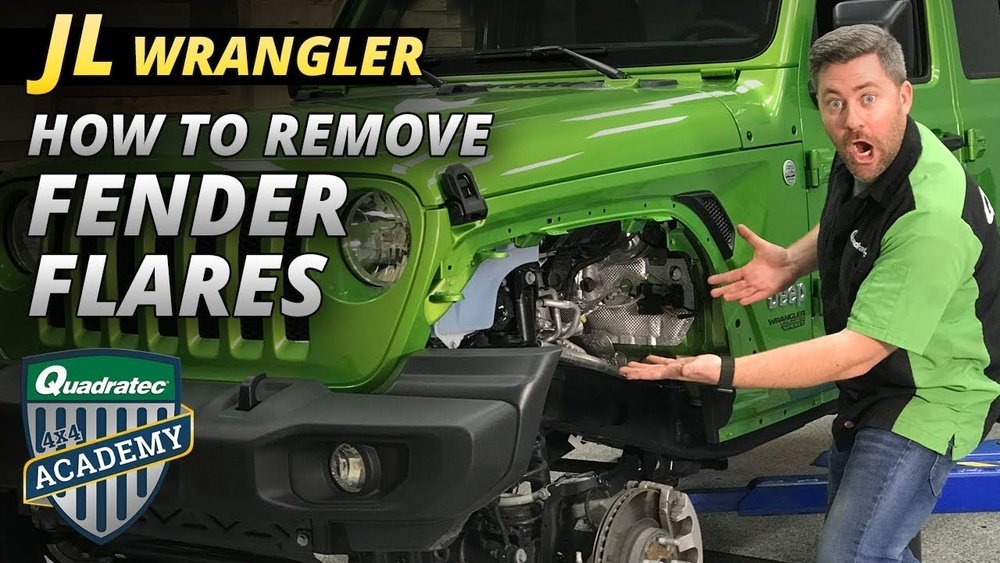
Removing Jeep fender flares is a job many owners tackle for style, maintenance, or upgrades. Whether you want to install larger tires, fix rust spots, or simply change your Jeep’s look, knowing how to remove these parts safely is important. If you rush the job or miss hidden fasteners, you risk damaging your Jeep’s paint or body. This guide will help you remove fender flares step-by-step and avoid common mistakes—no matter if you’re working on a Wrangler, Cherokee, or Gladiator.
Understanding Jeep Fender Flares
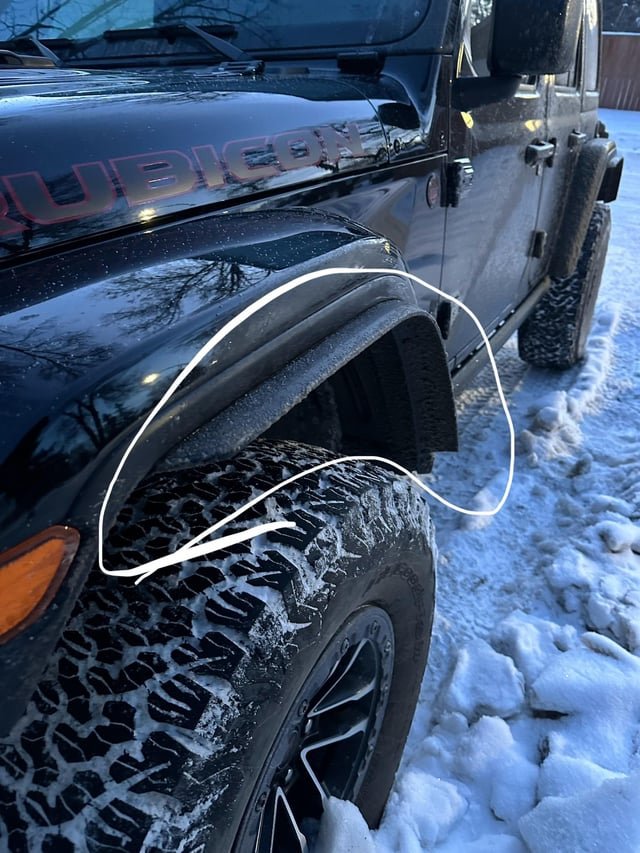
Fender flares are extensions above the wheel wells. They protect your Jeep from mud, rocks, and debris kicked up by tires. Most Jeeps come with plastic fender flares, but some aftermarket options are metal or rubber. Removing these parts is not the same for every Jeep model, but the basics stay similar.
Let’s look at how fender flares are attached:
| Jeep Model | Typical Attachment | Common Tools Needed |
|---|---|---|
| Wrangler JK | Plastic clips, screws | Socket set, trim tool |
| Cherokee XJ | Bolts, adhesive | Wrench, razor blade |
| Gladiator JT | Clips, bolts | Ratchet, pliers |
Before you start, check your owner’s manual or look up your model’s specific attachment method.
Preparing For Removal
Getting ready is half the job. Here’s what you need:
- Basic tools: Socket set, screwdrivers, pliers, trim removal tool, razor blade (if adhesive is used)
- Safety gear: Gloves, eye protection
- Work area: Flat surface, enough room to move around the Jeep
- Optional: WD-40 for stuck bolts, plastic bags for removed hardware
Don’t forget to clean the area around the fender flares. Dirt can scratch your paint during removal.
Also, check for rust or corrosion removing flares may reveal spots that need repair.
Step-by-step Removal Process
1. Locate All Fasteners
Find all clips, screws, and bolts securing the fender flares. Some fasteners are under the wheel well, others are inside the fender. For some models, you may need to remove the wheel for better access.
2. Remove Screws And Bolts
Use your socket set or screwdriver to loosen and remove each fastener. If a bolt is rusted, spray it with WD-40 and wait a few minutes.
Always keep the hardware in a bag they’re easy to lose.
3. Pry Off Plastic Clips
Many Jeeps use plastic clips. Use a trim removal tool to gently pry these out. Don’t use too much force; broken clips are common and can damage the flare or fender. If you break a clip, replacements are cheap and easy to find.
4. Detach Adhesive (if Present)
Some older models use adhesive. Run a razor blade along the seam to loosen it.
Move slowly to avoid scratching the paint. For stubborn adhesive, a heat gun can help soften it.
5. Remove The Fender Flare
Once all fasteners are out, gently pull the fender flare away from the body. If it sticks, check for missed fasteners.
Never yank a stuck flare usually means you missed something.
6. Clean Up
After removal, wash the exposed area. You may find paint scratches or rust spots. Fix these before installing new flares or leaving the area exposed.
Here’s a comparison of typical removal times for different Jeep models:
| Jeep Model | Front Flare Removal Time | Rear Flare Removal Time |
|---|---|---|
| Wrangler JK | 20–30 minutes | 20–30 minutes |
| Cherokee XJ | 30–45 minutes | 30–45 minutes |
| Gladiator JT | 25–35 minutes | 25–35 minutes |
Practical Tips For A Smooth Job
- Photograph fastener locations before starting. This helps during reinstallation.
- Use a magnetic tray for bolts—small parts roll away easily.
- If you plan to reuse the flares, keep them on a clean surface to avoid scratches.
- Don’t rush. Even experienced mechanics check twice for hidden fasteners.
- After removal, inspect the mounting holes for damage. Fill or repaint as needed.

Common Mistakes And How To Avoid Them
- Missing hidden fasteners: Always double-check. Use a flashlight to inspect tight spaces.
- Breaking plastic clips: Pry gently and use the right tool.
- Scratching paint: Clean the area first and use plastic tools.
- Losing hardware: Store all screws and clips in a bag or tray.
- Ignoring rust: Rust spreads fast. Treat it before reinstalling anything.
Many beginners forget to clean the exposed area after removal. This leads to long-term paint damage.
Also, some people throw away old clips, thinking they’re useless actually, many can be reused.
Installing New Flares Or Leaving Off
If you plan to install new fender flares, check the mounting points for alignment. Most aftermarket flares use the same holes as factory ones. If you leave flares off, consider adding edge trim to protect the paint.
Here’s a quick comparison of factory vs aftermarket fender flare durability:
| Type | Material | Typical Lifespan |
|---|---|---|
| Factory | Plastic | 5–8 years |
| Aftermarket | Metal/ABS | 8–12 years |
Frequently Asked Questions
How Do I Know If My Jeep Uses Clips Or Bolts?
Check your owner’s manual or look at the inside of the wheel well. Most newer Wranglers use plastic clips while Cherokees often have bolts.
Will Removing Fender Flares Affect My Jeep’s Value?
Removing factory flares may lower resale value if the paint underneath is damaged. If you upgrade to quality aftermarket flares, it can improve value, especially for off-road buyers.
Can I Drive Without Fender Flares?
Legally, some states require fender flares to cover tires. Driving without them may lead to fines, especially if your tires stick out past the body.
What Should I Do If I Break A Plastic Clip?
Buy replacement clips from auto parts stores or online. They are inexpensive and easy to install.
Do I Need To Repaint After Removal?
If the paint is scratched or chipped, repainting is recommended. Leaving bare spots can lead to rust and further damage.
Removing Jeep fender flares isn’t difficult, but the right steps make the job safe and clean. Take your time, use proper tools, and always check for hidden fasteners. If you want more detailed info about Jeep parts and maintenance, visit Wikipedia. With careful work, your Jeep will look great, and you’ll avoid costly repairs.