Getting ready to remove your Jeep Cherokee grill inserts? Whether you want to upgrade your look, clean behind the grill, or install a new accessory, taking out these inserts isn’t as hard as it seems.
With the right tools and a careful approach, you can do it in less than an hour—even if you’re new to car DIY. This guide will walk you through every step, explain common mistakes, and compare the different grill insert types you might find on Jeep Cherokee models.
You’ll also learn a couple of insider tricks that most beginners miss.
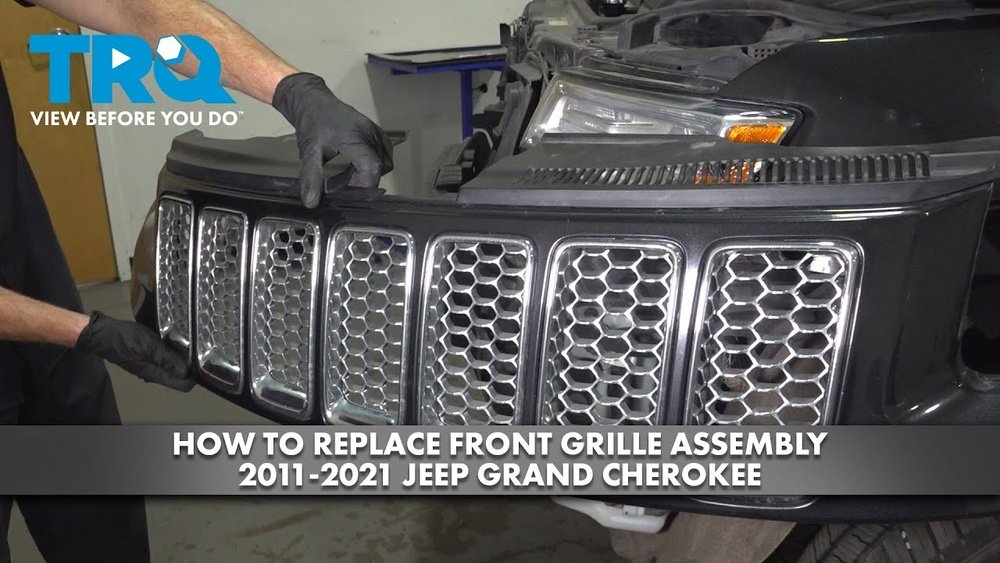
What Are Jeep Cherokee Grill Inserts?
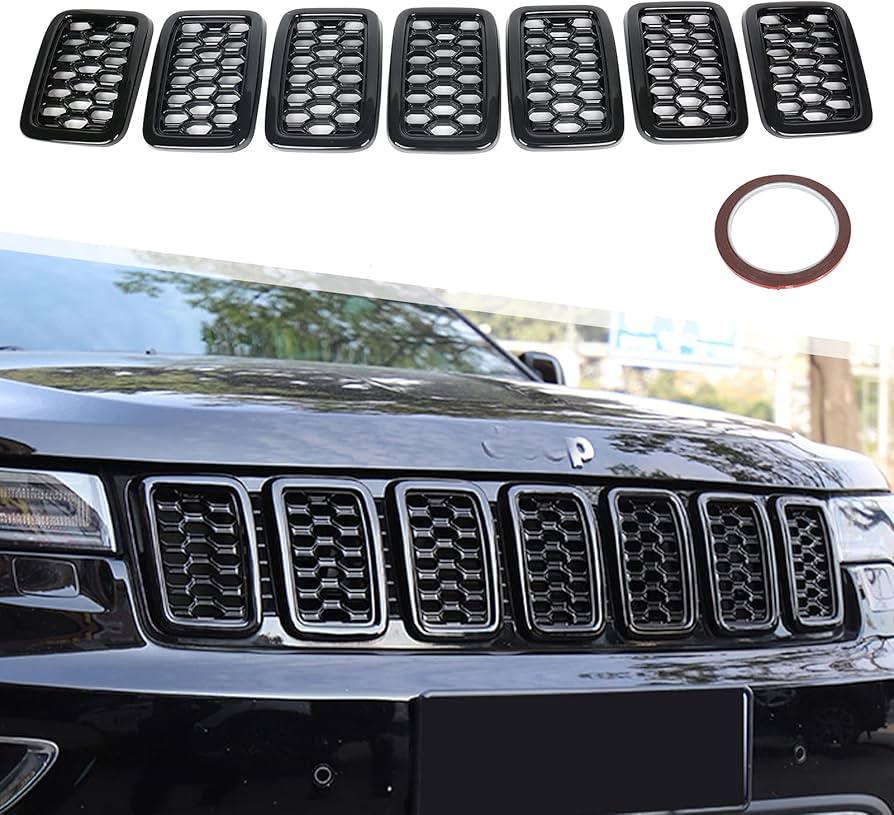
The grill inserts are the vertical or horizontal slats or mesh pieces sitting inside your Jeep Cherokee’s main grille. They protect your radiator, add style, and sometimes help with airflow. Most Cherokee models, like the XJ, KL, and Trailhawk, have either snap-in plastic inserts or screw-mounted metal ones. Knowing which type you have is important—removal methods differ, and you don’t want to break a clip or strip a screw.
| Jeep Cherokee Model | Insert Material | Attachment Type | Estimated Removal Time |
|---|---|---|---|
| XJ (1984–2001) | Plastic | Snap-in clips | 20–30 minutes |
| KL (2014–present) | Plastic/Metal | Screws + clips | 30–45 minutes |
| Trailhawk | Metal | Screws | 40–60 minutes |
Tools And Preparation
Before you start, gather your tools. You don’t need many, but having the right ones makes the job safer and faster.
Recommended tools:
- Flathead screwdriver
- Phillips screwdriver
- Trim removal tool (plastic, prevents scratches)
- Torx driver (for some models)
- Clean cloth or towel
Preparation tips:
- Park your Jeep on a flat surface.
- Let the engine cool down—grills can get hot.
- Lay the towel over your bumper to avoid scratches.
- Take a photo of your grill before removal; it helps when reinstalling.
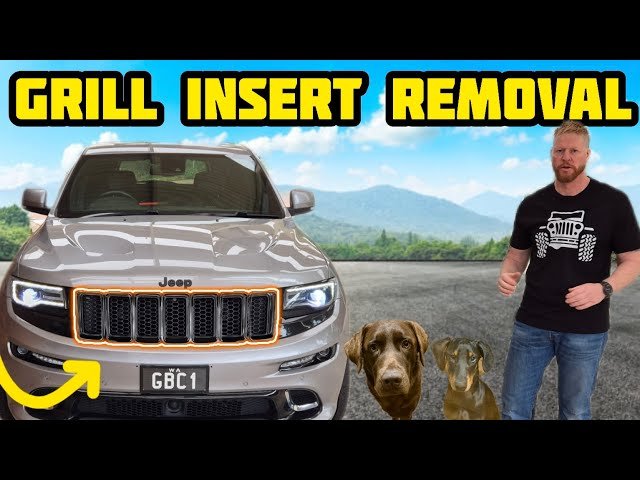
Step-by-step: Removing Grill Inserts
1. Identify Insert Attachment
Start by checking how your inserts are attached. Look for screws at the corners or clips at the edges. On older XJ models, most are snap-in. KL and Trailhawk often use screws plus clips.
2. Remove Screws
If your inserts are held by screws:
- Use a Phillips or Torx driver.
- Turn each screw counterclockwise.
- Place screws in a safe spot—they’re easy to lose.
Some models have hidden screws behind the grill frame. Feel gently for them, or check your owner’s manual.
3. Pry Out Clips
For snap-in inserts:
- Insert your trim removal tool or flathead screwdriver under the edge of the grill insert.
- Gently pry outward—don’t force it. Clips can break if bent too far.
- Work from one end to the other, releasing each clip.
- Once all clips are free, the insert slides out.
Insider tip: If a clip won’t budge, press it from the back (inside engine bay) instead of prying harder.
4. Remove Insert
Pull the insert straight out. If it resists, check for missed screws or clips.
Avoid twisting it can crack the plastic or bend the metal.
5. Clean Grill Area
With inserts removed, take the chance to clean behind the grill. Use a soft brush or cloth to wipe away dirt and bugs.
This improves airflow and keeps your radiator healthy.
6. Store Or Reinstall Inserts
If you plan to reinstall the inserts, keep them clean and safe. If you’re replacing them, compare the old and new parts before fitting.
Common Mistakes Beginners Make
- Forcing clips: Too much pressure breaks them. Always pry gently and check for hidden fasteners.
- Losing screws: Use a small container for all hardware.
- Scratching paint: Only use plastic trim tools, never metal, on painted surfaces.
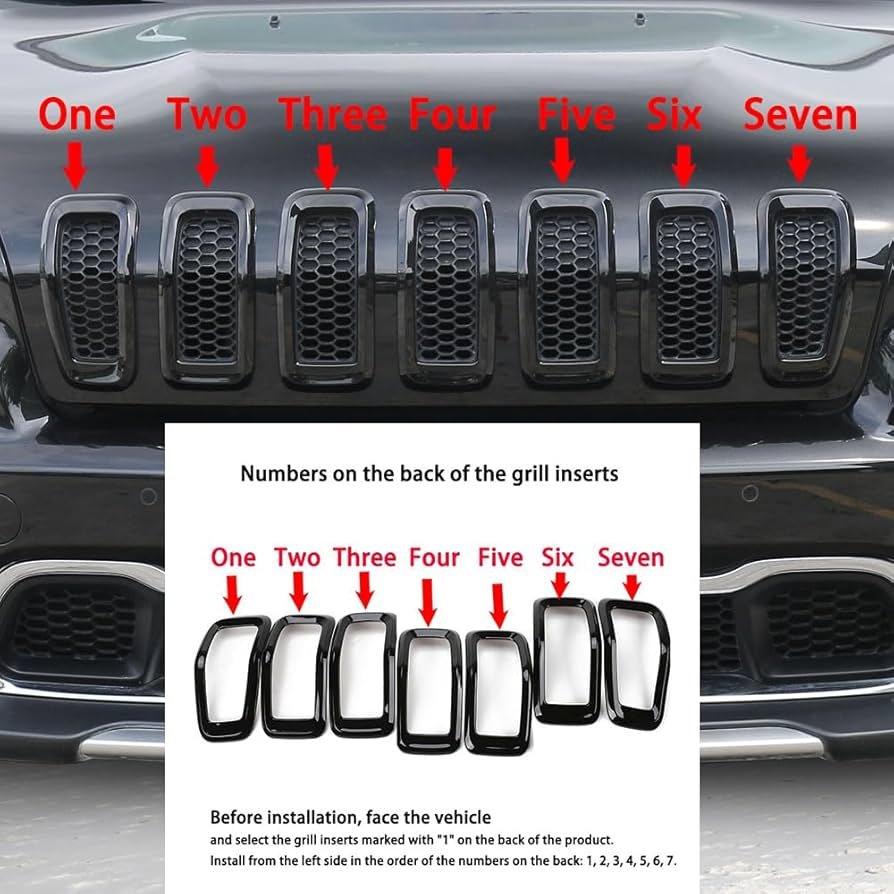
- Mixing up insert order: Some inserts are shaped differently. Lay them out in removal order.
- Not cooling the engine: Hot grills can burn your hands.
| Error | Impact | Prevention |
|---|---|---|
| Breaking clips | Insert won’t fit again | Pry gently, check manual |
| Lost screws | Loose grill, rattling sound | Use container, count screws |
| Scratched paint | Visible damage | Use plastic tools |
Practical Tips For Smooth Removal
- Spray a little silicone lubricant on stubborn clips for easier removal.
- If you see rusted screws, use a bit of WD-40 and wait five minutes before unscrewing.
- For metal inserts, wear gloves—edges can be sharp.
Non-obvious insight: Some Jeep Cherokee inserts have small tabs that must be pressed before removal. These are easy to miss; look closely at the insert’s sides or bottom.
Comparing Aftermarket Vs Oem Grill Inserts
Thinking of replacing your inserts? Here’s a quick comparison:
| Insert Type | Material | Durability | Style Options | Price Range |
|---|---|---|---|---|
| OEM (Original) | Plastic/Metal | High | Limited | $40–$120 |
| Aftermarket | Plastic/Aluminum | Medium–High | Wide | $25–$150 |
Aftermarket inserts offer more styles and colors, but OEM fits are often more precise. If you’re unsure, stick with OEM for your first replacement.
Frequently Asked Questions
How Long Does It Take To Remove Jeep Cherokee Grill Inserts?
Most people finish in 30–45 minutes. If it’s your first time, plan for an hour. Older models with snap-in clips are faster than newer ones with screws.
Can I Remove Grill Inserts Without Taking Off The Bumper?
Yes, almost all Cherokee models let you remove inserts without bumper removal. Only some custom aftermarket grills require extra steps.
What If A Clip Breaks During Removal?
If a clip breaks, you can buy replacement clips at auto stores or online. Don’t reinstall inserts with broken clips they may fall out while driving.
Are Aftermarket Grill Inserts Easy To Install?
Most aftermarket inserts are simple to install if they match your Jeep’s year and model. Check fitment guides before buying, and avoid cheap inserts that don’t list compatibility.
Is It Safe To Drive With Grill Inserts Removed?
It’s safe for short periods, but avoid driving long-term without inserts. The grill protects your radiator from rocks and debris. For more details on grill protection, see Jeep Official Website.
Removing your Jeep Cherokee grill inserts is a straightforward job, but a little patience and the right tools make a big difference. Take your time, avoid forcing anything, and keep track of all parts. Once you’ve done it, you’ll find that customizing or cleaning your grill is easier than you expected. If you’re thinking of swapping inserts for a new look, now you know exactly how to do it—without risking damage or frustration.