Regearing your Jeep is one of the best ways to restore performance after adding bigger tires or heavier accessories. Many owners notice their Jeep feels slow, struggles to climb hills, or loses fuel efficiency after upgrades.
Regearing fixes these problems by matching your axle gear ratio to your new setup.
While the process is technical, understanding each step can help you decide if you want to tackle it yourself or leave it to a pro. Let’s explore how to regear a Jeep, what tools you need, and what mistakes to avoid.

Why Regear A Jeep?
Changing your Jeep’s tire size changes its final drive ratio. This affects how much power goes to the wheels. If you install larger tires without regearing, your engine works harder, your speedometer reads incorrectly, and fuel economy drops.
A 2018 Jeep Wrangler with stock 3.21 gears and 33-inch tires might struggle in high gear. Regearing to a 4.56 ratio restores torque and makes the Jeep feel like new again. Regearing is especially important if you:
- Off-road frequently
- Tow heavy loads
- Want better acceleration
- Drive in mountainous areas
Choosing The Right Gear Ratio
Picking the correct ratio depends on tire size, engine type, and how you use your Jeep.
| Tire Size (inches) | Recommended Gear Ratio | Best For |
|---|---|---|
| 33 | 4.10 – 4.56 | Daily driving |
| 35 | 4.56 – 4.88 | Off-roading |
| 37 | 4.88 – 5.13 | Heavy towing |
A common mistake is choosing a ratio too low or too high. If you gear too low, your Jeep may rev too much on the highway.
If you gear too high, you lose torque for off-roading. Consult your owner's manual or use online calculators for best results.
Tools And Parts Needed
Regearing requires specialized tools and parts. Here’s what you need:
- New ring and pinion gears (matched set)
- Carrier or locker (if upgrading)
- Bearing kit (includes seals and shims)
- Gear marking compound
- Torque wrench
- Dial indicator
- Large sockets and wrenches
- Shop press or bearing puller
- Gear oil and RTV silicone
Tip: Always buy high-quality gears and bearings. Cheap parts can fail quickly and ruin your axle.
Step-by-step Guide To Regearing
- Lift your Jeep and remove the wheels for access.
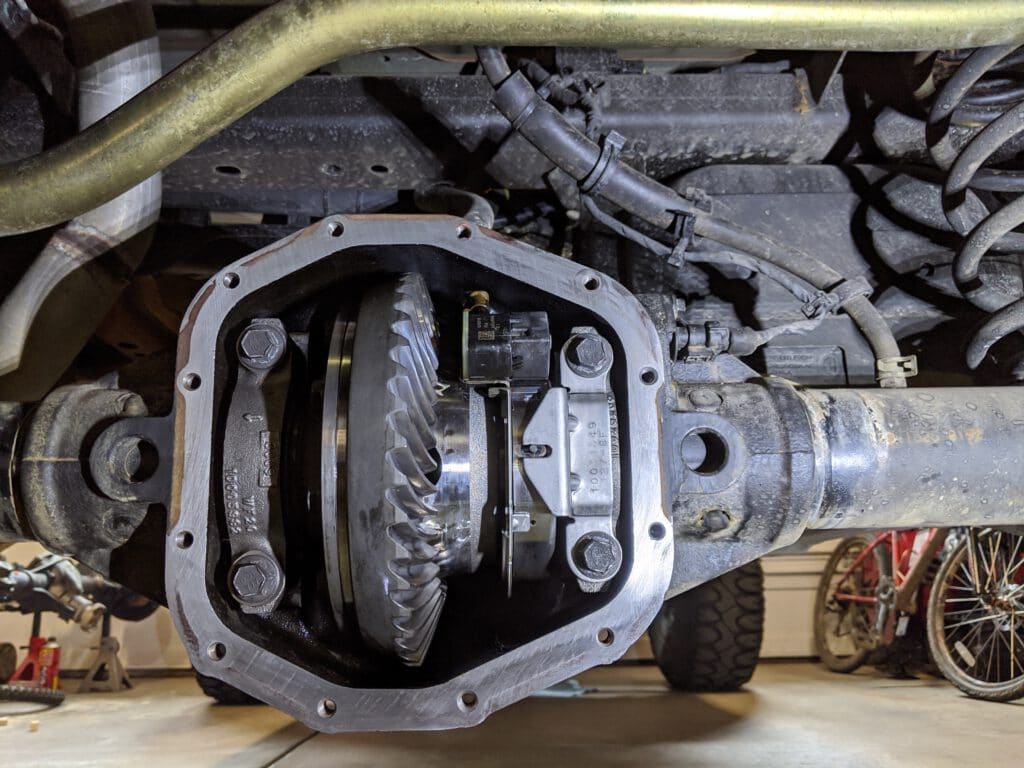
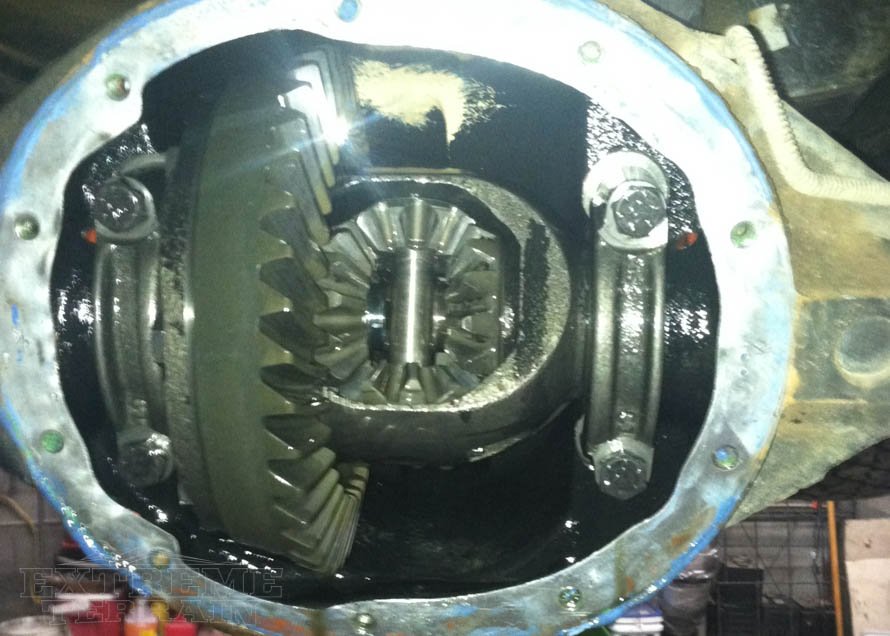
- Drain the axle fluid and remove the differential cover.
- Mark the driveshaft and remove it from the axle flange.
- Remove the carrier and old gears carefully. Take note of the shim arrangement.
- Press off old bearings and install new ones on the carrier and pinion.
- Install the new pinion gear with the proper shims. Torque the pinion nut to spec.
- Place the carrier with the new ring gear back into the housing. Adjust backlash using shims.
- Use gear marking compound to check the gear mesh pattern. Adjust as needed.
- Reinstall the driveshaft, cover, and add gear oil.
- Test drive and listen for unusual noises.
| Step | Time Needed | Skill Level |
|---|---|---|
| Preparation | 1 hour | Beginner |
| Gear removal | 2 hours | Intermediate |
| Gear installation | 3 hours | Advanced |
| Testing | 1 hour | Beginner |
Common Mistakes And How To Avoid Them
Many beginners make errors that lead to expensive repairs later. Two big mistakes are:
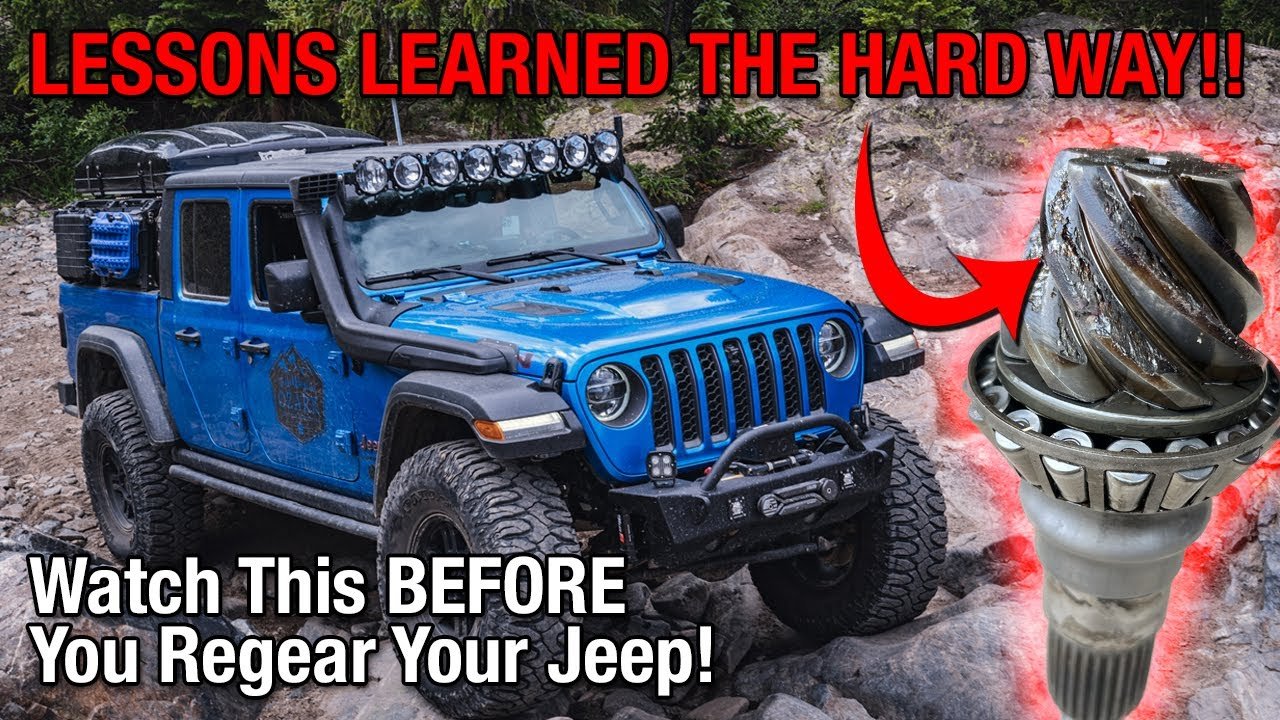
- Incorrect backlash adjustment: If gears are too tight or too loose, they wear out fast. Always use a dial indicator to measure backlash.
- Poor gear mesh pattern: If the gears do not mesh properly, you’ll hear whining noises. Adjust shims until the pattern looks centered and even.
Another overlooked point is bearing preload. If you don’t use a torque wrench, bearings can fail quickly. Always follow manufacturer torque specs.
Professional Vs Diy Regearing
Regearing is not easy. Most shops charge $1,000 $1,500 per axle, including parts and labor.
Doing it yourself can save money, but mistakes are costly.
| Option | Cost | Pros | Cons |
|---|---|---|---|
| Professional | $1,000–$1,500 per axle | Expert results, warranty | Expensive |
| DIY | $300–$800 per axle | Lower cost, satisfaction | Risk of mistakes, no warranty |
If you have mechanical experience and the right tools, DIY is possible. For most Jeep owners, professional installation is safer.
Always ask for references and check reviews before choosing a shop.
Post-regear Checks
After regearing, check for:
- Leaks around the differential cover
- Unusual noises during driving
- Smooth shifting and acceleration
- Correct speedometer reading (may need recalibration)
Changing the gear oil after 500 miles helps remove metal shavings from break-in. This step is often missed by beginners.
Frequently Asked Questions
How Do I Know If My Jeep Needs Regearing?
If your Jeep feels sluggish after bigger tires, loses fuel efficiency, or struggles on hills, you likely need regearing.
Can I Regear Only One Axle?
No. Both axles must have the same ratio. Regearing only one will damage the drivetrain.
How Long Does The Process Take?
A professional shop can finish in 6–8 hours. DIY may take a full weekend, especially if it’s your first time.
Will Regearing Affect My Warranty?
Yes. Most warranties do not cover aftermarket gear changes. Check with your dealer before proceeding.
What Gear Oil Should I Use?
Use 75W-90 or 80W-90 gear oil for most Jeeps. Always follow manufacturer specs for best results.
Regearing your Jeep restores performance, power, and efficiency. While the process is technical, planning ahead and using quality parts makes all the difference. Whether you choose DIY or professional installation, proper gear selection and careful setup will help your Jeep handle any adventure. For more technical details and gear ratio calculators, visit Jeep Official Site.