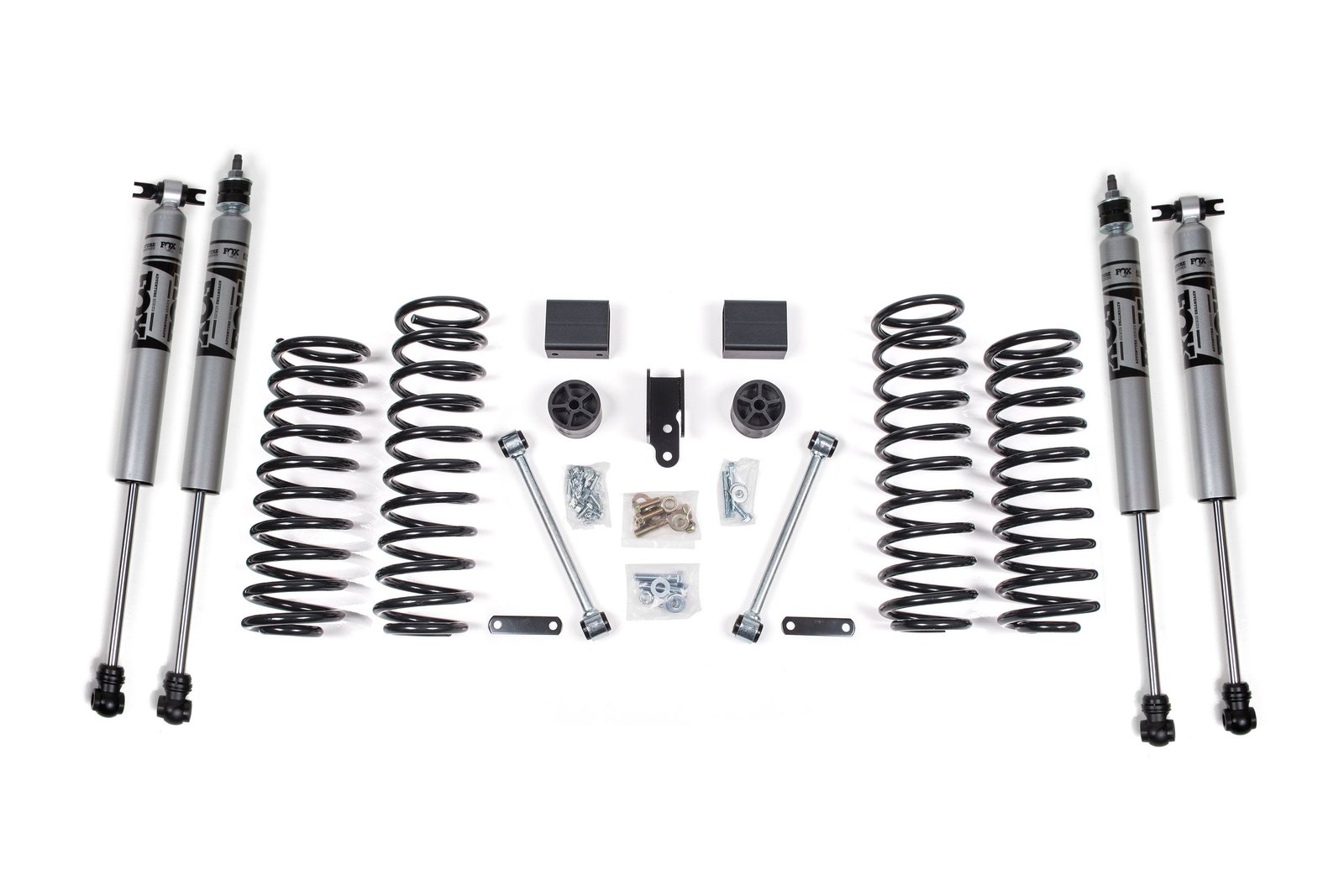
Raising a Jeep is one of the most popular upgrades for off-road enthusiasts. If you want your Jeep to look tougher, handle rough trails, or fit bigger tires, lifting is a practical solution.
But raising a Jeep is not as simple as buying a kit and installing it.
Making the right choices can help you avoid expensive mistakes, safety issues, and poor ride quality. Here’s what you need to know before you take your Jeep higher.
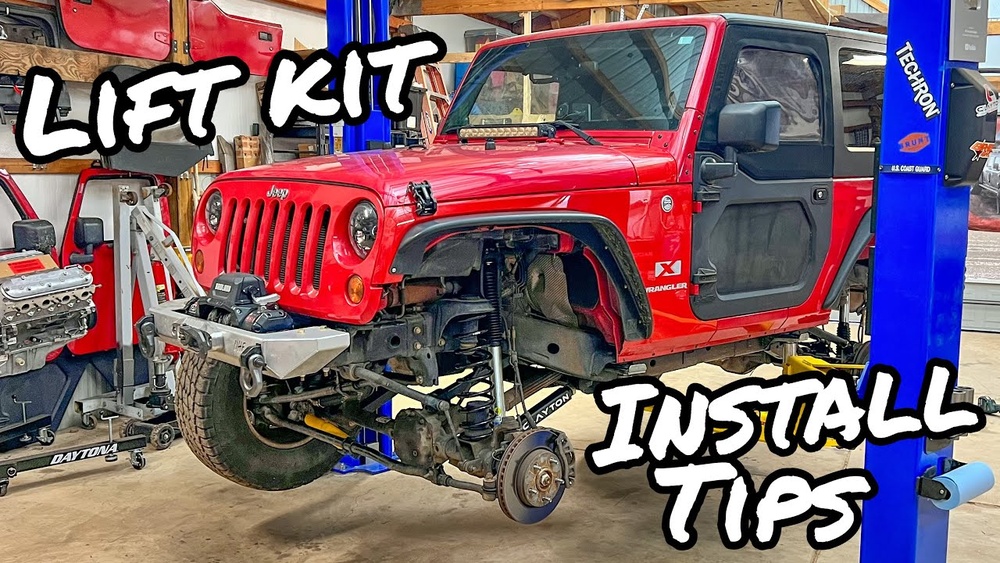
Why Lift Your Jeep?
Lifting a Jeep does more than just change its appearance. There are real benefits, including:
- Increased ground clearance: Helps avoid rocks and debris on trails.
- Bigger tire fitment: Makes it possible to install larger, off-road tires.
- Better approach and departure angles: Gives your Jeep a better chance to handle steep hills and obstacles.
- Distinctive look: Makes your vehicle stand out on and off the road.
However, lifting also comes with challenges. The ride can become stiffer, fuel economy might drop, and your Jeep’s handling will feel different.
Always weigh the pros and cons before deciding.
Types Of Jeep Lift Kits
Choosing the right lift kit depends on your goals, budget, and the type of driving you do. Here’s a quick comparison:
| Lift Kit Type | Lift Height | Best For | Approx. Cost (USD) |
|---|---|---|---|
| Body Lift | 1-3 inches | Appearance, bigger tires | $100-$500 |
| Spacer (Budget Boost) | 1-2.5 inches | Mild off-road, low cost | $150-$600 |
| Suspension Lift | 2-6+ inches | Serious off-road, major mods | $400-$3,000+ |
A body lift raises the body from the frame using spacers. It’s cheaper but doesn’t improve off-road performance. Spacer lifts are simple and keep your Jeep’s factory ride, but can wear out suspension parts faster. Suspension lifts are the most complete, improving performance and clearance, but require more parts and labor.
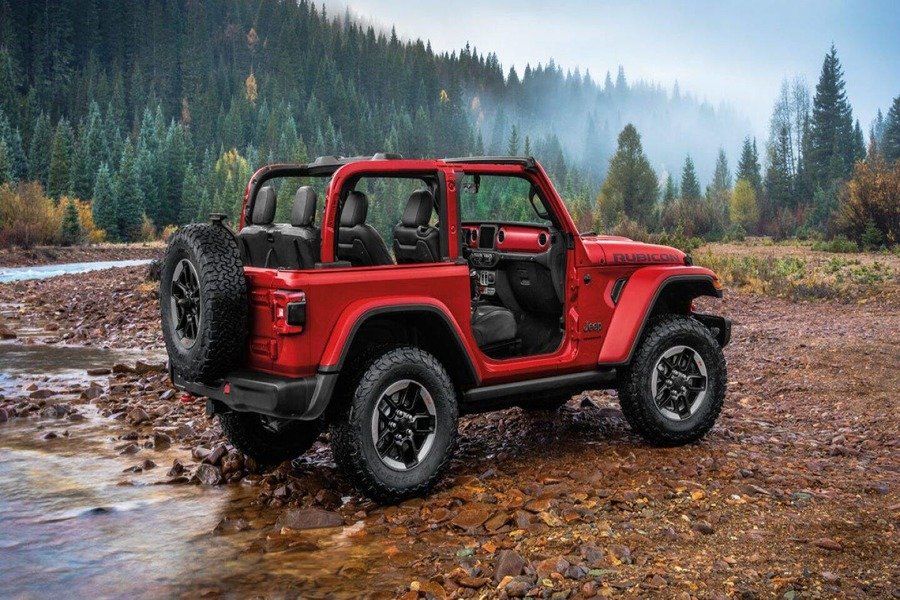
How To Raise A Jeep: Step-by-step
Raising a Jeep is a mechanical task that should be done carefully. Here’s a basic outline for installing a suspension lift kit, the most popular option:
1. Research Your Kit
Make sure the kit matches your Jeep model and year. Some kits include shocks, springs, and control arms, while others are more basic.
2. Gather Tools And Equipment
You’ll need a jack, jack stands, sockets, wrenches, and possibly spring compressors. Never rely on a jack alone always use stands.
3. Preparation
Park on a flat surface. Set the emergency brake. Remove the wheels.
4. Remove Old Components
Take out the old shocks, springs, and any other parts that will be replaced.
5. Install New Suspension Parts
Follow the kit instructions. Install springs, shocks, and any added brackets or arms.
6. Reinstall Wheels And Lower Jeep
Double-check all bolts. Put the wheels back and lower the Jeep to the ground.
7. Check Alignment
A lifted Jeep needs a professional alignment. Driving without one can ruin your tires and affect safety.
8. Test Drive
Listen for noises and feel for vibrations. If anything feels off, check your work.
Pro tip: Many beginners miss that longer brake lines or driveshaft adjustments may be needed for lifts over 2.5 inches. Skipping these can lead to brake failure or driveline damage.
Important Considerations Before Lifting
Lifting a Jeep is not only about installation. There are other factors to consider:
- Legal limits: Some states have restrictions on maximum vehicle height.
- Warranty: Lifting can void parts of your factory warranty.
- Insurance: Not telling your insurer about modifications can cause problems.
- Tire size: Bigger tires look great but can change speedometer readings and strain axles.
Here’s a simple guide showing how lift height matches tire size on most Jeeps:
| Lift Height | Max Tire Size | Notes |
|---|---|---|
| Stock | 29-31 inches | No lift needed |
| 2 inches | 32-33 inches | Minor trimming may be needed |
| 4 inches | 35 inches | May require gearing changes |
| 6 inches | 37 inches+ | Heavy modifications required |
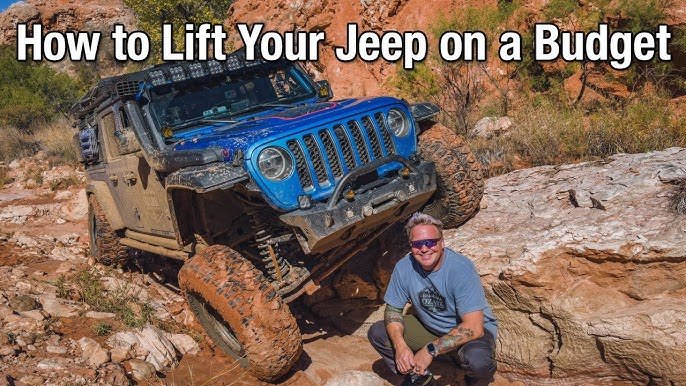
Common Mistakes And How To Avoid Them
Many Jeep owners make errors during their first lift. Two non-obvious pitfalls:
- Ignoring steering geometry: Lifting can create bump steer or death wobble. Use drop pitman arms or adjustable track bars to fix this.
- Skipping re-gear: Big tires with stock gears make your Jeep slow and hurt gas mileage. Re-gearing axles can restore power.
Always test your Jeep after lifting on mild trails before tackling serious off-road routes. This helps you spot problems early.
Maintenance After Lifting
A lifted Jeep needs more attention. Here are some key points:
- Check bolts and joints: Suspension parts can loosen after off-road use.
- Inspect brake lines: Make sure they aren’t stretched or pinched.
- Grease moving parts: Lifted suspensions work harder; lubrication prevents wear.
- Monitor tire wear: Uneven wear is a sign of poor alignment or suspension issues.
A good rule is to inspect your suspension after every off-road trip.
Cost Analysis: Diy Vs. Shop Install
Is it better to lift your Jeep yourself or pay a shop? Here’s a quick breakdown:
| Install Method | Time Required | Average Cost | Skill Needed |
|---|---|---|---|
| DIY | 6-12 hours | Kit cost only | High |
| Professional | 4-8 hours | Kit + $400-$1,000 labor | None |
DIY saves money, but mistakes can be costly. If you’re new to mechanics, consider professional help.
Frequently Asked Questions
How High Should I Lift My Jeep For Off-roading?
Most people find a 2-3 inch lift enough for moderate trails and 33-inch tires. Extreme off-roading may need 4 inches or more, but this requires other upgrades.
Will Lifting My Jeep Void My Warranty?
Lifting can affect your warranty, especially on suspension and drivetrain parts. Always check with your dealer before making changes.
Can I Lift My Jeep At Home?
Yes, if you have the right tools and experience. However, a professional shop is recommended for complex kits or if you’re unsure.
Do I Need To Upgrade Other Parts When Lifting?
For lifts over 2.5 inches, you may need longer brake lines, driveshafts, or steering upgrades. Ignoring these can cause safety issues.
Where Can I Learn More About Jeep Lifts?
You can find more detailed information and step-by-step guides at ExtremeTerrain, a trusted source for Jeep modifications.
Raising a Jeep can open a world of adventure, but planning and attention to detail are key. With the right approach, you’ll enjoy both the look and performance your lifted Jeep brings.