How To Put Jeep Into 4 Wheel Drive: Complete Beginner’s Guide
If you're new to owning a Jeep, you might wonder how to put your Jeep into 4 wheel drive. Getting this right can make all the difference when driving in snow, mud, sand, or rocky trails.
But not all Jeeps work the same way.
Some have different types of four-wheel drive systems, special shifters, and unique buttons. If you’ve ever been stuck spinning your wheels or worried about damaging your Jeep’s drivetrain, don’t worry.
This step-by-step guide will help you understand exactly what to do, no matter which Jeep model you drive.
Why Use 4 Wheel Drive?
Jeeps are famous for off-road ability. But using 4 wheel drive is not just for fun adventures. It helps with:
- Better traction on slippery roads (snow, mud, ice)
- Safer travel in rain or rough conditions
- Getting out of sand or deep dirt
- Climbing hills or rocky surfaces
However, using it wrong can damage your Jeep or make driving harder. Always understand your system before using it.
Types Of Jeep 4 Wheel Drive Systems
Not every Jeep uses the same 4 wheel drive setup. Understanding the difference is important. Here are the four main types you’ll find:
- 4H (Four High)
- 4L (Four Low)
- AWD (All-Wheel Drive)
- Part-Time 4WD
Let’s look at each system, when to use it, and step-by-step directions.
Comparison Of Jeep 4wd Systems
| System | When to Use | Speed Range | Common Models |
|---|---|---|---|
| 4H (Four High) | Snow, mud, rain | Up to 55 mph | Wrangler, Cherokee |
| 4L (Four Low) | Steep hills, rocks, deep sand | Below 25 mph | Wrangler, Gladiator |
| AWD (All-Wheel Drive) | Automatic, always on | Any speed | Grand Cherokee, Compass |
| Part-Time 4WD | Manual control, off-road | Up to 55 mph (4H), 25 mph (4L) | CJ, Wrangler Sport |
How To Put Jeep Into 4 Wheel Drive: Step-by-step For Each System
Let’s break down the steps for each system. Make sure you know which one your Jeep uses before you begin.
1. 4h (four High) System
4H is for driving on slippery roads at normal speeds. It divides power equally between the front and rear wheels. You should use it in snow, rain, mud, or when leaving pavement.
Steps To Engage 4h:
- Check Your Speed: Slow down below 55 mph. Most Jeeps allow you to shift into 4H while moving, but always check your owner’s manual.
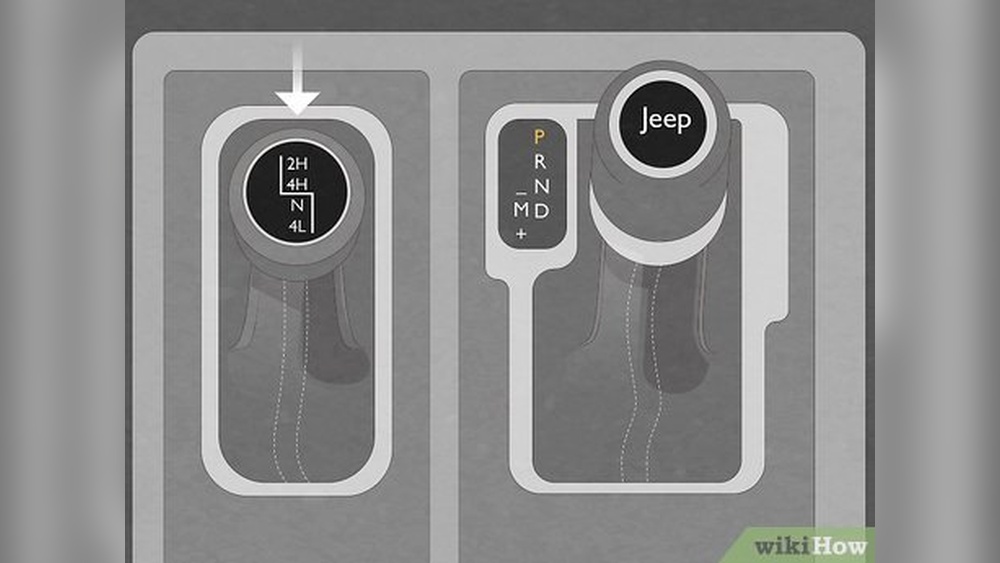
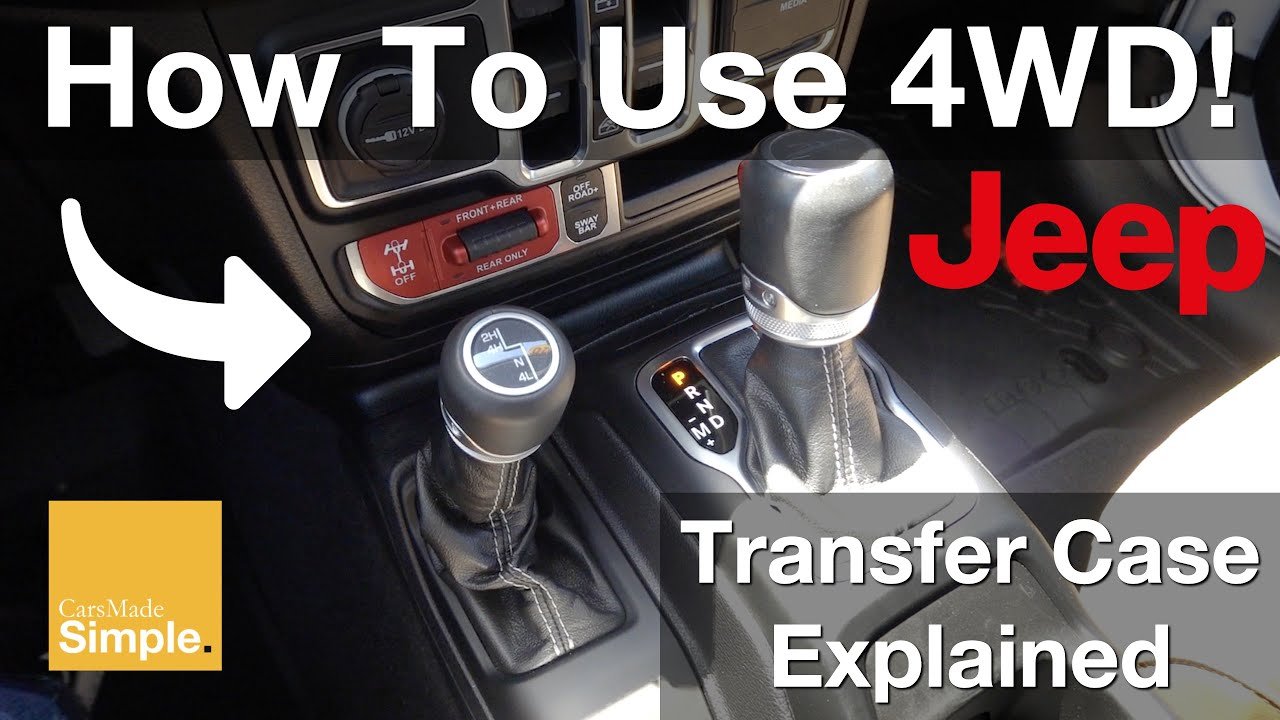
- Shift Lever or Switch: Find the 4WD lever (often next to your gear shifter) or use the electronic switch (some newer models).
- Shift to 4H: Pull the lever straight down from 2H to 4H, or turn/push the switch. You may hear a small “click” or feel a slight movement.
- Resume Driving: The 4WD indicator light should turn on. Drive as normal.
Tips:
- Do not use 4H on dry pavement. This can strain your drivetrain.
- If you feel hard steering, shift back to 2H on firm roads.
Common Mistake: Shifting at high speed or on dry roads can cause damage.
2. 4l (four Low) System
4L is for extreme conditions: deep snow, sand, steep hills, or rock crawling. It gives extra torque but limits speed.
Steps To Engage 4l:
- Stop Your Jeep: Come to a full stop. 4L requires you to be in “neutral” gear.
- Shift to Neutral: Move your main gear shifter to “N” (neutral).
- Shift Lever or Switch: Pull the 4WD lever from 2H/4H down to 4L, or use the electronic knob/button.
- Wait for Indicator: The 4L light will come on.
- Shift to Drive: Move the main gear shifter to “D” (drive) or “1st” for manual transmissions.
- Drive Slowly: Only drive below 25 mph in 4L.
Tips:
- Never use 4L on dry, flat roads.
- 4L makes turning tighter; take corners slowly.
Common Mistake: Trying to shift into 4L while moving. Always stop first.
3. Awd (all-wheel Drive)
AWD is different. It works automatically with no input needed. The system detects wheel slip and sends power where needed.
How Awd Works In Jeep:
- Always On: You don’t need to do anything. Just drive.
- Computer Controlled: The Jeep senses when one wheel slips.
- No Levers or Switches: AWD is common in Grand Cherokee, Compass, and some Cherokee models.
When to Use AWD:
- Everyday driving, wet roads, light off-roading.
Tips:
- You can drive at any speed.
- AWD is less suited for extreme off-roading than 4L.
Common Mistake: Confusing AWD with 4WD. You don’t manually engage AWD.
4. Part-time 4wd
This system gives you control. You choose when to use 2H, 4H, or 4L.
Part-time 4WD is common in classic Jeep models and some base Wranglers.
How To Use Part-time 4wd:
- 2H (Two High): Everyday driving on dry pavement. Power goes to rear wheels only.
- 4H (Four High): Slippery surfaces, up to 55 mph. Shift on the fly below 55 mph.
- 4L (Four Low): Slow, rough, or steep terrain. Stop first, shift to neutral, then to 4L.
Switching Between Modes:
- From 2H to 4H: Slow down, shift directly.
- From 4H to 4L: Stop, shift to neutral, then to 4L.
| Mode | When to Use | Speed Limit |
|---|---|---|
| 2H | Normal roads | Any speed |
| 4H | Snow, mud | Up to 55 mph |
| 4L | Off-road, hills | Below 25 mph |
Important:
- Never use 4H or 4L on dry pavement.
- If your Jeep grinds or resists, stop and try again gently.
Pros And Cons Of Jeep 4 Wheel Drive Systems
Every system has its strengths and limits. Here’s a quick side-by-side look:
| System | Pros | Cons |
|---|---|---|
| 4H | – Easy to use – Good for most slippery roads | – Can’t use on dry roads – Not for very rough terrain |
| 4L | – Max power for off-road – Good for recovery situations | – Low speed only – Not for daily driving |
| AWD | – Fully automatic – Great for changing weather | – Less control – Not as strong for tough trails |
| Part-Time 4WD | – Driver control – Simple mechanics | – Easier to misuse – More manual steps |
Practical Tips For Beginners
Switching your Jeep into 4 wheel drive can be easy, but here’s what most new owners miss:
- Check tire pressure: Uneven tires can make 4WD systems bind, especially part-time setups.
- Practice in a safe area: Try shifting between modes in an empty parking lot before you need it in real life.
- Listen for noises: Grinding or clunking sounds mean something’s wrong. Stop and double-check instructions.
- Read your owner’s manual: Jeeps have different systems across years and models. The manual gives specific guidance.
- Don’t forget to shift back: Driving on dry pavement in 4WD can damage your Jeep and wear tires faster.
Hidden Insight: Some Jeeps with electronic 4WD need you to be in “P” (park) instead of “N” (neutral) for 4L. Always watch your dashboard lights for confirmation.
Another Tip: After using 4L, you may need to reverse a few feet to fully disengage back to 2H. This helps “find” the system if it feels stuck.
Costs And Maintenance
You don’t pay extra to use 4 wheel drive, but it can affect your Jeep in a few ways:
- Fuel economy drops: 4WD uses more gas than 2WD.
- Tires wear faster: If used often on pavement.
- Maintenance: Change transfer case and differential fluids as recommended (usually every 30,000 miles).
- Repair costs: Fixing a damaged 4WD system can cost $500, $2,000 depending on the problem.
Using 4WD properly saves money and avoids breakdowns.
Common Questions About Jeep 4 Wheel Drive
Switching to 4WD can be confusing. fast answers to what people ask most.
<!– wp:rank-math/faq-block {"questions":[{"id":"faq-question-2da17103d168","title":"How Do I Know If My Jeep Is In 4 Wheel Drive?","content":"Look for the 4WD indicator light on your dashboard. When you switch to 4H or 4L, a light (often “4×4” or “4WD”) should turn on. If it blinks, the system is shifting. If it stays on, you’re in 4WD. Always check your manual for light meanings.
“,”visible”:true},{“id”:”faq-question-250c218dd08c”,”title”:”Can I Switch To 4h While Driving?”,”content”:”Yes, most Jeeps let you shift from 2H to 4H at speeds below 55 mph. Always slow down and shift smoothly. Never try this on dry pavement. To shift to 4L, you must stop and go to neutral first.
“,”visible”:true},{“id”:”faq-question-ec7fd76946a1″,”title”:”What’s The Difference Between 4wd And Awd In A Jeep?”,”content”:”4WD is driver-controlled and meant for tough terrain, while AWD works automatically on changing road surfaces. 4WD offers more power and control for off-road, but AWD is simpler for daily driving. For more details, see Wikipedia.
“,”visible”:true},{“id”:”faq-question-e248ced4c772″,”title”:”Can I Use 4l On The Highway?”,”content”:”No, 4L is only for low speed (below 25 mph) and rough terrain. Using 4L at highway speeds can damage your Jeep. Only use it in sand, mud, rocks, or when stuck.
“,”visible”:true},{“id”:”faq-question-ebe601825665″,”title”:”Why Won’t My Jeep Shift Into 4 Wheel Drive?”,”content”:”Sometimes the system won’t shift if you’re moving too fast, not in the right gear (like “N” or “P”), or there’s a mechanical problem. Try stopping and shifting again.
nnnnIf it still won’t work, check for warning lights or visit a mechanic.
“,”visible”:true}]} –>How Do I Know If My Jeep Is In 4 Wheel Drive?
Look for the 4WD indicator light on your dashboard. When you switch to 4H or 4L, a light (often “4×4” or “4WD”) should turn on. If it blinks, the system is shifting. If it stays on, you’re in 4WD. Always check your manual for light meanings.
Can I Switch To 4h While Driving?
Yes, most Jeeps let you shift from 2H to 4H at speeds below 55 mph. Always slow down and shift smoothly. Never try this on dry pavement. To shift to 4L, you must stop and go to neutral first.
What's The Difference Between 4wd And Awd In A Jeep?
4WD is driver-controlled and meant for tough terrain, while AWD works automatically on changing road surfaces. 4WD offers more power and control for off-road, but AWD is simpler for daily driving. For more details, see Wikipedia.
Can I Use 4l On The Highway?
No, 4L is only for low speed (below 25 mph) and rough terrain. Using 4L at highway speeds can damage your Jeep. Only use it in sand, mud, rocks, or when stuck.
Why Won't My Jeep Shift Into 4 Wheel Drive?
Sometimes the system won’t shift if you’re moving too fast, not in the right gear (like “N” or “P”), or there’s a mechanical problem. Try stopping and shifting again.
If it still won’t work, check for warning lights or visit a mechanic.
Final Thoughts
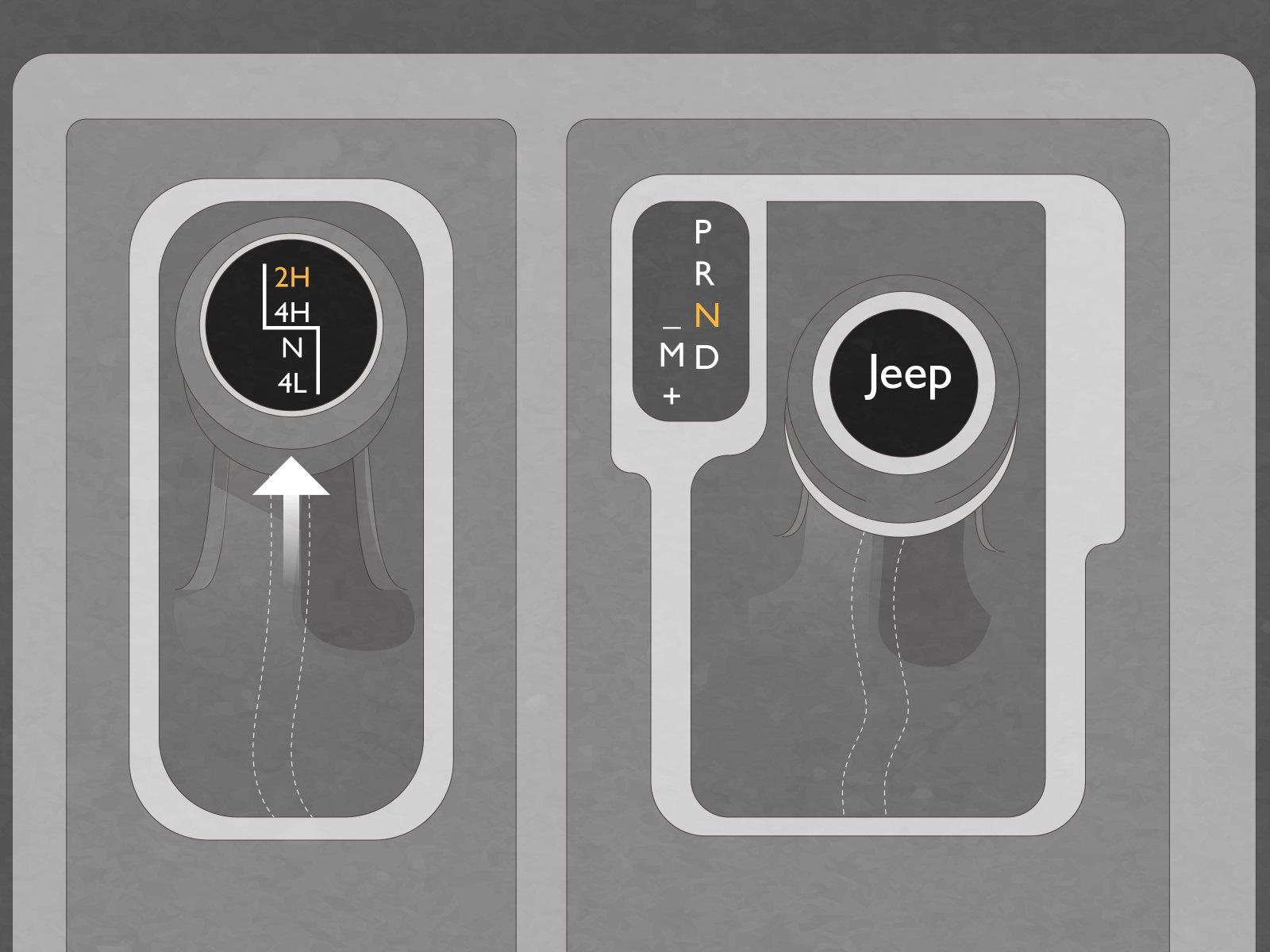
Learning how to put your Jeep into 4 wheel drive is one of the most important skills for safe, confident driving in tough conditions. Take your time to understand your system whether it’s 4H, 4L, AWD, or part-time 4WD.
Practice in a safe area, listen to your Jeep, and always read your owner’s manual before trying something new.
With care and knowledge, you’ll be ready for anything the road or trail throws at you.