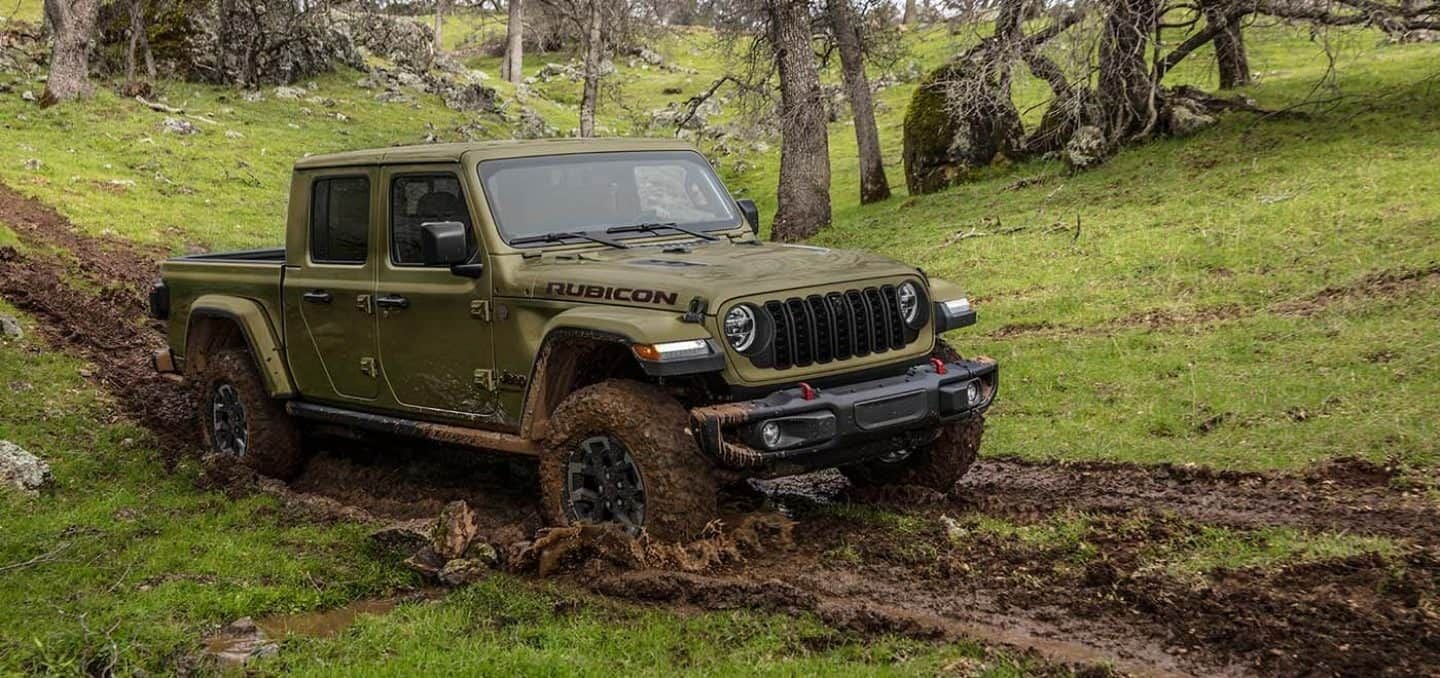
Owning a Jeep Gladiator means you’re ready for adventure—on-road and off-road. But to truly enjoy the rugged terrain, understanding how to use your 4WD system is crucial.
Many drivers, especially those new to off-roading, aren’t sure how to switch their Jeep Gladiator into 4WD correctly. This guide explains the steps, shares key tips, and covers common mistakes, so you can drive confidently in mud, snow, or rocky landscapes.
If you’re looking for clear instructions and practical advice, you’re in the right place.
Understanding Jeep Gladiator 4wd Modes
The Jeep Gladiator comes with a part-time 4WD system. This means you can switch between 2WD (rear wheels only) and 4WD (all wheels) as needed. There are three main modes:
| Mode | Use Case | Speed Limit |
|---|---|---|
| 2WD (2H) | Normal driving, dry roads | No specific limit |
| 4WD High (4H) | Snow, mud, sand | Up to 55 mph |
| 4WD Low (4L) | Steep hills, deep mud, rocks | Up to 25 mph |
Most Gladiator owners use 4H for slippery roads and 4L for tough off-road spots. Knowing when to use each mode will protect your vehicle and make driving safer.
Step-by-step: Putting Jeep Gladiator In 4wd
Switching to 4WD is simple, but doing it wrong can damage your transmission. Here’s how to do it safely:
- Check Road Conditions: Only use 4WD on surfaces with low traction—mud, sand, gravel, snow, or rocks. Do not use 4WD on dry pavement.
- Reduce Speed: Slow down below 55 mph before shifting into 4H. For 4L, drop to 2–3 mph.
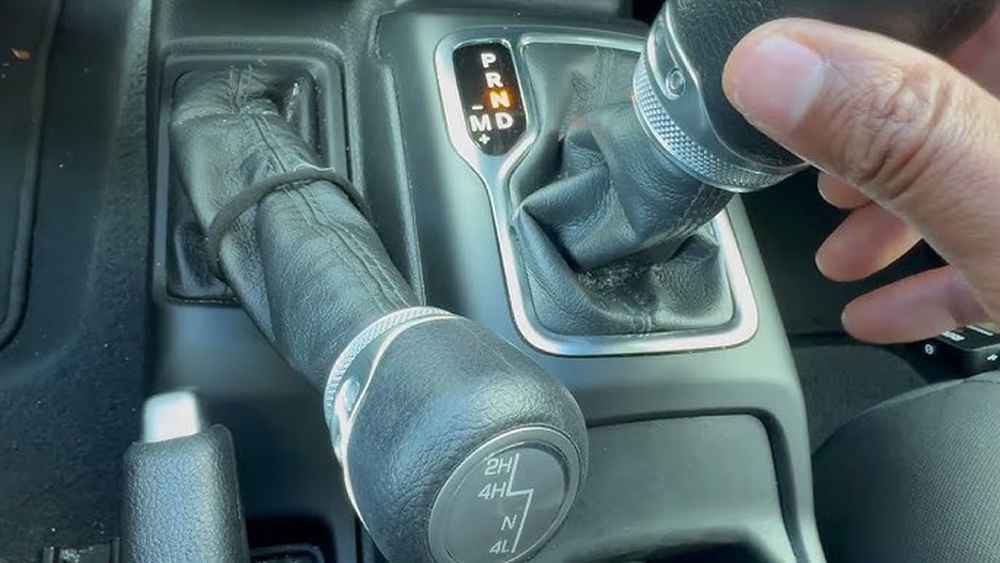
- Locate the Transfer Case Lever: Gladiators have a lever near the gear shifter labeled with 2H, 4H, N (neutral), and 4L.
- Shifting into 4H:
- While driving straight and at low speed, firmly pull the lever from 2H to 4H.
- You don’t need to stop or put the vehicle in neutral.
- A light on your dashboard will confirm you’re in 4H.
- Shifting into 4L:
- Come to a complete stop.
- Put the transmission in neutral.
- Push the lever from 4H to 4L. You may need to push down slightly.
- The dashboard indicator will show 4L.
- Return to 2H: To go back to 2WD, slow down, and move the lever back to 2H while driving straight.
| Mode | How to Shift | Dashboard Indicator |
|---|---|---|
| 2H to 4H | Slow speed, straight driving | 4H light |
| 4H to 4L | Stop, neutral gear | 4L light |
| 4L to 4H | Stop, neutral gear | 4H light |
| 4H to 2H | Slow speed, straight driving | 2H light |
Common Mistakes And How To Avoid Them
Many beginners make errors when engaging 4WD. Here are two often-overlooked points:
- Using 4WD on Dry Pavement: This stresses your drivetrain and can cause expensive repairs. Only use 4WD when wheels can slip.
- Shifting at High Speed: Moving to 4H above 55 mph or to 4L without stopping can damage your transmission. Always check your speed before shifting.
Another mistake is forgetting to return to 2H after leaving rough terrain. Driving in 4WD on normal roads increases fuel consumption and wear.
Practical Tips For Off-road Driving
Once you’re in 4WD, your Gladiator is ready for challenging surfaces. Here are a few expert tips:
- Steer Smoothly: Sudden turns can cause binding in the wheels.
- Use 4L for Steep Slopes: This mode gives extra torque and control.
- Check Tire Pressure: Lowering tire pressure helps traction on sand or rocks.
- Inspect Before and After: Look for damage or leaks after tough drives.
Some drivers forget that 4WD helps start moving, but it doesn’t always improve stopping. Always drive carefully, especially on ice or snow.
Jeep Gladiator Vs Other 4wd Systems
How does the Gladiator’s system compare to other vehicles? Here’s a quick overview:
| Vehicle | 4WD Type | Shifting Method | Best For |
|---|---|---|---|
| Jeep Gladiator | Part-time 4WD | Manual lever | Off-road, snow, mud |
| Ford F-150 | Electronic 4WD | Switch or knob | Mixed terrain |
| Toyota Tacoma | Part-time 4WD | Manual lever | Off-road |
The manual lever in the Gladiator gives you precise control. Some electronic systems are easier for beginners, but manual shifting is more reliable in extreme conditions.
Maintenance And Safety Checks
Proper care keeps your 4WD system working for years. Here’s what to check:
- Transfer Case Fluid: Change every 30,000 miles or as recommended.
- Listen for Noise: Grinding or clicking sounds mean you should get your vehicle checked.
- Dashboard Lights: If indicators flash or stay on, consult your owner’s manual.
Regular maintenance prevents breakdowns and ensures safe operation. For official guidelines, visit the Jeep website or read the owner’s manual.

Frequently Asked Questions
How Do I Know My Jeep Gladiator Is In 4wd?
Look for the 4H or 4L light on your dashboard. If the light is steady, the system is engaged. If it blinks, try shifting again.
Can I Switch To 4wd While Driving?
Yes, you can shift from 2H to 4H at low speeds, usually under 55 mph. For 4L, you must stop and shift to neutral first.
Is 4wd Needed For Rain Or Wet Roads?
No, use 2WD for regular wet roads. Only use 4WD for snow, mud, or slippery off-road conditions.
What Happens If I Use 4wd On Dry Pavement?
This can cause drivetrain binding and damage your vehicle. Always switch back to 2H on normal roads.
How Often Should I Service My 4wd System?
Service the transfer case fluid every 30,000 miles, or follow your Jeep’s manual. Also, check for leaks and unusual noises after hard off-road use.
Putting your Jeep Gladiator into 4WD is simple with practice, but following these steps carefully protects your vehicle and makes your adventures safer. Remember to use the right mode for the terrain, shift at the correct speed, and maintain your system regularly. For more technical details, check the official Jeep guide at Jeep Gladiator Official Site. With these tips, your Gladiator is ready for anything the trail throws at you.