If you own a Jeep Gladiator, you know how important four-wheel drive is for tackling tough terrain and slippery roads. But if you’re new to this powerful truck, you might be wondering: how exactly do you put your Jeep Gladiator in 4 wheel drive?
Getting this right can make a huge difference in your driving experience giving you better control, more traction, and the confidence to go where others can’t.
In this guide, you’ll learn the simple steps to engage 4WD quickly and safely, so you can be ready for any adventure or challenge on the road.
and make sure you’re in control every time you hit the gas.
Jeep Gladiator 4wd Basics
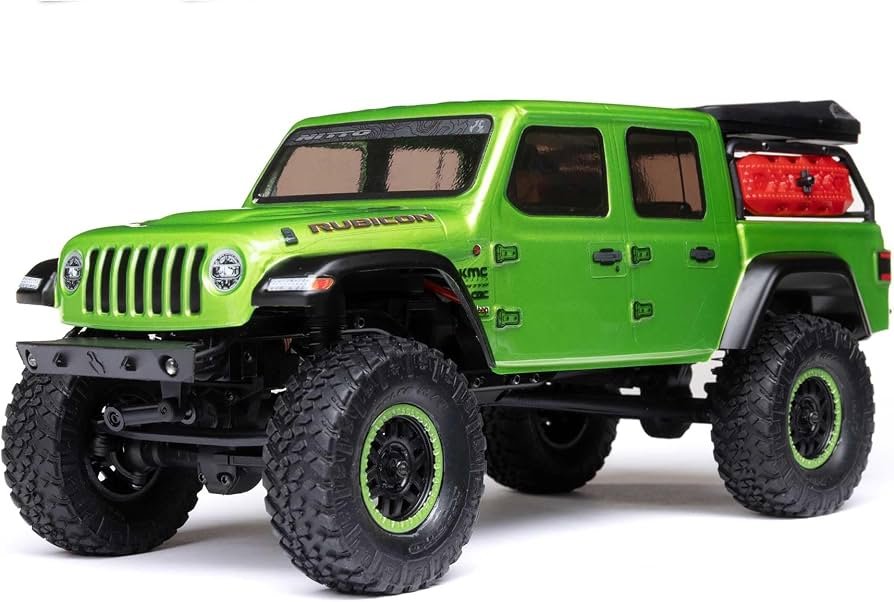
The Jeep Gladiator comes with a reliable four-wheel drive system. This system helps you tackle tough roads and rough terrain. Knowing how to use it properly makes your drive safer and easier.
The 4WD system can be switched on or off depending on road conditions. It offers different modes to match your driving needs. Understanding these basics is essential for every Jeep Gladiator owner.
Types Of 4wd Modes
The Jeep Gladiator offers several 4WD modes. Each mode suits different driving conditions and terrains.
- 2H (Two-Wheel Drive High): Normal driving on dry pavement. Power goes to the rear wheels only.
- 4H (Four-Wheel Drive High): Use on wet or slippery roads. Power goes to all four wheels at high speed.
- N (Neutral): Disconnects the drivetrain. Used mainly for towing or flatbed transport.
- 4L (Four-Wheel Drive Low): For slow, off-road driving. Provides maximum torque and control on rough terrain.
When To Use 4wd
Use 4WD when road conditions make driving difficult. This includes snow, mud, sand, or uneven surfaces.
Switch to 4H for slippery roads where you need better traction. It helps maintain control without slowing down too much.
Use 4L for steep hills, deep mud, or rocky trails. It gives extra power and grip at low speeds.
Return to 2H on dry, paved roads. This saves fuel and reduces wear on the drivetrain.
Locating The 4wd Controls
Before you engage 4-wheel drive in your Jeep Gladiator, you need to find the controls. Knowing their location helps you switch modes safely and quickly. Jeep Gladiator features simple and clear 4WD controls inside the cabin. These controls are designed for easy access while driving.
Main Transmission Shifter
The main transmission shifter is the largest lever near the driver. It controls the gear selection like park, reverse, neutral, and drive. You must shift to neutral before changing the 4WD mode. This shifter works together with the 4WD lever to engage different drive modes.
Look for a lever with markings for gears on the center console. It is usually the tallest lever near the driver’s right hand. The main shifter must be in neutral to switch between 2WD and 4WD low.
4wd Mode Lever
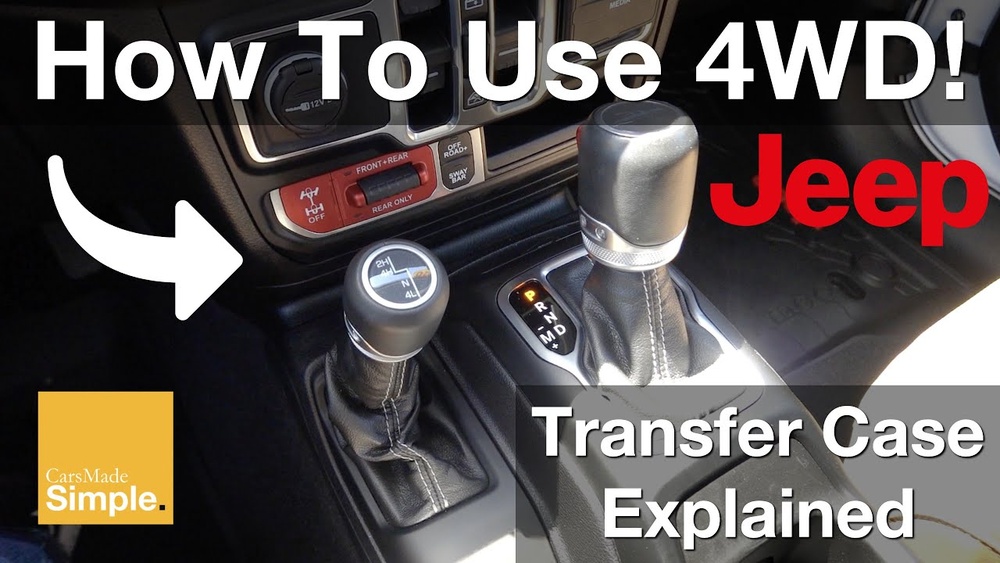
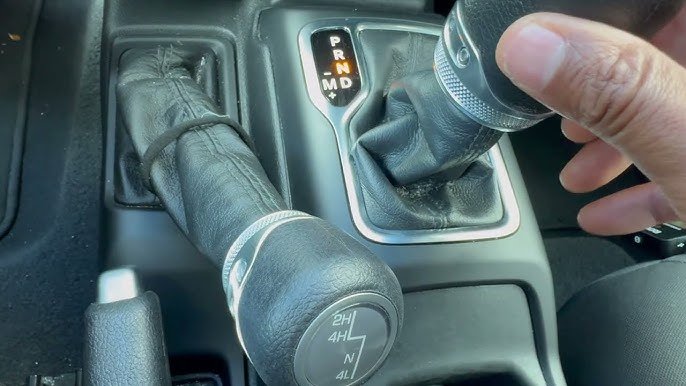
The 4WD mode lever sits next to the main transmission shifter. This smaller lever controls the 4-wheel drive system. It has positions for 2H (two-wheel drive high), 4H (four-wheel drive high), and 4L (four-wheel drive low).
To find it, look for a shorter lever to the right of the main shifter. It often has clear labels for each mode. This lever moves smoothly but requires the transmission in neutral for certain shifts.
Pull or push the lever firmly to select the desired 4WD mode. The dashboard will confirm the engaged mode with a light or message.
Engaging 4wd High
Engaging 4WD High in your Jeep Gladiator improves traction on slippery or rough roads. It sends power to all four wheels, helping your vehicle maintain grip and control. You can shift into 4WD High while driving at low to moderate speeds. This feature suits wet pavement, gravel, snow, and light off-road terrain.
Steps To Shift Into 4wd High
First, make sure your speed is below 55 mph for a smooth shift. You can shift from 2WD to 4WD High without stopping. Follow these steps:
- Locate the 4WD lever next to the main gear shifter.
- Firmly pull the 4WD lever straight back towards the 4WD High position.
- You may feel a slight click as the gears engage.
- Keep your foot on the accelerator lightly for a smooth transition.
Indicators And Confirmation
Your Jeep Gladiator shows a 4WD High indicator on the dashboard. It lights up once the system fully engages. Listen for a soft mechanical sound during the shift. This confirms the transfer case has switched modes. If the light blinks or does not turn on, try shifting again. Never force the lever if it feels stuck. Check the owner’s manual for troubleshooting tips.
Shifting Into 4wd Low
Shifting into 4WD Low on your Jeep Gladiator enhances traction and control on tough terrain. This mode delivers maximum power at low speeds. It helps in climbing steep hills, driving through deep mud, sand, or snow.
Using 4WD Low requires specific steps to avoid damage. The vehicle must be properly prepared before engaging this mode. Understanding when to use 4WD Low ensures safe and effective driving.
Preparing The Vehicle
Start by bringing your Jeep to a complete stop. Keep the transmission in Neutral (N). This prevents stress on the drivetrain. Engage the parking brake for extra safety. Make sure the wheels are straight to avoid strain. Check that the terrain needs 4WD Low. Avoid shifting into 4WD Low on dry, hard surfaces.
Step-by-step Process
- Shift the main transmission into Neutral (N).
- Locate the 4WD lever, usually right of the main shifter.
- Firmly pull the 4WD lever down into the “4 Low” position.
- Wait for the 4WD Low indicator light to appear on the dashboard.
- Shift the main transmission back to Drive (D).
- Release the parking brake and begin driving slowly.
When To Use 4wd Low
Use 4WD Low on rough, slippery, or uneven surfaces. Ideal for mud, deep snow, or sand. Helps in climbing or descending steep hills. Use it to cross rocky or uneven trails. Avoid using 4WD Low on paved roads. It can cause damage and reduce fuel efficiency.
Switching Back To 2wd
Switching your Jeep Gladiator back to 2WD is important after off-road or slippery conditions. Using 2WD on dry, paved roads helps save fuel and reduces wear on the drivetrain. The process is simple and quick, ensuring your vehicle runs efficiently in normal conditions.
Steps To Disengage 4wd
First, bring your Jeep to a complete stop or slow speed. Shift the main transmission into Neutral (N). Locate the 4WD lever near your gear shifter. Push the 4WD lever forward to switch from 4WD High to 2WD. Wait for the indicator light on the dashboard to confirm the change. Shift the transmission back into Drive (D). Your Gladiator is now in 2WD mode, ready for normal roads.
Driving Tips On Dry Roads
Use 2WD on dry, smooth roads to improve fuel efficiency. Avoid driving in 4WD on dry pavement, as it causes tire wear. Check your tires regularly for uneven wear patterns. Drive smoothly and avoid sudden acceleration or braking. Maintain proper tire pressure for better handling and safety. Switching back to 2WD protects your vehicle and improves performance.

Troubleshooting Common Issues
Troubleshooting common issues with the Jeep Gladiator’s 4-wheel drive system helps you avoid getting stuck. Understanding simple fixes saves time and stress. Follow clear steps to identify and resolve problems quickly. This section covers two common issues: 4WD not engaging and warning lights or alerts.
4wd Not Engaging
Sometimes the 4-wheel drive will not engage as expected. First, check if the transmission is in Neutral. The system often requires Neutral to shift into 4WD.
Next, confirm the vehicle speed is low or stopped. High speeds can prevent the 4WD from engaging.
Listen for a clicking sound near the transfer case. If missing, the shift motor or actuator may be faulty.
Inspect the 4WD lever or switch for smooth movement. Stiff or stuck controls can block engagement.
Try shifting back to 2WD and then again to 4WD. Sometimes resetting the system helps.
If the problem persists, the transfer case fluid might be low or dirty. Check and replace fluid as needed.
Warning Lights And Alerts
Warning lights related to 4WD can appear on the dashboard. Pay attention to these signals to avoid damage.
Common warnings include “4WD,” “Transfer Case,” or “Service 4WD” alerts. These indicate a system fault.
Turn off the engine and restart it to reset the system. Some alerts clear after a reboot.
If the light stays on, scan the vehicle with an OBD-II scanner. It shows specific error codes.
Error codes help identify issues like sensor failure, electrical problems, or mechanical faults.
Do not ignore warning lights. Driving with a faulty 4WD system can cause more damage.
Maintaining Your 4wd System
Maintaining your Jeep Gladiator’s 4WD system ensures reliable performance on all terrains. Regular care keeps the drivetrain working smoothly and prevents costly repairs. This section covers essential maintenance tips to keep your 4WD system in top shape.
Regular Checks
Check the 4WD system before and after off-road trips. Inspect the transfer case fluid for cleanliness and proper level. Look for leaks around the transfer case and differentials. Listen for unusual noises when 4WD is engaged. Test the engagement of 4WD modes regularly to confirm they work correctly. Examine the drive shafts and U-joints for wear or damage. Keep tires properly inflated and matched in size to avoid drivetrain strain.
Service Recommendations
Follow your Jeep Gladiator’s owner manual for service intervals. Change transfer case fluid every 30,000 miles or as specified. Replace differential fluids according to the manufacturer’s schedule. Have a professional inspect the 4WD system during routine vehicle servicing. Address any warning lights or unusual behavior immediately. Use only recommended fluids and parts to maintain system integrity. Scheduled services help extend the life of your 4WD system and improve safety.
Frequently Asked Questions
<!– wp:rank-math/faq-block {"questions":[{"id":"faq-question-e279d86361d5","title":"Do I Put My Jeep In 4h Or 4l For Snow?","content":"Use 4H for driving on snowy roads at normal speeds to improve traction. Select 4L only for deep snow, steep hills, or slow, tough terrain requiring maximum torque. Always shift to Neutral before changing between 4H and 4L.
“,”visible”:true},{“id”:”faq-question-e75a64f14e3b”,”title”:”How To Activate 4 Wheel Drive On Jeep?”,”content”:”Shift your Jeep’s transmission to Neutral. Firmly pull the 4WD lever back to engage four-wheel drive. The indicator light confirms activation.
“,”visible”:true},{“id”:”faq-question-029a23bd1521″,”title”:”Does Jeep Need To Be In Neutral To Put In 4wd?”,”content”:”You can shift into 4WD high from park, neutral, or drive. For 4WD low, put the Jeep in neutral first.
“,”visible”:true},{“id”:”faq-question-b1a349531333″,”title”:”How To Change A Jeep Wrangler Into 4 Wheel Drive?”,”content”:”Shift the main transmission to Neutral. Pull the 4WD lever firmly to engage four-wheel drive. Confirm with the dashboard indicator.
“,”visible”:true}]} –>Do I Put My Jeep In 4h Or 4l For Snow?
Use 4H for driving on snowy roads at normal speeds to improve traction. Select 4L only for deep snow, steep hills, or slow, tough terrain requiring maximum torque. Always shift to Neutral before changing between 4H and 4L.
How To Activate 4 Wheel Drive On Jeep?
Shift your Jeep’s transmission to Neutral. Firmly pull the 4WD lever back to engage four-wheel drive. The indicator light confirms activation.
Does Jeep Need To Be In Neutral To Put In 4wd?
You can shift into 4WD high from park, neutral, or drive. For 4WD low, put the Jeep in neutral first.
How To Change A Jeep Wrangler Into 4 Wheel Drive?
Shift the main transmission to Neutral. Pull the 4WD lever firmly to engage four-wheel drive. Confirm with the dashboard indicator.
Conclusion
Putting your Jeep Gladiator into 4 wheel drive improves traction on rough terrain. Shift the transmission to neutral before engaging the 4WD lever.
You can switch between 4 high and 4 low depending on your driving needs. Remember to return to 2 wheel drive on dry roads to avoid damage.
Practice these steps safely to gain confidence. Drive carefully and enjoy your Jeep’s off-road capabilities.