Putting a hardtop on your Jeep transforms your ride. You get better weather protection, reduced road noise, and a more secure vehicle.
But if you’ve never installed one before, the process can seem confusing.
This guide will walk you through every step, highlight common mistakes, and share tips that most new Jeep owners miss.
Whether your Jeep is a Wrangler or Gladiator, you’ll find the steps here clear and easy to follow.
Why Install A Hardtop On Your Jeep?
A hardtop offers several advantages over a soft top. First, it’s much stronger. This means better security and less risk of theft.
Second, it keeps out rain, snow, and cold far better than a soft top, making your Jeep a true all-weather vehicle.
Finally, many owners notice less wind and road noise, so conversations and music sound clearer inside.
Some drivers choose a hardtop for its rugged look and the boost in resale value. A well-maintained hardtop can last for years, often outliving multiple soft tops.
Tools And Preparation
Before you begin, gather these items:
- A friend or helper (the top is heavy)
- Socket wrench set (typically 13mm or 10mm sockets)
- Torx bits (T40 and T50 are common for Jeeps)
- Protective blankets or foam pads
- Step stool or small ladder
Check your Jeep’s manual for the exact bolt sizes and tool needs. Lay out the hardtop near your vehicle, ensuring you have all hardware and weather seals.
Many people forget to inspect the seals; if they’re cracked or missing, leaks are almost guaranteed.
Step-by-step: How To Put A Hardtop On A Jeep
1. Remove The Old Top
If your Jeep has a soft top or another hardtop, remove it first. Unlatch all fasteners and carefully lift it off.
Store it in a dry place. Watch for any leftover bolts or small parts they can get lost easily.
2. Clean And Check Seals
Use a damp cloth to clean the mounting surfaces on your Jeep. Dirt or grit can prevent a tight seal. Inspect the weatherstripping on both the Jeep and the hardtop. Replace any damaged seals before installation.
3. Position The Hardtop
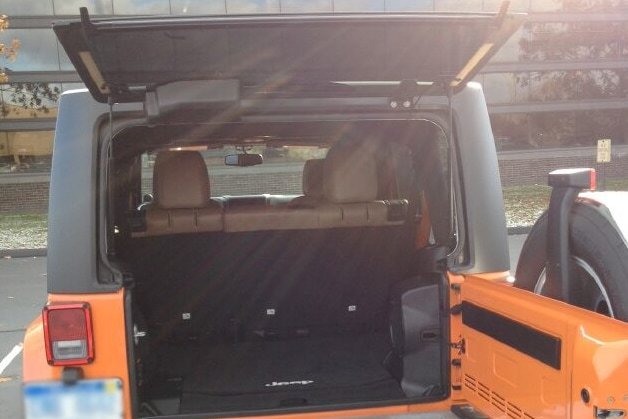
With your helper, carefully lift the hardtop and align it with the Jeep’s body. Hardtops can weigh between 100 140 lbs (45 63 kg), so never try this alone.
Lower the top slowly, making sure the corners fit into place.
4. Secure The Top
Find the bolt holes around the rear cargo area and above the doors. Insert bolts by hand first to avoid cross-threading.
Then, tighten with a socket wrench and Torx bit, moving in a diagonal pattern. Don’t overtighten this can crack the fiberglass.
5. Connect Electrical And Washer Lines
If your hardtop has a rear defroster or wiper, plug in the electrical connectors and washer fluid line. Check your Jeep’s manual for the correct locations. Many first-timers miss these connections and wonder why features don’t work.
6. Test And Inspect
Close all doors and the rear hatch. Look for even gaps and check that seals are touching the body all around.
Spray a little water around the edges and check inside for leaks. If you find any, adjust the top or add more weatherstripping.
Hardtop Vs. Soft Top: At A Glance
Many Jeep owners wonder if a hardtop is worth the extra cost and effort. Here’s a side-by-side comparison to help you decide:
| Feature | Hardtop | Soft Top |
|---|---|---|
| Noise Level | Low | High |
| Weather Protection | Excellent | Moderate |
| Security | High | Low |
| Weight | Heavy | Light |
| Installation | Requires 2 people | Solo possible |
Common Mistakes And How To Avoid Them
Many first-timers run into trouble because they miss small but important details. Here are two common issues and how you can prevent them:
- Not aligning the top properly: Even a slight misalignment can cause leaks or make bolts hard to insert. Always check fit before tightening bolts.
- Forgetting wiring connections: If your hardtop has electrical features, always connect the wires before final tightening. Otherwise, you’ll have to loosen or remove the top to access them.
A third tip: Some owners forget to check local laws. In some places, driving without a top or doors is not legal. Always check before making big changes.
Maintenance Tips For Your Hardtop
To keep your hardtop looking and working like new:
- Clean with mild soap and water, never harsh chemicals.
- Lubricate latches and hinges every few months.
- Store the top on padded surfaces if removed.
- Inspect weatherstripping twice a year.
If you notice cracks or deep scratches, repair them quickly to prevent leaks or further damage.
Hardtop Installation Time And Difficulty
Here’s a quick look at what to expect for time and difficulty:
| Step | Average Time | Difficulty |
|---|---|---|
| Removing soft top | 15–25 min | Easy |
| Cleaning and prepping | 10 min | Easy |
| Placing hardtop | 10 min | Medium |
| Securing bolts | 15 min | Medium |
| Connecting wires | 5 min | Easy |
Most people finish in about 1 1. 5 hours the first time. With practice, it gets quicker.
Real-world Example
James, a Jeep Wrangler owner from Michigan, switched to a hardtop before winter. He noticed his daily commute was quieter and warmer. After one year, he had zero leaks because he spent extra time checking the seals and cleaning the mounting area—a step many skip. His advice: “Don’t rush the prep. It pays off in the long run.”
Where To Learn More
If you want more details about Jeep hardtops or see step-by-step videos, check the official Jeep Accessories page.
Frequently Asked Questions
How Heavy Is A Jeep Hardtop?
Most Jeep hardtops weigh between 100–140 lbs (45–63 kg). Two people can usually lift it without special tools, but a hoist makes it easier.
Can I Install A Hardtop Alone?
It’s possible, but not recommended. The top is bulky and awkward.
You risk damaging your Jeep or injuring yourself if you try it alone.
Do I Need Special Tools?
You’ll need basic hand tools like a socket wrench and Torx bits. Check your Jeep’s manual for exact sizes. Some models use special bolts.
Will Installing A Hardtop Affect Fuel Economy?
A hardtop adds weight but also improves aerodynamics compared to a soft top. Most owners notice little change in fuel economy—maybe 1–2 MPG at most.
How Do I Store A Hardtop When Not In Use?
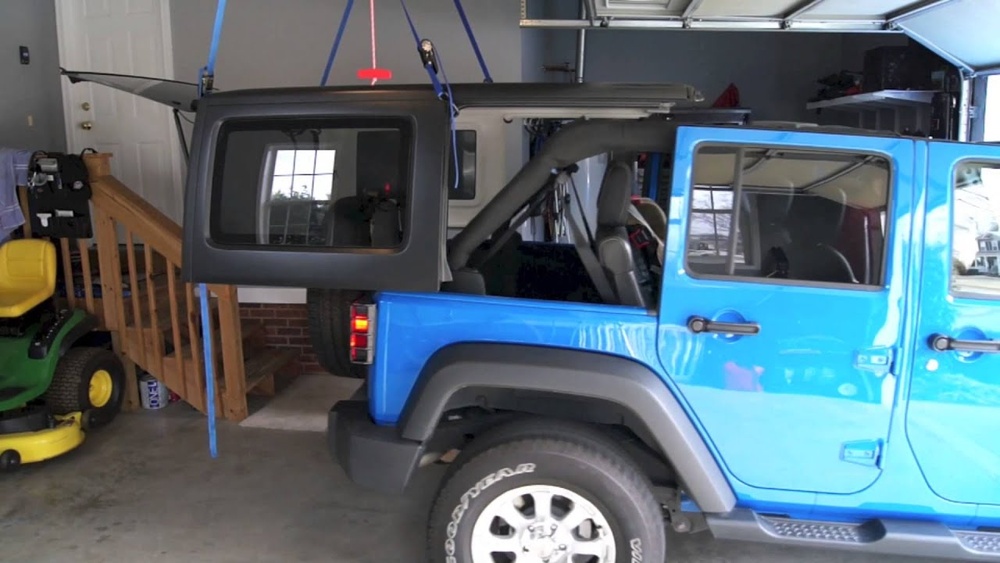
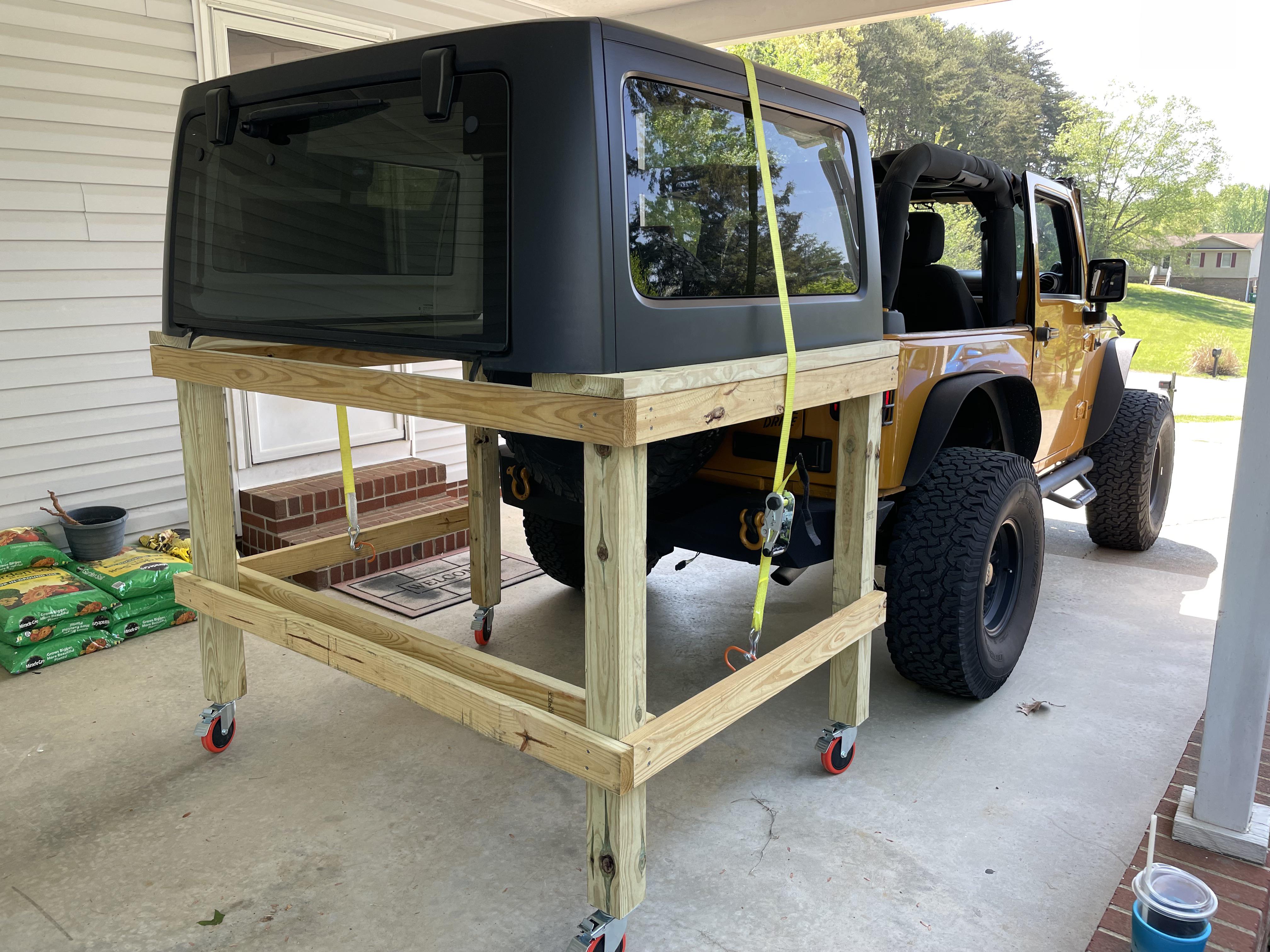
Store your hardtop on a padded surface, out of sunlight. Some owners use a hoist system in their garage. Never store it upright without support; it can crack.
Putting a hardtop on your Jeep is a big upgrade in comfort, security, and year-round usability. Take your time with each step, check your seals, and always get help to lift.
Soon, you’ll enjoy a quieter, more solid ride ready for whatever the road (or trail) brings.