Owning a Jeep Wrangler means you’re ready for adventure on highways, rocky trails, or sandy beaches. But to keep your Wrangler safe and running well, tire care is essential.
One key part? Making sure your tires have the right air pressure.
Many drivers, especially beginners, don’t realize how much tire pressure affects performance, safety, and even fuel economy. Adding air to Jeep Wrangler tires isn’t hard, but doing it the right way makes a big difference.
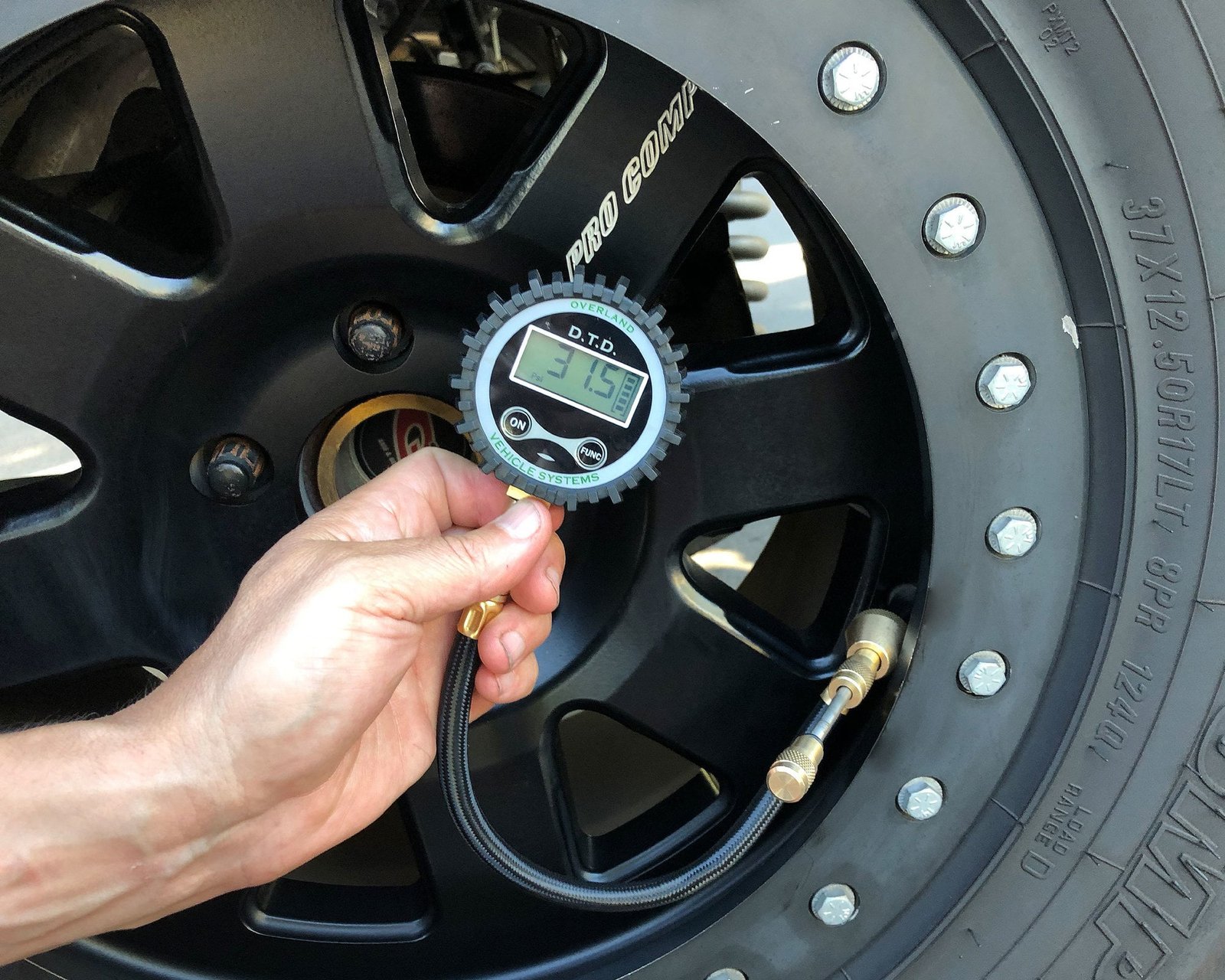
Here’s a simple, step-by-step guide to help you fill your tires confidently.
Understanding Tire Pressure For Jeep Wranglers
Every tire needs a specific amount of air, measured in PSI (pounds per square inch). For most Jeep Wranglers, recommended PSI is between 35 and 37. You’ll find the exact number on a sticker inside the driver’s door or in your owner’s manual. The right PSI keeps tires from wearing out too fast, improves handling, and prevents accidents.
Driving with low tire pressure can cause:
- Poor fuel economy
- Reduced traction
- Tire blowouts
Too much air leads to:
- Bumpy rides
- Less grip on the road
Here’s a quick comparison of effects:
| Pressure Type | Impact on Driving | Safety Risk |
|---|---|---|
| Low Pressure | Soft handling, slow response | High (blowout, loss of control) |
| Correct Pressure | Stable, smooth ride | Low |
| High Pressure | Hard ride, less grip | Moderate (skidding, uneven wear) |
Checking your tire pressure monthly, and before long trips or off-road adventures, is the smart way to avoid problems.
Tools You Need To Fill Jeep Wrangler Tires
Before you start, gather these basic tools:
- Tire pressure gauge: Digital or analog, both work.
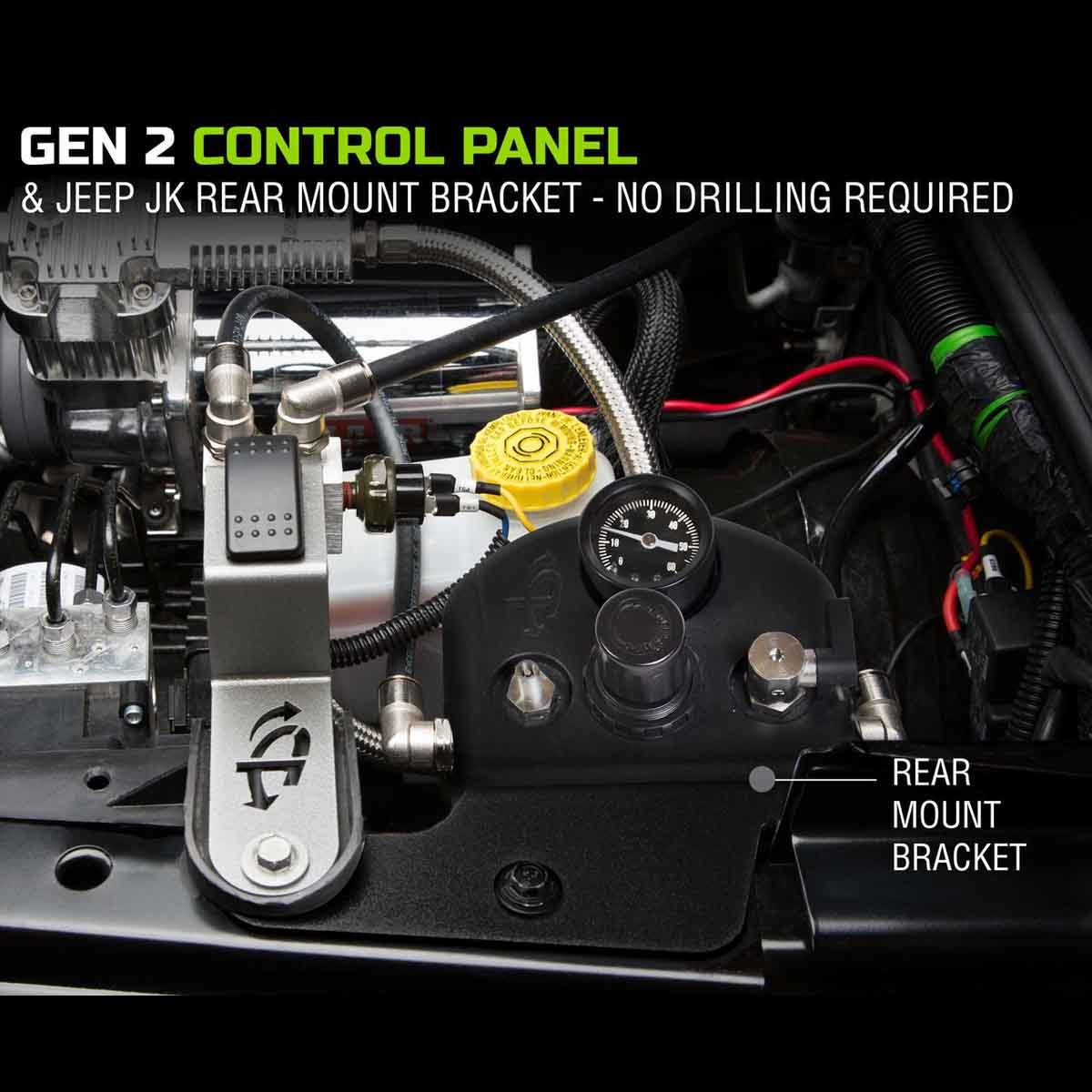
- Air compressor: At home, a portable one, or use a gas station pump.
- Valve cap remover: Not required, but makes things easier.
Many Wrangler owners choose portable air compressors for convenience, especially when off-roading. They fit in your trunk and run from the vehicle’s battery.
Here’s a comparison of popular options:
| Tool | Cost Range | Best For |
|---|---|---|
| Manual Gauge | $5-$20 | Quick checks |
| Digital Gauge | $15-$40 | Accurate readings |
| Portable Compressor | $40-$150 | Home, off-road use |
| Gas Station Pump | $0.50-$2 per use | Quick fill-ups |
Step-by-step: How To Put Air In Jeep Wrangler Tires
Adding air is simple, but a few details matter. Follow these steps:
1. Park Your Jeep Safely
Choose a flat area. Turn off the engine and set the parking brake.
2. Check Current Tire Pressure
Remove the valve cap from each tire. Press the gauge onto the valve stem, wait for the reading, and compare it to your recommended PSI.
3. Attach The Air Compressor
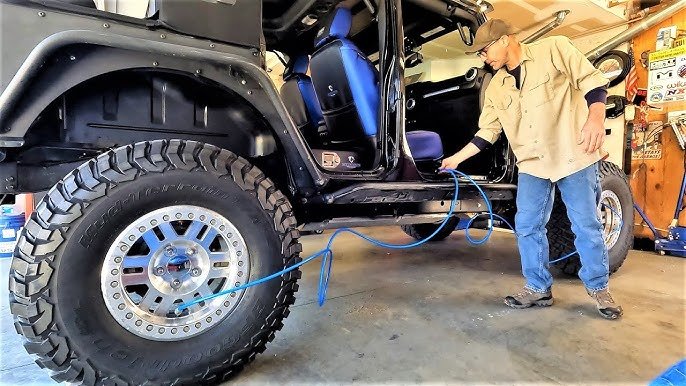
Connect the compressor hose to the valve stem. Make sure it’s secure to prevent air leaks.
4. Add Air Slowly
Turn on the compressor. Add air in short bursts, checking pressure often. Overfilling is common so go slow.
5. Re-check Tire Pressure
Stop, remove the hose, and use your gauge. If you’ve added too much air, press the valve to let some out.
6. Repeat For All Tires
Don’t forget the spare tire, especially if you’re heading off-road.
7. Replace The Valve Caps
This keeps dirt and moisture out.
Most compressors inflate tires in 3–5 minutes. Gas station pumps are faster but less accurate. Always double-check with your own gauge.
Common Mistakes When Filling Jeep Wrangler Tires
Many beginners make these errors:
- Ignoring the spare tire: It needs air, too.
- Using the wrong PSI: Always check your Jeep’s sticker—not just the tire sidewall.
- Overfilling: Causes uneven wear and poor handling.
- Not checking after off-roading: Rocks and sand can lower tire pressure quickly.
A non-obvious insight: Tire pressure changes with temperature. Cold weather lowers PSI, hot sun can raise it. Check when tires are “cold”—parked for at least three hours.
Why Proper Tire Inflation Matters
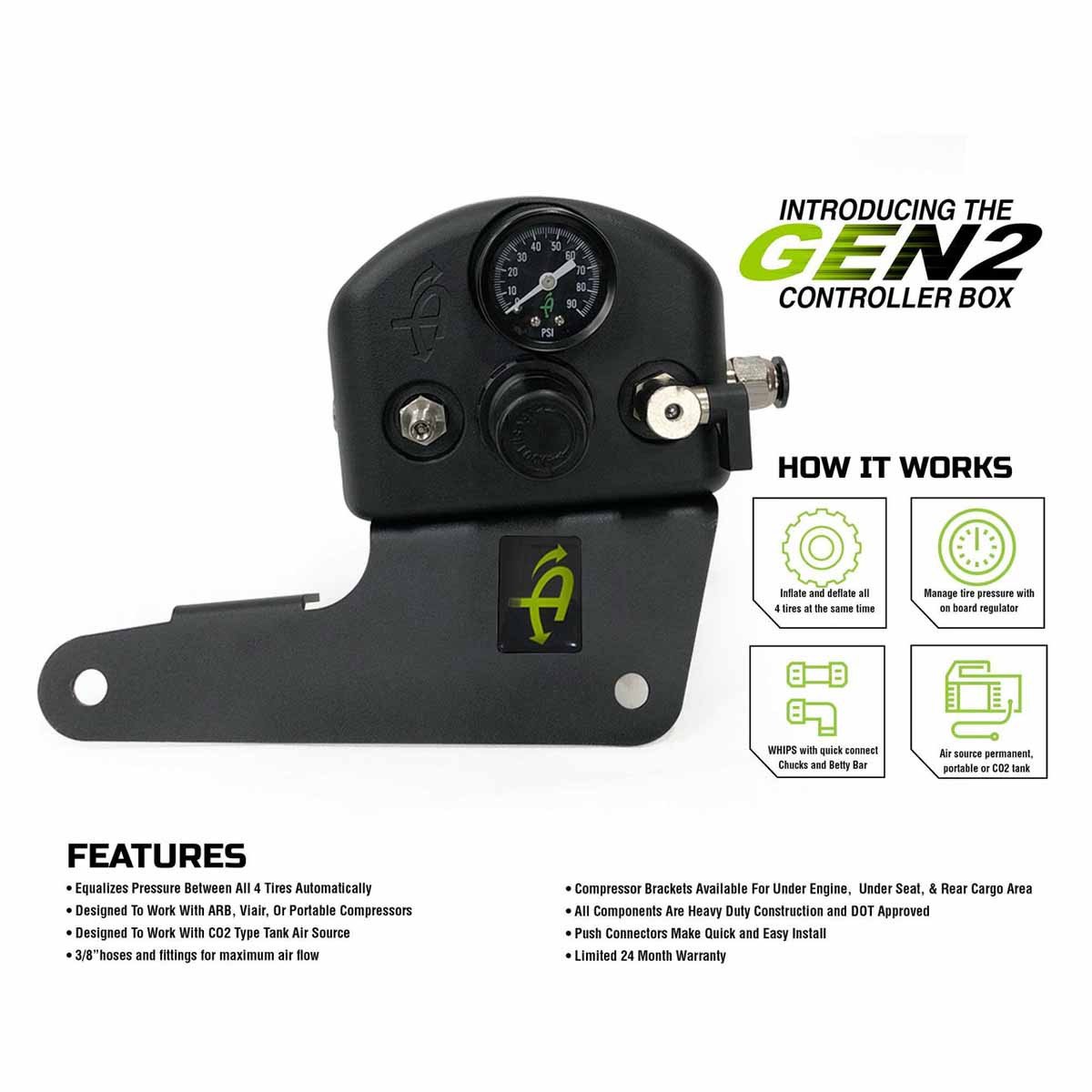
Keeping your Jeep Wrangler tires at the right pressure does more than prevent flats. It affects:
- Fuel economy: Underinflated tires can lower mileage by up to 3%.
- Tire lifespan: Proper pressure can extend tire life by thousands of miles.
- Safety: The National Highway Traffic Safety Administration (NHTSA) reports that 11,000 tire-related accidents happen annually in the US.
For off-roading, many Jeep owners “air down” tires for better grip. But always re-inflate before returning to pavement.
Driving with low pressure on roads is risky.
Extra Tips For Jeep Wrangler Owners
- Invest in a portable air compressor for emergencies.
- Keep a spare set of valve caps in your glove box.
- Mark your ideal PSI on the compressor for quick reference.
- If you drive in extreme climates, check tires more often.
Some newer Jeep Wranglers have TPMS (Tire Pressure Monitoring System). This alerts you if pressure drops, but it’s still wise to check manually.
For more detailed tire care, visit the official NHTSA Tires Guide.
Frequently Asked Questions
How Often Should I Check My Jeep Wrangler Tire Pressure?
Check tire pressure at least once a month, and before long trips or off-road adventures. If you notice uneven wear or changes in handling, check right away.
Can I Use Any Air Compressor To Fill My Jeep Wrangler Tires?
Yes, but make sure it can handle the recommended PSI (usually 35-37). Some small compressors are too weak for larger Jeep tires.
Should I Fill Tires To The Psi On The Tire Sidewall?
No. Always use the PSI listed on the driver’s door sticker or in your owner’s manual. The sidewall number is the maximum the tire can handle, not the recommended setting.
Is It Safe To Drive With Low Tire Pressure After Off-roading?
Only off-road. You must re-inflate tires before driving on paved roads to prevent damage and accidents.
What If My Jeep Has A Tire Pressure Monitoring System?
TPMS is helpful, but it’s not perfect. Always use a manual gauge for accuracy, especially before off-roading or after big temperature changes.
Getting tire pressure right is one of the easiest ways to keep your Jeep Wrangler safe and ready for adventure. With the right tools, a little know-how, and regular checks, your tires will last longer and your Jeep will perform at its best.
Even a few minutes spent adding air can save you from costly repairs and risky situations down the road.


















