Every car owner dreads the phrase: blown head gasket. This problem can lead to engine damage, expensive repairs, and even leave you stranded.
But most people don’t realize that preventing a blown head gasket is possible with some practical steps. Understanding how this part works and what causes it to fail is the first step toward keeping your engine healthy.
What Is A Head Gasket And Why Does It Fail?
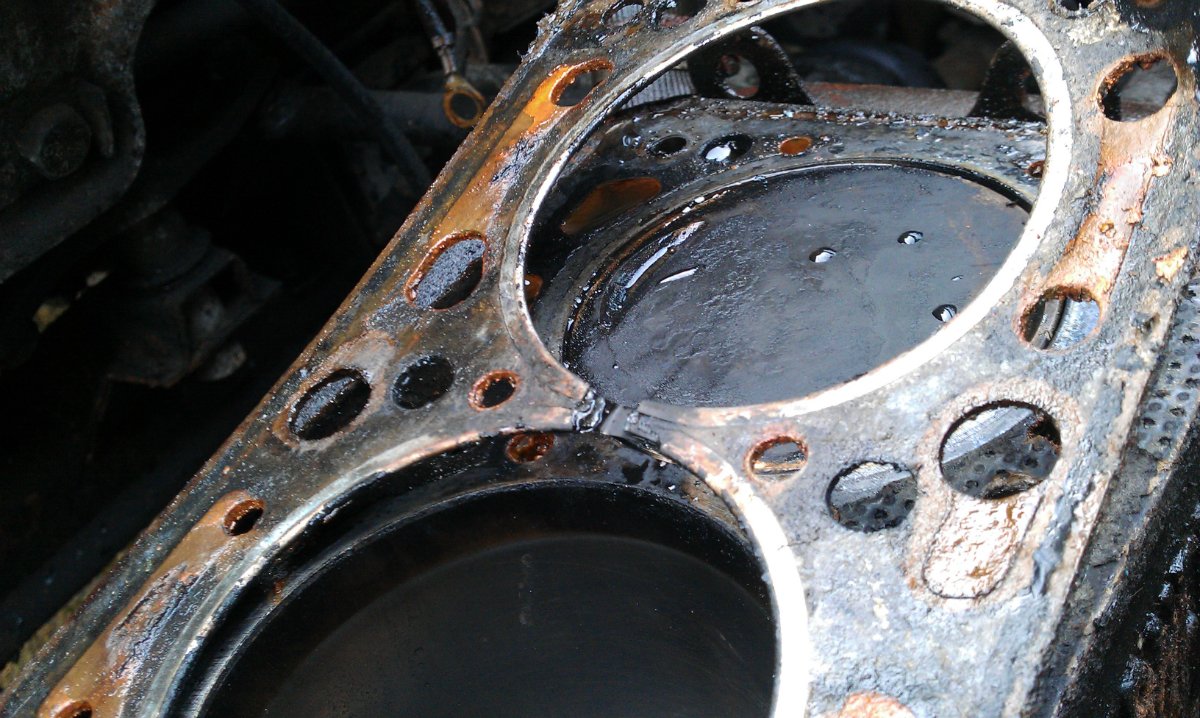
The head gasket sits between the engine block and cylinder head. Its main job is to seal the combustion chamber, keep coolant and oil separate, and maintain pressure. When it blows, you may see white smoke, engine overheating, or coolant mixing with oil.
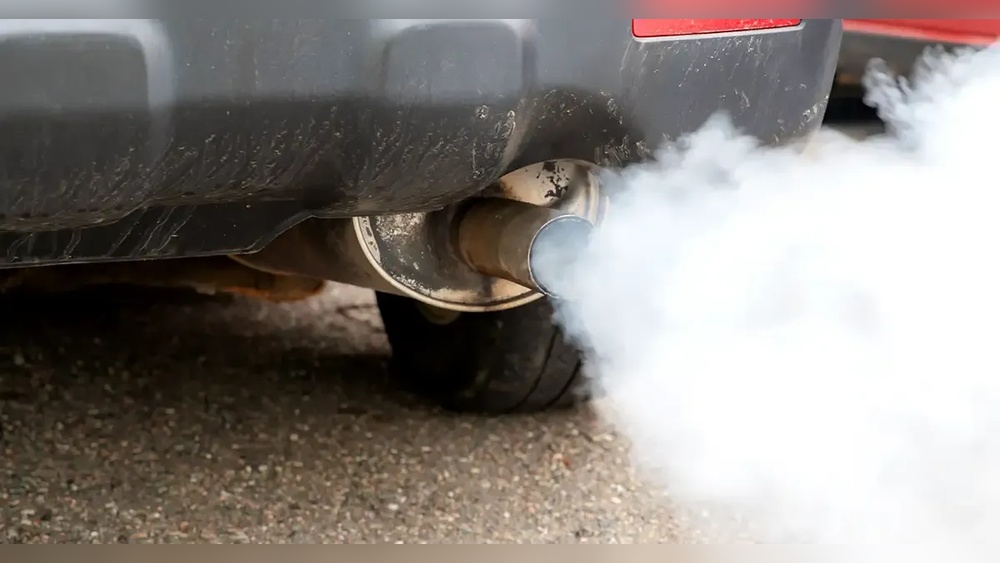
A head gasket usually fails due to overheating, poor maintenance, or age. Sometimes, faulty installation or manufacturing defects are to blame. However, overheating remains the most common cause, especially in older vehicles.
Common Causes Of Head Gasket Failure
- Overheating: Excess heat can warp engine parts, causing the gasket to lose its seal.
- Coolant leaks: Low coolant levels make it easier for the engine to overheat.
- Bad thermostat: If the thermostat sticks, coolant doesn’t flow and heat builds up.
- Aggressive driving: High RPMs and heavy loads increase stress on the gasket.
Practical Steps To Prevent A Blown Head Gasket
Taking care of your engine is the best way to avoid a blown head gasket. Here are the most effective steps you can take:
1. Monitor Engine Temperature
Always keep an eye on the temperature gauge. If it rises above normal, pull over and let the engine cool. Ignoring the warning signs is a common mistake that leads to head gasket damage.
2. Maintain The Cooling System
Check your coolant level regularly. Low coolant is a red flag. Replace coolant every 2–3 years or as recommended by your car’s manual. Flush the system to remove rust and deposits that can block flow.
3. Inspect For Leaks
Look for puddles under your car or a sweet smell from the engine. These signs suggest a coolant leak. Fix leaks quickly to prevent overheating. Even small leaks can cause big problems over time.
4. Replace The Thermostat And Radiator Cap
A worn-out thermostat can stick, stopping coolant flow. Change it every 60,000–80,000 miles or sooner if you notice temperature spikes. The radiator cap should also be checked for pressure loss.
5. Avoid Aggressive Driving
Quick acceleration and high speeds add stress to the engine. Driving gently, especially in hot weather, reduces risk.
Many drivers don’t realize that even short bursts of aggressive driving can cause sudden temperature spikes.
6. Use Quality Engine Oil
Good oil helps cool and lubricate the engine. Change oil as recommended and use the right grade for your vehicle. Dirty oil can increase heat, which damages the gasket.
7. Address Overheating Immediately
If your engine overheats, turn it off right away. Letting it run hot for even a few minutes can warp metal parts. Don’t drive until you fix the cause.
Comparing Maintenance Costs Vs. Repair Costs
It’s easy to overlook regular maintenance, but ignoring it can be expensive. Here’s how costs compare:
| Maintenance Task | Average Cost | Repair Cost (Blown Gasket) |
|---|---|---|
| Coolant Change | $80–$150 | $1,200–$2,000 |
| Thermostat Replacement | $120–$250 | $1,200–$2,000 |
| Radiator Cap | $10–$25 | $1,200–$2,000 |
Preventing a blown head gasket costs much less than fixing one. Regular checks save money and keep your car reliable.
Signs You Might Be At Risk
Some symptoms show your car may be close to a blown head gasket. Catching them early is key:
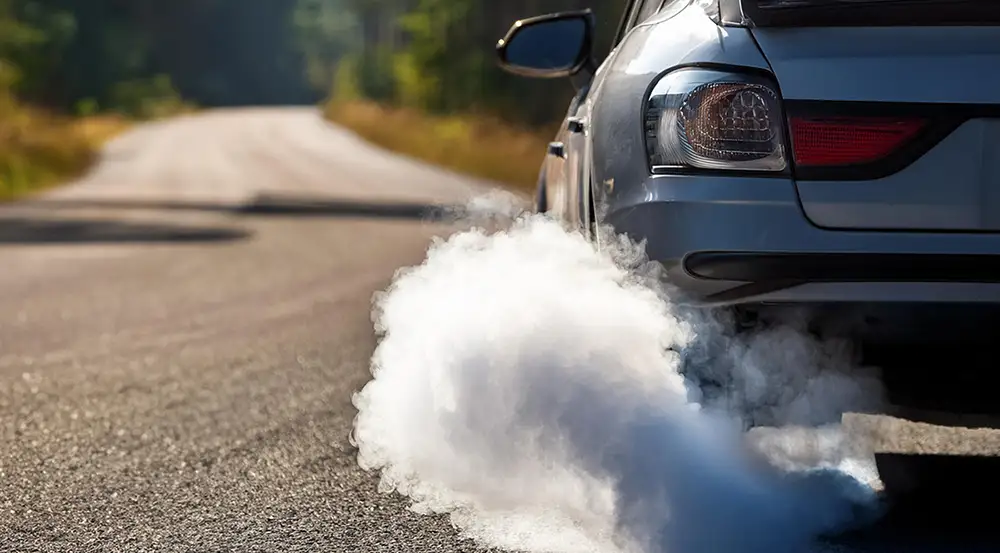
- White exhaust smoke
- Bubbles in radiator or coolant reservoir
- Milky oil (oil mixed with coolant)
- Loss of engine power
- Frequent overheating
If you notice any of these, get your car checked by a mechanic right away.
Head Gasket Materials And Durability
Head gaskets come in different materials, each with its own pros and cons:
| Material | Durability | Common Use |
|---|---|---|
| Multi-Layer Steel (MLS) | High | Modern cars, performance vehicles |
| Composite | Medium | Older cars |
| Copper | Very High | Racing, specialty vehicles |
MLS gaskets are common in newer cars and last longer. If your vehicle is older, ask your mechanic about upgrading to a better material during repairs.
Two Often-missed Insights
Most beginners overlook these points:
- Proper torque on cylinder head bolts: After a head gasket change, bolts must be tightened to the correct specification. Loose or uneven bolts can cause leaks and blowouts.
- Quality of replacement parts: Using cheap gaskets or parts during repairs increases risk. Always choose reputable brands.
How Weather And Driving Habits Affect Head Gasket Life
Extreme temperatures can stress your engine. Hot climates increase risk, especially if you’re stuck in traffic.
Cold weather can thicken oil, making it harder for coolant to flow. Adjust your maintenance routine based on local weather.
Short trips where the engine never fully warms up may also hurt gasket life. Frequent stop-and-go driving increases temperature fluctuations, which can damage seals.
Frequently Asked Questions
What Are The Main Signs Of A Blown Head Gasket?
Look for white smoke, milky oil, engine overheating, and loss of power. These signs mean you should see a mechanic right away.
Can A Blown Head Gasket Be Repaired, Or Does It Need Replacement?
Most of the time, you need to replace the head gasket. Repairs are rarely effective for blown gaskets, but early detection can limit extra damage.
How Long Should A Head Gasket Last?
A head gasket can last 100,000–150,000 miles if the engine is well maintained. Neglect or overheating can reduce this lifespan.
Is A Blown Head Gasket Always Caused By Overheating?
Overheating is the most common cause, but other factors like poor installation, manufacturing defects, or age can play a role.
Are Aftermarket Head Gaskets Reliable?
Many aftermarket gaskets are high quality, but always choose reputable brands. Cheap parts increase the risk of failure. For more details on head gasket materials and reliability, visit Wikipedia.
A blown head gasket is preventable with the right care. Regular maintenance, smart driving habits, and early attention to warning signs help you avoid costly repairs.
By following these steps, your engine will run smoother and last longer, saving you money and trouble in the long run.