Getting ready to refuel your Jeep Compass can feel confusing if you’re not familiar with the design. Many drivers—especially those new to modern SUVs—expect a simple gas cap or a lever near the seat. With the Jeep Compass, the process is a bit different. But don’t worry: opening the gas tank is simple once you know where to look. This guide will show you, step by step, how to open gas on a Jeep Compass, with extra tips to avoid common mistakes.
Understanding The Jeep Compass Gas Door Design
Jeep Compass models from 2017 onward use a capless fuel system. This means there is no traditional screw-on gas cap. Instead, you’ll find a spring-loaded door behind the fuel filler door. This modern design helps reduce fuel vapor leaks, making the system more environmentally friendly.
Many new owners look for a gas door release lever inside the car. Unlike some vehicles, the Jeep Compass does not have one. Instead, everything is handled directly at the gas door.
Here’s a quick comparison of gas door access between popular compact SUVs:
| Model | Gas Door Release Lever? | Capless System? |
|---|---|---|
| Jeep Compass | No | Yes |
| Honda CR-V | Yes | No |
| Ford Escape | No | Yes |
| Toyota RAV4 | Yes | No |
As you can see, Jeep Compass follows the capless, no-lever approach, similar to some Ford models.
Step-by-step: How To Open Gas On Jeep Compass
- Unlock all doors: Make sure your Jeep Compass is unlocked. The gas door locks with the central locking system. If the doors are locked, the gas door won’t open.
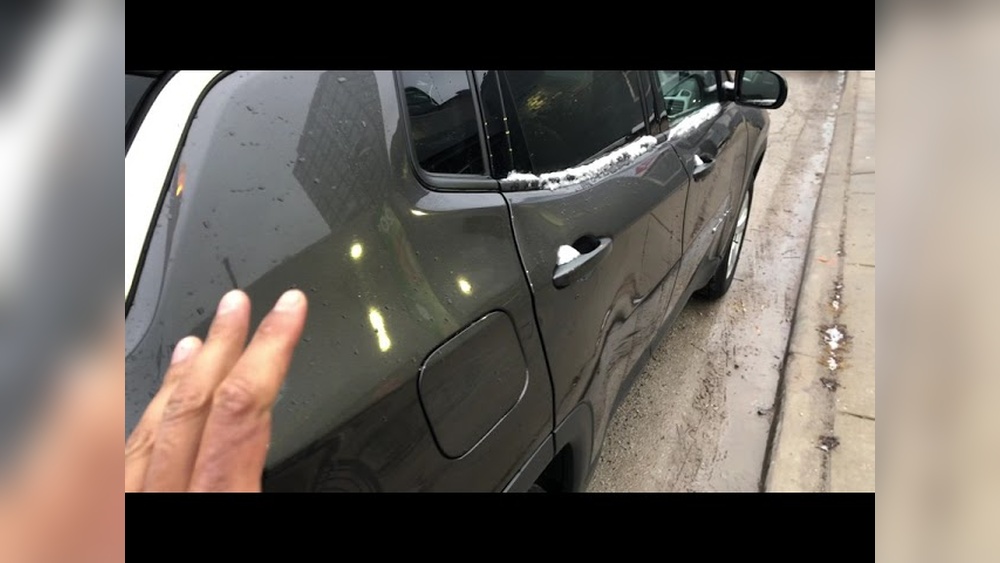
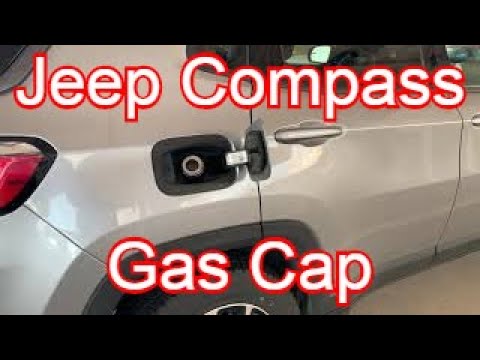
- Locate the gas door: On all Jeep Compass models, the fuel door is on the left (driver’s) side, near the rear of the vehicle.
- Press and release: Gently press the right side of the fuel door. It should pop open slightly. If it doesn’t, double-check that the vehicle is unlocked.
- Swing open the door: Pull the door open fully to reveal the capless fuel inlet.
- Insert the nozzle: At the gas station, insert the fuel pump nozzle directly into the capless opening. Push it in firmly to open the internal flap.
- Fill up: Begin fueling as normal. The capless system seals automatically to prevent leaks.
- Close the door: Once finished, remove the nozzle and gently close the fuel door until it clicks.
This process is quick and requires no tools or extra levers. If you’re used to traditional gas caps, it can feel unusual at first.
Common Mistakes And How To Avoid Them
Many drivers run into small issues the first time they open the gas door on a Jeep Compass. Here’s how to avoid common problems:
- Trying to find a release lever inside: There isn’t one. Always open the door from outside.
- Forgetting to unlock the doors: The gas door won’t open if the vehicle is locked.
- Using the wrong fuel nozzle: Only use standard gasoline nozzles. Diesel or oversized nozzles can damage the capless system.
- Applying too much force: The gas door should open with a gentle press. Forcing it may cause damage.
- Not closing the door completely: If you hear a “click,” it’s locked. If not, press again gently.
Many people also wonder if they need a special funnel for emergencies. Jeep provides a plastic funnel (usually in the trunk near the spare tire) for adding fuel from a can. Only use this funnel if you’re adding gas without a pump nozzle.
What To Do If The Gas Door Won’t Open
Sometimes, the gas door gets stuck. Here’s what you can check:
- Check the locks: Even if the doors seem unlocked, try locking and unlocking them again.
- Inspect for ice or debris: In cold weather, the door may freeze shut. Gently clear away ice or dirt.
- Check for damage: A bent door or hinge can block the opening. Inspect for signs of impact.
- Try gentle pressure: Don’t use tools or force. If the door is jammed, it’s best to see a dealer.
If you still can’t open the door, visit a Jeep service center. Forcing it open with tools can damage the paint or locking mechanism.

Capless Fuel System: Pros And Cons
The capless design on the Jeep Compass has some advantages and a few drawbacks.
| Benefit | Drawback |
|---|---|
| No cap to lose or forget | Requires special funnel for gas cans |
| Quicker and cleaner refueling | May stick if not cleaned regularly |
| Better vapor control | Some older nozzles may not fit perfectly |
One thing new owners often miss: keeping the area around the fuel door clean is important. Dirt can build up, causing the door or internal flap to stick.
Extra Tips For Safe Refueling
- Never smoke or use open flames near the gas tank.
- Always turn off the engine before refueling.
- Don’t overfill: When the nozzle clicks off, stop. Overfilling can harm the evaporative system.
- Check the fuel type: Use regular unleaded gasoline unless your owner’s manual says otherwise.
If you’re unsure about your Jeep Compass model or need more details, you can check the official Jeep Compass Owner’s Manual.

Frequently Asked Questions
Why Doesn’t My Jeep Compass Have A Gas Cap?
The Jeep Compass uses a capless fuel system for convenience and to help the environment. The system seals automatically after you remove the nozzle, so there’s no need for a traditional gas cap.
Can I Open The Gas Door When The Car Is Locked?
No. The gas door is connected to the central locking system. You must unlock the doors to open the fuel door.
What If I Lose The Emergency Funnel?
If you lose the emergency fuel funnel, you can buy a replacement from any Jeep dealer. It’s important to use the correct funnel, as others may damage the capless system.
Why Won’t The Gas Door Open, Even When Unlocked?
Check for dirt, ice, or physical damage around the door. If it’s still stuck, try locking and unlocking the vehicle again. If these steps don’t work, contact a Jeep service center.
Is It Safe To Use Fuel Additives With The Capless System?
Yes, but always use the provided funnel for any fuel additives or gas from a can. Pouring liquids directly without the funnel may damage the system.
Opening the gas on a Jeep Compass is quick once you know the steps. The capless system is designed for ease and safety, but a few small details can trip up new users. With this guide, you’ll be able to refuel confidently—whether it’s your first time or your hundredth.
Safe travels!