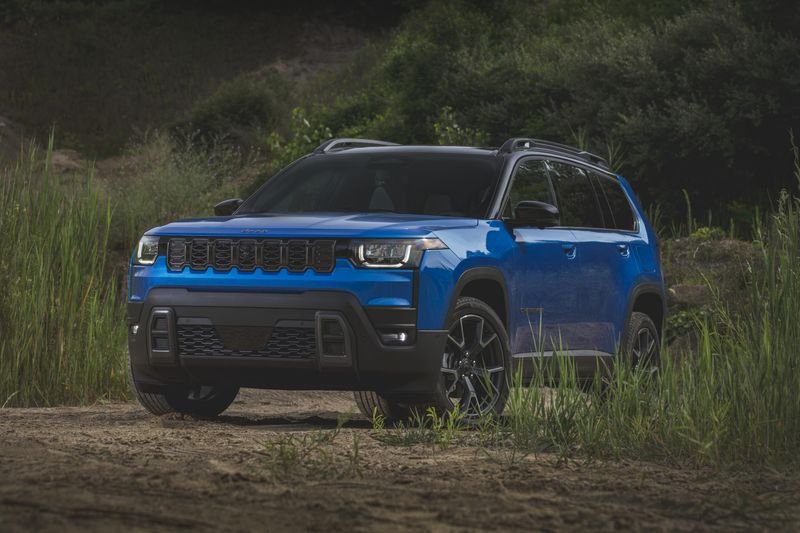
Off-roading in a Jeep is more than just a hobby it’s an adventure that lets you explore places most vehicles can’t reach. With the right preparation, skills, and attitude, you can safely tackle dirt trails, rocky hills, and muddy tracks.
But if you’re new to off-roading, it’s easy to make mistakes that could damage your Jeep or leave you stranded.
This guide will show you how to off-road in a Jeep with confidence, covering everything from preparation to driving techniques and safety tips.

Choose The Right Jeep And Gear
Not every Jeep is built the same. While all Jeeps offer solid off-road ability, some are better suited for rough terrain.
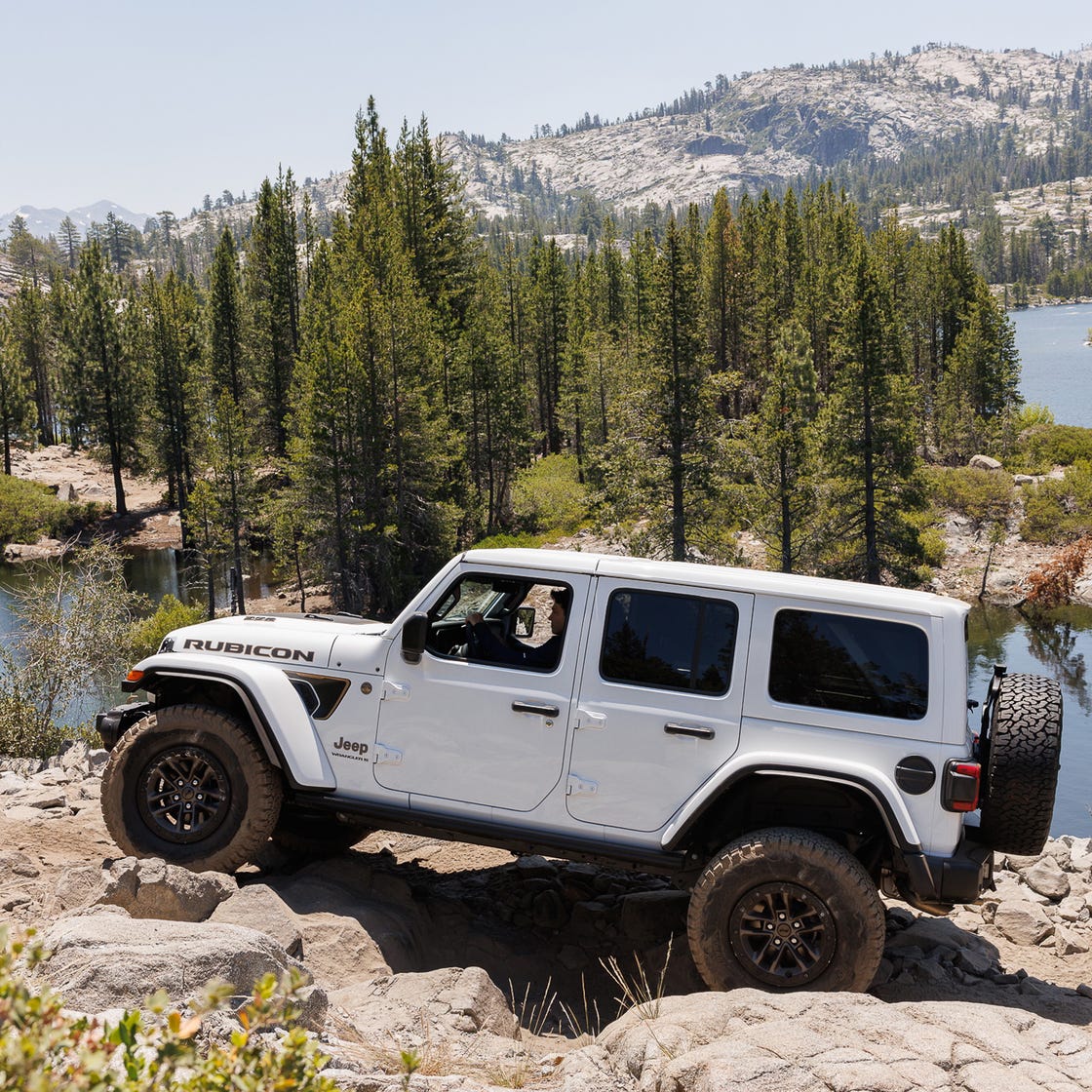
- Jeep Wrangler: The gold standard for off-road, thanks to its ground clearance, low-range gearing, and solid axles.
- Jeep Grand Cherokee Trailhawk: Offers a mix of comfort and off-road features, including advanced traction control.
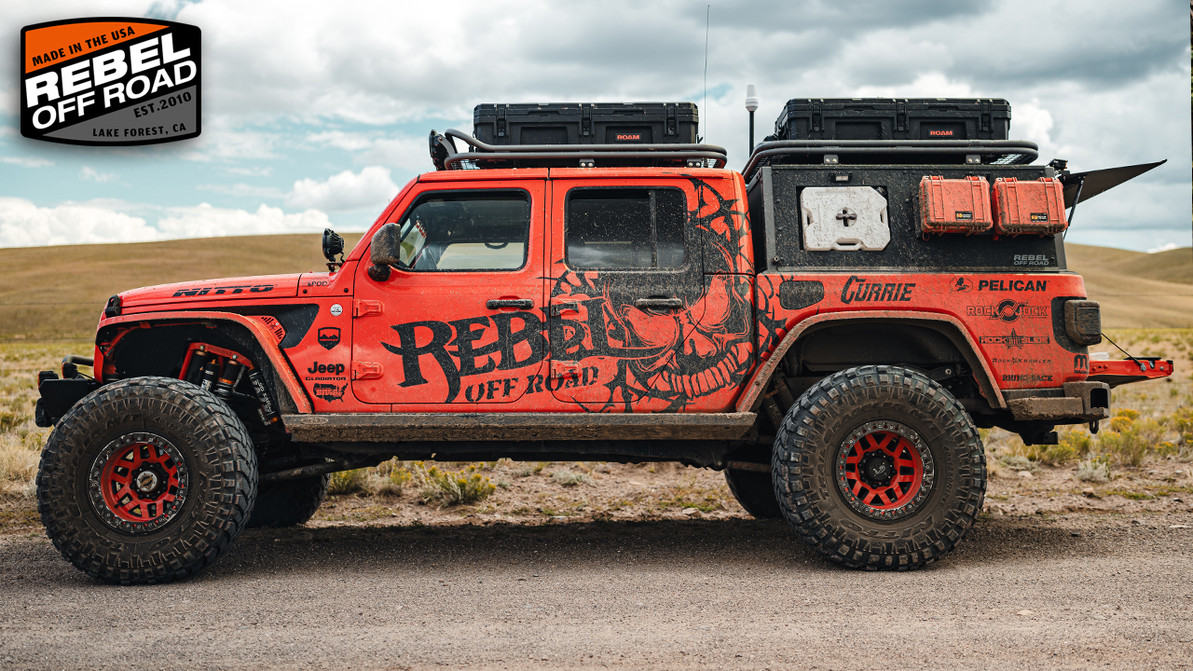
- Jeep Gladiator: Combines pickup utility with real trail ability.
Before you hit the trail, check these basic items:
- Tires: Use all-terrain or mud-terrain tires with deep tread for grip.
- Recovery gear: Pack a tow strap, D-rings, shovel, and portable air compressor.
- First-aid kit: Always be ready for minor injuries.
- Navigation: Bring a GPS and paper map as backup.
- Communication: A CB radio or satellite phone is smart in remote areas.
Here’s a quick comparison of three popular Jeep models for off-roading:
| Model | Ground Clearance (inches) | Approach Angle (degrees) | Best For |
|---|---|---|---|
| Wrangler Rubicon | 10.8 | 44 | Rock crawling, mud |
| Grand Cherokee Trailhawk | 10.8 | 29.8 | Trails, comfort |
| Gladiator | 11.1 | 43.4 | Hauling, trails |
Prepare Your Jeep
A little preparation goes a long way. Start by inspecting your Jeep:
- Check fluids: Engine oil, coolant, brake, and transmission fluids should be topped up.
- Look for leaks: Fix any leaks before heading out.
- Tire pressure: Lower your tire pressure to 15-18 psi for better traction on rocks or sand.
- Secure loose items: Inside your Jeep, tie down tools and gear.
Install skid plates if you plan to drive over rocks. They protect your Jeep’s underbody from sharp impacts.
Learn Basic Off-roading Techniques
Driving off-road is very different from pavement. Here are the basics:
- Go slow: Speed breaks things. Use low gear to crawl over obstacles.
- Use 4WD: Engage 4-wheel-drive before you hit the trail, not after you get stuck.
- Pick your line: Look ahead and choose the smoothest path over obstacles.
- One at a time: Cross ditches or obstacles with one wheel at a time, not all four.
- Momentum in mud/sand: Keep moving to avoid getting bogged down.
Here’s a comparison of off-road surface types and driving tips:
| Surface | Best Technique | Common Mistake |
|---|---|---|
| Rocks | Low gear, crawl slowly | Going too fast |
| Mud | Steady momentum | Stopping, spinning tires |
| Sand | Lower tire pressure, keep speed | Sharp turns, high pressure |
Safety And Trail Etiquette
Stay safe by following these rules:
- Buddy system: Never off-road alone. If you must, tell someone your route and return time.
- Leave no trace: Stay on marked trails to protect nature.
- Yield: If you meet another vehicle, the one going uphill has the right of way.
- Recovery: Only use rated recovery points on your Jeep—not bumpers or suspension parts.
Bring plenty of water, snacks, and extra clothing. Cell service is unreliable in remote areas, so plan ahead.
Common Beginner Mistakes
Many new off-roaders overlook important details:
- Ignoring tire pressure: High pressure reduces grip and increases risk of getting stuck.
- Driving too fast: This can break suspension parts and cause loss of control.
- Not scouting obstacles: Always get out and look before driving over unknown terrain.
- Failing to air up after: Driving home on aired-down tires can ruin them—use your compressor to reinflate.
A non-obvious tip: Don’t trust all navigation apps. Some show old trails that are now closed. Check with local off-road groups or park offices for current trail info.
After The Trail: Cleaning And Maintenance
Once your adventure ends, don’t just park your Jeep. Wash off all mud, especially from the undercarriage. Mud can hide damage and cause rust.
Check for:
- New leaks
- Bent suspension parts
- Tire damage
Lubricate any moving parts you can reach, like door hinges and driveshafts. This will help your Jeep stay reliable for the next trip.
Here’s a quick post-trip checklist:
| Task | Why It Matters |
|---|---|
| Wash Jeep | Removes mud, prevents rust |
| Check for leaks | Find damage early |
| Air up tires | Prevents blowouts on-road |
| Inspect suspension | Ensures safe handling |
Final Thoughts
Off-roading in a Jeep opens up a world of adventure, but it also demands respect for your vehicle and the environment. With the right preparation, skills, and mindset, you can safely conquer trails and create unforgettable memories. Always keep learning, listen to experienced drivers, and never underestimate the trail ahead.
For more detailed off-roading safety advice, visit the Tread Lightly! Off-Roading Tips.
Frequently Asked Questions
What Is The Best Jeep For Beginners To Off-road With?
The Jeep Wrangler Sport is a great choice for beginners. It’s simple to use, reliable, and has strong off-road ability without too many electronic features that can confuse new drivers.
Do I Need To Modify My Jeep To Go Off-roading?
No, most stock Jeeps can handle basic trails. As you gain experience, you might add better tires, a small lift, or skid plates, but it’s not required for light trails.
How Low Should I Set My Tire Pressure For Off-roading?
Lowering tire pressure to 15-18 psi improves traction on rocks and sand. Always air back up to factory pressure before driving on highways.
Is It Safe To Go Off-roading Alone?
It’s best to go with at least one other vehicle. If you must go alone, share your plans, carry extra supplies, and use a GPS tracker.
How Do I Find Legal Off-road Trails?
Check with local Jeep clubs, park rangers, or use official trail maps from organizations like the Bureau of Land Management. Avoid using unofficial apps to prevent trespassing on private land.