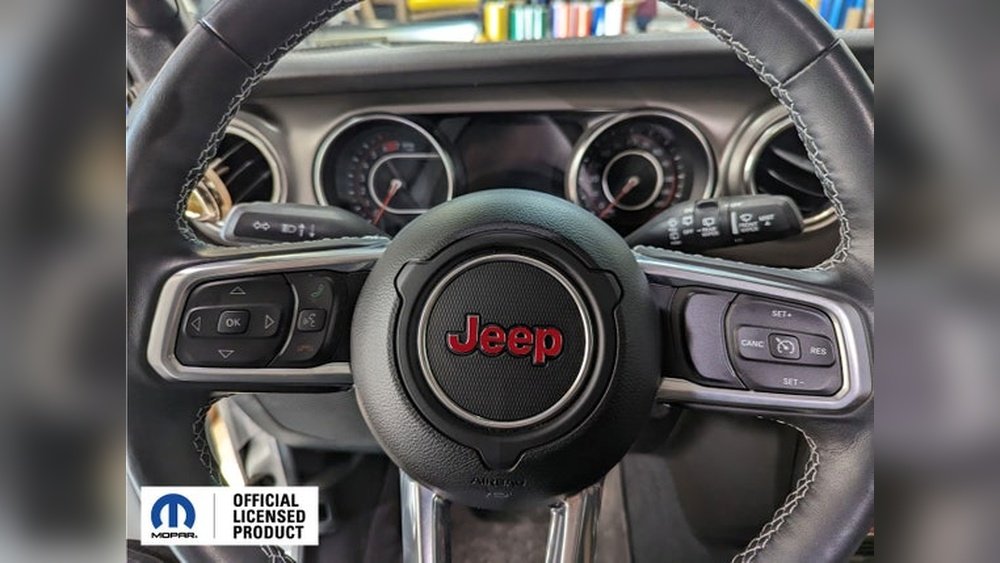
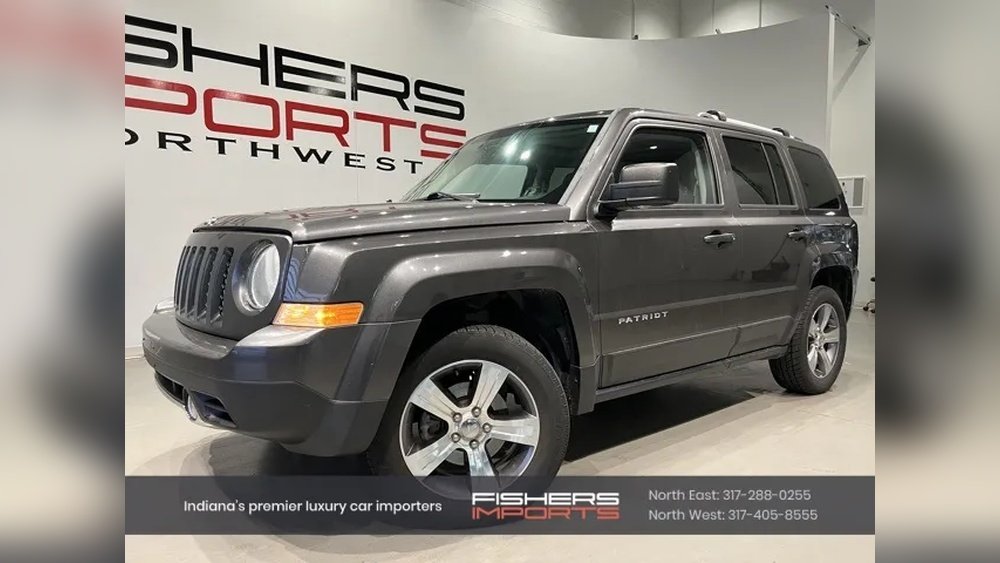
Modifying a Jeep is an exciting project for many owners. Whether you want to improve off-road performance, change the look, or add comfort, customizing your Jeep can make it unique and better suited to your needs.
But, knowing where to start and what upgrades really matter is important.
With so many options, it’s easy to feel overwhelmed or make mistakes that cost time and money. This guide will help you understand the basics, show practical upgrades, and highlight key details most beginners miss.
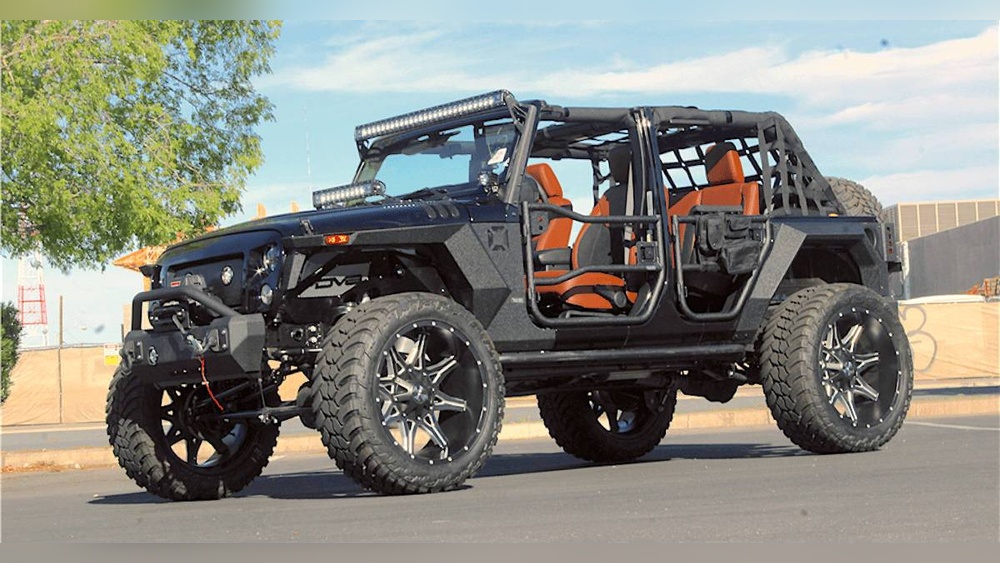
Choosing Your Jeep Modification Goals
Every Jeep owner has different reasons for upgrading. Some want more off-road capability, others prefer a stylish look, and some focus on daily comfort. Before buying parts, think about how you use your Jeep. Are you planning weekend trail rides, city driving, or camping trips? Your goals will guide your choices and save money.
Off-road Vs. Street Upgrades
Some modifications are great for rough trails but may hurt street performance. For example, large mud tires improve traction off-road but can reduce fuel efficiency and cause noise on highways. On the other hand, all-terrain tires balance both worlds.
| Upgrade Type | Best For | Drawbacks |
|---|---|---|
| Mud Tires | Off-road | Noisy, low MPG |
| All-Terrain Tires | Mixed use | Less grip in deep mud |
| Lift Kits | Off-road, looks | Higher center of gravity |
| LED Lights | Safety, style | Possible wiring needs |
Essential Jeep Modifications
You don’t need to spend thousands to make your Jeep stand out. Here are common upgrades that deliver real benefits.
1. Lift Kits
Raising your Jeep lets you clear rocks and deep ruts. Most lifts range from 2 to 4 inches.
A moderate lift is best for most users, as extreme lifts can affect stability. Always check local laws some states limit maximum lift height.
2. Tire Upgrades
Bigger tires improve off-road traction and give your Jeep a tougher look. Popular sizes are 33-35 inches.
Remember, larger tires may require recalibrating your speedometer.
3. Skid Plates
Protecting your Jeep’s underbody is vital. Skid plates shield the transmission, gas tank, and oil pan from rocks.
Aluminum plates are lighter, while steel plates offer stronger protection.
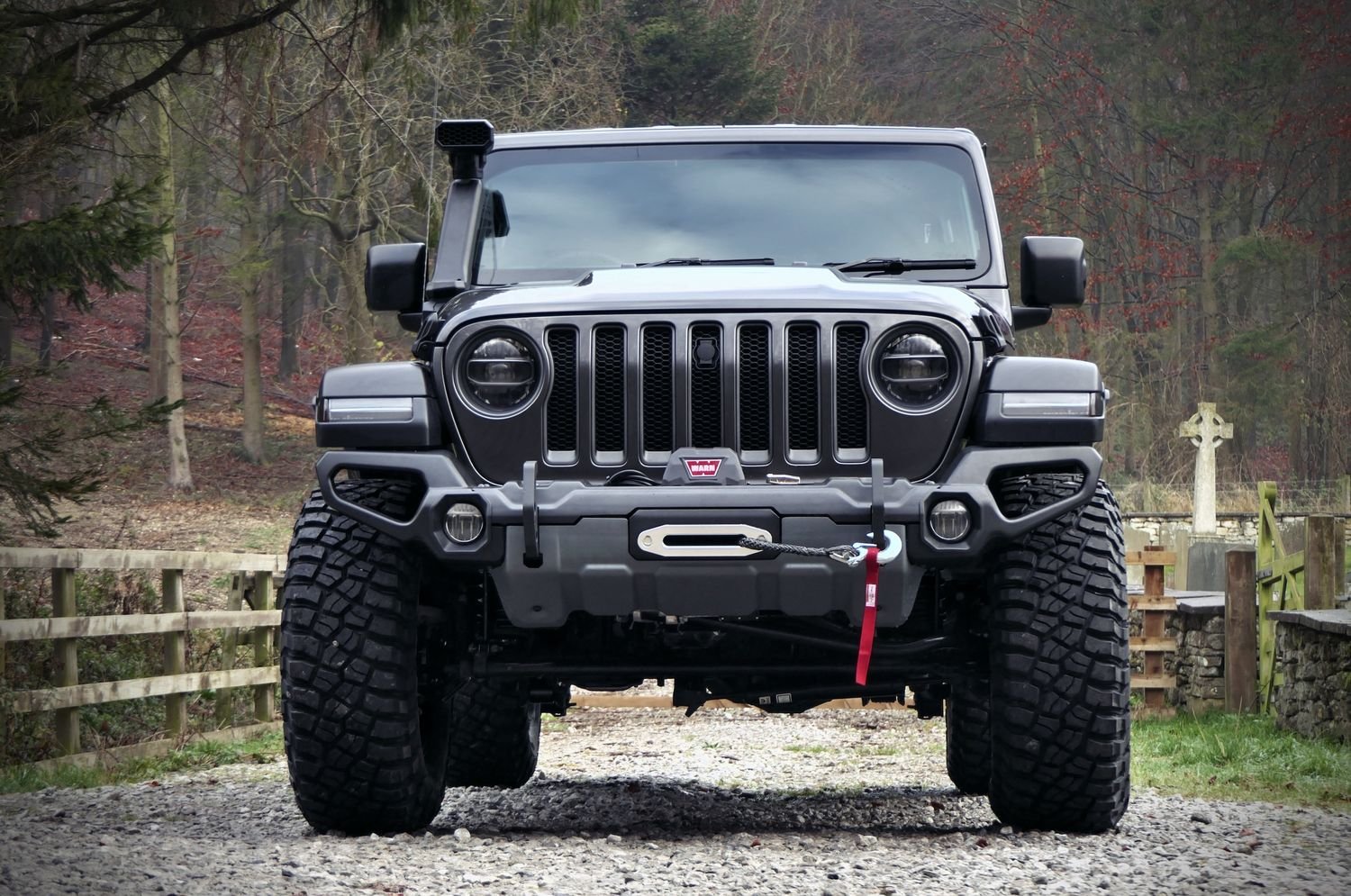
4. Winch Installation
A winch is essential if you drive on muddy or rocky trails. It helps pull your Jeep out of tough spots and can rescue others too.
Choose a winch rated above your vehicle’s weight.
5. Led Light Bars
Extra lighting improves visibility at night and during storms. Light bars mount on bumpers or roofs. Check wiring and fuse requirements before installation.
6. Bumpers
Heavy-duty bumpers protect your Jeep and provide mounting points for accessories. Steel bumpers are strong but heavier; aluminum is lighter but less durable.
7. Rock Sliders
These bars run along your Jeep’s sides to prevent body damage from rocks and stumps. They’re useful for frequent off-roaders.
8. Cold Air Intake
Upgrading your air intake increases engine power and efficiency. It’s a simple modification with noticeable results.
9. Seat Covers
Protect your interior from mud, water, and sun damage. Waterproof covers are best for outdoor enthusiasts.
10. Roof Racks
If you need extra storage, roof racks are ideal for camping gear or luggage.
Cost Comparison For Popular Upgrades
It’s helpful to know what to expect before you start shopping. Prices can vary based on brands and installation.
| Upgrade | Average Cost (Parts) | Average Cost (Installed) |
|---|---|---|
| Lift Kit | $400-$1,500 | $700-$2,500 |
| Tires (Set of 4) | $800-$1,400 | $1,000-$1,800 |
| Winch | $300-$800 | $500-$1,200 |
| LED Light Bar | $100-$400 | $150-$500 |
Steps For Safe Jeep Modification
Begin with upgrades that match your skill level. If you’re new, start small and build confidence.
1. Plan Carefully
Make a list of desired modifications. Research compatibility some upgrades require others.
For example, bigger tires often need a lift kit.
2. Use Quality Parts
Cheap parts can fail and cause damage. Stick with well-known brands.
3. Follow Instructions
Read installation guides closely. Many upgrades can be installed at home, but some like suspension kits are best left to professionals.
4. Test After Each Upgrade
Drive your Jeep after every change to spot problems early. If you hear odd noises or notice handling issues, check your installation.
5. Document Your Changes
Keep a record of all upgrades. This helps with maintenance and resale value.
Common Mistakes And How To Avoid Them
New Jeep owners often make errors that affect safety and performance.
- Ignoring weight limits: Adding heavy parts can stress your suspension and reduce fuel economy.
- Skipping alignment checks: After lifting your Jeep or changing tires, always get a wheel alignment.
- Overlooking legal restrictions: Some states have rules on bumper height, tire size, or lighting. Check regulations before modifying.
- Choosing style over function: Flashy upgrades may look good, but always focus on practical improvements first.
Non-obvious Insights For Beginners
- Upgrade in stages rather than all at once. This helps you understand the effect of each change and reduces mistakes.
- Check resale impact. Certain mods, like permanent body changes, can lower your Jeep’s value. Stick to reversible upgrades if you plan to sell later.
For more detailed information and community advice, visit Jeep Official Site.
Frequently Asked Questions
What Is The First Upgrade I Should Make To My Jeep?
Most experts recommend tire upgrades or a lift kit as the first step. These improve both capability and appearance without major changes.
Can I Modify My Jeep Myself, Or Do I Need A Mechanic?
Many simple upgrades, like seat covers or LED lights, can be done at home with basic tools. For complex mods such as suspension lifts, professional help is safer.
Will Modifications Affect My Jeep’s Warranty?
Some upgrades may void parts of your warranty, especially if they change the engine or suspension. Always check your warranty terms before modifying.
Is It Legal To Install A Lift Kit And Bigger Tires?
In most states, it’s legal within certain limits. For example, some areas restrict lift height or tire size. Research local laws before making changes.
How Can I Improve My Jeep’s Fuel Efficiency After Modifications?
Choose all-terrain tires instead of mud tires, avoid heavy accessories, and keep your Jeep well-maintained. Regular alignment checks help too.
Modifying your Jeep can make it more fun, capable, and personal. Start with practical upgrades, plan your changes, and always think about safety and legality.
With careful choices, your Jeep will perform better both on and off the road, and stand out wherever you drive.