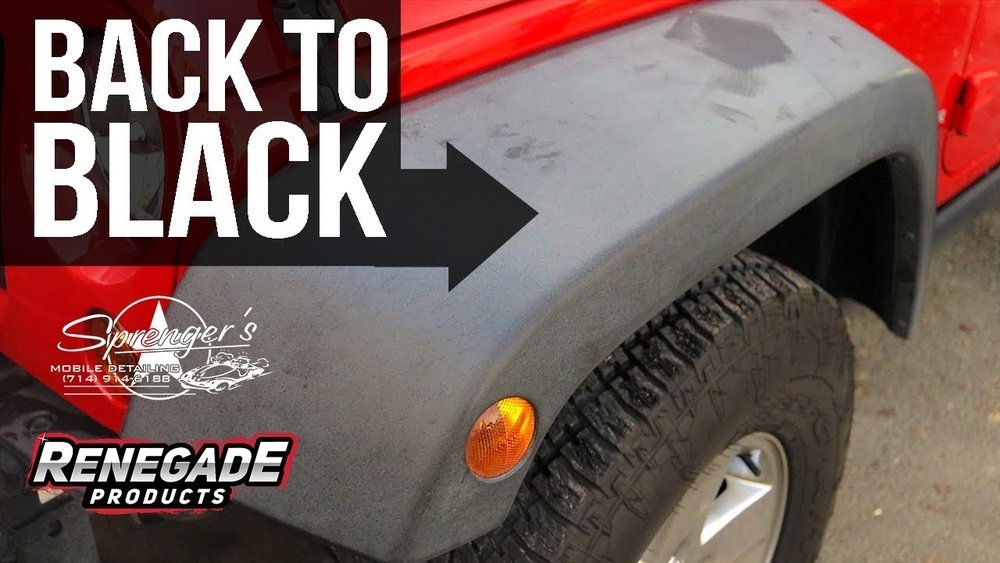
If you own a Jeep, you know how important the black plastic trim is for its tough look. Over time, sun, rain, and road dirt can turn this black plastic into a dull gray.
It’s common, but it doesn’t have to stay that way. Restoring the black color is simple if you follow the right steps.
This guide covers everything you need to make your Jeep’s plastic black again, including smart tips, common mistakes, and product comparisons.
Why Jeep Plastic Turns Gray
Jeep plastic fades for a few reasons. UV rays from sunlight break down the color. Water, mud, and chemicals also cause wear. Even washing your Jeep can speed up fading if you use strong soaps. According to industry studies, most vehicles show visible trim fading within two years of regular outdoor use. This is not just about looks—faded plastic can crack and become brittle.
Choosing The Best Restorer
Before starting, you need the right product. There are three main types:
- Trim Restorer Creams: These are thick and easy to spread. They offer deep black color and last longer.
- Aerosol Sprays: Fast to use, but sometimes streaky. Good for quick jobs.
- Ceramic Coatings: Newer on the market. They protect against UV and last 6–12 months.
Here’s a quick comparison of popular products:
| Product | Type | Durability | Price (USD) |
|---|---|---|---|
| Meguiar’s Ultimate Black | Cream | 3–4 months | 13 |
| CarGuys Plastic Restorer | Cream | 4–6 months | 19 |
| Cerakote Trim Coat | Ceramic | 6–12 months | 24 |
| Mother’s Back-to-Black Spray | Spray | 1–2 months | 11 |
Ceramic coatings cost more but offer the longest protection. Creams are popular for their ease and price.
Step-by-step: Making Jeep Plastic Black Again
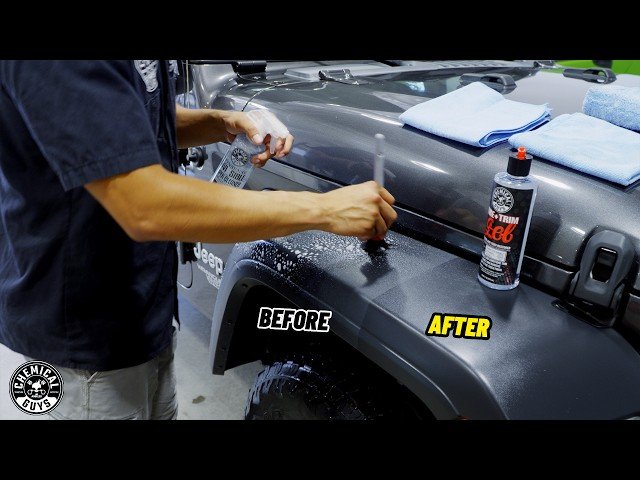
It’s not hard to restore faded plastic, but you must prepare and use the product correctly. Follow these steps:
- Wash the Trim
- Use mild soap and water. Scrub gently with a soft brush. Let it dry fully.
- Avoid dish soap—it can strip oils and damage plastic.
- Mask Surrounding Areas
- Use painter’s tape to cover paint and glass near the trim. This prevents stains.
- Apply the Restorer
- For creams: Put a small amount on a foam applicator or microfiber cloth. Rub in circles for even coverage.
- For sprays: Spray lightly and spread with a cloth.
- For ceramic: Follow the instructions carefully. Usually, wipe on, let sit, then buff.
- Buff and Dry
- After application, buff the area with a clean dry cloth. Wait 15–30 minutes for it to set.
- Repeat if Needed
- If your plastic is very faded, repeat the process after 24 hours.
Here’s a quick table showing how long each type takes to apply:
| Restorer Type | Application Time | Skill Needed |
|---|---|---|
| Cream | 10–15 min | Beginner |
| Spray | 5–8 min | Beginner |
| Ceramic | 20–25 min | Intermediate |
Practical Tips For Long-lasting Results
- Wash monthly: Keeping plastic clean extends the restorer’s life.
- Apply in shade: Heat can dry products too fast, causing streaks.
- Don’t rush: Let each layer dry fully before adding another.
- Avoid harsh chemicals: Some tire cleaners and degreasers fade trim.
- Store products properly: Keep bottles closed and out of sunlight.
Many beginners skip masking, which leads to stains on paint. Another common mistake is using too much product this causes sticky residue and attracts dirt.
How Often Should You Restore?
Most Jeep owners restore trim 2 4 times per year. In hot, sunny states like Arizona, you may need to do it more often.
Ceramic products can last up to a year, but creams and sprays fade after a few months.
Real Example: Jeep Wrangler Trim Restoration
Tom, a Jeep Wrangler owner from Texas, restored his faded trim with a ceramic coating. He washed the trim, masked it, applied the coating, and buffed carefully.
After six months, his plastic still looked deep black, even after several off-road trips.
This shows that investing a little more in a good product pays off.
How To Avoid Common Mistakes
- Skipping Prep: Always clean and dry before applying restorer.
- Over-applying: Use a thin, even layer. Too much can cause buildup.
- Ignoring instructions: Each product is different. Read the label.
- Not protecting paint: Masking avoids hard-to-remove stains.
- Washing with strong soap: Use car wash soap, not household cleaners.
Comparing Diy And Professional Restoration
Some people hire detailers for trim restoration. Professional jobs can cost $50 $100 and take about an hour.
Doing it yourself costs less and gives you control. Most Jeep owners find DIY works well if you follow instructions.
| Method | Cost | Time Required | Results |
|---|---|---|---|
| DIY (Cream) | $13–$20 | 15–30 min | Good |
| DIY (Ceramic) | $24–$30 | 20–40 min | Excellent |
| Professional | $50–$100 | 1–2 hours | Excellent |
Frequently Asked Questions
How Long Does The Restored Black Color Last?
Most creams and sprays last 2–6 months. Ceramic coatings can last up to 12 months with proper care. Sun and weather exposure will affect durability.
Can I Use Household Products Like Olive Oil To Restore Black Plastic?
It’s possible, but not recommended. Olive oil gives temporary shine but attracts dust and fades quickly. Professional products are safer and longer lasting.
Will Restoring Plastic Affect My Jeep’s Resale Value?
Yes. Faded trim makes your Jeep look older and less cared for. Restored, deep black trim can boost resale value by making your vehicle look newer.
What’s The Best Way To Protect Plastic After Restoration?
Regular washing, parking in shade, and using UV protectant sprays help maintain color. Avoid harsh chemicals and use gentle car soap.
Are There Eco-friendly Plastic Restorers?
Yes. Some brands use plant-based formulas or avoid harmful solvents. Look for “eco-friendly” labels and check reviews. For more info, see Consumer Reports.
Restoring your Jeep’s plastic trim is easy with the right tools and approach. You don’t need expensive gear or professional help.
With care and attention, your Jeep can look tough and fresh again, ready for adventures on any road.