If you drive a Jeep Wrangler, you know it’s built for adventure, not luxury. Its rugged design is perfect for off-road trips, but many owners find the ride rough on city streets and highways.
The Wrangler’s solid axles and stiff suspension make bumps and vibrations more noticeable. Still, you can make your Jeep ride smoother without losing its unique character.
Whether you’re commuting, taking road trips, or just want more comfort, you can take practical steps to improve ride quality. This guide shares proven strategies, compares upgrade options, and highlights common mistakes so you get the best results without wasting money.
Why Jeep Wranglers Ride Rough
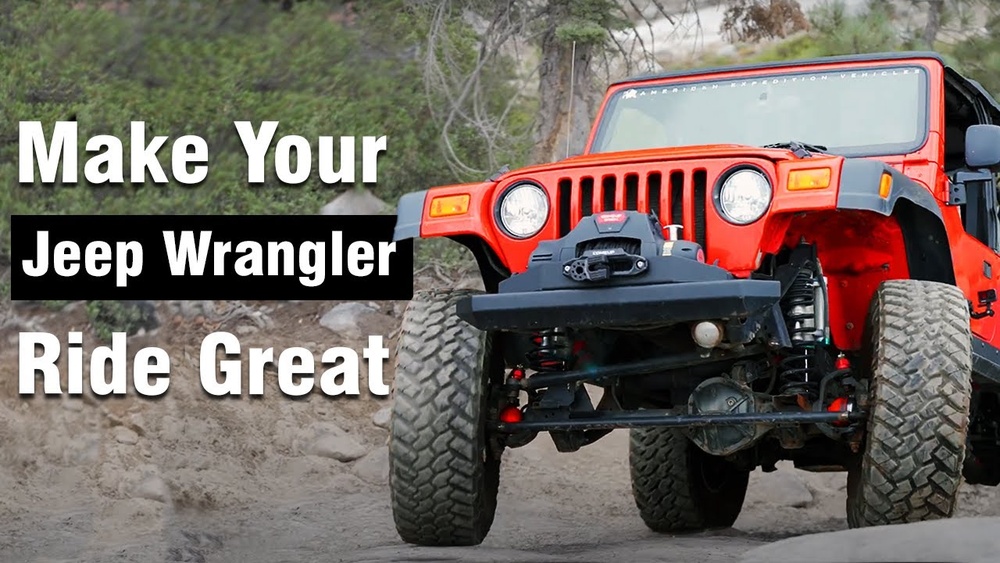
The Wrangler uses solid front and rear axles. This design gives great strength for off-roading but transfers more bumps from the road into the cabin. The suspension is tuned for durability, not softness. Factory tires are often larger and have aggressive treads, which can add noise and vibration. Unlike many SUVs, the Wrangler’s frame is body-on-frame, so it flexes more. All these features make the Wrangler strong but also make the ride feel harsh compared to modern crossovers.
Upgrade Your Suspension
The most direct way to soften your Wrangler’s ride is by improving the suspension. There are several approaches, each with its own pros and cons.
| Upgrade Option | Expected Comfort Gain | Typical Cost |
|---|---|---|
| Aftermarket Shocks | Moderate | $400–$1,000 |
| Progressive Coil Springs | High | $250–$600 |
| Air Suspension Kit | Very High | $2,000–$4,000 |
- Aftermarket shocks: Choose softer shocks like Bilstein 5100 or Fox 2.0 Performance. These absorb bumps better than stock shocks.
- Progressive coil springs: Springs with variable stiffness help absorb smaller bumps without losing support during heavy loads.
- Air suspension kits: These let you adjust firmness on the fly. They’re expensive but offer the most improvement.
If you want a smoother ride but still go off-road, pick progressive springs. Avoid extreme lift kits unless you need them. High lifts can make the ride even rougher.
Choose The Right Tires
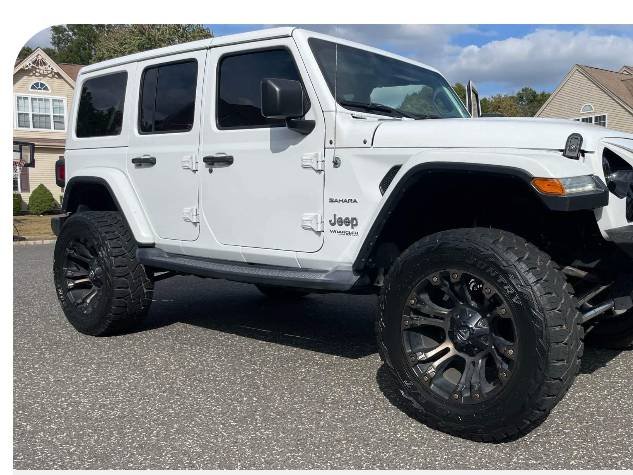
Tires have a huge effect on comfort. Most factory Wranglers have all-terrain or mud-terrain tires, which are noisy and stiff. Switching to a smoother tire can make a big difference.
| Tire Type | Comfort Level | Noise |
|---|---|---|
| All-Terrain | Medium | Moderate |
| Mud-Terrain | Low | High |
| Highway/Street | High | Low |
- Choose highway/street tires if you mostly drive on pavement.
- Lower the tire pressure to factory recommendations, but not below. Too low can cause uneven wear and safety issues.
A less obvious tip: Tire size matters. Bigger tires look cool but can make the ride rougher. Smaller tires with taller sidewalls absorb bumps better.
Adjust Your Driving Habits
Even with a stock Jeep, you can make your ride smoother by changing how you drive.
- Slow down over speed bumps and potholes.
- Avoid sudden lane changes or sharp turns.
- Keep a safe distance from other cars so you can react smoothly.
Many drivers forget that aggressive driving increases roughness. Even small changes to your habits can reduce cabin movement.

Improve Cabin Comfort
Sometimes, the problem isn’t just the ride but how it feels inside the Jeep.
- Add seat covers with extra padding.
- Install sound-deadening material under carpets and inside doors. This reduces vibration and noise.
- Check all interior screws and bolts. Loose parts can rattle and make bumps seem worse.
These changes don’t affect the mechanical ride but can make the experience feel much better, especially on long trips.
Common Mistakes To Avoid
Jeep owners often make upgrades that actually make the ride worse. Here are mistakes to watch out for:
| Mistake | Result |
|---|---|
| Over-lifting suspension | Rougher ride, poor handling |
| Heavy off-road tires | More noise, less comfort |
| Wrong shock absorbers | Too stiff or soft, can cause bounce |
Always research before buying upgrades. It’s easy to get excited and pick products meant for extreme off-roading. For daily driving, focus on comfort features.
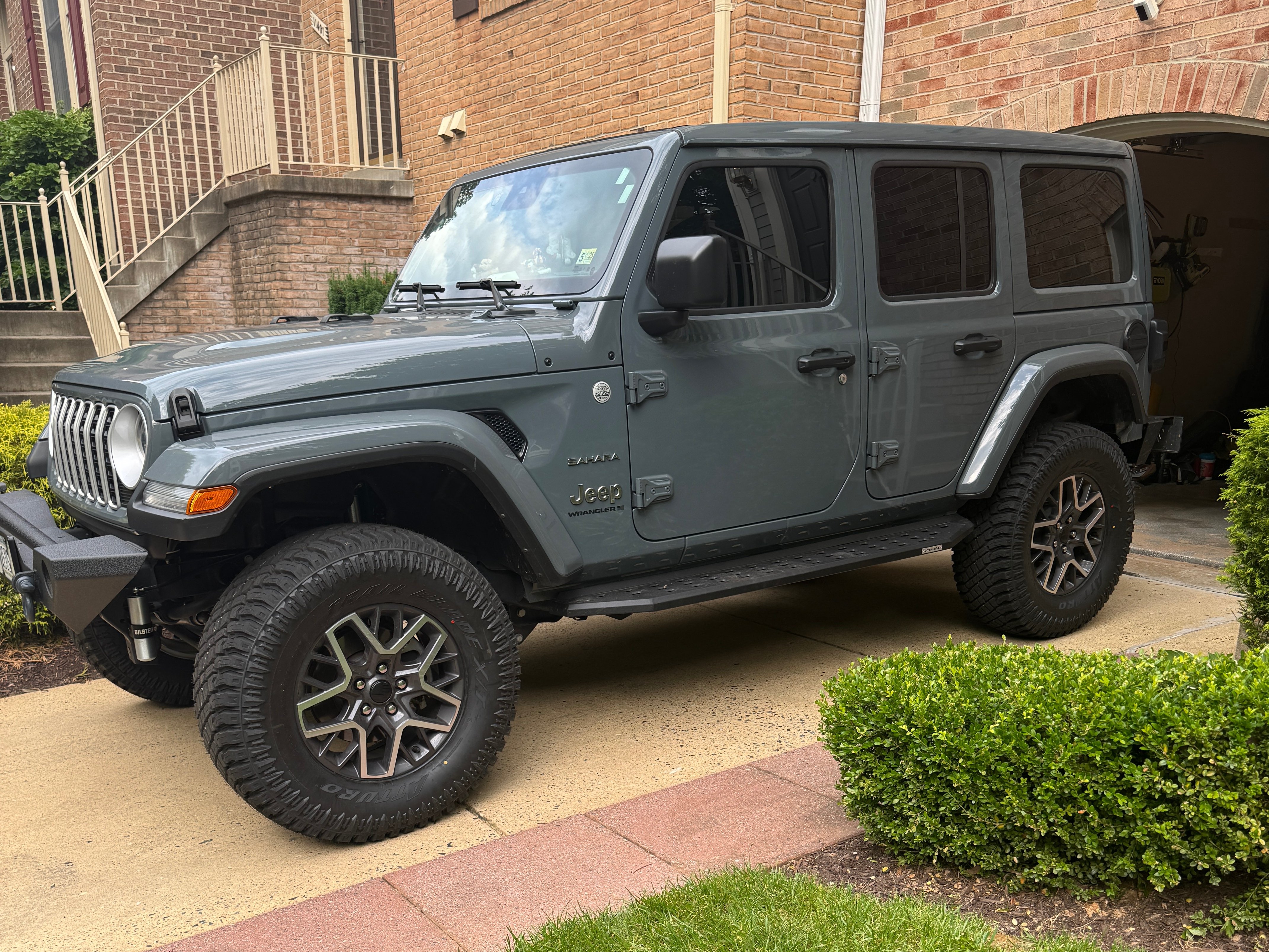
Real-world Examples And Data
Many Jeep owners report big changes after simple upgrades. For example, switching from mud-terrain tires to highway tires can reduce cabin noise by 30–40%. Installing quality shocks like the Bilstein 5100 lowers vibration on rough roads. One owner shared that adding sound-deadening material made his Wrangler feel “almost like a modern SUV” on the highway.
According to a survey by JeepForum, 70% of Wrangler drivers who upgraded suspension and tires noticed a “significant improvement” in ride comfort. Only 15% said the changes made little difference, usually because they chose parts designed for off-road use.
For more data on suspension upgrades, see MotorTrend.
Frequently Asked Questions
How Much Does It Cost To Make A Jeep Wrangler Ride Smoother?
The cost varies. Upgrading shocks costs $400 $1,000.
New tires range from $600 $1,200. Air suspension kits can be $2,000 $4,000.
Small changes like seat covers and sound-deadening material are under $200.
Will Smoother Tires Affect Off-road Ability?
Yes. Highway tires give a softer ride but don’t grip dirt or mud as well.
If you go off-road often, keep all-terrain tires. If you drive mostly on pavement, highway tires are best.
Can I Improve My Jeep’s Ride Without Affecting Its Looks?
Yes. Progressive springs and quality shocks won’t change the Jeep’s appearance.
Seat covers and sound-deadening material are inside and invisible. Avoid oversized tires if you want both comfort and style.
Is There A Quick Fix For A Rough Ride?
Lowering tire pressure to the correct level is a fast improvement. Upgrading shocks and springs takes more time but has a bigger impact.
Adding seat padding and checking for loose parts also helps.
Do Newer Jeep Wranglers Ride Smoother Than Older Ones?
Generally, yes. Newer Wranglers (JL models) have improved suspension and frame design.
But even these models benefit from aftermarket upgrades for extra comfort.
Making your Jeep Wrangler ride smoother is possible with the right changes. Start with tires and shocks, adjust your driving, and improve the cabin. Avoid common mistakes, and you’ll enjoy every mile, whether on the trail or the highway.