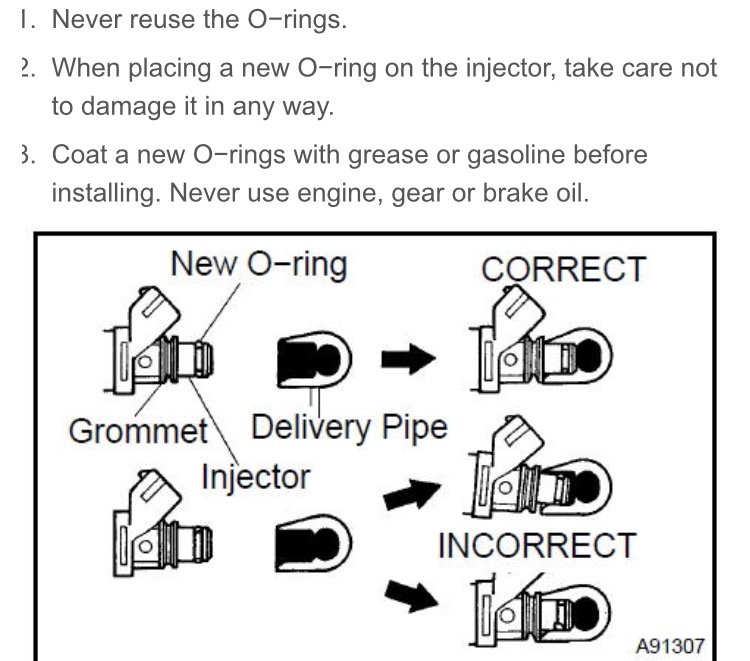
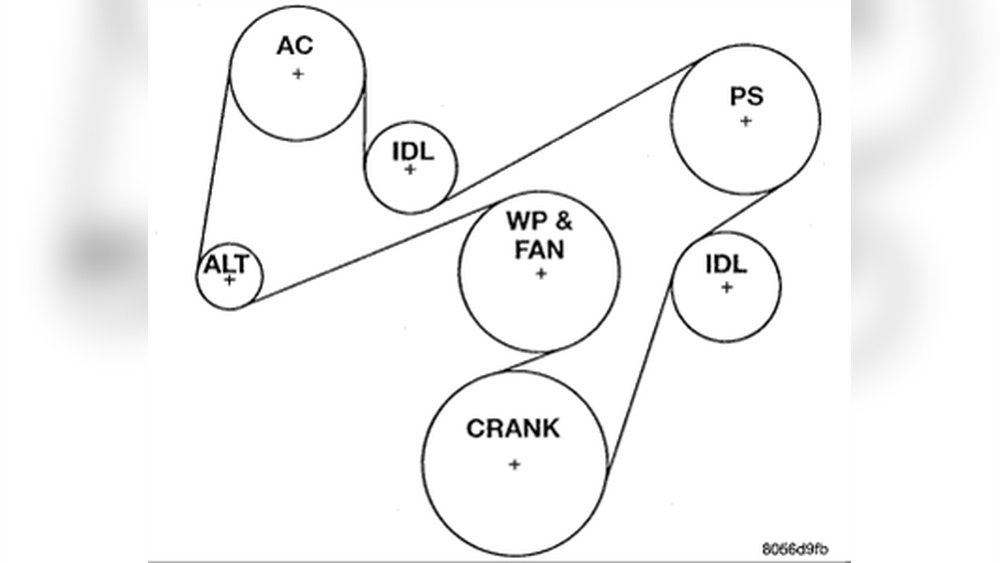
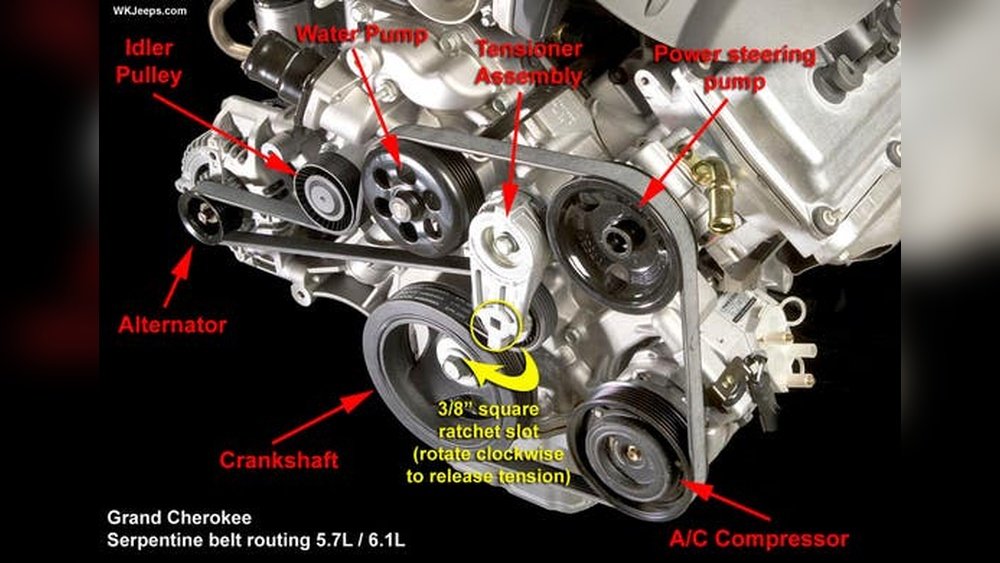
Fuel injectors play a vital role in modern engines. They deliver the right amount of fuel directly into the combustion chamber.
If fuel injectors are not properly lubricated, they can become clogged, sticky, or worn out. This can lead to poor engine performance, rough idling, and even costly repairs.
For car owners and mechanics, knowing how to lubricate fuel injectors correctly helps extend engine life and keeps your vehicle running smoothly.
Why Lubrication Matters For Fuel Injectors
Fuel injectors operate in harsh conditions. They deal with high temperatures, constant movement, and contact with fuel that can leave deposits. Lubrication ensures that the injector’s internal parts move freely, reduces friction, and prevents corrosion. Without proper lubrication, injectors may stick or spray unevenly, leading to poor fuel economy and increased emissions.
Most modern engines use gasoline or diesel fuel as a natural lubricant for injectors. However, additives and cleaning solutions are often needed to maintain optimal performance, especially with ethanol-blended fuels that offer less lubrication.
Signs Your Fuel Injectors Need Lubrication
Recognizing when injectors require lubrication helps prevent bigger engine problems. Common symptoms include:
- Hard starting or engine misfires
- Rough idling or fluctuating RPMs
- Decreased fuel efficiency
- Unusual engine noises or knocking
- Increased exhaust smoke
If you notice these signs, lubricating the injectors may solve the issue before more serious damage occurs.
How To Lubricate Fuel Injectors: Step-by-step Guide
Proper lubrication of fuel injectors involves using specific products and following safety procedures. Here’s a clear process for lubricating injectors without removing them:
1. Choose A Suitable Fuel Additive
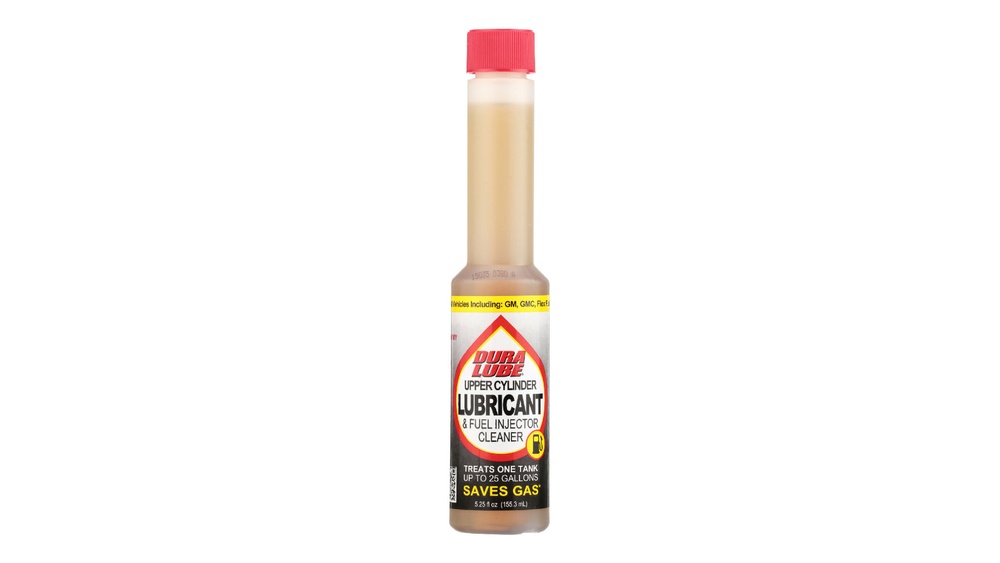
Use a fuel injector lubricant or cleaner with lubricating properties. Look for products with polyetheramine (PEA) or similar compounds, as they clean and lubricate.
2. Read The Product Instructions
Each additive has specific usage directions. Read the label carefully to determine the correct dosage for your fuel tank size.
3. Add The Lubricant To The Fuel Tank
Pour the recommended amount of additive into your fuel tank when it’s nearly empty. Then, fill the tank with fresh fuel.
This ensures the additive mixes thoroughly and reaches all injectors.
4. Drive Your Vehicle
After adding the lubricant, drive for at least 100 miles (160 km) to allow the additive to circulate and work through the injectors.
5. Repeat As Needed
For older vehicles or those experiencing issues, repeat the process every 3,000 to 5,000 miles (4,800 to 8,000 km). Newer cars may need lubrication less often.
Safety Tips
- Use gloves when handling additives
- Avoid overuse, as excess chemicals can harm engine sensors
- Do not mix different brands or types of additives
Comparing Lubrication Methods
There are several approaches to lubricating fuel injectors. The most common are using fuel additives, manual cleaning, and professional ultrasonic cleaning. Here’s a quick comparison:
| Method | Cost | Effectiveness | Time Required |
|---|---|---|---|
| Fuel Additive | $10-$25 | Moderate | 1-2 hours (driving) |
| Manual Cleaning | $50-$100 | High | 1-2 hours |
| Ultrasonic Cleaning | $100-$200 | Very High | 2-4 hours |
Most car owners choose fuel additives for convenience and affordability. Manual and ultrasonic cleaning are best for severe cases or professional maintenance.
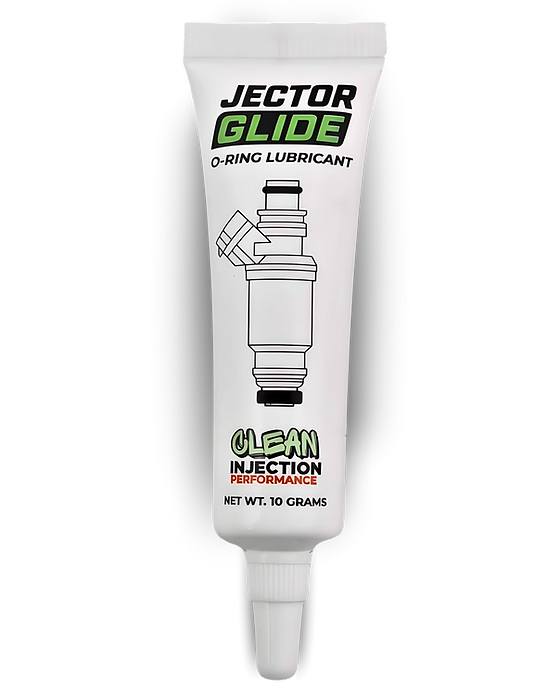
Recommended Lubricant Additives
Not all fuel injector lubricants are equal. Here’s a comparison of popular products:
| Brand | Main Ingredient | Suitable For | Average Rating |
|---|---|---|---|
| Chevron Techron | PEA | Gasoline & Diesel | 4.7/5 |
| Lucas Fuel Treatment | Petroleum Distillates | Gasoline & Diesel | 4.5/5 |
| STP Fuel Injector Cleaner | Detergent Blend | Gasoline | 4.4/5 |
Choose a product that matches your vehicle’s fuel type and has positive reviews.
Common Mistakes When Lubricating Injectors
Many beginners overlook important details when lubricating fuel injectors:
- Using wrong additives: Not all cleaners lubricate. Select products labeled as both cleaner and lubricant.
- Ignoring product instructions: Overdosing may damage the engine.
- Skipping regular maintenance: Lubrication should be part of routine care, not just a one-time fix.
- Mixing brands: Combining additives can cause chemical reactions and harm injectors.
Two non-obvious insights:
First, even premium fuels may not fully lubricate injectors additives are often needed. Second, frequent short trips (under 5 miles) can prevent lubricants from reaching optimal temperatures, reducing their effectiveness.
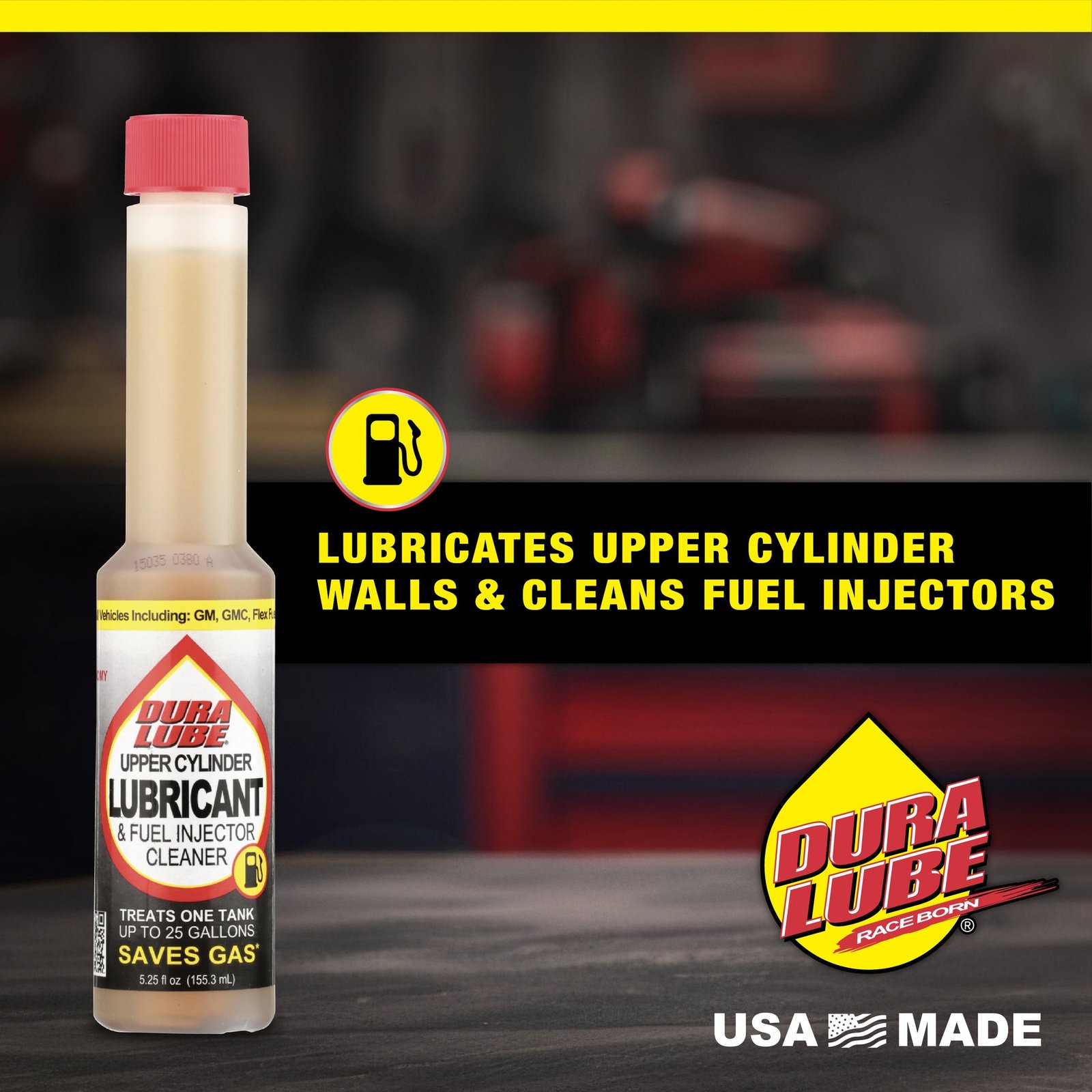
How Often Should You Lubricate Fuel Injectors?
Frequency depends on your driving habits and fuel quality. For most vehicles:
- Every 3,000–5,000 miles (4,800–8,000 km)
- After using low-quality fuel
- When symptoms appear
If your car is used in harsh climates or heavy traffic, lubricate more often. Refer to your owner’s manual for specific guidance.
Frequently Asked Questions
How Do I Know If My Fuel Injectors Need Lubrication?
Look for symptoms such as rough idle, poor acceleration, or increased fuel consumption. If these appear, lubrication may help.
Can I Lubricate Injectors Without Removing Them?
Yes, most additives are designed to be poured into the fuel tank. They clean and lubricate injectors during normal driving.
Are Fuel Injector Lubricants Safe For All Engines?
Most lubricants are safe for both gasoline and diesel engines. Always check the label for compatibility.
Is Professional Cleaning Better Than Using Additives?
Professional cleaning is more thorough but also more expensive. Additives are suitable for regular maintenance and minor issues.
Where Can I Learn More About Fuel Injector Maintenance?
You can find more detailed information at the Wikipedia Fuel Injector page.
Lubricating fuel injectors is a simple yet important task. With the right products and regular maintenance, you can keep your engine running smoothly, avoid costly repairs, and enjoy better fuel efficiency.
Make lubrication part of your routine to ensure a reliable and efficient vehicle.