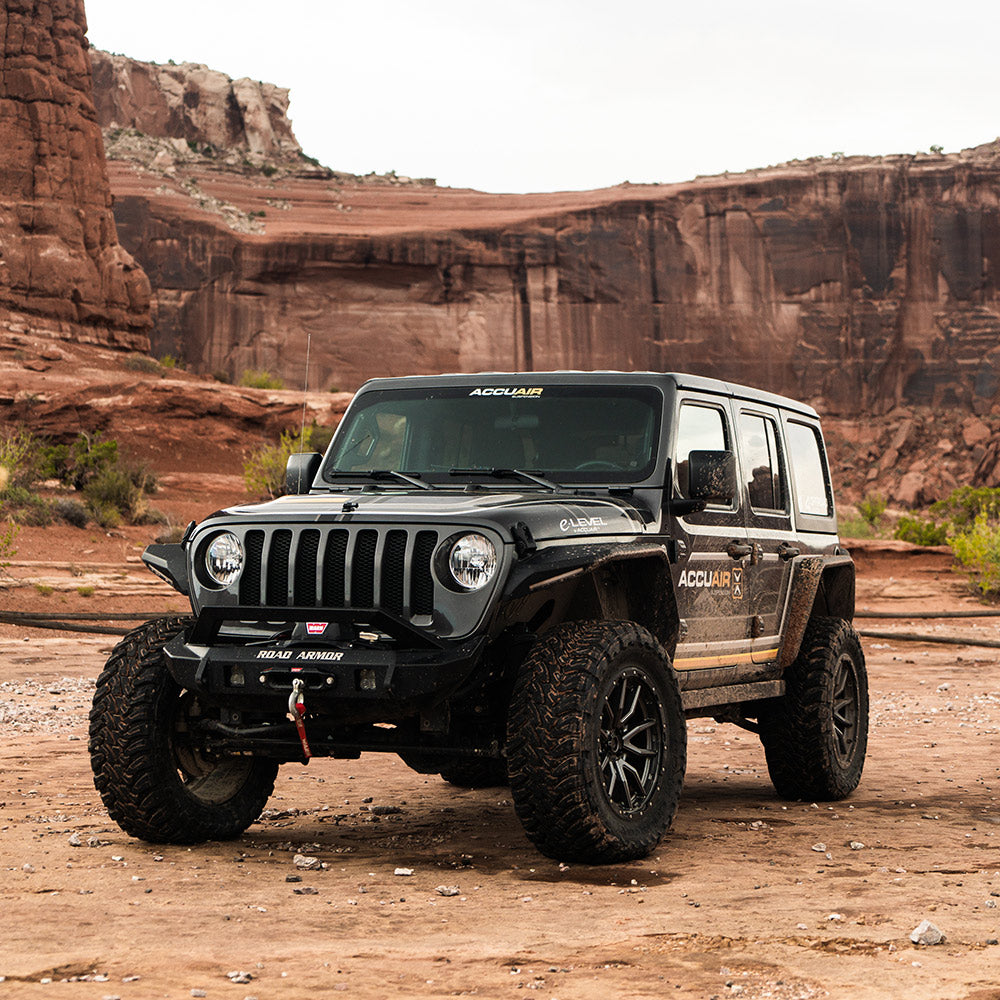
If you love adventure, off-road trails, or just want your Jeep Wrangler to stand out, lifting your Jeep is a popular upgrade. A lifted Wrangler not only looks tough but also performs better on rough terrain. But many owners worry: How do I lift my Jeep Wrangler safely? What steps are involved? This guide will walk you through the key things you need to know, so you can decide if this upgrade is right for you—and even do it yourself.
Why Lift A Jeep Wrangler?
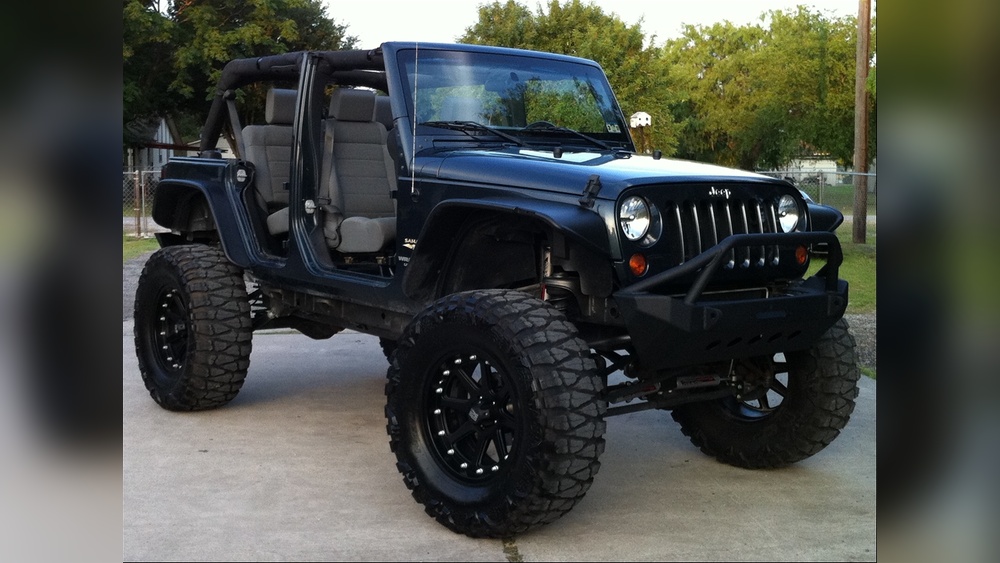
People lift their Wranglers for different reasons. Some want more ground clearance to drive over rocks or mud. Others want to fit bigger tires, which help with traction and style. Many just like the look of a taller Jeep. Here are the main benefits:
- Improved ground clearance: Makes it easier to clear obstacles.
- Room for larger tires: You can fit tires up to 35 inches or more, depending on lift size.
- Better off-road performance: More suspension travel for uneven terrain.
- Aggressive appearance: A lifted Jeep turns heads.
However, lifting your Jeep also brings challenges. Ride comfort can change, fuel economy may drop, and handling on the road might feel different.
It’s important to balance looks, performance, and safety.
Types Of Jeep Wrangler Lift Kits
Not all lift kits are the same. Choosing the right type depends on your goals, budget, and mechanical skills. Here are the most common options:
1. Spacer (budget Boost) Lift
- Lift height: 1–2.5 inches
- Cost: $100–$400 (kit only)
- Best for: Mild off-road, street use
Spacer lifts use simple polyurethane spacers above the springs to increase height. They are affordable and easy to install, but don’t improve suspension travel.
2. Suspension Lift
- Lift height: 2–6 inches
- Cost: $400–$2,500+
- Best for: Serious off-roading
Suspension lift kits replace major components like springs, shocks, and sometimes control arms. These kits offer better wheel articulation and ground clearance.
They require more tools and time to install.
3. Body Lift
- Lift height: 1–3 inches
- Cost: $150–$600
- Best for: Appearance, fitting larger tires
A body lift raises the body off the frame with spacers. It gives you more tire room without changing the suspension.
Ride quality stays the same, but you get limited off-road gains.
4. Coil Spring Replacement
- Lift height: 2–4 inches
- Cost: $300–$1,200
- Best for: Moderate off-roading
This kit replaces the stock coil springs with longer ones. It offers a compromise between a budget boost and a full suspension lift.
Below is a comparison of main lift kit types:
| Lift Kit Type | Lift Height | Difficulty | Cost Range | Best Use |
|---|---|---|---|---|
| Spacer/Budget Boost | 1-2.5 in | Easy | $100-$400 | Street, Light Off-road |
| Suspension Lift | 2-6 in | Hard | $400-$2,500+ | Heavy Off-road |
| Body Lift | 1-3 in | Medium | $150-$600 | Larger Tires, Looks |
| Coil Spring Replacement | 2-4 in | Medium | $300-$1,200 | Moderate Off-road |
Planning Your Jeep Lift
Lifting your Wrangler is more than just swapping parts. Here are the most important things to consider before you start:
Check Local Laws
Some places limit how high you can lift your vehicle or what tire size you can use. Always check your state or country’s rules before buying a kit.
Decide On Your Main Use
Ask yourself: Do you mostly drive on highways, or do you love tough trails? Don’t go too high if you use your Jeep as a daily driver. A moderate lift (2–2.5 inches) is enough for most people.
Budget For Extra Parts
Lifting your Jeep can affect other parts, such as:
- Brake lines (may need extensions)
- Driveshaft (might need replacement over 3” lift)
- Steering geometry (can require correction kits)
- Shocks (longer shocks may be needed)
Often, the biggest surprise for beginners is the cost of “add-ons. ” The kit price is just the start. Plan for these extras.
Know Your Tools And Skills
Spacer kits are simple. But a full suspension lift may require spring compressors, torque wrenches, and mechanical knowledge.
If you’re not confident, ask a friend or hire a pro.
How To Lift Your Jeep Wrangler: Step-by-step Guide
Let’s focus on a 2.5-inch suspension lift, which is popular and suits most Wrangler owners. The steps below apply to most JK and JL models but check your specific kit’s instructions.
1. Prepare Your Workspace
- Park on a level surface.
- Set the parking brake and chock the wheels.
- Gather tools: Jack stands, floor jack, socket set, wrenches, spring compressor (if needed), and safety gear.
- Spray nuts and bolts with penetrating oil the night before.
2. Safely Lift The Jeep
- Loosen wheel lug nuts before lifting.
- Use a floor jack under the axle to raise the Jeep.
- Place jack stands under the frame for safety.
- Remove the wheels.
Never trust only the floor jack always use stands.
3. Remove Old Components
- Disconnect the sway bar links and shock absorbers.
- If your kit includes new track bars or control arms, disconnect those as well.
- Let the axles drop to release tension on the springs.
4. Install New Springs And Parts
- Remove the stock coil springs. You may need a spring compressor.
- Install new, longer springs from your kit.
- Fit new or extended shock absorbers.
- Attach longer sway bar links if included.
- Reinstall or upgrade track bars and control arms, following the kit’s instructions.
5. Reconnect Brake Lines And Cables
If your lift is over 2 inches, you may need to extend brake lines or brackets. Be gentle with cables to avoid stretching or damage.
6. Reinstall Wheels And Lower Jeep
- Put the wheels back on and hand-tighten the nuts.
- Remove jack stands and lower the Jeep slowly.
- Torque the wheel nuts to spec.
7. Check Alignment And Test Drive
After a lift, your steering and suspension angles change. You must:
- Get a wheel alignment from a shop.
- Test drive at low speed to listen for noises.
- Check all bolts after 50–100 miles.
Below is a summary of the main installation steps:
| Step | Description | Tips |
|---|---|---|
| 1 | Prepare workspace and tools | Spray bolts with oil beforehand |
| 2 | Lift Jeep and remove wheels | Use jack stands for safety |
| 3 | Remove old suspension parts | Keep parts organized |
| 4 | Install new lift kit parts | Follow torque specs |
| 5 | Reconnect brake lines/cables | Check for stretching |
| 6 | Lower Jeep and torque wheels | Torque in star pattern |
| 7 | Get alignment and test drive | Check bolts after driving |
Common Mistakes To Avoid
Many first-timers make the same errors. Here’s what to watch out for:
- Skipping alignment: This can ruin your tires quickly and make handling dangerous.
- Not torquing bolts properly: Loose bolts can cause rattles or worse, failures.
- Forgetting about driveshafts: High lifts (over 3 inches) often require new driveshafts to prevent vibration.
- Ignoring brake line length: Stretched lines can snap during off-roading.
- Overlooking tire size: Bigger tires can rub on fenders if you don’t choose the right backspacing or lift height.
A non-obvious tip: Always take “before and after” photos and measure your Jeep’s height. This helps diagnose any issues and gives you a record for insurance or resale.
Pros And Cons Of Lifting A Jeep Wrangler
Let’s compare what you gain and what you might lose with a lift.
| Pros | Cons |
|---|---|
| More ground clearance | Higher center of gravity (can affect handling) |
| Can use larger tires | Possible decrease in fuel economy |
| Better off-road ability | May need extra parts (driveshaft, brake lines) |
| Aggressive look | Ride comfort can change |
Another insight: If you plan to tow with your Jeep, high lifts can make towing less safe. Always check your manual and talk to professionals if you tow heavy loads.
After The Lift: What To Expect
Once your Jeep is lifted, things will feel different.
- Ride quality: It might be stiffer or bouncier, especially with bigger tires or heavy-duty springs.
- Handling: Turning and braking can change. Go easy until you learn the new feel.
- Maintenance: Check bolts and parts after off-roading. Grease joints and inspect for wear.
Keep in mind, insurance companies may want to know about suspension changes. Some lifts can affect your warranty, too.
If you need more detailed specs for your Wrangler model, the Jeep Wrangler Wikipedia page is a helpful resource.
Frequently Asked Questions
How High Can I Safely Lift My Jeep Wrangler?
Most experts recommend a 2–2.5 inch lift for daily drivers. This gives you more ground clearance and fits 33–35 inch tires without major changes to driveshafts or steering. Lifts over 3 inches are possible but need more upgrades for safety and comfort.
Will Lifting My Jeep Wrangler Void My Warranty?
It depends on your dealer and the type of lift. Small lifts often don’t affect the warranty, but big changes might.
Always check with your dealership before installing a kit.
Can I Install A Lift Kit Myself, Or Should I Hire A Professional?
If you have mechanical experience and the right tools, you can install a basic kit at home. For complex lifts (over 2.
5 inches or those replacing major suspension parts), many people choose a professional shop to ensure safety and alignment.
What Size Tires Can I Fit With A 2.5-inch Lift?
A 2.5-inch lift usually allows tires up to 35 inches, but you may need to adjust wheel backspacing and fender flares to avoid rubbing. Always check your kit’s recommendations.
How Much Does It Cost To Lift A Jeep Wrangler?
Costs vary. A basic spacer kit may cost $300–$600 installed, while a full suspension kit with labor can reach $2,000 or more. Don’t forget to budget for an alignment, possible tire upgrades, and other necessary parts.
Lifting your Jeep Wrangler is one of the most exciting upgrades you can make. When done right, it improves your off-road ability and makes your Jeep stand out.
Take your time, plan ahead, and always put safety first. Whether you go for a simple spacer kit or a full suspension change, the right lift will help you get the most out of every adventure.