If you’re thinking about giving your Jeep Cherokee a more aggressive look, better off-road ability, or extra ground clearance, lifting your vehicle might be the perfect upgrade. Many Jeep owners love the idea, but the process can be confusing if you’re new to the world of lifts. Lifting a Jeep Cherokee is not just about adding big tires; it’s about understanding the right type of lift, installation steps, and potential challenges. This guide will show you how to lift your Jeep Cherokee safely and confidently, with tips that even experienced owners sometimes overlook.
Choosing The Right Lift Kit
Picking the correct lift kit is the foundation of a successful project. There are several types, each with different costs, installation difficulty, and impact on your vehicle.
| Lift Type | Lift Height | Estimated Cost | Skill Level |
|---|---|---|---|
| Spacer (Budget Boost) | 1–2 inches | $150–$400 | Beginner |
| Suspension Lift | 2–4.5 inches | $400–$1,500+ | Intermediate |
| Long Arm Lift | 4+ inches | $1,500–$3,000+ | Advanced |
- Spacer kits are simple and budget-friendly, ideal for daily driving and light off-roading.
- Suspension lifts replace springs and shocks, improving ride quality and off-road performance.
- Long arm lifts offer the most flexibility and articulation, but they require more skill and may need welding.
Pro Tip: Many beginners forget to check local laws. Some states have restrictions on lift height and tire size. Always verify before buying.
Preparing For The Lift
Before you begin, take time to gather the right tools and prepare your workspace. Rushing this step can lead to frustration and even safety issues.
Tools You’ll Need:
- Floor jack and sturdy jack stands
- Socket set and wrenches
- Pry bar
- Torque wrench
- Spring compressor (for some suspension kits)
- Penetrating oil (to loosen rusty bolts)
- Tape measure
Safety First: Never use the factory scissor jack for lifting during this process. Invest in strong jack stands and always work on a flat surface.
Planning Ahead:
- Soak bolts with penetrating oil a day before. Cherokee suspension bolts often rust and can snap if forced.
- Take “before” measurements from the fender to the ground. This helps you check your results later and spot uneven lifts.
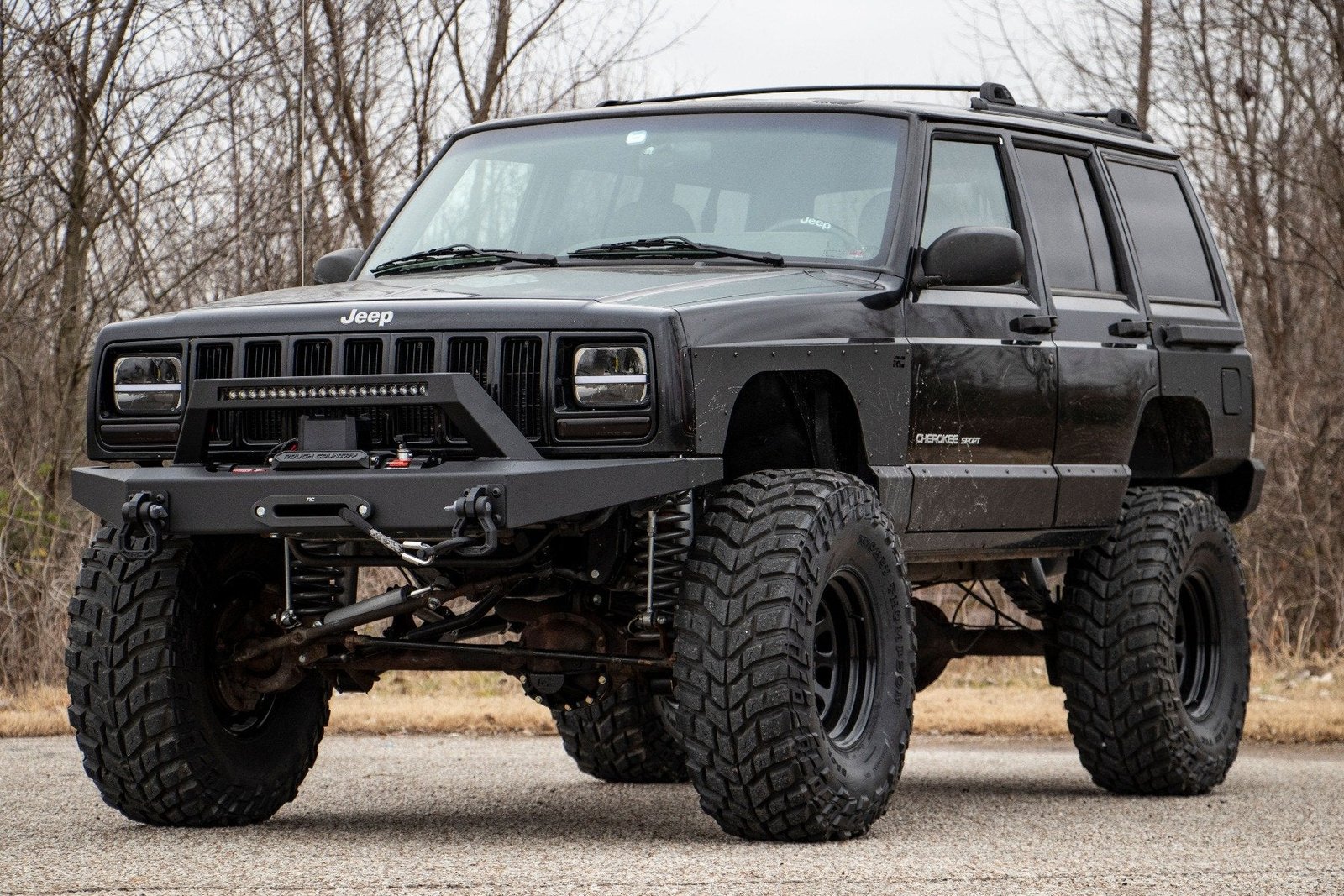
Step-by-step Guide: How To Lift A Jeep Cherokee
The following steps outline a typical suspension lift installation. Your kit may vary, so always read the manufacturer’s instructions.
1. Lift And Secure The Vehicle
Raise the Jeep using the floor jack and place it securely on jack stands. Remove all four wheels for clear access.
2. Remove Old Suspension Components
Unbolt the shocks and springs. You may need a pry bar or spring compressor, especially if parts are seized or under tension.
Take care to support the axle to prevent sudden drops.
3. Install New Lift Components
Install the new springs, shocks, and any additional hardware like bump stops or sway bar links. Make sure all parts fit correctly.
Use a torque wrench to tighten bolts to the manufacturer’s specifications.
4. Check Brake Lines And Drivetrain
Most lifts over 2. 5 inches require longer brake lines and possibly driveshaft adjustments.
| Lift Height | Brake Line Modification | Driveshaft/Other Changes |
|---|---|---|
| 1–2 inches | Usually not needed | No change |
| 2–4.5 inches | Longer lines recommended | Possible transfer case drop |
| 4+ inches | Longer lines required | SYE kit, new driveshaft |
5. Double-check Everything
Reinstall the wheels. Lower the Jeep carefully.
Check for any unusual noises or movement. Bounce the suspension to seat the new springs.
6. Alignment And Final Adjustments
Drive straight to a professional shop for a wheel alignment. A poor alignment can ruin tires and make the Jeep unsafe. After 100–200 miles, re-torque all suspension bolts.
Common Mistake: Many skip the alignment step and experience poor handling or uneven tire wear. This is critical for safety and performance.
What To Expect After Lifting
Lifting your Jeep Cherokee changes its behavior. Expect a higher center of gravity, which can make it feel less stable in sharp turns.
Ride quality may be firmer, especially with budget kits.
Handling:
- Taller tires and a lifted body increase body roll.
- Braking distances can increase slightly.
Maintenance:
- Inspect suspension bolts after off-roading.
- Grease new components as recommended.
Insurance and Warranty:
- Some insurers charge more for lifted vehicles.
- Factory warranty may be affected, especially if the lift is not dealer-installed.
Real-world Example
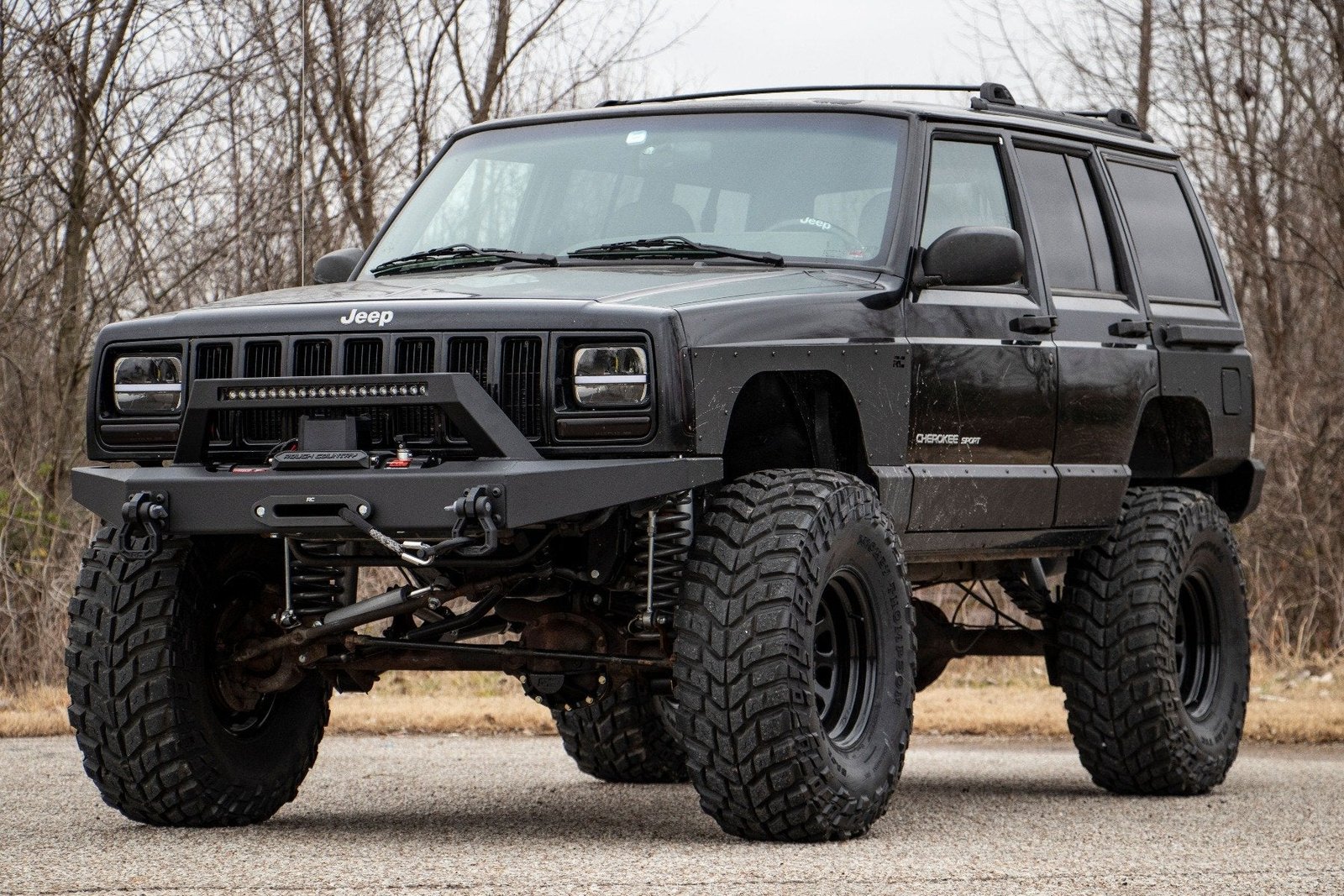
A 2014 Jeep Cherokee owner wanted to fit 32-inch tires for weekend trails. He chose a 2-inch suspension lift, which cost about $700 plus $300 for installation.
After lifting, he reported better clearance and a more rugged look, but noticed a stiffer ride and needed longer brake lines.
He also had to adjust his driving style on highways due to increased body roll.
Two Insights Beginners Often Miss
- Drivetrain angles matter: When you lift over 2 inches, the driveshaft angle can change, causing vibrations. A transfer case drop or SYE kit (Slip Yoke Eliminator) may be needed.
- Tire fitment isn’t just about lift: Not all tires fit just because you have a lift. Wheel backspacing and fender trimming may be required, especially for larger tires.
Frequently Asked Questions
How High Can I Lift My Jeep Cherokee Safely?
Most experts recommend lifts between 2–3 inches for daily drivers. Higher lifts are possible but may require additional modifications and affect stability.
Do I Need New Shocks For A Small Lift?
Yes, even a 1.5-inch lift often needs longer shocks. Stock shocks may limit suspension travel or wear out quickly.
Will Lifting My Cherokee Affect Fuel Economy?
Lifts and bigger tires add weight and drag. Many owners report a 1–3 mpg drop, depending on tire size and driving style.
Can I Install A Lift Kit Myself?
If you have basic mechanical skills and tools, a spacer kit is DIY-friendly. Suspension kits are more complex but possible for confident home mechanics. Always follow safety guidelines.
Is Alignment Necessary After Lifting?
Absolutely. Wheel alignment is critical after any lift to prevent uneven tire wear and handling problems.
Giving your Jeep Cherokee a lift is a rewarding project that can transform its look and performance. Take time to plan, choose the right kit, and follow each step carefully. For more in-depth technical details, check out the Wikipedia guide on lift kits. With the right approach, your lifted Cherokee will be ready for adventure—on or off the road.


















