Getting stuck with a dead battery is frustrating, especially if you’re driving a Jeep. Knowing how to jump a Jeep safely can save you time and stress.
This guide gives you practical steps, tips, and details for all Jeep models—Wrangler, Grand Cherokee, Compass, and more. Whether you’re on a trail or in your driveway, you’ll learn how to get your Jeep running again, avoid common mistakes, and understand what makes Jeeps a bit different from smaller cars.
What You Need Before Jumping A Jeep
Before you start, gather these essential items:

- Jumper cables (heavy-duty, at least 10-gauge)
- A working vehicle with a fully charged battery
- Safety gloves (optional but recommended)
- Eye protection (optional)
- Owner’s manual for your Jeep (for reference)
Jeeps often have larger batteries than compact cars, so using thicker cables is important. Thin or worn cables can overheat or even melt, especially with high amperage.
| Item | Recommended Specs | Why Important? |
|---|---|---|
| Jumper Cables | 10-gauge or thicker, 12 ft+ | Handles Jeep’s higher battery current |
| Working Vehicle | Battery rated for at least 600 CCA | Prevents slow jump or failure |
| Gloves | Insulated, durable | Protects from sparks and acid |
Step-by-step Guide: How To Jump A Jeep
Follow these steps carefully to avoid damage or injury.
1. Position Both Vehicles
Park the working vehicle close to your Jeep, but not touching. Turn off both engines. Make sure the vehicles are in Park (automatic) or Neutral (manual).
2. Open The Hoods
Locate the battery in both vehicles. In some Jeep models, the battery may be under a cover or behind a panel.
3. Identify Battery Terminals
Find the positive (+) and negative (-) terminals. Wipe off any dirt or corrosion for a better connection.
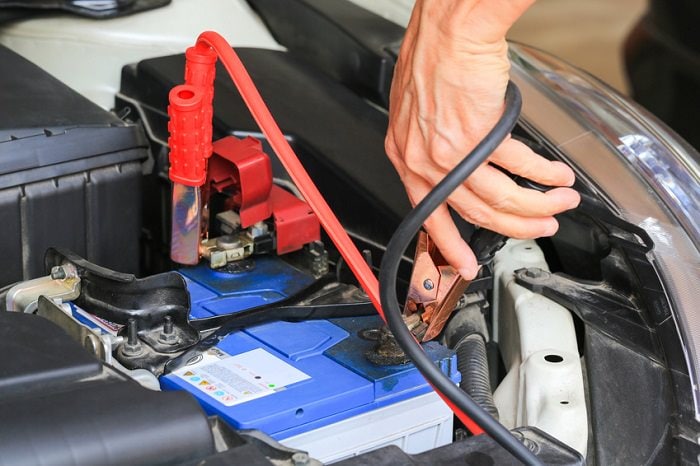
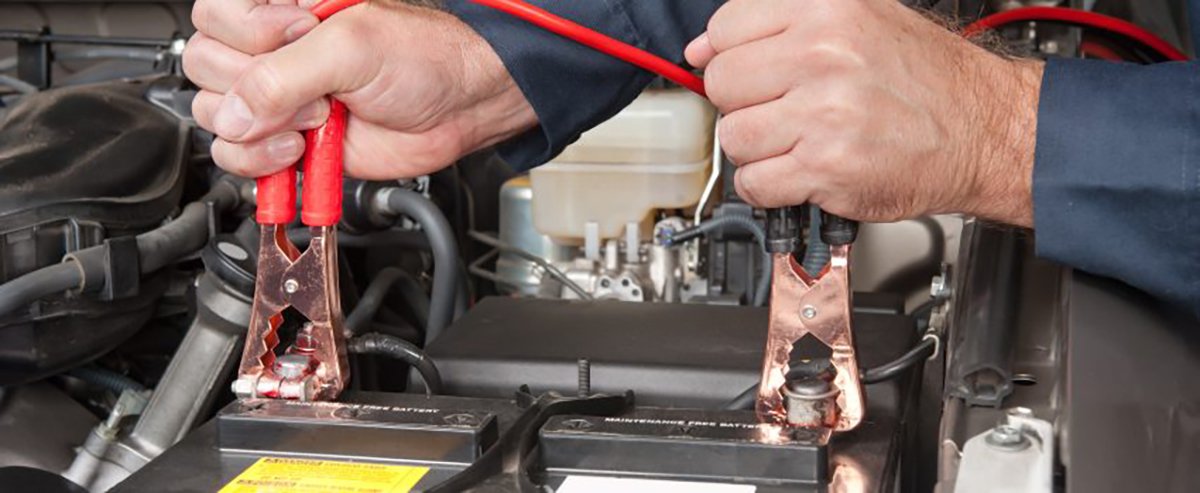
- Connect jumper cables in order
- Red clamp to Jeep’s positive (+) terminal
- Red clamp to donor car’s positive (+) terminal
- Black clamp to donor car’s negative (-) terminal
- Black clamp to Jeep’s metal part (not the battery) for grounding
Grounding away from the battery is safer. This reduces the risk of sparks near battery gases, which can explode.
5. Start The Donor Car
Let it run for 2-3 minutes. This charges the Jeep’s battery.
6. Start The Jeep
Try to start your Jeep. If it doesn’t start, wait another minute and try again.
- Remove cables in reverse order
- Black clamp from Jeep
- Black clamp from donor car
- Red clamp from donor car
- Red clamp from Jeep
- Let your Jeep idle
Keep the Jeep running for at least 15 minutes to recharge the battery.
Quick Reference For Jeep Battery Locations
Many Jeeps have the battery in the front, but some (like newer Wrangler models) place it under a cover. Here’s a comparison:
| Jeep Model | Battery Location | Access Difficulty |
|---|---|---|
| Wrangler JL | Under hood, under cover | Moderate |
| Grand Cherokee | Front engine bay | Easy |
| Compass | Front engine bay | Easy |

Common Mistakes When Jumping A Jeep
Jumping a Jeep is simple, but mistakes can cause damage or injury. Avoid these errors:
1. Connecting Cables To The Wrong Terminals
Mixing up positive and negative can destroy electronics.
2. Using Weak Cables
Thin cables may not handle the Jeep’s current, leading to overheating.
3. Skipping Grounding
Attaching both clamps to the battery can cause sparks and risk explosion.
4. Jumping In Wet Conditions
Moisture increases risk of electric shock. Wait for dry weather if possible.
5. Not Letting The Battery Recharge
Driving off immediately can drain the battery again. Always idle for 15+ minutes.
Many beginners forget to check for corroded terminals. Corrosion prevents a good connection and can stop the jump from working. Clean terminals with a wire brush if needed.
How Jeep Battery Size Compares
Jeeps usually use larger batteries than compact cars. This means jumps require more power. Here’s a quick comparison:
| Vehicle Type | Typical Battery Size (CCA) | Jump Amps Needed |
|---|---|---|
| Jeep Wrangler | 650-800 | 200-400 |
| Compact Car | 400-500 | 150-250 |
| Full-size Truck | 800-1000 | 350-500 |
Knowing this, always use a donor vehicle with a similar or larger battery size. A small sedan may not deliver enough power to jump a Jeep.
Extra Tips For Jumping A Jeep
- Turn off accessories (lights, radio, AC) before jumping. This reduces strain.
- Check battery age. If your Jeep’s battery is over 4 years old, it may need replacing soon.
- Carry a portable jump starter. These are handy if you’re off-road or alone.
- If your Jeep doesn’t start after three tries, the battery could be dead or there may be other issues like a faulty alternator.
If you want to learn more about battery maintenance, check out the Consumer Reports guide.
Frequently Asked Questions
How Do I Know If My Jeep’s Battery Needs Replacement?
If your Jeep struggles to start even after a jump, or if it’s over 4 years old, the battery may need replacing. Dim headlights and slow cranking are signs.
Can I Use A Compact Car To Jump My Jeep?
It’s possible, but not ideal. Compact car batteries may not have enough power for a Jeep.
If you must, let the donor car run longer before starting your Jeep.
Is It Safe To Jump A Jeep With Accessories On?
No. Always turn off all accessories before jumping.
This prevents electrical surges and reduces battery drain.
How Long Should I Let My Jeep Idle After A Jump?
Let your Jeep idle for at least 15 minutes. This helps recharge the battery so it doesn’t die again.
What Should I Do If My Jeep Still Won’t Start After Jumping?
Double-check the cable connections and battery terminals. If your Jeep still won’t start, the battery could be faulty, or there might be issues with the starter or alternator.
Jumping a Jeep doesn’t have to be stressful. With the right tools, knowledge, and a bit of care, you can get back on the road quickly and safely.
Remember, always check your cables and donor vehicle, and take time to recharge the battery.
These steps keep your Jeep and you safe.