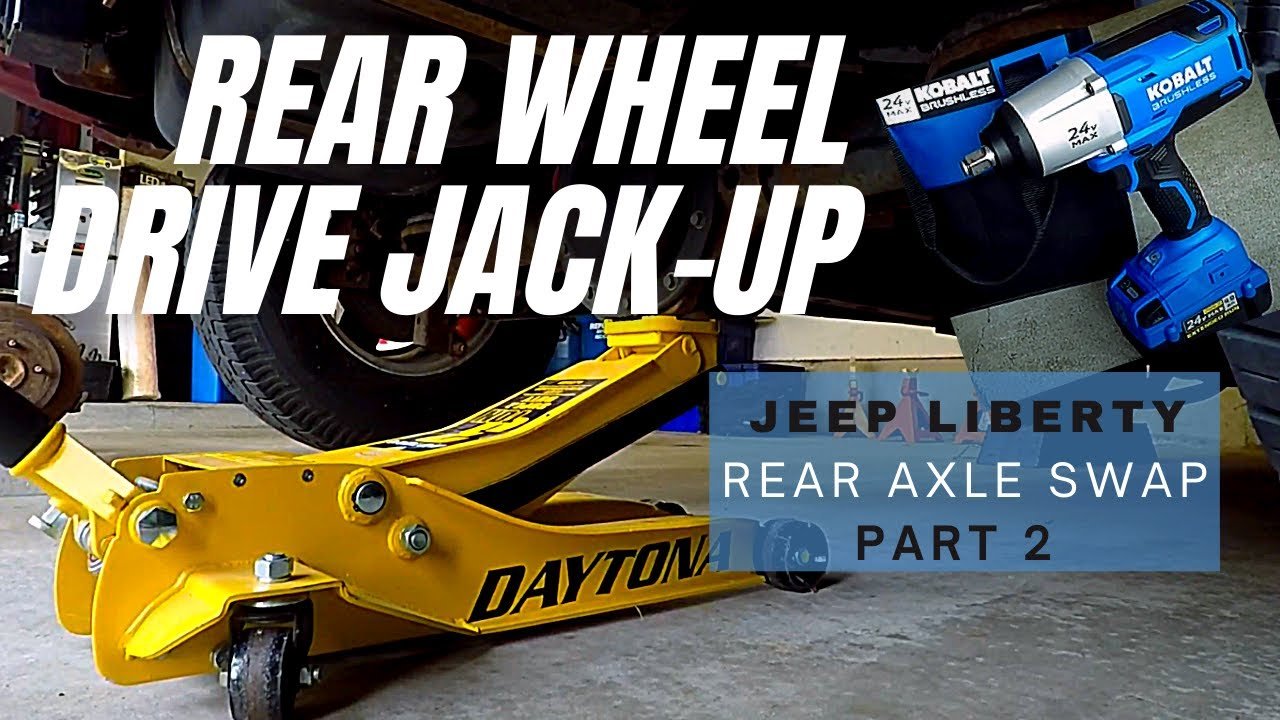
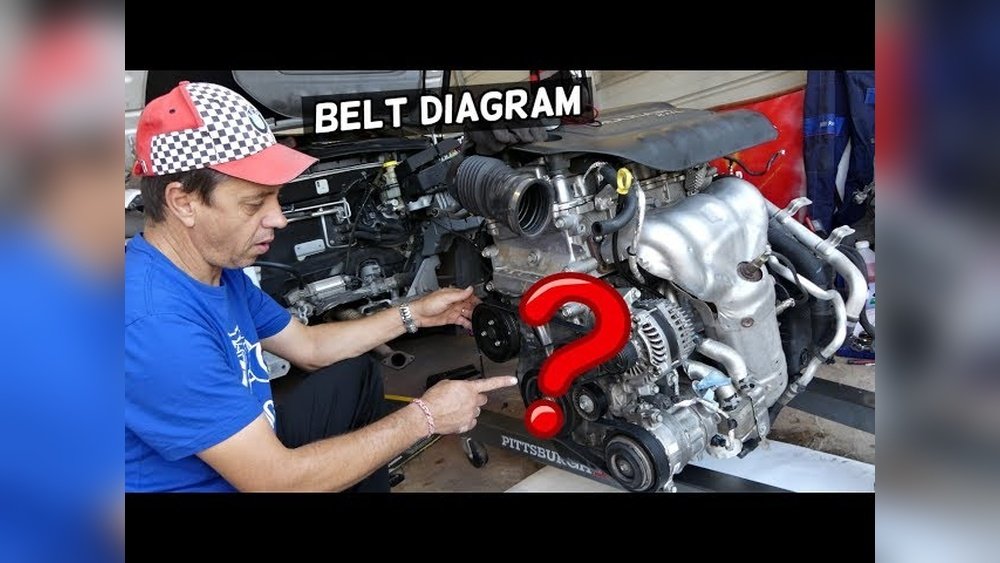
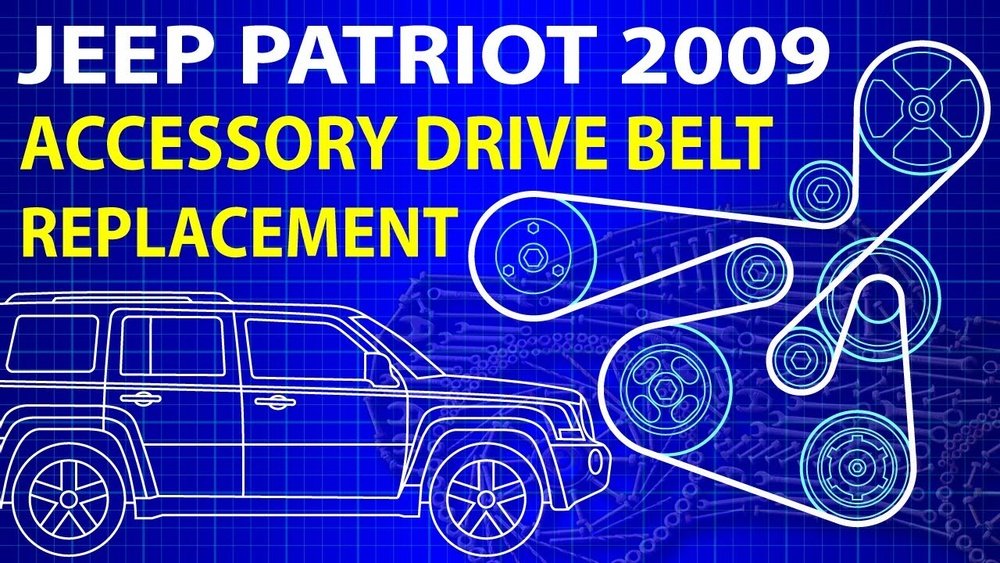
Jacking up a Jeep Liberty is something every owner should know. Whether you want to change a tire, check your brakes, or inspect the undercarriage, raising your vehicle safely is essential.
Many people make mistakes that can damage their Jeep or cause injury, so understanding the right steps matters.
This guide will help you lift your Jeep Liberty securely, avoid common errors, and work confidently, even if you’re a beginner.
Essential Tools And Equipment
Before starting, make sure you have the right tools. Using poor-quality or incorrect equipment can lead to accidents or vehicle damage.
| Tool | Purpose | Recommended Type |
|---|---|---|
| Jack | Lift vehicle | Hydraulic floor jack (2-ton or more) |
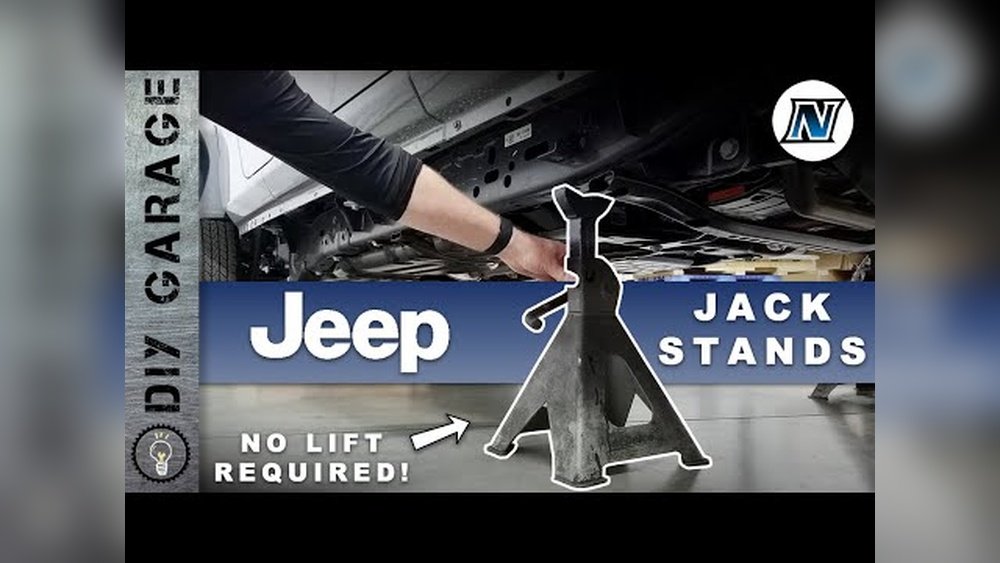
| Jack stands | Support weight | Heavy-duty, adjustable |
| Lug wrench | Remove wheel nuts | Cross-type or impact wrench |
| Wheel chocks | Prevent rolling | Rubber or metal |
| Gloves | Protect hands | Mechanic-grade |
Hydraulic jacks are safer and easier to use than the basic scissor jacks included with your Jeep Liberty. Jack stands are non-negotiable; never rely on the jack alone.
Preparing Your Jeep Liberty
Good preparation is half the work. Follow these steps to avoid issues:
- Park on a flat, solid surface. Avoid soft ground like grass or gravel.
- Engage the parking brake and put the transmission in “Park.”
- Place wheel chocks behind the tires you are not lifting. This prevents rolling.
- Check your owner’s manual for the exact jack points. Using the wrong spot can crush parts or cause the jack to slip.
Here’s a quick comparison between safe and unsafe surfaces:
| Surface Type | Safety Level | Notes |
|---|---|---|
| Concrete | High | Stable, ideal for jacking |
| Asphalt | Medium | Can soften in heat |
| Grass/Gravel | Low | Risk of jack sinking or sliding |
Many people forget to block the wheels, which is a top cause of accidents. Always double-check before you start.
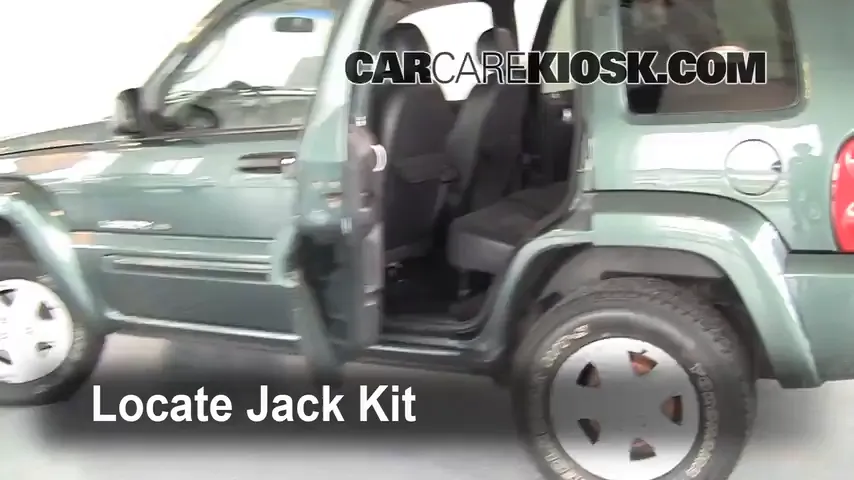
Step-by-step: Jacking Up Your Jeep Liberty
Lifting your Jeep Liberty safely takes patience and attention. Follow these steps:
- Locate the jack point. For the front, use the frame rail just behind the front wheels. For the rear, use the axle or designated frame spot.
- Place the jack under the correct point. Make sure it sits flat and centered.
- Begin lifting slowly. Watch for any shifting or instability.
- Once the wheel is off the ground, slide a jack stand under the frame or axle. Set it at the right height.
- Lower the jack until the Jeep rests on the jack stand. Never work with only the jack supporting the vehicle.
- Give the Jeep a gentle push. If it moves or wobbles, reposition the jack stand.
- Repeat for the other side if needed.
Many beginners rush through these steps. Take your time. If you’re unsure about the jack point, check the manual or look up diagrams online. One overlooked tip: always check that your jack stand is locked at the correct height before lowering the vehicle onto it.
Safety Tips And Common Mistakes
Staying safe is more important than speed. Here are smart tips:
- Use jack stands every time. Never trust a jack alone.
- Wear gloves to protect your hands from sharp edges.
- Never crawl under the Jeep unless it’s fully supported.
- Double-check that the Jeep is stable before removing wheels.
Common mistakes include:
- Jacking up on a plastic trim or weak part instead of the frame.
- Forgetting to use wheel chocks.
- Using a jack that is too small for the vehicle’s weight.
Here’s a quick reference for jack stand placement:
| Location | Safe Jack Stand Placement |
|---|---|
| Front | Frame rail, behind wheel |
| Rear | Axle or frame rail |
Another insight most beginners miss: never use bricks or wood as a substitute for jack stands. They can crack or slip easily under weight.

After Jacking Up: What To Do Next
Once your Jeep Liberty is lifted and secure:
- Remove the wheel or perform your maintenance as needed.
- Keep all tools organized and away from the work area.
- When finished, reverse the steps: Lift slightly with the jack, remove the stand, and lower gently.
- Tighten wheel nuts in a star pattern for even pressure.
- Remove wheel chocks last.
Working carefully reduces risk and keeps your Jeep in good shape. Even small mistakes, like uneven tightening, can lead to bigger problems.
Frequently Asked Questions
How High Should I Jack Up My Jeep Liberty?
Raise the vehicle only enough to clear the wheel or access the part you need. Usually, 3-6 inches above the ground is enough.
Lifting too high increases the risk of instability.
Can I Use The Factory Scissor Jack For Regular Maintenance?
The factory scissor jack is designed for emergencies only, like changing a flat tire. For regular maintenance, use a hydraulic floor jack and jack stands.
Where Are The Safest Jack Points On A Jeep Liberty?
The main jack points are the frame rails behind the front wheels and the axle or frame near the rear wheels. Avoid jacking on suspension parts or body panels.
What Size Jack Do I Need For A Jeep Liberty?
A 2-ton hydraulic floor jack is usually enough. Jeep Liberty curb weight ranges from 3,700 4,100 lbs. Always check your jack’s rating before use.
Is It Safe To Jack Up A Jeep Liberty On Gravel?
No. Gravel is unstable and can cause the jack to shift or sink.
Use a solid surface like concrete or asphalt. If you must use gravel, place a thick steel plate under the jack for stability.
Jacking up your Jeep Liberty is simple if you follow the right steps and stay alert. Using the proper equipment, checking your surfaces, and never skipping safety tips will keep you—and your Jeep—secure. If you want more details about vehicle safety, visit NHTSA for trusted advice. Take your time, double-check everything, and you’ll be ready for any job under your Jeep Liberty.