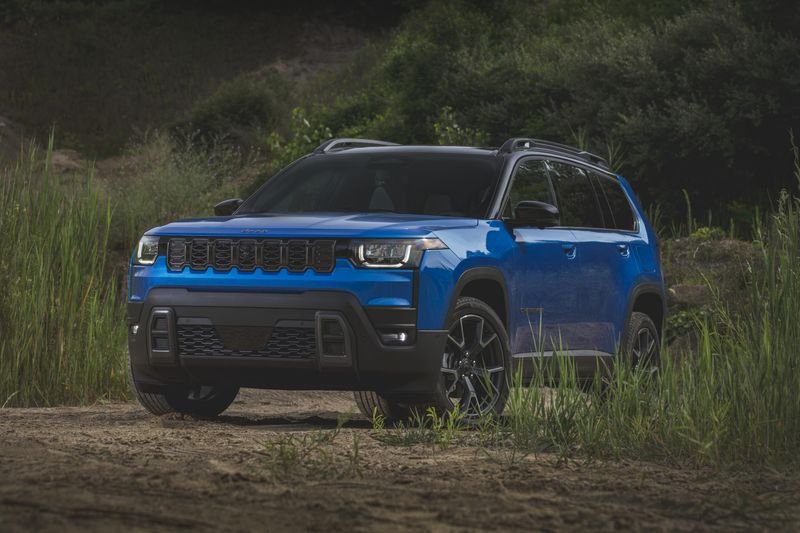
Jacking up your Jeep Cherokee is more than just a basic car skill—it’s an essential part of safe vehicle maintenance. Whether you need to change a tire, inspect the brakes, or install new suspension parts, learning the right way to jack up your Cherokee saves time and prevents injuries. Many beginners make small mistakes that can damage their Jeep or put them at risk. This guide shows every step clearly, highlights common errors, and gives practical tips for both new and experienced Jeep owners.
Tools And Equipment Needed
Before you start, having the right tools makes the process smoother and safer. For a Jeep Cherokee, you’ll need:
- Hydraulic floor jack (minimum 2-ton capacity)
- Jack stands (at least 2, rated for your vehicle’s weight)
- Wheel chocks (2 or more)
- Lug wrench or breaker bar
- Work gloves and safety glasses
While your Cherokee might come with a small scissor jack, these are only for emergencies. For home use, a hydraulic jack and jack stands are much safer and more stable.
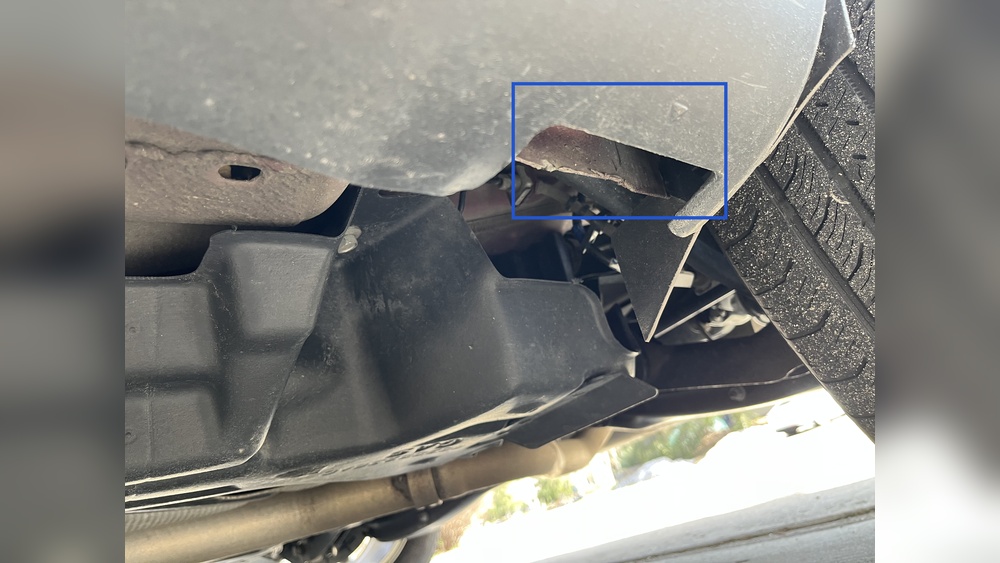
Why Use Jack Stands?
A hydraulic jack lifts the car, but jack stands support it securely. Never trust the jack alone—hydraulic jacks can lose pressure and fail. Jack stands prevent the vehicle from falling while you work underneath.
How To Jack Up A Jeep Cherokee: Step-by-step
Raising your Jeep properly is simple when you follow these steps:
1. Park On A Level Surface
Choose a flat area, like a concrete driveway. Avoid grass or loose gravel.
Put the Jeep in Park (or first gear for manual transmission) and set the parking brake.
2. Chock The Wheels
Place wheel chocks behind the rear tires if lifting the front, and in front of the front tires if lifting the rear. This stops the Jeep from rolling.
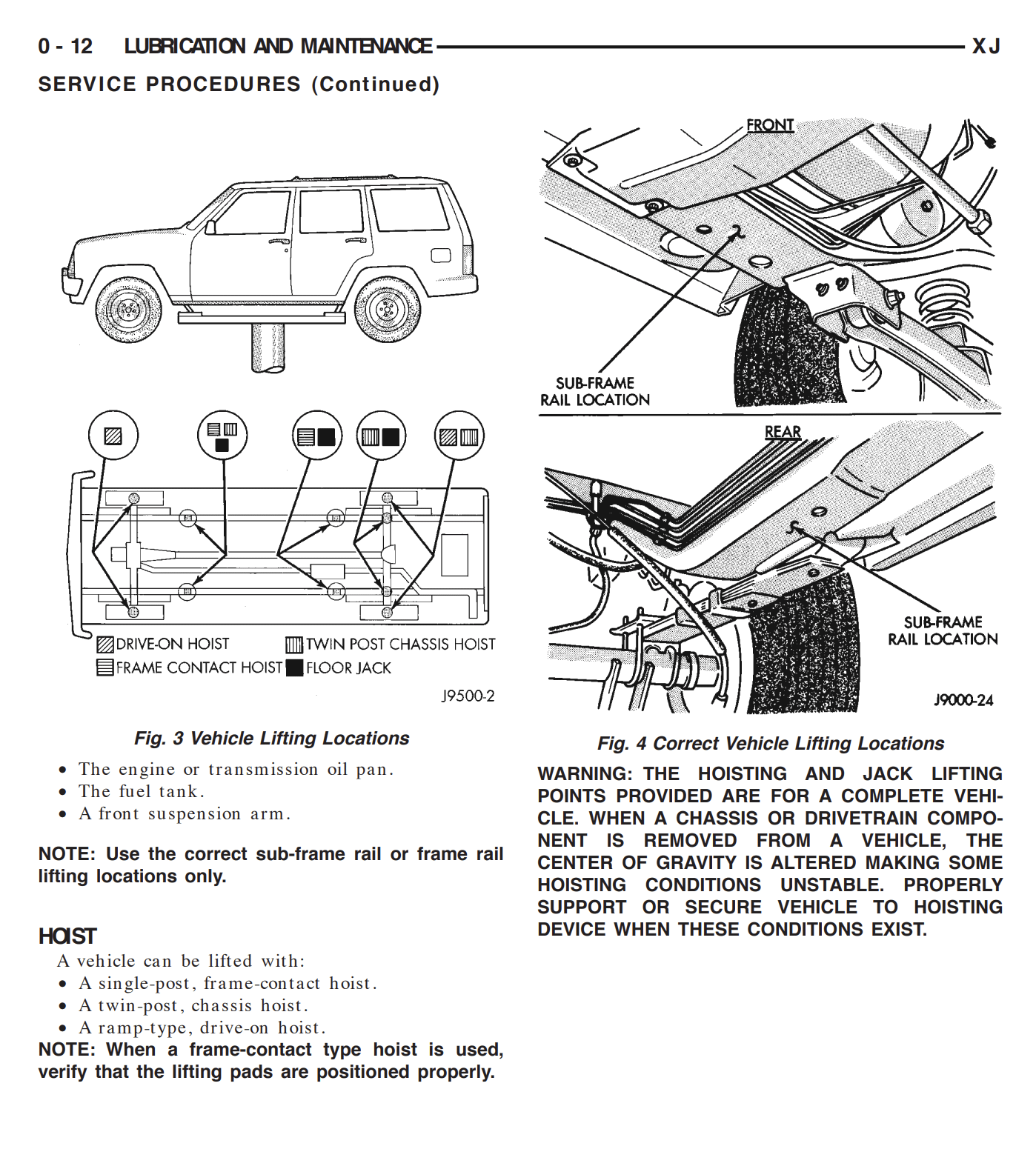
3. Locate The Jack Points
The safest jack points are on the frame rails, just behind the front wheels or in front of the rear wheels. Avoid lifting from the body or suspension arms.
| Location | Jack Point |
|---|---|
| Front | Frame rail behind front wheel |
| Rear | Frame rail in front of rear wheel |
Check your owner’s manual for diagrams if unsure.
4. Position The Jack
Slide the hydraulic jack under the frame rail at your chosen lift point. Make sure the jack pad sits flat on the metal.
5. Lift The Vehicle
Pump the jack handle slowly. Watch the vehicle and jack if anything shifts or creaks, stop and reposition.
Raise the Jeep high enough for your work, but not more than necessary.
6. Place Jack Stands
Slide jack stands under the frame rail near the jack. Carefully lower the Jeep onto the stands by slowly releasing the jack. Check that both stands are solid and level.
7. Test Stability
Gently push the Jeep from the side. It should feel solid.
If there’s any wobble, double-check the stands and jack points.
8. Remove The Jack
Once the Jeep sits securely on the stands, remove the jack completely.
9. Reverse The Process To Lower
To bring the Jeep down, raise it slightly with the jack, remove the stands, and slowly lower the vehicle back to the ground.
Mistakes To Avoid
Many people damage their Jeep Cherokee or risk injury by making simple mistakes. Here are some pitfalls to watch out for:
- Using the wrong jack points: Lifting from the floorpan or plastic trim can cause expensive damage.
- Not using jack stands: Relying only on the jack is extremely dangerous.
- Lifting on uneven ground: The Jeep can slip off the jack, especially on sloped or soft surfaces.
- Ignoring the owner’s manual: Each Cherokee generation may have different jack points or weight limits.
Practical Tips For Safe Lifting
- Always wear work gloves to protect your hands from sharp edges.
- Keep your phone nearby in case you need help.
- Lift one axle at a time—front or rear—not the whole side.
- For off-road Cherokees with lift kits, you may need a jack with longer reach.
- If you’re unsure, ask a mechanic or watch a trusted video before your first attempt.
Comparing Jack Types For A Jeep Cherokee
Choosing the right jack matters. Here’s a quick look at the most common types for a Jeep Cherokee:
| Jack Type | Pros | Cons |
|---|---|---|
| Hydraulic Floor Jack | Stable, easy to use, quick lifting | Heavy, takes up storage space |
| Scissor Jack | Compact, included with vehicle | Slow, less stable, not for frequent use |
| Bottle Jack | High lift, portable | Small base, less stable |
For most home garage work, a hydraulic floor jack is safest and easiest to use.
Jeep Cherokee Weight And Jacking Capacity
Understanding your vehicle’s weight helps you choose the right jack and stands. A Jeep Cherokee typically weighs between 3,500 and 4,500 pounds (1,600-2,040 kg), depending on the model year and options.
| Model Year | Approx. Curb Weight (lbs) | Minimum Jack Capacity (tons) |
|---|---|---|
| 2014–2022 | 4,000–4,500 | 2 |
| 1997–2001 | 3,300–3,600 | 2 |
Never use a jack or stands rated below your Jeep’s weight.

Non-obvious Insights For Beginners
- Check ground clearance: If your Cherokee is lowered or has large off-road tires, the stock jack may not fit. A low-profile floor jack is a smart investment.
- Inspect jack stands yearly: Rust or damage can make them unsafe. Replace stands if you see cracks or bent parts.
When To Seek Professional Help
If you see rust on the frame rails, or if you’re unsure about the process, it’s safer to visit a trusted mechanic. Lifting a vehicle with severe rust can cause the jack to punch through the frame, risking collapse.
Learning how to jack up your Jeep Cherokee correctly means you can handle emergency flats or home repairs with confidence. Take your time, use the right equipment, and never rush the process. Proper lifting protects both you and your Jeep for years to come.
Frequently Asked Questions
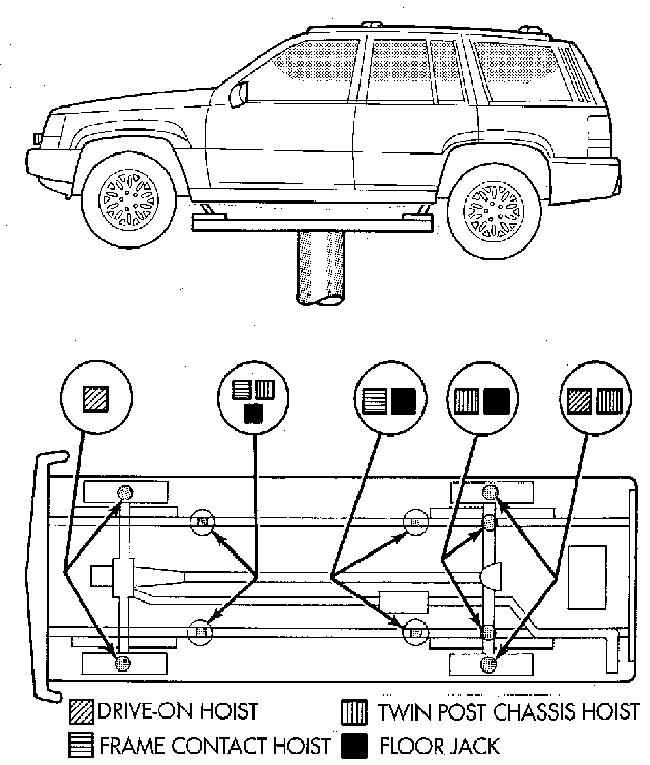
Where Are The Safest Jack Points On A Jeep Cherokee?
The safest jack points are the frame rails, behind the front wheels and in front of the rear wheels. Check your owner’s manual for exact locations.
Can I Use The Factory Scissor Jack For Regular Maintenance?
You can use the factory scissor jack in emergencies, such as roadside tire changes. For home maintenance, a hydraulic floor jack and jack stands are much safer.
What Size Jack Stands Do I Need?
For most Jeep Cherokees, 2-ton jack stands are enough. If your Jeep is heavily modified or loaded with gear, consider 3-ton stands for extra safety.
Is It Safe To Jack Up Both Front Wheels At The Same Time?
Yes, if you use the correct jack point on the front crossmember and support both sides with jack stands. Always chock the rear wheels and work on level ground.
Where Can I Find More Information About Vehicle Jacking Safety?
The National Highway Traffic Safety Administration provides vehicle safety guides. You can also visit the Wikipedia page on Car Jacks for more details.
By following these steps and tips, you’ll lift your Jeep Cherokee safely and efficiently every time.